
Shibam, Yemen: The Mud-Brick Skyscrapers of the Desert


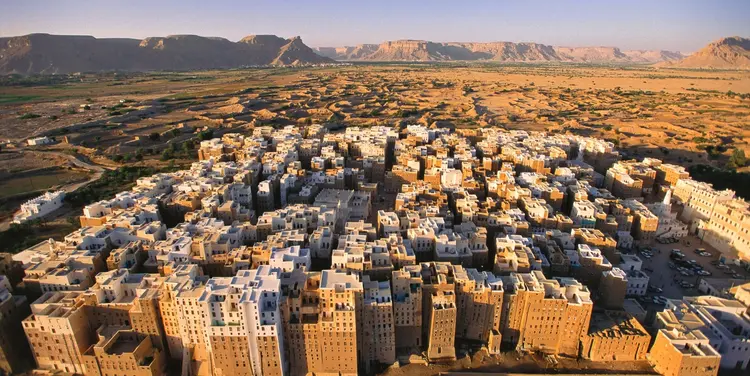
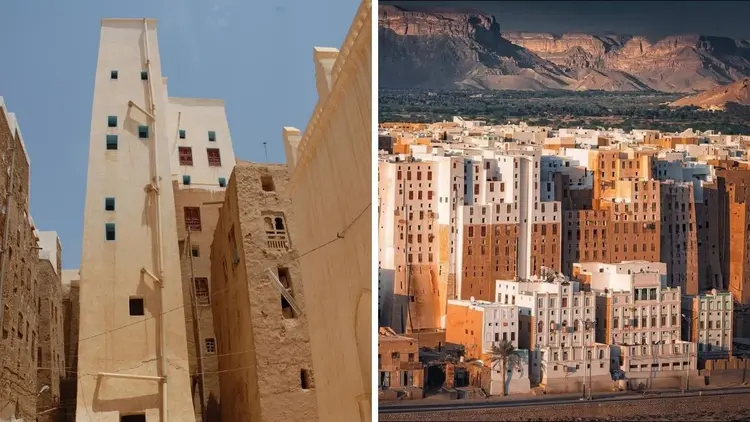
Shibam, Yemen, is a walled desert town where about 500 mud-brick towers rise five to eleven stories, some of them taller than 30 m. People have lived here for roughly 1,700 years, and most of the towers seen today date from the 16th century. Nicknamed the Manhattan of the Desert, Shibam did vertical living long before anyone invented the steel frame.
1. A settlement about 1,700 years old
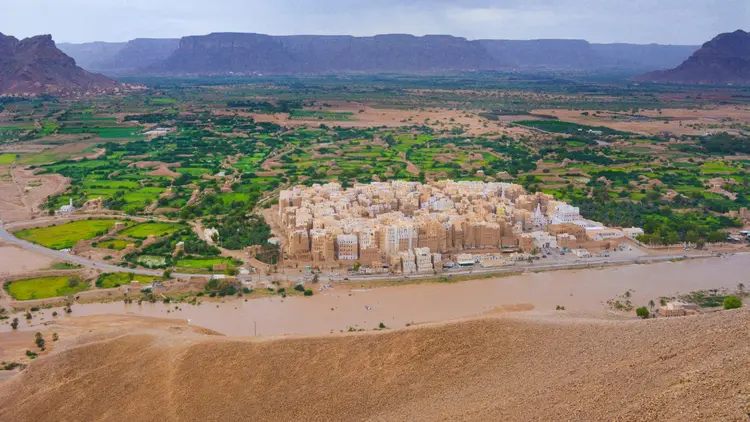
Shibam is old. Founded around the 3rd century CE, it became the capital of the Kingdom of Hadramawt around 300 CE. Most of the towers visible today are younger, though: they were built in the 16th century, after a severe flood damaged the town, and the rebuilders stuck to the same traditional techniques. The exact year of that flood is harder to pin down, since sources disagree. Old town, newer towers. That long, almost unbroken record of settlement makes Shibam one of the oldest continuously inhabited towns in the region.
2. A stop on the ancient incense routes
What made a desert town rich? Location. Its home, the Hadramawt Valley, connected southern Arabia with the Mediterranean and Africa in antiquity along the incense and spice trade routes, and caravans carrying frankincense and myrrh stopped here, bringing wealth with them. Wealth brought risk, too. A rich town on a key route needed strong defenses against raids by neighboring tribes.
3. Why build skyscrapers in the desert?
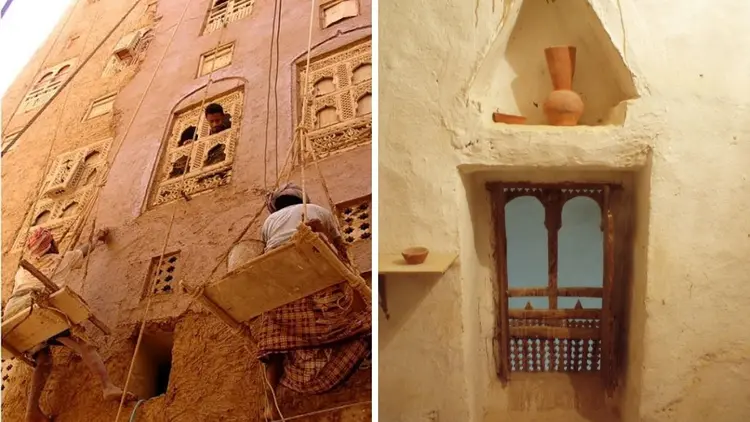
Necessity built them, not vanity.
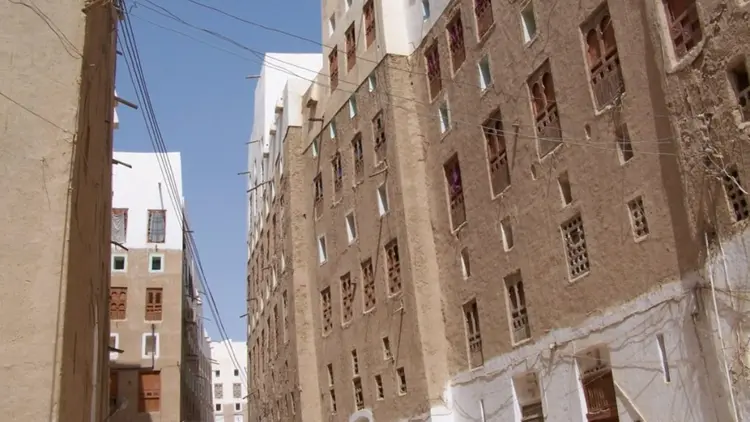
Walls kept Shibam safe. They also boxed it in: the town could not spread outward, so the only way to add living space was up. The result was a cluster of tightly packed towers, each with one or two rooms per floor—an early, highly successful example of what planners now call vertical urbanism.
4. How do mud buildings stay standing?

The answer is adobe. It is a mix of mud, straw and natural fibers, shaped into bricks and dried in the sun. Thick adobe walls keep daytime heat out and hold warmth in at night, giving the houses natural insulation: cooler in summer, steadier in winter. Mud is not forever, though. Rain and floods are the biggest enemies, and a tropical storm in 2008 flooded the town and weakened foundations so badly that some buildings collapsed. The houses survive only because they are repaired again and again by traditional methods, and much of the conservation work focuses on keeping that routine alive.
5. What was life inside a tower house like?
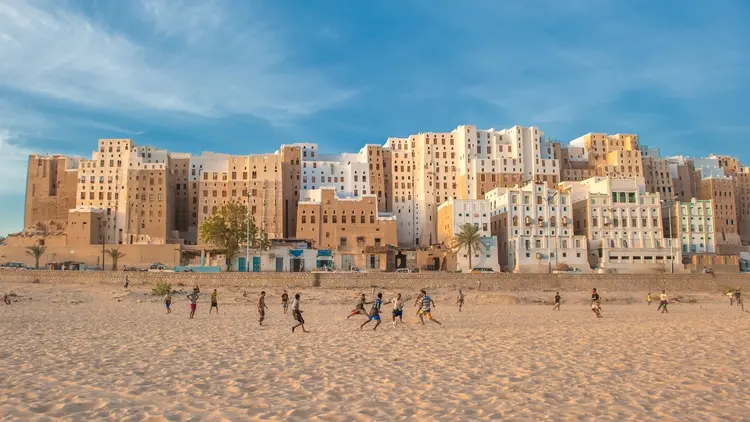
Each tower was a self-contained home with its own logic. From the street, it is easy to forget that every one of these towers is somebody’s house.
Lower floors usually held storage and, at times, animals. Everyday family life filled the middle. Upper floors were used for guests or more private family space. Above them all, carved wooden windows, plaster decoration and colored glass details reflected traditional Yemeni building style, while down at street level the narrow lanes between the towers kept people shaded from the desert heat.
6. Why is Shibam a UNESCO World Heritage Site?
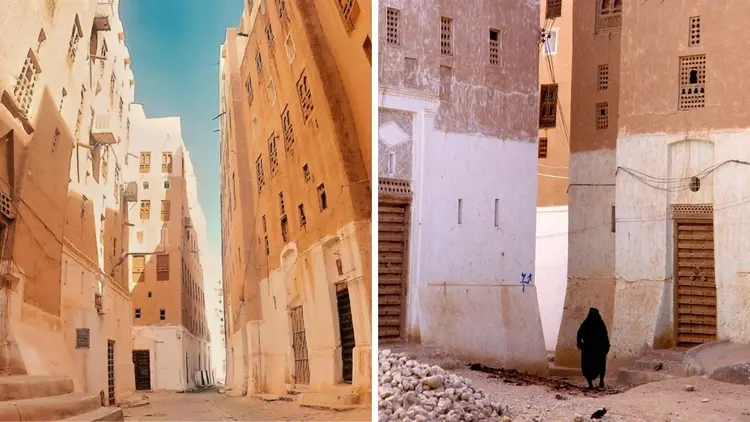
UNESCO inscribed Shibam on the World Heritage List in 1982 as one of the oldest and best preserved examples of multi-story mud-brick urban planning. The town is valued for three things: its defensive layout, its climate-adapted design and building traditions passed down for centuries. Then came 2015. After civil war broke out in Yemen and historic buildings were damaged, Shibam was added to the List of World Heritage in Danger. The pressure has not let up. Floods, weather and conflict all keep weighing on the town, while international organizations continue conservation and restoration work.
7. How to get to Shibam
Reaching Shibam is much harder now. The town lies in the Hadramawt region of Yemen, and most governments currently advise against travel to the country; the UK government’s Yemen travel advice, for example, advises against all travel there. In normal times, there were two ways in, and they could hardly differ more: a flight to Seiyun, the nearest town with an airport, about 15 km away, or a road trip of around 300 km from the coastal city of Mukalla. Flights and road conditions have been unreliable in recent years. Check the advice first. Anyone considering a trip should look at their own government’s current Yemen travel advice, and independent travel is not realistic in current conditions. Local guides and authorized tour organizers know the region best.
8. Visiting Shibam respectfully
Shibam is a living town, not an open-air museum.
Visitors are walking through neighborhoods where people go about their daily routines, so asking permission before taking photos, respecting privacy and avoiding behavior that could damage the mud-brick walls all matter. Summer heat is intense. Early morning is the sensible time to explore.
Centuries before modern skyscrapers, Shibam showed that dense, multi-story living could work in a hostile climate using only local materials. Truth is, height is only part of the story. The defense, the planning and the climate-smart design behind the towers are the real lesson.
Sources: Wikipedia: Shibam, UNESCO World Heritage Centre: Old Walled City of Shibam, GOV.UK: Yemen travel advice

















Bir yanıt yazın