
15 Historic Castles in Turkey You Should See


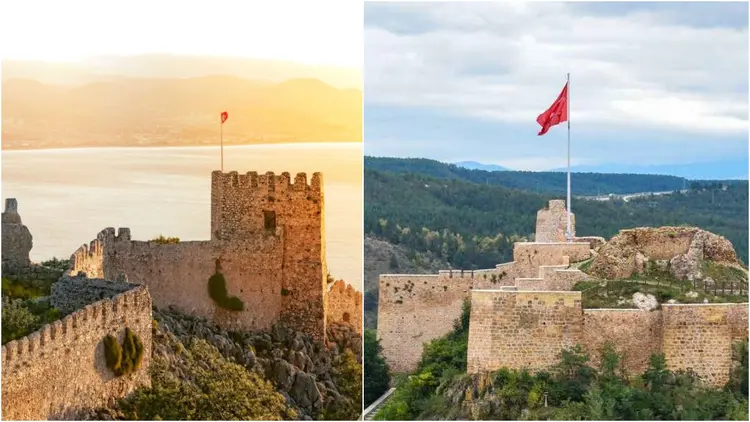
Empires never stopped fortifying Türkiye. Sitting between Europe and Asia, it had harbors, passes and trade routes worth guarding. Here are 15 historic castles in Turkey, from Seljuk sea walls to a cliff castle in the Black Sea mountains, and together they trace the Urartians, Romans, Byzantines, Seljuks, Knights Hospitaller and Ottomans.
1. Alanya Castle, Antalya
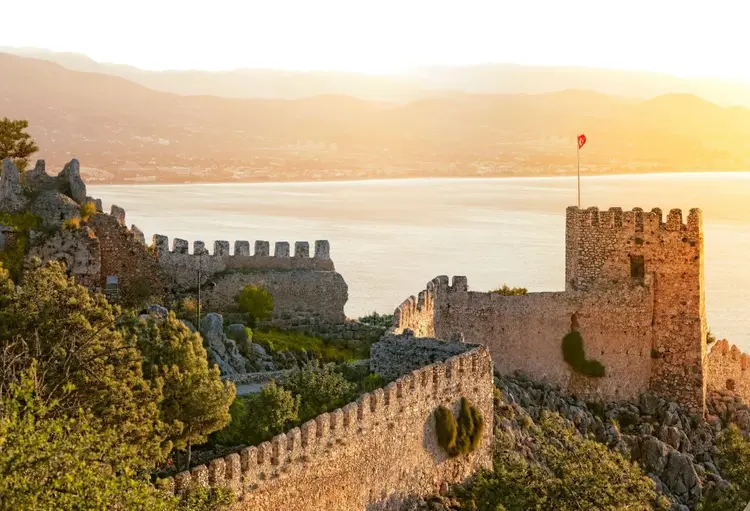
Most of what stands today is 13th-century Seljuk work. Sultan Alaeddin Keykubad I had it built over earlier Byzantine defenses, and the walls run about 6.5 km, with more than 140 towers and bastions following them across a peninsula roughly 250 meters above the sea.
The design covers land and sea approaches alike, which mattered in a major Seljuk port. Most visitors feel the climb long before they get to the history.
2. Rumeli Fortress, Istanbul
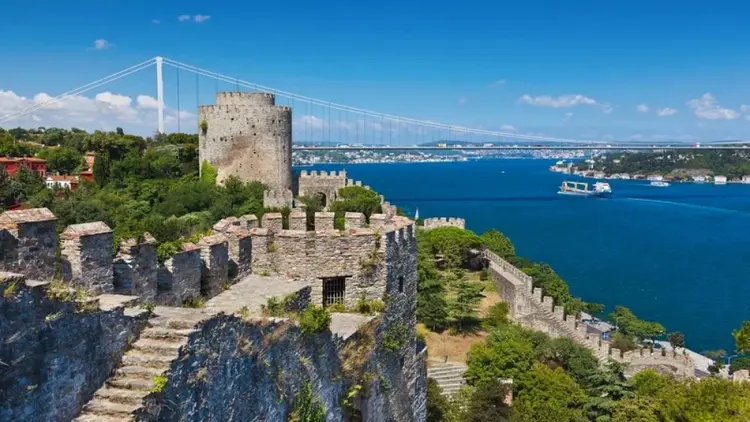
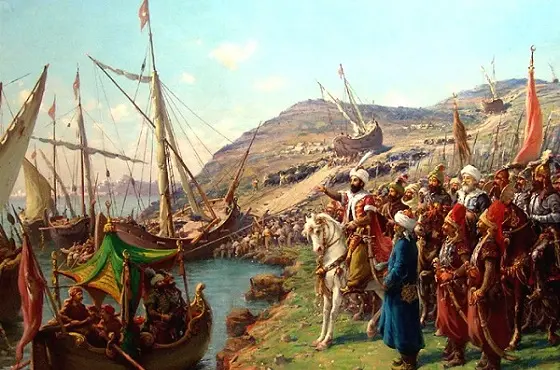
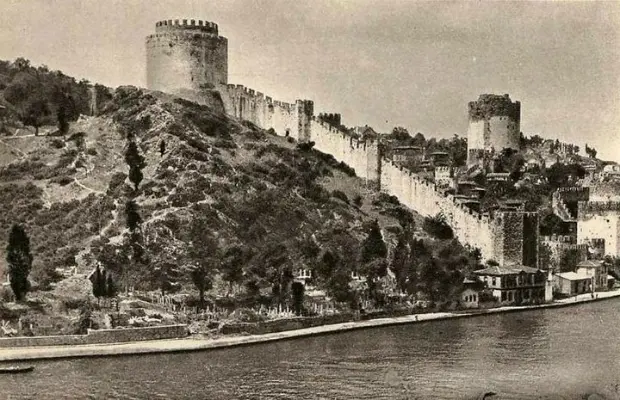
Mehmed the Conqueror built Rumeli Fortress (Rumeli Hisarı) at the Bosphorus’s narrowest point in 1452, just before the conquest of Istanbul, to cut off any help reaching Byzantium from the Black Sea. It rose in under five months. Three large towers and many smaller ones show off Ottoman military engineering.
Today it’s a museum, though the Bosphorus view rather steals the show.
3. Bodrum Castle, Muğla
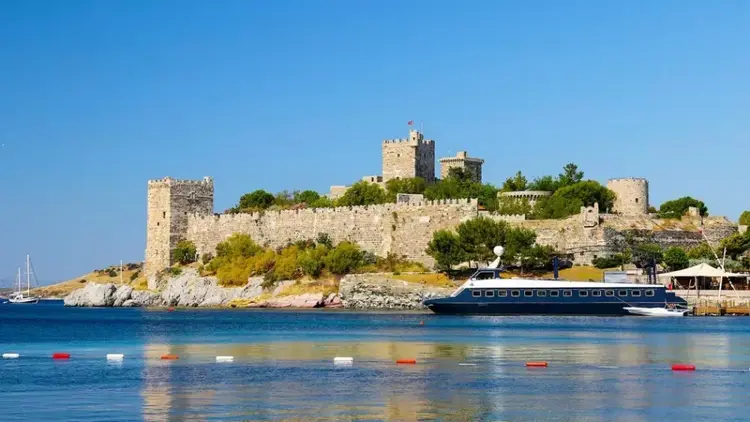
The Knights Hospitaller (Knights of St John) began building the Castle of St Peter around 1402 and kept adding to it for decades, creating one of the best examples of medieval European military architecture in the region. Some of the stone has a grand pedigree: the ancient Mausoleum of Halicarnassus, one of the Seven Wonders. After Rhodes fell, the Ottomans took the castle in 1523. Inside now: the Museum of Underwater Archaeology.
4. Van Fortress, Van
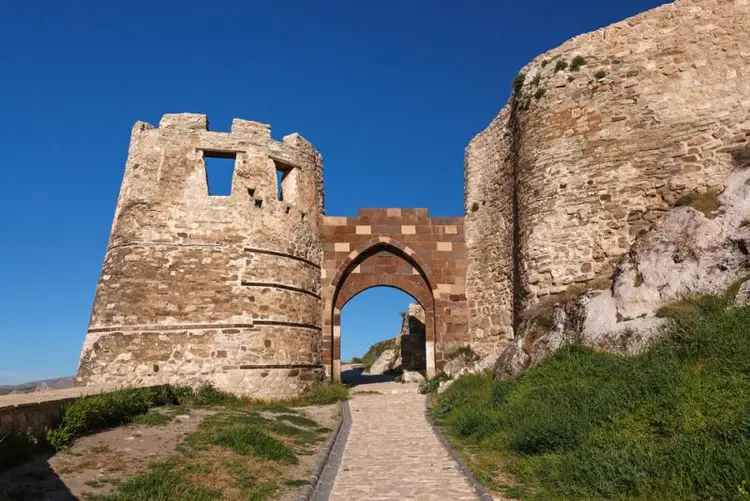
On a natural rock mass by the eastern shore of Lake Van, King Sarduri I of Urartu raised Van Fortress in the 9th century BC. The stonework is proof enough that the Urartians knew a thing or two about defense. Persians, Romans, Byzantines and Ottomans all used it afterward, which makes it one of the oldest and longest-used fortifications in Anatolia.
5. Diyarbakır Fortress and City Walls, Diyarbakır
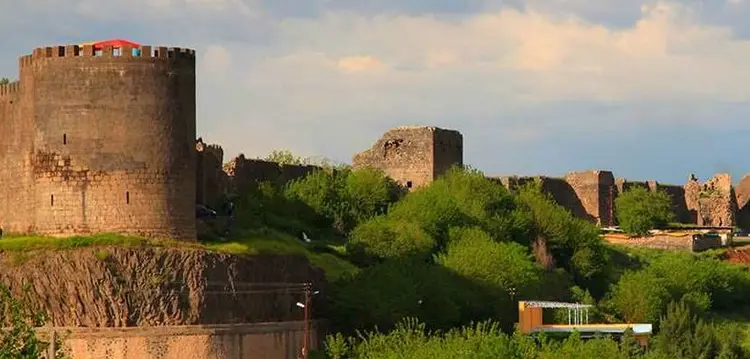
The foundations go back to Roman times, but most of today’s walls, about 5.8 km of black basalt, date from the 4th century under Emperor Constantius II. Few city walls anywhere are longer. Byzantine, Artuqid, Seljuk and Ottoman rulers each repaired them. UNESCO listed the fortress, together with the Hevsel Gardens, in 2015, and Go Türkiye, the country’s official tourism portal, suggests walking the walls and the gardens together.
6. Afyonkarahisar Castle, Afyonkarahisar
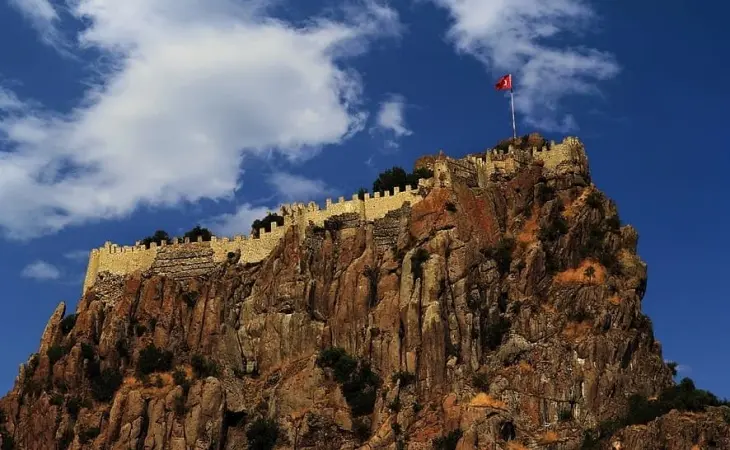
Hittites may have built the first fortress here around 1350 BC, though nobody can say for sure. Its volcanic rock makes any approach hard. Rome, Byzantium, the Seljuks and the Ottomans kept it important, the Seljuks strengthened it most, and its inland position put it on the main east-west routes.
7. Sinop Castle, Sinop
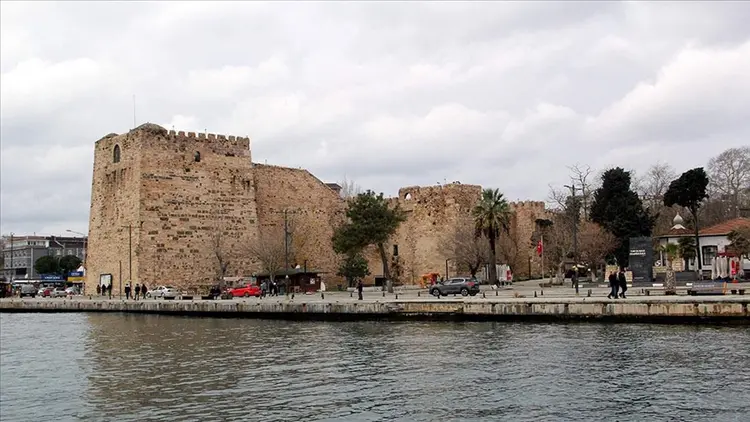
Settlers from Miletus first fortified Sinop in the 7th century BC. Romans and Byzantines extended the walls, Seljuks and Ottomans repaired them, and through all those centuries the castle guarded the harbor and the sea trade along the Black Sea coast. Much of the wall survives. It’s now part of the old town itself.
8. Uçhisar Castle, Nevşehir
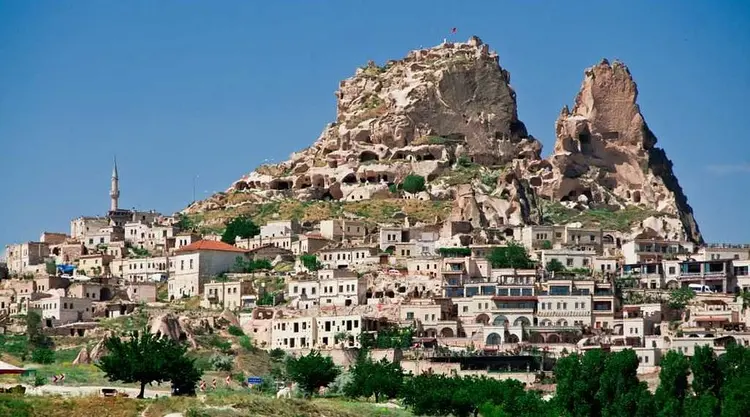
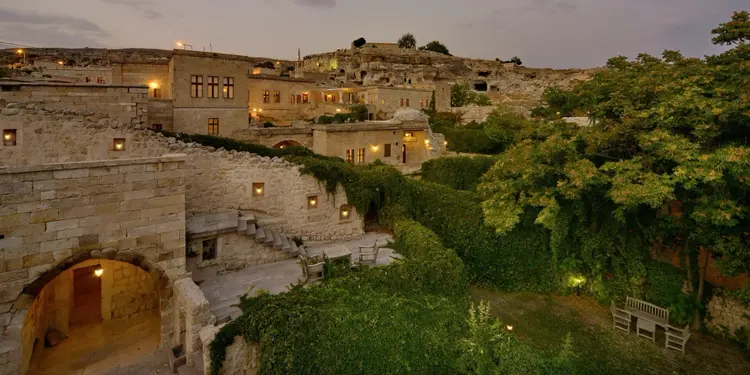
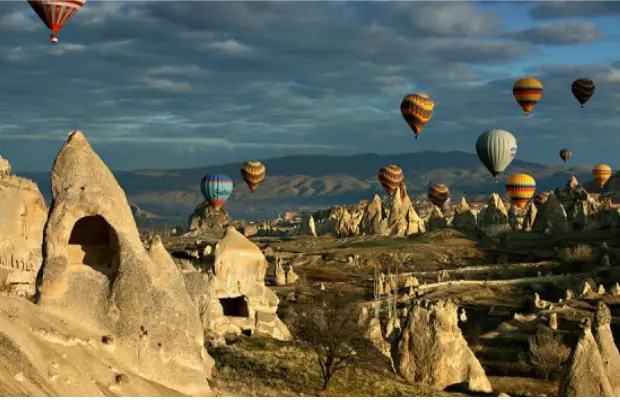
“Castle” is a generous word here: instead of building walls, Cappadocia’s builders carved a natural rock outcrop into a fort. The exact date is unknown. It was in use in Roman and Byzantine times, though, and its links to the region’s underground cities made it a refuge as much as a defense.
It shows how a landscape can be turned into architecture.
9. Maiden’s Castle (Kız Kalesi), Mersin
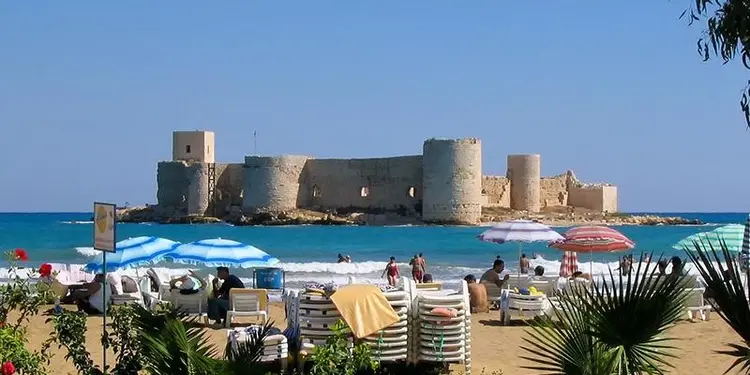
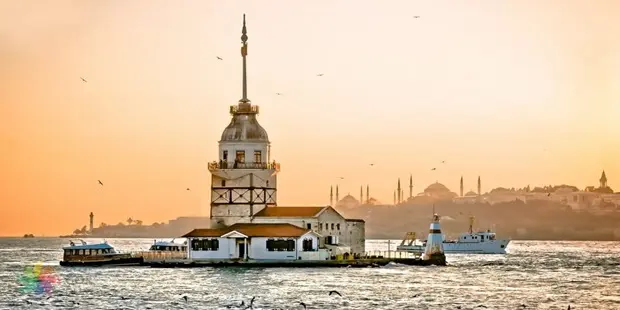
Maiden’s Castle stands on a small islet off Erdemli, about 200 meters from the shore, and dates in its present form to the Byzantine 12th century. Later Seljuks and Ottomans used it. It was built to guard the coast against attack from the sea, and legends that gathered around it made it a cultural landmark as well.
10. Harput Castle, Elazığ
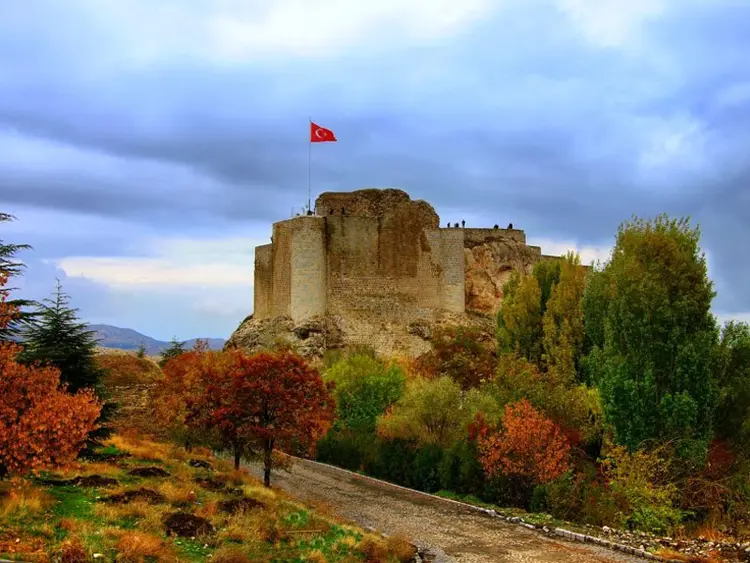
Built on a high rock, Harput Castle has a history reaching back to the 8th century BC and the Urartian kingdom, which places it among the oldest fortifications in eastern Anatolia. Why did Persians, Romans, Byzantines, Artuqids and Ottomans all want it after the Urartians? For a long time it controlled the routes between Mesopotamia and the Anatolian interior.
11. Kastamonu Castle, Kastamonu
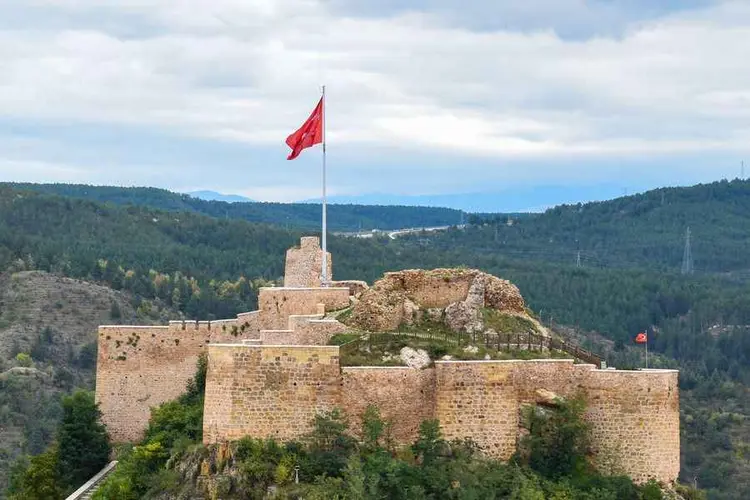
Byzantines are thought to have built Kastamonu Castle in the 12th century. From its hill above the city and its passes, it served the Seljuks, the Candaroğlu principality and the Ottomans in turn, and it gained most in importance under the Candaroğlu, as one of the region’s administrative centers. The surviving walls are textbook medieval Anatolian, no qualifiers needed.
12. Zilkale, Rize
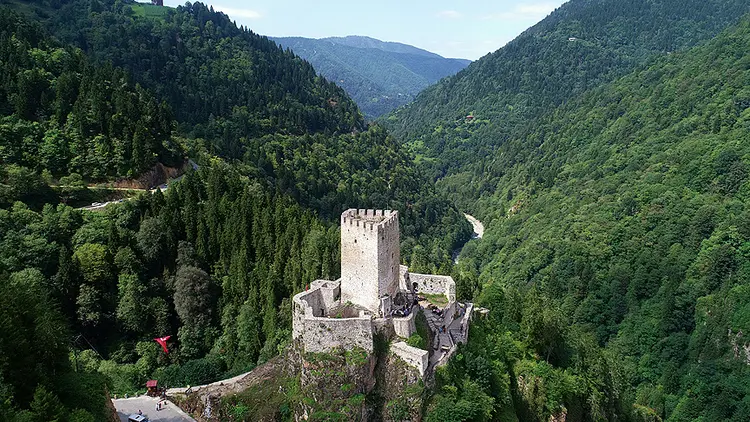
Nobody knows exactly when Zilkale was built, and sources range between the 13th and 15th centuries. It crowns a steep rock above the Fırtına Valley in Çamlıhemşin, at about 1,130 meters, with an inner castle, a middle wall and an outer wall. It protected trade routes on the Black Sea side of the mountains.
Few castles pair history and scenery so well.
13. Marmaris Castle, Muğla
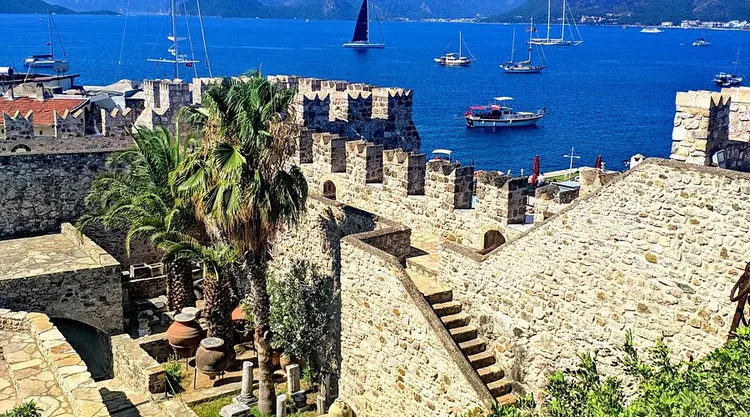
Marmaris Castle has ancient roots, but its present form comes from Suleiman the Magnificent, who rebuilt it before the Rhodes campaign, and from its spot above the harbor it served as a base for the Ottoman navy. Bodrum Castle sits on the other side of that same story: the Knights held it until the campaign took Rhodes. A museum now fills the interior, where military architecture and seafaring history meet.
14. Anatolian Fortress (Anadolu Hisarı), Istanbul
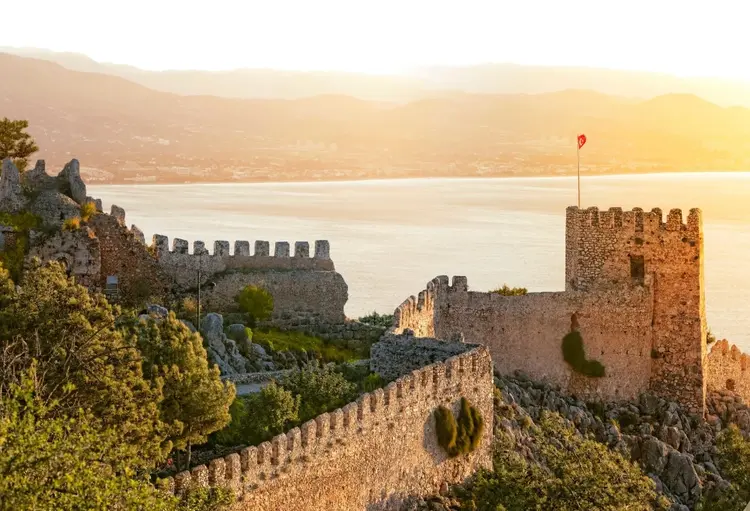
Sultan Bayezid I built Anatolian Fortress in 1395, where the Göksu stream meets the Bosphorus on the Asian side, to watch Black Sea traffic heading for Istanbul and block help for Byzantium. It was the first Ottoman defensive structure on the strait. Rumeli Fortress, the five-month build from item 2, followed 57 years later, directly opposite. From then on the Bosphorus was defended from both banks, and the plain design shows the typical early Ottoman military style.
15. Çeşme Castle, İzmir
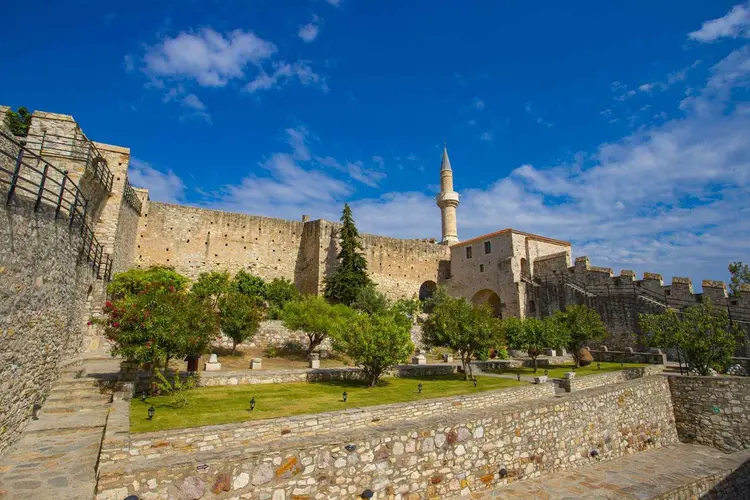
Sultan Bayezid II built Çeşme Castle in 1508 to protect the port from attacks from the Aegean. Rectangular plan, strong walls, corner bastions: a classic Ottoman fortress. The sea battle of Çeşme in 1770 took place just offshore, and today the castle houses a museum and counts as one of the best-preserved along the Aegean coast.
Sources: Wikipedia, Bodrum Castle, Wikipedia, Zilkale, Go Türkiye, Diyarbakır


Bir yanıt yazın