
22 Canyons in Turkey for Hikers, Rafters and History Lovers


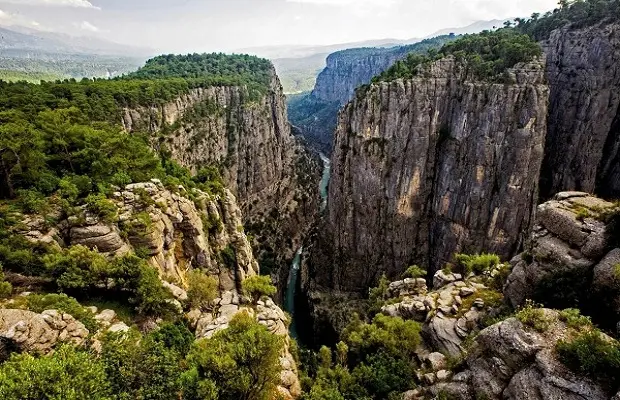
Turkey’s mountains are cut by hundreds of gorges, and the 22 canyons in Turkey below range from a wooden viewing terrace to routes that need ropes and a guide. Among them is the Valla Canyon, which Turkish media routinely call the second-deepest canyon in the world, although that ranking has no independent measurement behind it. Difficulty is flagged where it matters, because several of these are serious.
1. Valla Canyon, Kastamonu: The Deep One
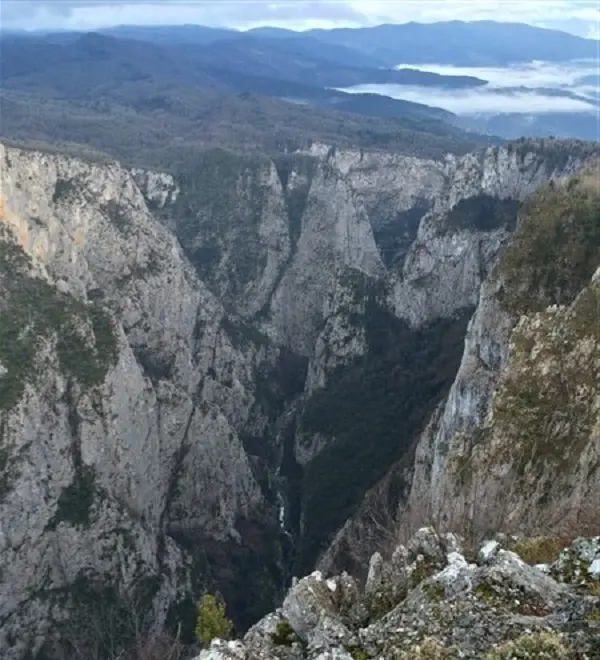
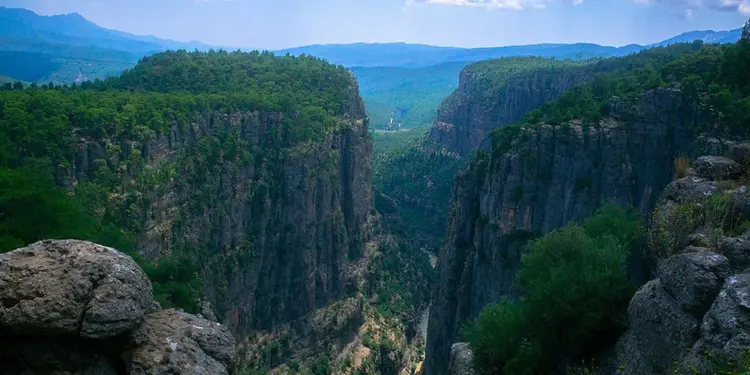
In the Pınarbaşı district, Valla cuts through the Küre Mountains for some 12 km, with walls reported at 800 m and, in places, more than 1,200 m. Hikers have needed rescue here. Even professional teams find it dangerous, which is not a line to skim past.
Treat it as an expert-only route and never go without local specialists.
2. Karacehennem Gorge and Ersizlerdere Canyon, Kastamonu: A Pair
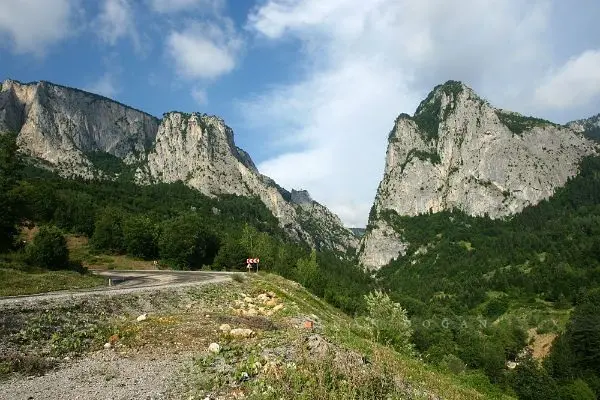
The Karacehennem valley has two parts. Its gorge runs for about 3 km, and right next door the Ersizlerdere Canyon adds a further 2.5 km, so the two together make a compact, rugged outing that suits experienced walkers.
3. Köprülü Canyon, Antalya: Rafting Territory
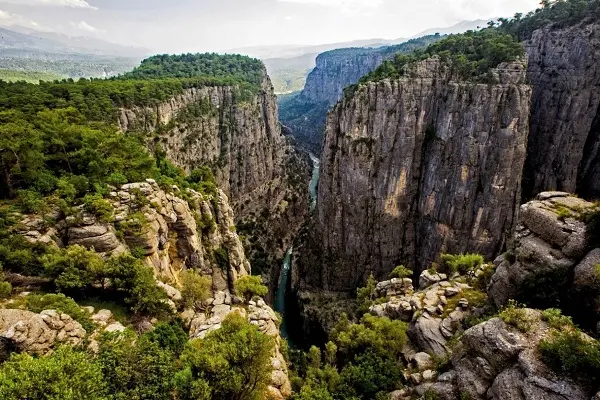
About 92 km northeast of Antalya, this national park follows the Köprü River for around 14 km between walls up to 100 m high. Inside are the ruins of the ancient city of Selge and the Oluk Bridge, an old stone span. Truth is, the river is the real draw. Known as Köprüçay, it keeps changing character, which makes it a favorite for rafting.
4. Saklıkent Canyon, Muğla: Mud, Cold Water and Rafting
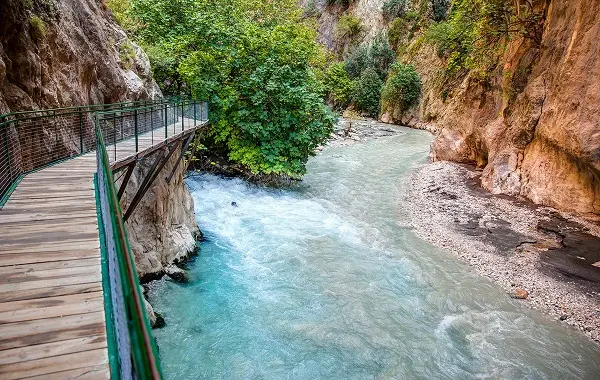
Steep walls, a tough walk through the water, mud baths and rafting bring thousands of visitors every year. Pack water shoes, not sandals.
As one of the best-known gorges in the southwest, Saklıkent is an easy add-on to a coastal holiday.
5. Cehennem Deresi Canyon, Artvin: Almost Vertical

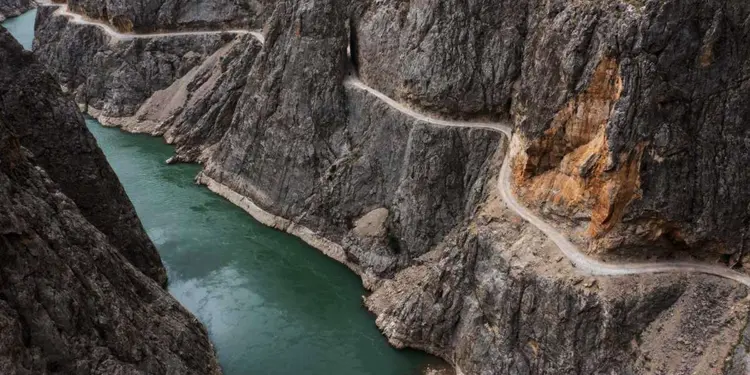
Carved by the Ardanuç stream, a branch of the Çoruh River, the canyon has sides that rise at around 90 degrees to more than 200 m for several kilometers. Its name means “Hell Creek.” The scale is the story here: a wall of rock with a ribbon of water at the bottom.
6. Güver Canyon, Antalya: A Karst Gorge Close to the City
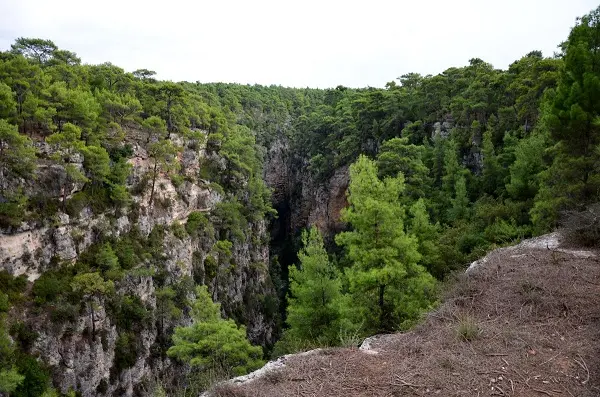
In the Döşemealtı district, this karst canyon is about 2 km long, 20 to 30 m wide and 115 m deep. Travertine rock is common. Viewing terraces make it easy to look in.
Local wildlife includes fallow deer, wild goats, foxes, eagles and falcons, so quiet visitors may see more than scenery.
7. Lamas Canyon, Mersin: Gorge Beside a Castle
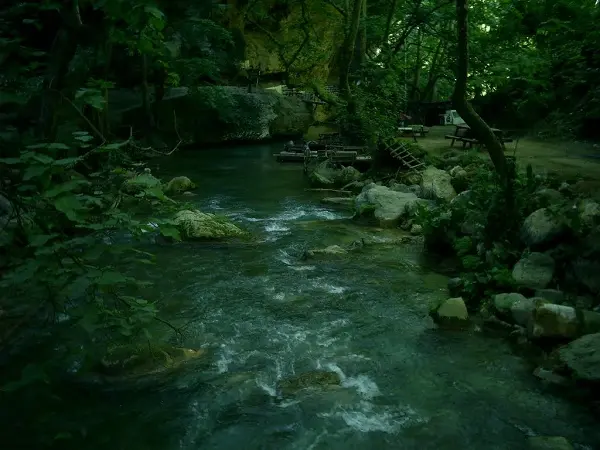
About 13 km from Erdemli and some 35 km west of Mersin, the Lamas, or Limonlu, River flows through deep gorges, and a narrow path beside the bridge, about 2 km north of Limonlu, marks the lower entrance. On a hill above the river stands a medieval castle, Lamos Kalesi. A late Ottoman bridge crosses below.
8. Göksu Canyon, Mersin: Paddlers’ Playground
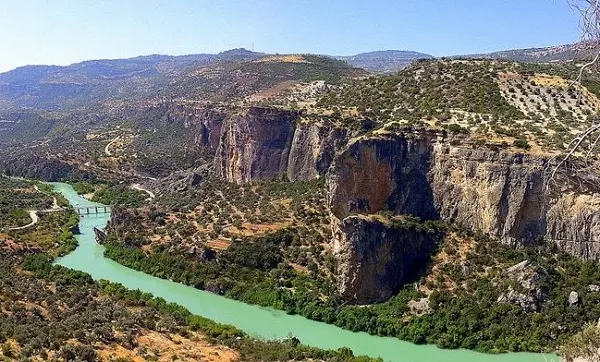
The Göksu River rises in the Central Taurus and, at roughly 260 km, ranks among the country’s longer rivers. Its course is steep. Rafters and canoeists love it.
9. İnceğiz Canyon, Denizli: Only by Boat or Canoe
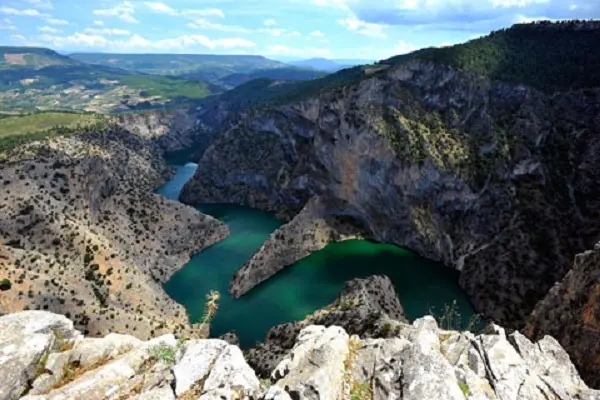
Near İnceğiz village, the gorge is explored from the water, by boat or canoe, rather than on foot. No harness required. That makes it a gentler alternative to the rope-and-harness routes elsewhere on this list.
10. Çatak Canyon, Kastamonu: Easy-Looking, Not Easy
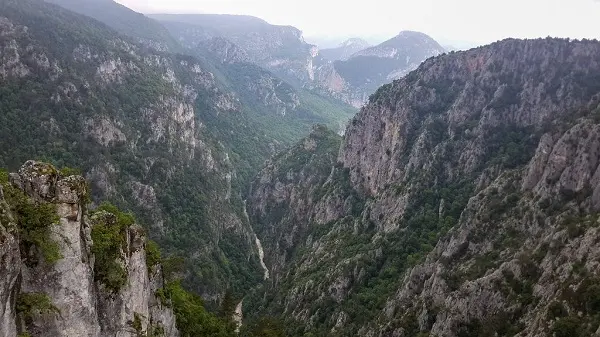
Çatak lies about 7 km from the district center. Crossing it is not especially hard. Trying it without proper equipment is a mistake, full stop, so pack a rope and a helmet or go with a guide who knows the route.
11. Göynük Canyon, Antalya: Zip Line Over the Gorge
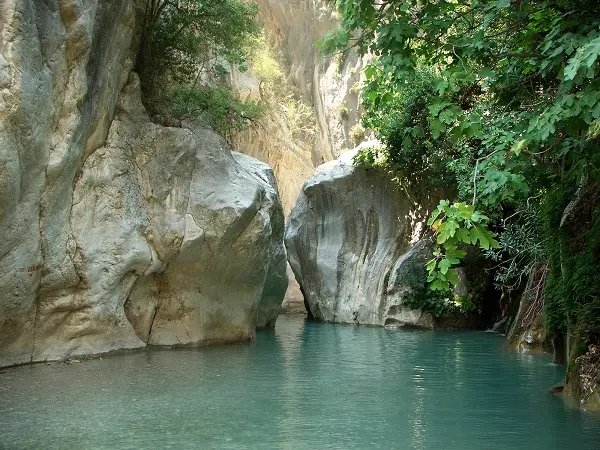
In the Kemer district, Göynük offers trekking, canyoning and a zip line that crosses the canyon. Of all 22 stops, it is the most activity-led. Handy, too, for anyone who prefers a half-day of adrenaline to a long hike.
12. İncesu Canyon, Çorum: Rock Reliefs by the River
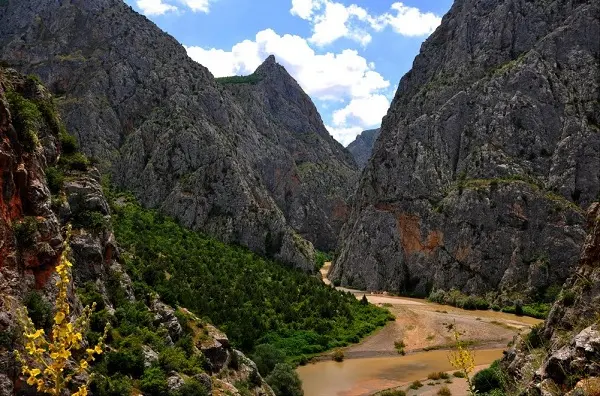
Near İncesu village, the 13 km canyon has one entrance and one exit, with walls of 200 to 300 m on both sides. Rafting or walking? That depends on the season. On the quiet stretch of the Çekerek River, Cybele reliefs are carved into the rock about 1.5 m above the riverbed.
13. Kapuz Canyon, Muğla: The Forty Ropes
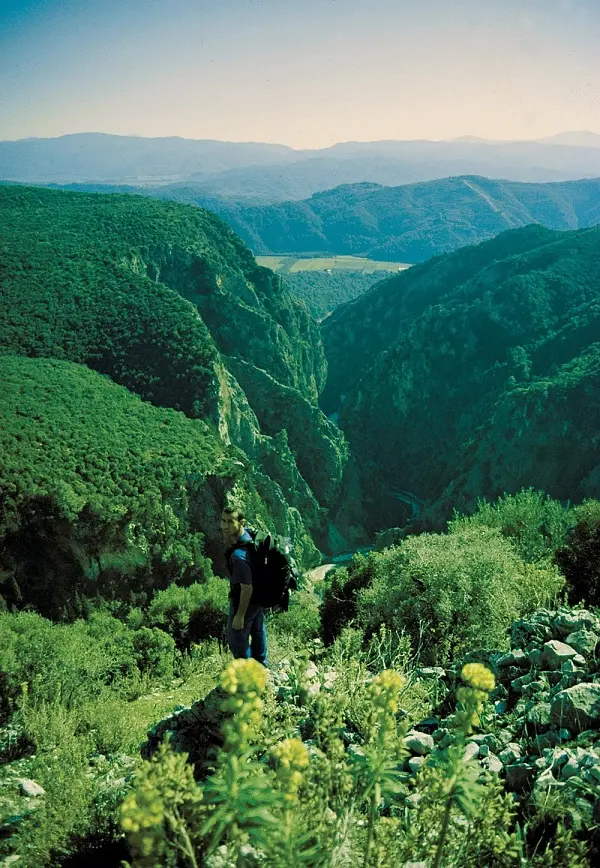
Locals call it Kırkurgan, “forty ropes,” after a story that villagers tied forty ropes together to measure its depth and still could not reach the bottom. It is the kind of story that sounds like exaggeration until the rim comes into view. The narrow, deep canyon runs about 20 km, and crossing it needs technical gear and experience. Go with a guide; this is no place for improvising.
14. Karanlık Canyon, Erzincan: BASE Jumpers’ Corner
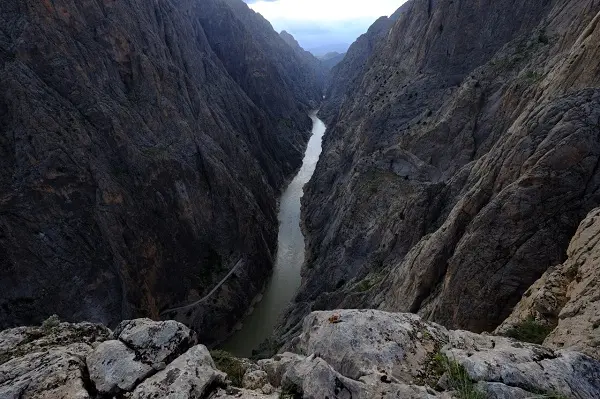
BASE jumpers have been leaping from the walls of the Karanlık, or “Dark,” Canyon since 2009.
That says more about its sheer drops than any description. Spectators need no equipment, though they should keep well back from the edge.
15. Şahinderesi Canyon, Balıkesir: Long and Wild
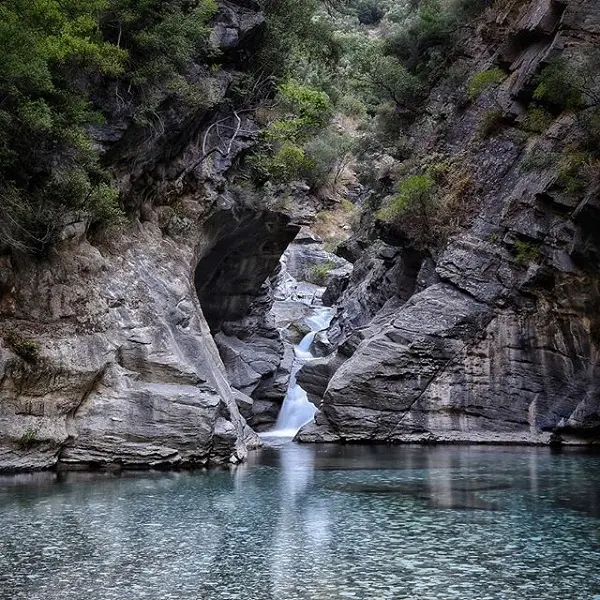
The canyon lies on the western slopes of the Kaz Mountains, and Turkish sources put it at around 27 km, with a steep, rugged profile. It is a route for fit hikers.
16. Ulubey Canyon, Uşak: A Glass Floor Above the Gorge
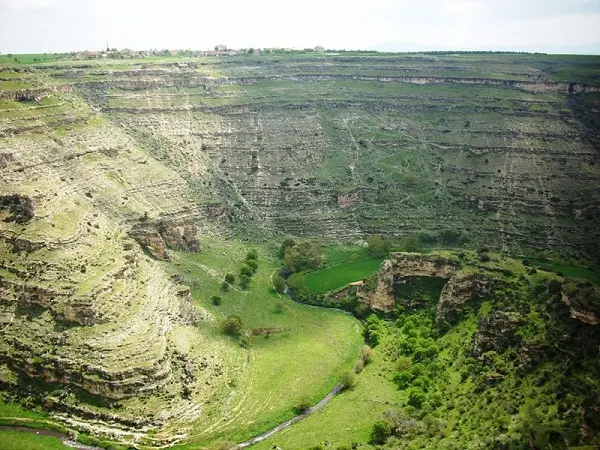
Ulubey is big. Really big. It runs 40 to 45 km and drops 135 to 170 m. In 2015 a ship’s-bow glass terrace opened above it, 131 m over the canyon floor, with a café beside it. The terrace is among the easiest ways on this list to look into a gorge without a harness.
17. Horma Canyon, Kastamonu: A Waterfall and a Beach
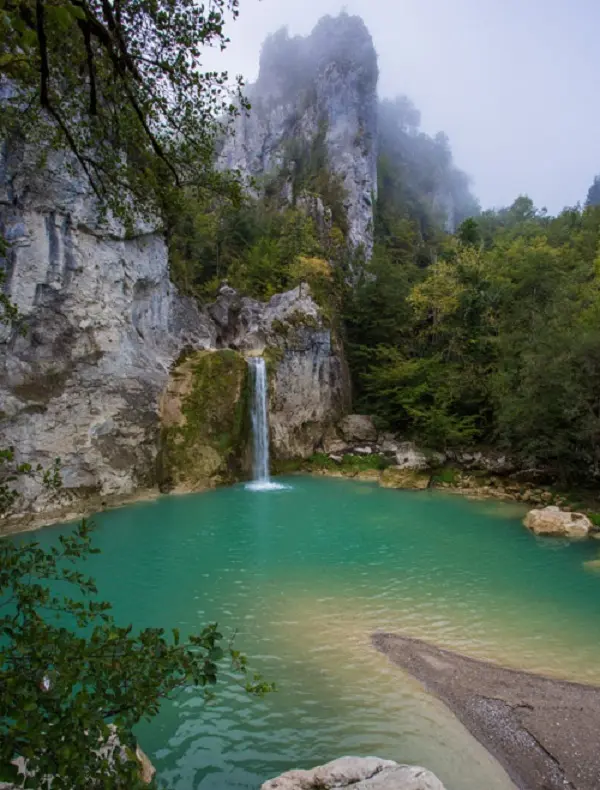
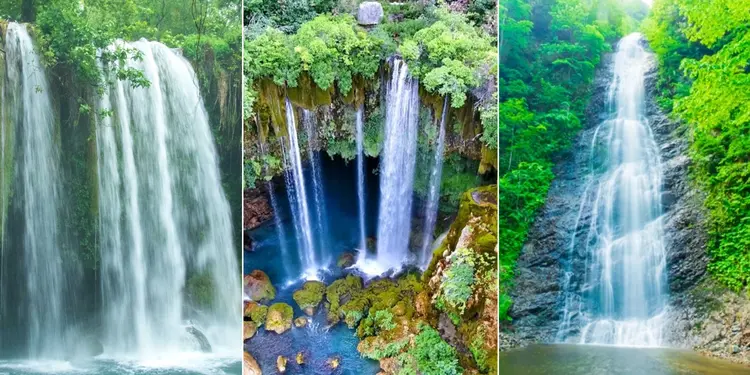
About 5 km from Pınarbaşı, Horma Canyon is traversed by the Zarı stream, which comes out of the Ilıca Waterfall, a drop of about 10 m into a natural pool lined with greenery. The small beach fills up in summer. Crossing the canyon is best done with a local guide.
18. Yazılı Canyon, Isparta: Writing on the Rock
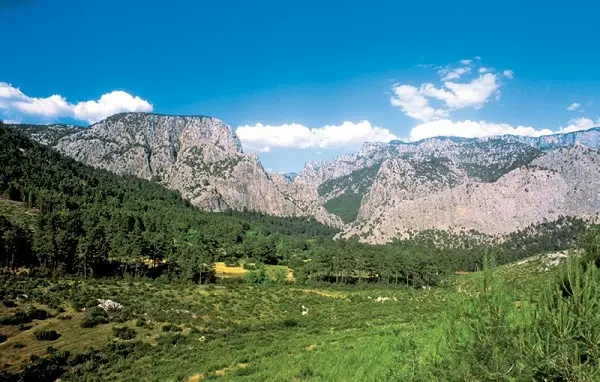
Near Çandır village in the Sütçüler district, Yazılı gets its name, “Written,” from an ancient inscription carved into a rock face inside the canyon. Vandals damaged parts of it years ago. Since 1989 the area has been a nature park, and as of 2015 it drew nearly 70,000 visitors a year. No lodging, though. Plan a day trip.
19. Kirpe Canyon, Düzce: Sixteen Kilometers of Trail
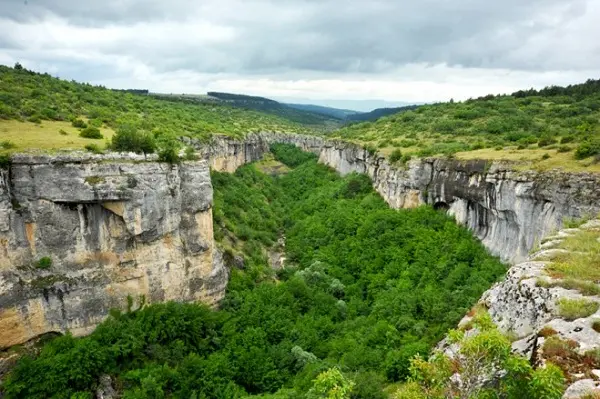
Kirpe, in Düzce, runs for about 16 km. Trekkers use it regularly. Before setting off, check conditions with a local operator.
20. Kapıkaya Canyon, Adana: Carved by the Çakıt

In the Karaisalı district, the Çakıt stream, the western branch of the Seyhan River, has shaped this canyon over time. It is a lesser-known spot, and hard facts about it are thin on the ground.
21. Şehriban Canyon, Kastamonu: Still Mostly a Mystery
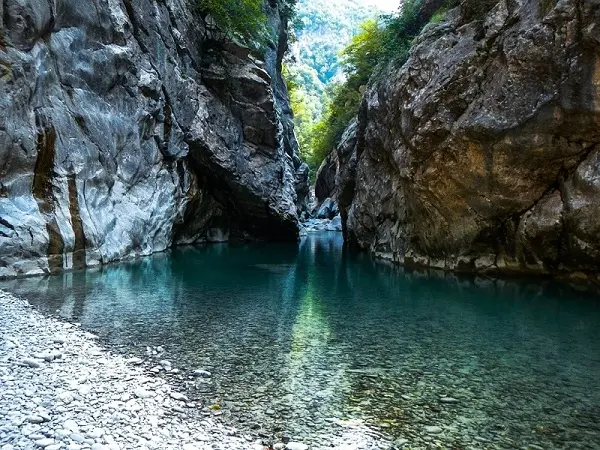
In the Şenpazar district, this canyon was first traversed in 1997 by a team from Atlas magazine. Its walls reportedly reach 1,000 m and in places nearly touch each other. The stream splits the Küre Mountains for a second time here, the same range Valla cuts through, and the canyon has kept more of its mystery than most.
22. Ihlara Valley, Aksaray: The One With Churches
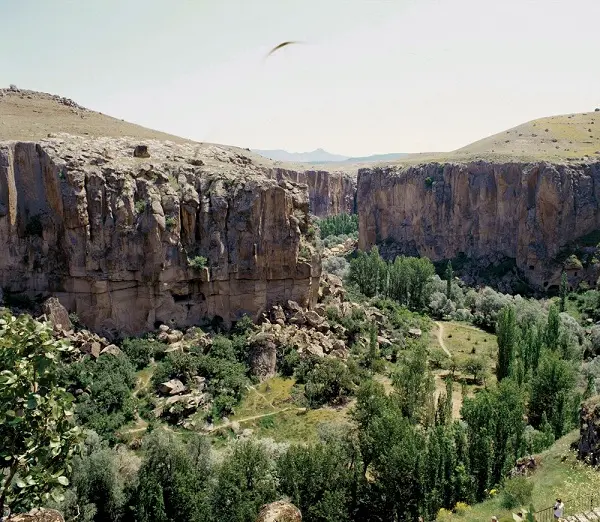
The Melendiz River carved this 14 to 15 km canyon in the Güzelyurt district of Aksaray, through tuff laid down by Mount Hasan’s eruptions. Its walls reach about 150 m. Roughly 50 Christian rock-cut churches line them, along with dwellings and tombs, some reportedly linked by tunnels. It is sometimes described as the world’s largest inhabited canyon, a claim made by locals rather than by any official ranking. A cultural walk, not an adrenaline route, it makes a natural last stop.
Sources: Ihlara Valley (Wikipedia), Köprülü Canyon National Park (Wikipedia), Ulubey Canyon (Wikipedia), Aksaray (Go Türkiye)

Bir yanıt yazın