
5 Turkish Food Tour Routes to Eat Your Way Through


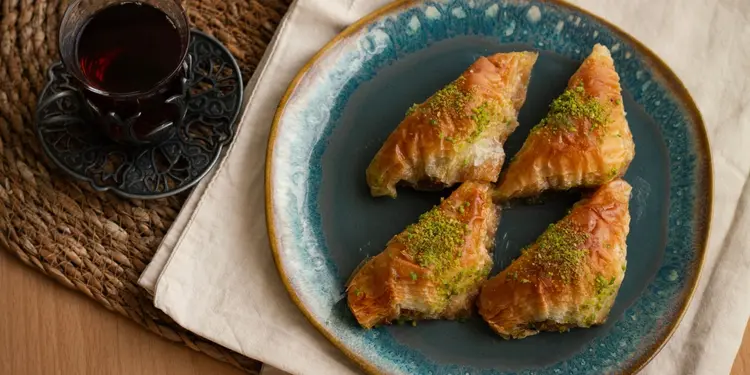
Planning Turkish food tour routes is easy once you know that the cooking changes sharply every few hundred kilometers: spice and pistachio in the southeast, olive oil and wild greens along the Aegean, corn and anchovies on the Black Sea. Türkiye’s cuisine grew out of Ottoman court kitchens and many regional traditions, and these five cities show it at its most distinct. Menus and hours change, so check opening times before you plan a day around one restaurant.
1. Gaziantep
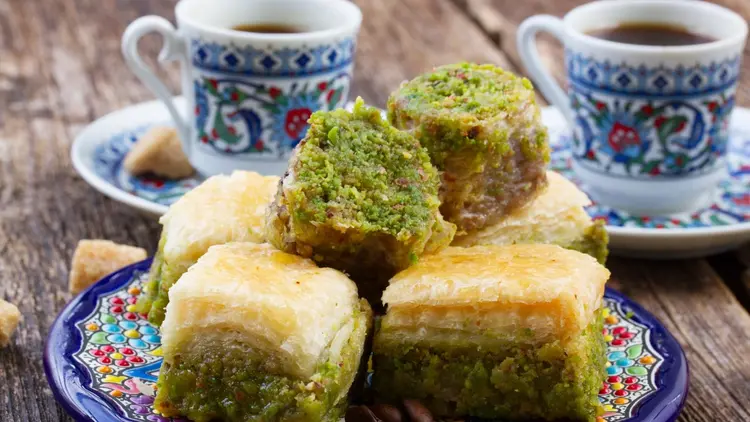
Gaziantep, in southeastern Türkiye, joined the UNESCO Creative Cities Network for gastronomy in 2015, the first Turkish city to do so. Good lamb, local pistachios (Antep fıstığı), spices and long, careful technique carry the cooking. Breakfast here means soup, and no, that is not a typo. Beyran—a rich lamb, rice and garlic soup—is the morning order, and after it come Ali Nazik (smoky grilled eggplant under garlicky yogurt and meat), küşleme (lamb) and simit kebabı, made with fine bulgur.
Save room for dessert; skipping it is not really an option. Order Gaziantep baklava, built from paper-thin pastry and plenty of pistachio, or katmer, a pastry layered with clotted cream and nuts.
2. Hatay
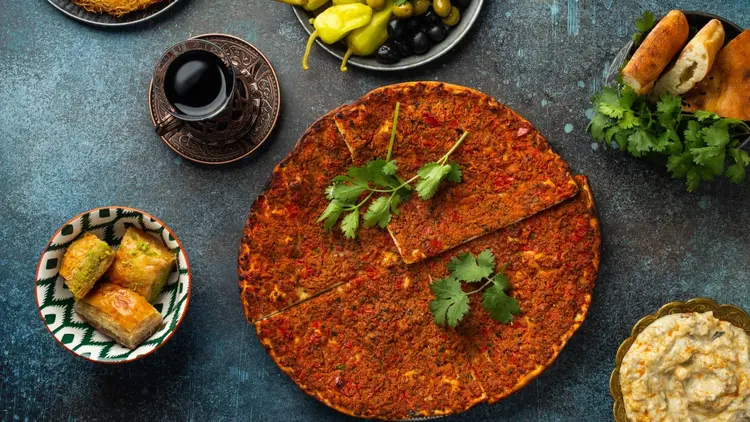
Hatay, on the Mediterranean coast near the Syrian border, joined the same UNESCO network for gastronomy in 2017, and its cooking blends many traditions, with spices, pomegranate molasses, olive oil and fresh herbs giving nearly every recipe a distinct accent. Where Gaziantep leans on lamb and pistachio, Hatay reaches for herbs and pomegranate molasses. Meals usually come as a spread. Look for zahter salad (a thyme-based salad), hummus and biberli ekmek (pepper bread), plus kağıt kebabı (paper kebab) and tepsi kebabı, baked with vegetables on a tray. Oruk, a bulgur dumpling with a different filling from classic içli köfte, and künefe made with unsalted Antakya cheese round out the list.
Antakya is still rebuilding, and there is no simple answer to which old favorites are back. Since the 2023 earthquakes its historic center has been under reconstruction, and the Antakya Gastronomy Market, opened in September 2024, brings local restaurants together in one place.
3. Istanbul

Istanbul was the capital of empires for centuries, and its food shows it. Surprisingly, it is not one of UNESCO’s gastronomy cities. It hardly needs the label.
Ottoman palace dishes sit next to regional cooking from every corner of Türkiye, and restaurants serving Italian, Japanese, Mexican and Middle Eastern food add more range—yet a classic day still starts with a crisp simit and tea facing the Bosphorus. Lunch: traditional Turkish home cooking. Dinner is wide open. Street food, modern Turkish tasting menus, historic pastry shops and regional kebab houses all qualify. For most first-timers, the hard part is not finding a good meal but deciding what to skip.
4. İzmir
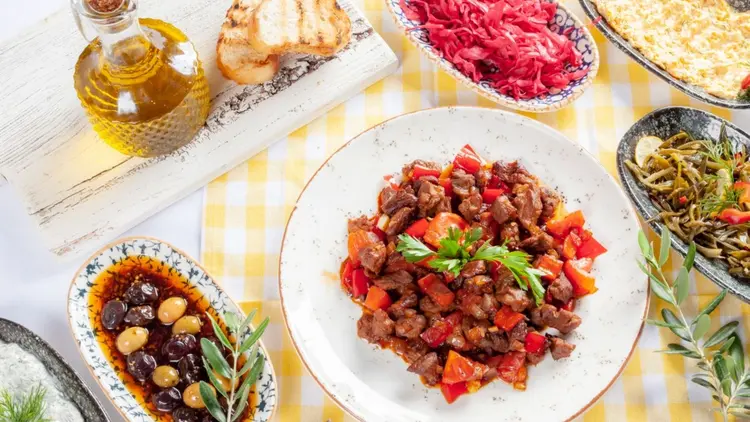
İzmir’s cooking is the Aegean at its most colorful: light olive-oil dishes, wild greens picked by season, artichokes and fresh seafood. Olive oil again, as in Hatay, only lighter and greener. One meal, two options: a plate of vegetables cooked in olive oil, or a fresh fish with dozens of meze. Local snacks: boyoz, a baked pastry and the classic İzmir breakfast; gevrek, the city’s cousin of simit; bomba (fried, chocolate-filled); kumru, a toasted sandwich; and lokma, fried dough soaked in syrup. Want to dig deeper? Seek out Aegean greens such as şevketi bostan, cibez and radika, along with samphire (deniz börülcesi) and stuffed zucchini flowers. Honestly, location matters as much as the menu. Kemeraltı, the old market quarter, is the place for traditional neighborhood restaurants, while Urla and Çeşme offer modern, upscale takes on the same ingredients.
5. Trabzon
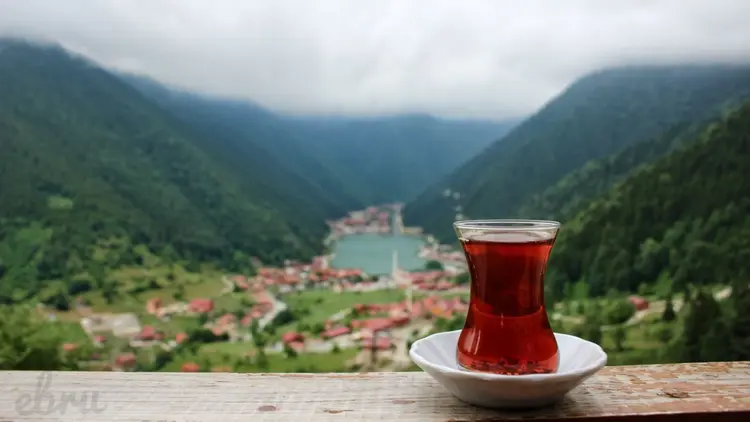
Trabzon is where Black Sea cooking turns hearty. Wild greens gathered from the mountains, cornmeal, regional cheeses, butter and fresh fish form the base.
Breakfast means kuymak. The cornmeal and cheese dish stretches into long, melting strings. Order Trabzon pide with a crisp edge, and Akçaabat köfte, a grilled meatball and one of the city’s classics. Anchovy (hamsi) shows up in so many forms that it borders on a local obsession, from hamsi pilav to anchovy soup, and the local repertoire goes further still: karalahana (black cabbage) soup and rolls, nettle soup and pazılı kaygana, a Swiss chard and cornmeal skillet dish. Dessert stays regional. Try Hamsiköy rice pudding and Laz böreği, a layered custard pastry.
Sources: Go Türkiye, UNESCO Gastronomy Cities, Hürriyet Daily News, Hatay’s cuisine kept alive in local markets, UNESCO, Gaziantep Creative City of Gastronomy














Bir yanıt yazın