
Gozo Island Malta: 11 Things to Know Before You Go


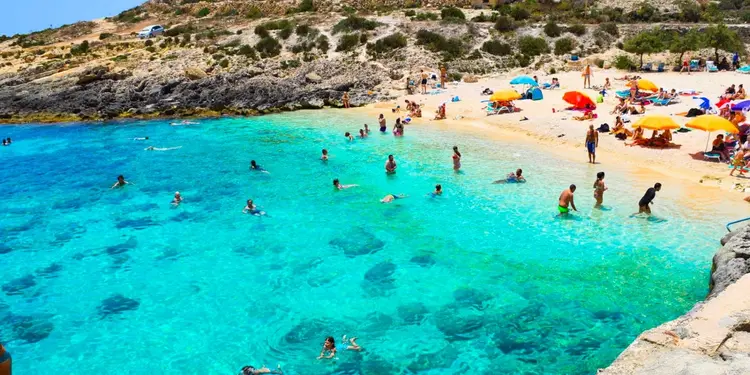
Gozo island Malta is the smaller, calmer sibling of the main island. At about 67 square kilometers, it’s the second largest island of the Maltese archipelago, a Mediterranean escape of turquoise coves, prehistoric temples and slow-moving villages that holds more to see than its size suggests. Spring and fall work as well as summer, part of why it keeps climbing travel wish lists.
1. How to get to Gozo
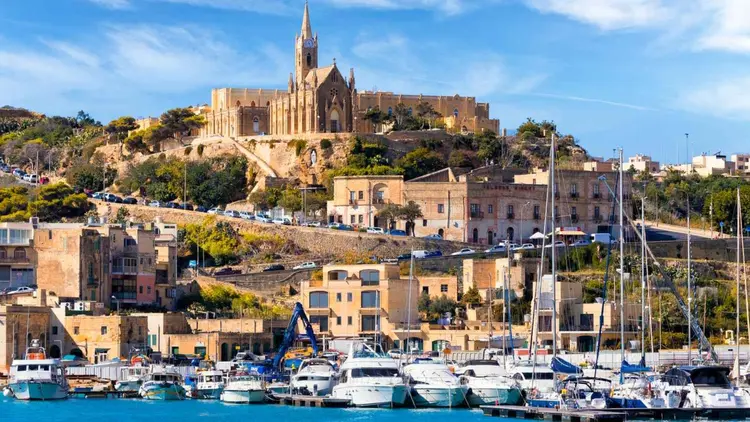
Most visitors fly into Malta first. From there, the standard route is the ferry from Ċirkewwa to Mġarr, Gozo’s main port, a crossing of about 25 minutes, while a fast ferry links Valletta and Mġarr in roughly 45 minutes. Buses cover the island. Many people rent a car anyway, for more freedom. Distances are short, so a single day can fit a couple of villages, a historic site and a beach.
2. Victoria and the Cittadella
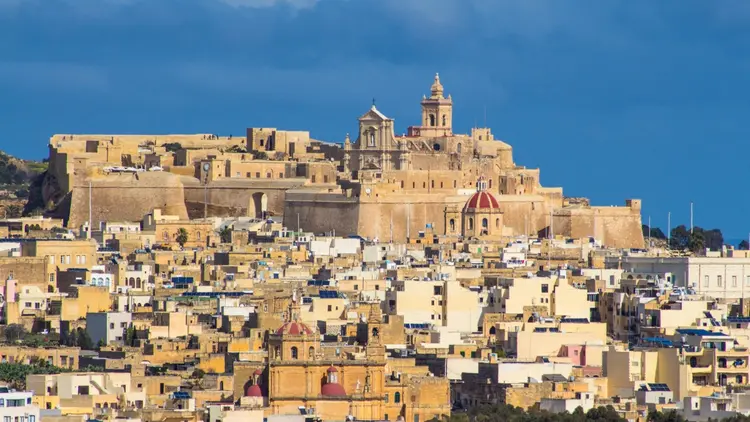
Gozo’s capital, Victoria, is still called Rabat by many locals. It’s usually the first stop. At its heart sits the Cittadella, a walled citadel with a long history and some of the best views on the island, where narrow stone lanes wind past a cathedral, small museums and lookout points. Time your day around the sunset from the ramparts. It’s worth it.
Below the walls, the town fills with cafes, restaurants and boutique shops, which makes it a pleasant place to watch an evening unfold.
3. Ġgantija, the temples older than the pyramids
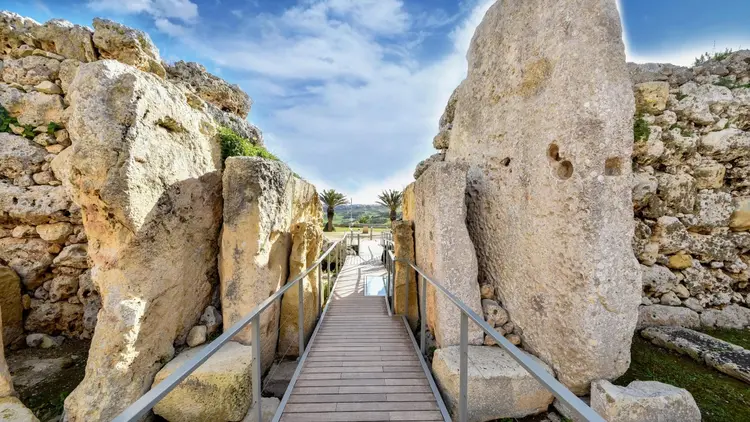
The Ġgantija temples in Xagħra are part of the Megalithic Temples of Malta, a UNESCO World Heritage Site inscribed in 1980, and date back to around 3600 BC. That’s more than 5,500 years—older than Egypt’s pyramids. How did builders move the huge stones? Nobody knows. Local folklore credits a giantess named Sansuna, which fits the name: Ġgantija means “place of giants” in Maltese. Heritage Malta runs the site, so check its page for current hours and ticket prices.
4. Ramla Bay, the red-gold beach
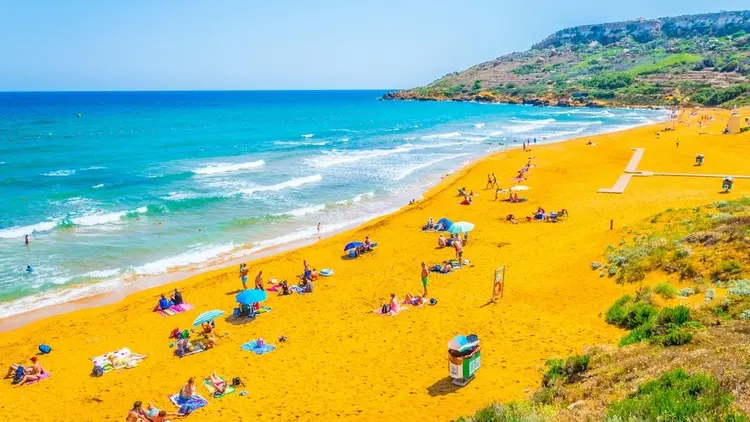
Ramla Bay is a sandy beach near Xagħra, known locally as the red beach for its golden-orange sand. The water is clear. The calm setting suits families. Up on the cliff above sits Calypso’s Cave, which local tradition ties to the nymph Calypso of Homer’s Odyssey, and whether or not that story holds up, the view makes the legend easy to believe.
5. Dwejra and the Inland Sea
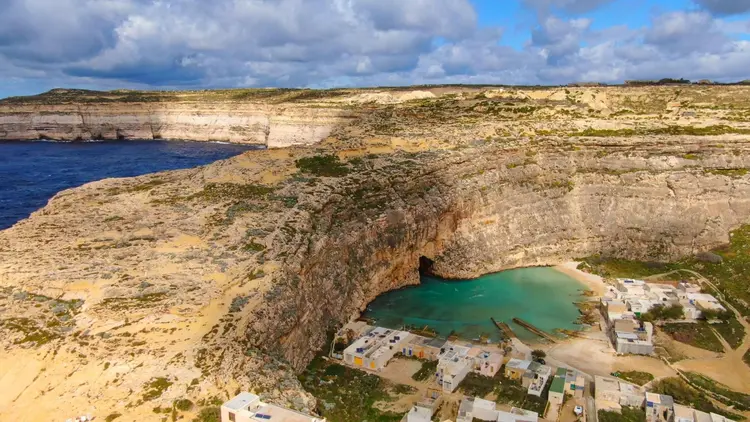
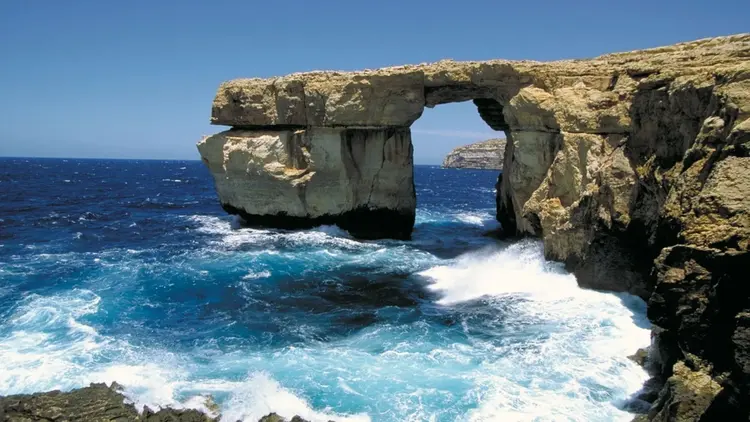
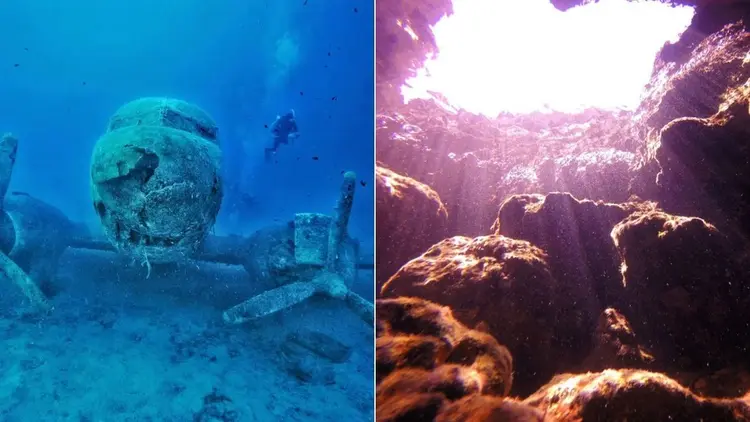
Dwejra is one of Gozo’s best-known stretches of coast. Jagged rock, sea-carved formations, big sunsets. Plenty of older photos still sell the Azure Window as the main event, but it’s gone: the natural limestone arch that once symbolized the island collapsed on March 8, 2017. Since then, divers have taken over. Nearby lies the Inland Sea, a small lagoon linked to the open Mediterranean by a narrow tunnel through the rock; boats take visitors through it, and the whole area is regarded as some of the best diving in Europe.
6. Wied il-Għasri, a hidden cove
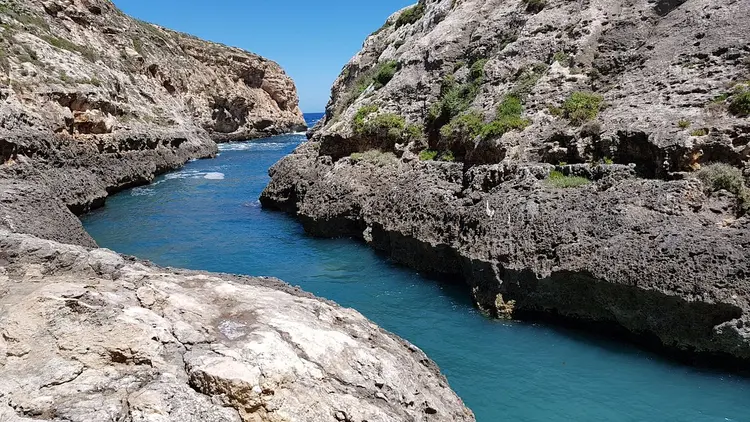
Wied il-Għasri is a slim inlet wedged between tall cliffs. It’s popular with crowd-dodging swimmers. Getting in means climbing down stone steps. Consider it the entry fee. The reward is clear water and an almost total hush—and if you show up early in the morning, the cove can feel like a private film set.
7. The Xwejni salt pans
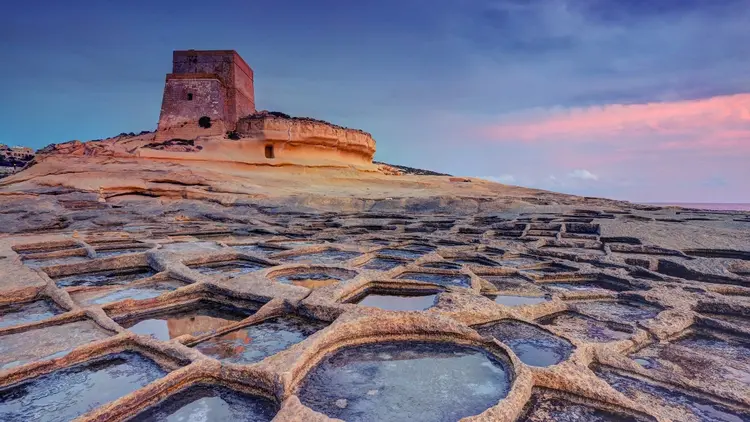
Along Xwejni Bay on the north coast, hundreds of rectangular pans cut into the limestone look like a giant chessboard from above, a pattern rooted in salt-making by evaporation that goes back to Phoenician and Roman times on Gozo. A few local families still harvest sea salt here. Their methods are traditional. Photographers: aim for sunrise or sunset.
Leave the swimsuit in the bag for this one—it’s a place for walking and looking, not swimming.
8. The charm of the small villages
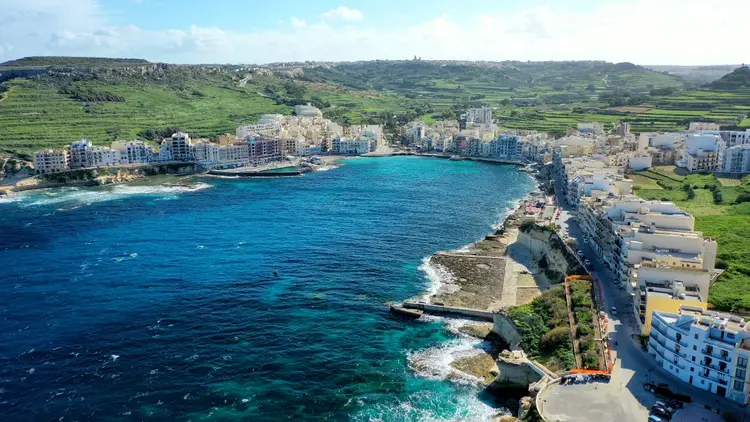
Truth is, life moves at a gentler pace than on the main island. Each village has its own tone. Għasri is one of the island’s smallest, with 518 residents at the 2021 census, stone houses and green hillsides, and nearby the Ta’ Ġurdan Lighthouse gives a 360-degree view. Where Għasri counts its people in the hundreds, Marsalforn is the lively one: a seaside town of waterfront restaurants, evening strolls and good seafood. Xlendi has a small cove and rocky cliffs, and couples tend to favor it at sunset.
9. What to eat on Gozo

Start with Gozitan ftira. It’s a bread-dough dish baked with its filling: usually potato, tomato, olives and capers, plus tuna or anchovies, and often local cheese. Then ġbejna (plural ġbejniet), Gozo’s small cheeselets, made from sheep’s or goat’s milk and sold fresh, dried or rolled in pepper, and seafood is the other big draw, served as fresh fish at small family-run restaurants. And the prices? Gentler than at many popular European resorts.
10. When to go
The Maltese islands are commonly credited with around 300 sunny days a year. Hard to audit, easy to believe.
Summer is peak beach season. Crowds peak too. July and August are the busiest, so for a calmer visit, May, June, September and October all work well, and in spring the whole island turns green, which makes it perfect for hiking.
11. A quiet corner of the Mediterranean
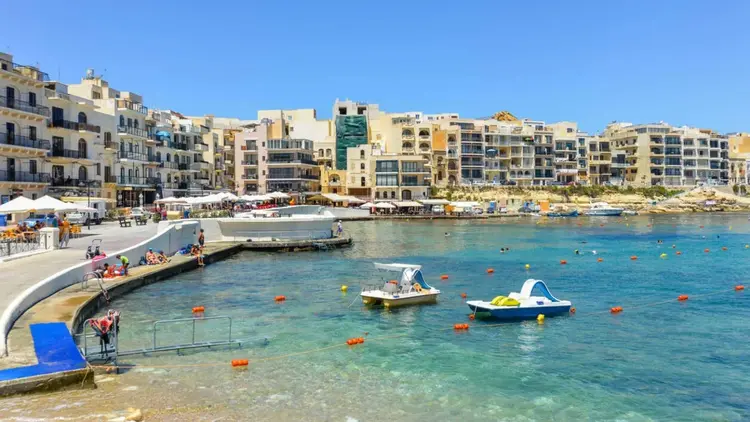
Gozo may not be the Mediterranean’s flashiest island. That’s exactly the pitch. Instead of mega-resorts, endless nightclubs or packed beaches, it offers quiet villages, ancient ruins, big views and an unhurried rhythm, so one day goes to temples older than the pyramids, the next to a hidden cove, the evening to a stone square and a plate of local food.
Anyone after a Mediterranean island with real character should keep Gozo high on the list.
Sources: Heritage Malta, Ġgantija Temples, Visit Gozo, The Saltpans of Xwejni, Wikipedia, Gozo


Bir yanıt yazın