
9 Slow Cities in Turkey Where Life Moves Gently


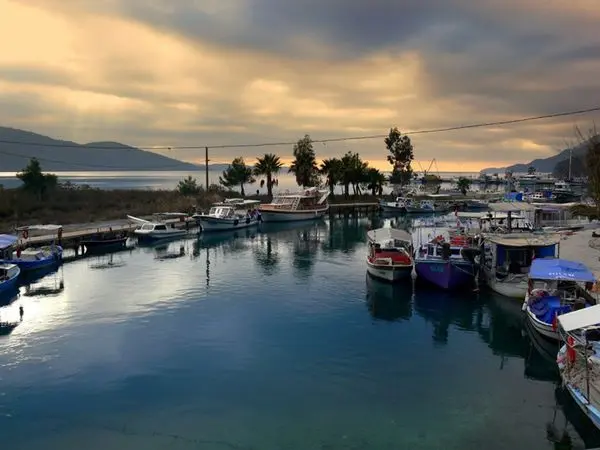
Slow cities in Turkey belong to Cittaslow, a network that began in Italy in 1999 and now counts around 300 member towns worldwide, 29 of them in Türkiye. Being small isn’t enough, though: a town has to stay under 50,000 residents and meet dozens of criteria on traffic, noise, local food, restoration of old buildings and crafts. These nine towns show what that looks like on the ground.
1. Akyaka, Muğla

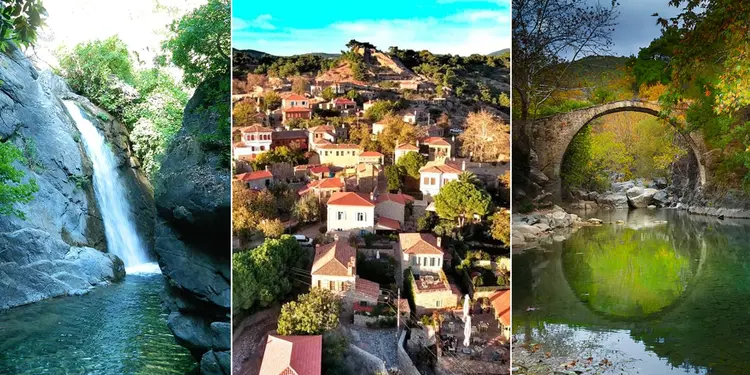
Akyaka is a small Aegean town where carved wooden houses stand among well-kept gardens and a warm sea breeze blows most days. Its best-known spot is Kadın Azmağı, a spring-fed stream so clear it looks like a natural aquarium, with otters, eels and, in the wider area, flamingos and storks.
The pace here is slow by design. Traffic and noise stay low, which is rather the point.
2. Gökçeada, Çanakkale

Gökçeada, formerly known as İmroz, is Türkiye’s westernmost point and largest island. It has a dam, plenty of natural springs and clean water, plus Greek-style stone houses and a reputation for organic produce, and visitors come for two things: the quiet and outdoor sports.
Its real claim to fame came in June 2011. Joining Cittaslow that month made it the world’s first slow island.
3. Taraklı, Sakarya

Taraklı sits in a green valley in southeastern Sakarya Province. Local craftsmen once made wooden combs (tarak) here. Hence the name, about as literal as town names get. Many civilizations have passed through since Hellenistic times, yet it’s the Ottoman streets that remain, with bay-windowed wooden houses, many of them over a century old, lining the Göynük Creek and cobblestone lanes winding between them.
4. Yenipazar, Aydın

Yenipazar, the smallest district in Aydın Province by both area and population, got its name (“New Market”) because it long served as a trading hub. The area has deep roots: the ancient city of Orthosia lies nearby, and Byzantine structures and Carian settlements survive almost untouched. Local seed varieties keep a vegetable-growing tradition alive. Getting there is easy. The town sits only 8 km off the İzmir-Denizli highway, and a plate of its pide (a boat-shaped flatbread with toppings) is worth the detour. Detours like this tend to start as a lunch stop and stretch well into the afternoon.
5. Seferihisar, İzmir

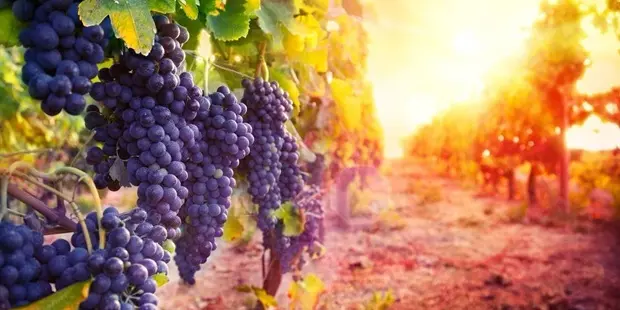
Seferihisar became Türkiye’s first Cittaslow in 2009. It’s still the best-known. Tangerine groves, olive trees, vineyards and artichoke fields cover the district near İzmir, and several farmers’ markets run each week, some of them organic. One goes further, and its rule is blunt. The market inside Sığacık Castle admits only produce grown by local farmers and food made by women from the old town. Seed-saving matters here too: native seeds multiplied at the Can Yücel Seed Center are handed to farmers and swapped at an annual seed festival.
6. Yalvaç, Isparta
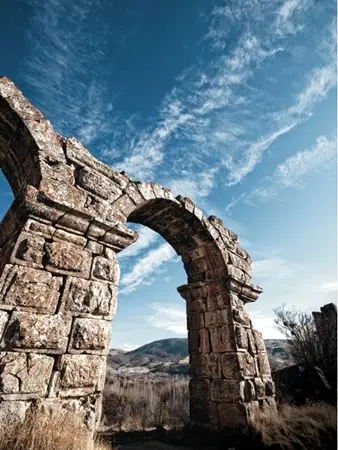
Yalvaç lies at the foot of the Sultan Mountains in Isparta Province, with a history stretching back thousands of years. Old crafts survive here. Leatherwork, felt-making, blacksmithing and carpet weaving, all fading elsewhere, are still practiced in town. Add neighborhood bakeries and home-style cooking to the mix, and a day spent wandering Yalvaç can feel like walking through several eras at once.
7. Vize, Kırklareli

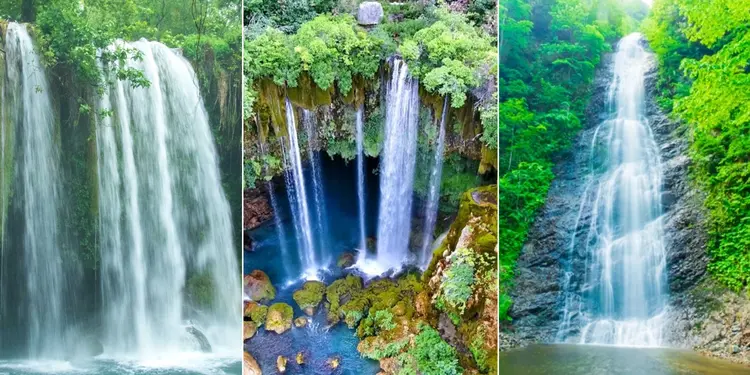
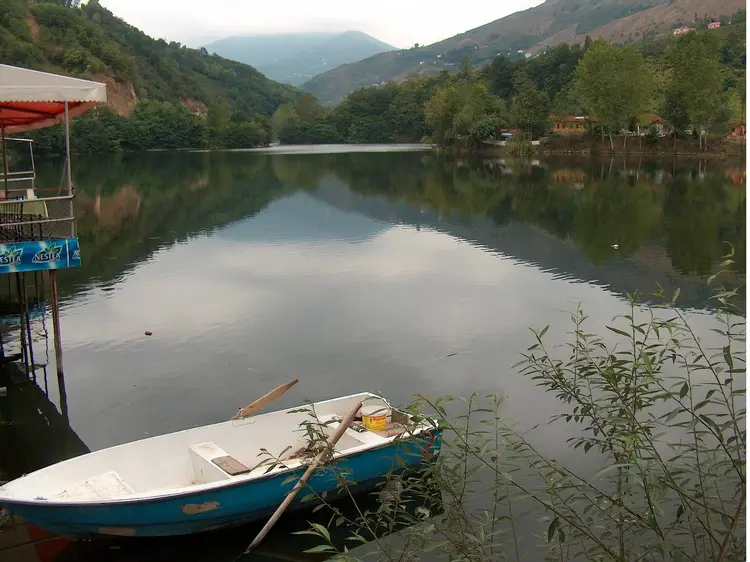
Vize is only about 90 minutes from Istanbul, yet it remains off the usual tourist track, even though forests, waterfalls, lakes and a Black Sea coast all sit within its district.
It has been an administrative and cultural center since Byzantine times. Today? Quiet, small and easy to walk.
8. Perşembe, Ordu

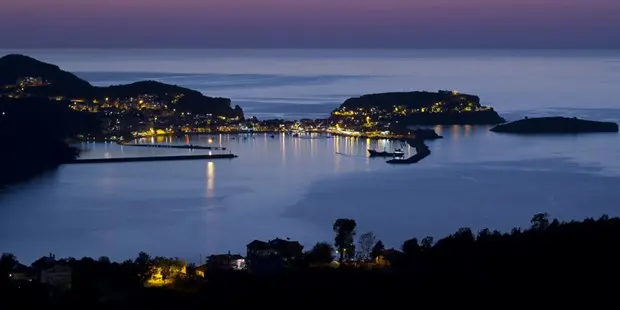
Perşembe, in Ordu Province on the Black Sea, is wrapped in every shade of green and known for its farming. And its fishing. Turbot, red mullet, bonito, mullet, whiting and several other species swim off its coast. Still, the main draw is the shoreline: the bay and beaches here are among the least developed on the Black Sea coast. Akyaka pulls people in with a spring-fed stream; Perşembe does it with open shoreline.
9. Halfeti, Şanlıurfa

Halfeti is a small, quiet town on the Euphrates in Şanlıurfa Province, where the Birecik Dam flooded part of the old town around 2000. Cut-stone buildings dominate the streets. Half-submerged ruins give the riverside a haunting edge. The town is also known for its bird-house architecture, a tradition said to date to the 16th century, with dozens of bird windows built so that birds can nest and shelter in winter. For most visitors, though, Halfeti means one thing: its dark crimson “black roses.”
Sources: Euronews, Türkiye’s 29 Cittaslow cities, Go Türkiye, Cittaslow in Türkiye, Cittaslow International, Türkiye member towns

Bir yanıt yazın