
Rayiha Spice Museum Gaziantep: 6 Things to Know


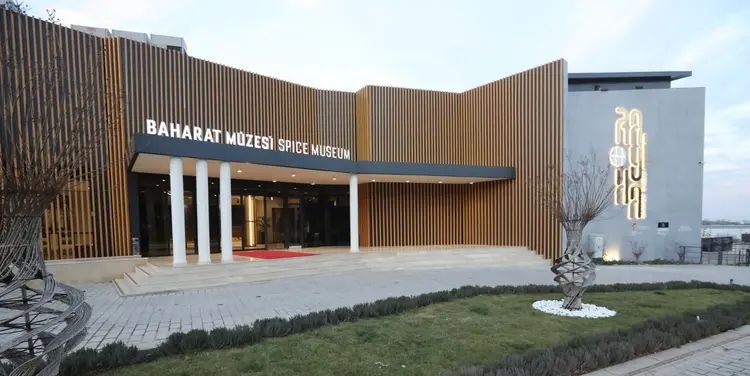
The Rayiha Spice Museum in Gaziantep, in southeastern Türkiye, has little in common with a hushed gallery of glass cases. Under one roof: a spice collection, a working lab, scent stations, a restaurant and a boutique hotel. For anyone curious about why Gaziantep has been a UNESCO Creative City of Gastronomy since 2015, it is a fine place to start.
1. A three-part museum, not just a display case
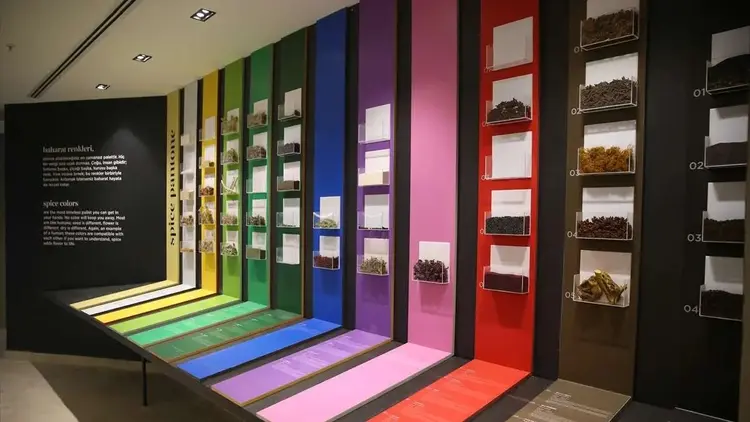
The headcount alone is hard to pin down: the ground-floor exhibition shows roughly 130 to 150 spice varieties (the museum’s operator lists 132, press reports say 150, and the lineup rotates with the seasons). Each gets notes on history, uses and aroma.
Look beyond the jars, too. Old aktar (traditional herbalist-spice shop) objects, grinders, storage vessels and trade artifacts make the case that spices were once as much about commerce as cooking.
2. The lab upstairs that makes it more than a tourist stop
The second section is a working laboratory where food engineers and academics study the makeup of spices, analyze their aromas and work on extracts, so the building runs as a research site as well as a visitor attraction. That’s rare. Few spice museums anywhere let a visitor watch the line between heritage display and food science blur this closely.
3. Spices come with a backstory
Forget a plain list of names. The museum traces where each spice came from, how it traveled and why it was once worth its weight in trade. Gaziantep’s spot on the old Silk Road and spice routes anchors much of the story, with sections on caravan trade, goods arriving from the Far East and Ottoman-era aktar culture.
Medicine features too: some exhibits cover spices once used as remedies, plus a few that vanished from the kitchen altogether, such as silphium, an extinct plant the ancient world prized.
4. Scent stations let you smell the collection
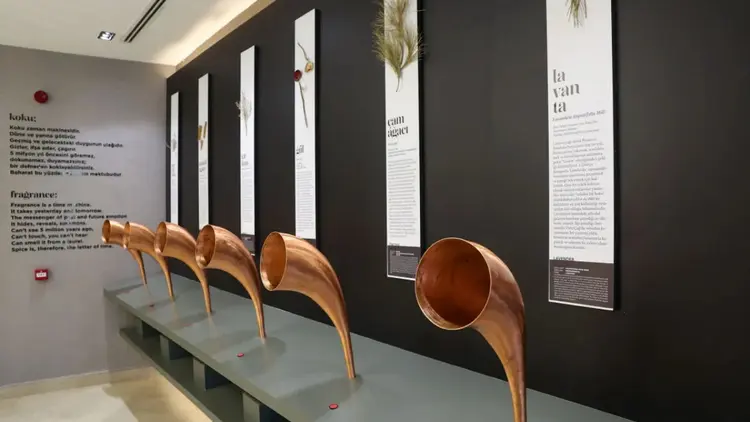
Museums usually mean look, don’t touch, but here looking is only half the point. Specially designed scent stations let you smell the spices up close: familiar cinnamon, allspice, clove and cumin, then sumac, zahter (a wild thyme-like Anatolian herb mix) and lesser-known aromatic plants from across Anatolia. A short note beside each one explains which dishes, eras or cultures it belongs to. Some panels also cover traditional medicine and the old belief that certain scents could drive off bad luck—often where visitors linger longest.
5. Tastings on the top floor
Up top sits a restaurant. Its tasting plates are built around spice extracts, and while some recipes lean on modern touches that push the aromas to the front, others stay close to traditional Gaziantep cooking.
Why end a spice museum with a restaurant? It turns the visit from a lesson into a meal, with the flavors from downstairs landing on an actual plate.
6. Fourteen themed rooms, each with its own scent
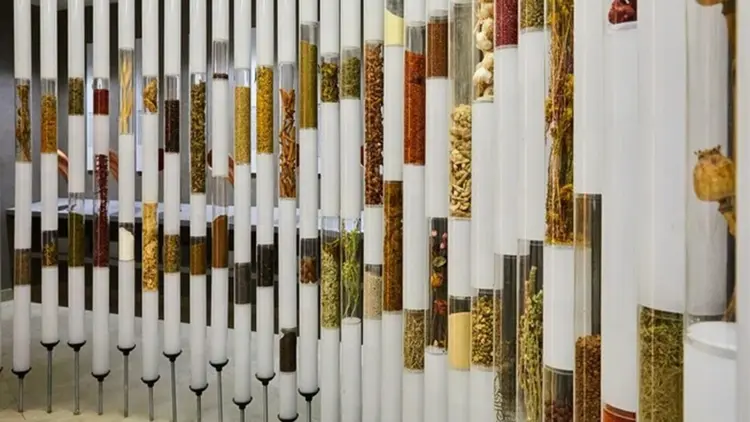
The building also has 14 hotel rooms. Each is named after a spice or aromatic plant such as lavender or chamomile and has its own colors and fragrance, the idea being to show how strongly smell ties to memory, with the room doing the persuading rather than a wall label—the scent stations’ trick, stretched to a night’s stay. The rooms were designed with visiting researchers in mind, which is why the museum is sometimes called a “living museum.”
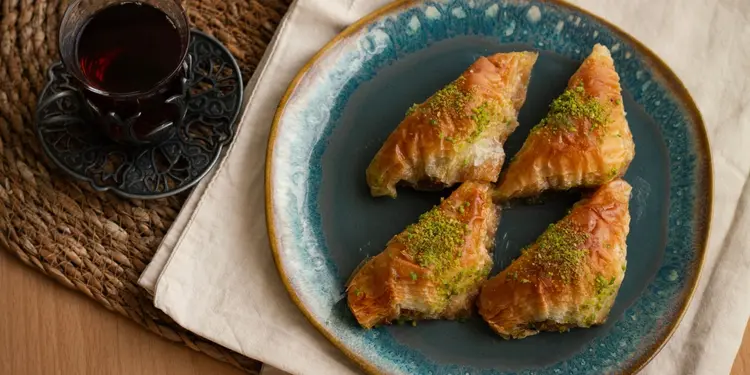
Most travelers arrive in Gaziantep thinking of baklava and kebab, which is fair enough. Still, this museum points at what makes that food taste the way it does: the balance and variety of its spices.
Before you go, check the museum’s current opening hours and any room-booking details, since neither is published on the operator’s page.
Sources: GBB Tesis İşletmeciliği, Rayiha Spice Museum (operator page), Daily Sabah, Visitors get taste of history in Türkiye’s Gaziantep with spice museum, UNESCO Creative Cities Network, Gaziantep

















Bir yanıt yazın