
6 Places in Turkey National Geographic Says to See


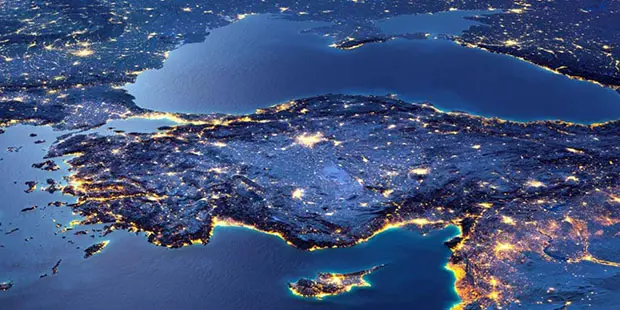
Founded in 1888, National Geographic has put six places in Türkiye into its “places to see before you die” travel book, and the picks run from a 6th-century cathedral-turned-mosque to a 12,000-year-old hilltop sanctuary. The spread is wide, to put it mildly.
1. Hagia Sophia, Istanbul

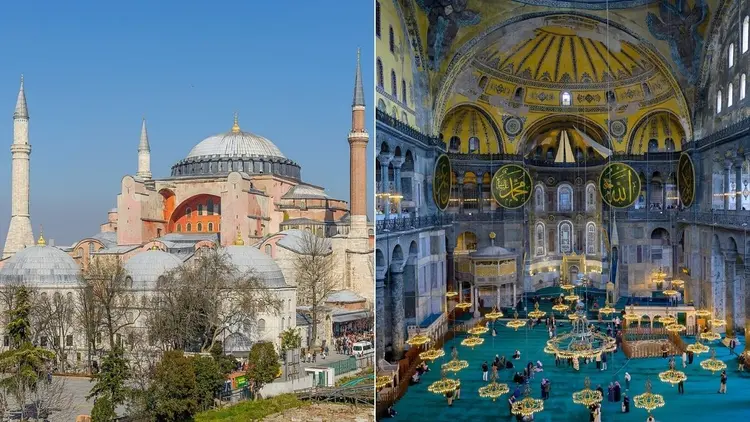
Few buildings have survived as long as Hagia Sophia. Fewer still have been rebuilt as often—the church standing today is the third on the site. Emperor Justinian ordered it built in the 6th century, with Isidore of Miletus and Anthemius of Tralles as architects. It opened in 537. Because Justinian called on every province to send the finest materials, its columns and marble came from ancient cities such as Ephesus and Aspendos, with white marble from Marmara Island, pink from Afyon and yellow from North Africa. The Ottomans later added the mihrab, the pulpit and the sultan’s lodges.
Today it is a working mosque. Foreign visitors pay €25 (approx. $27) for the upper gallery, so check the current rules before you go. Gli, the famous cross-eyed cat, died in 2020. Cats still wander the grounds, though, as unbothered as ever.
2. Sümela Monastery, Trabzon

Sümela is carved into a cliff about 300 meters above the Altındere Valley, near Maçka in Trabzon province. Tradition says that in the late 4th century two Athenian monks, Barnabas and Sophronios, each dreamed of the Virgin Mary and Jesus on Mela Mountain and chose this spot, some 1,150 meters up, for a monastery. After years of restoration and rock-securing work, it reopened in full in 2022. The last stretch is on foot, no shortcuts. Cars park at about 950 meters; from there, the walk to the entrance is around a kilometer uphill. That kilometer tends to feel longer than it sounds, which is roughly the point of a cliffside monastery. The usual reward? Tea at the rest area on the way up.
3. Mardin

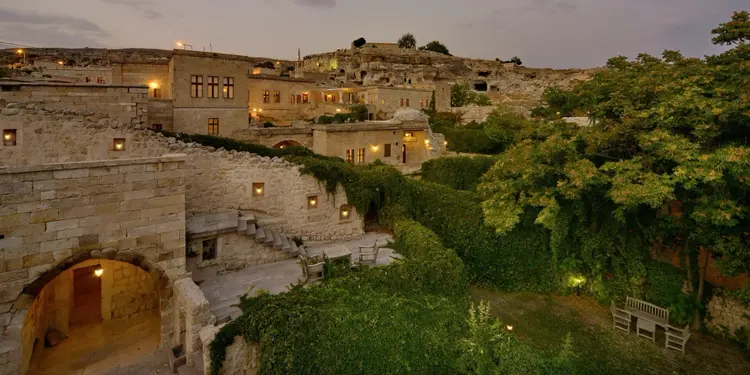
Mardin crowns a hilltop above the Syrian plain, a city of honey-colored stone between the Euphrates and the Tigris that has been a meeting point of civilizations for thousands of years. Artuqid (medieval Turkic dynasty) buildings define its look. The old town is dense. Syriac churches, mosques, madrasas and stepped alleys fill it.
Then there is the wine. The local Syriac community makes it, and tasting it, where available, is part of the Mardin experience.
4. Göbeklitepe, Şanlıurfa

Göbeklitepe is a ritual site about 12,000 years old, near the village of Örencik, around 18 km from Şanlıurfa. First noted in a 1963 survey, the site only revealed its importance after excavations began in 1994, uncovering T-shaped pillars up to about 6 meters tall, decorated with animals, that predate settled farming. Who built them is still an open question. Why the enclosures were later buried? Honestly, nobody can say for sure. UNESCO listed it in 2018. Put another way: when Hagia Sophia opened in 537, Göbeklitepe was already more than 10,000 years old. For a longer stay, add Halfeti. The town, in the same province, was partly flooded by a dam on the Euphrates.
5. Spice Bazaar, Istanbul

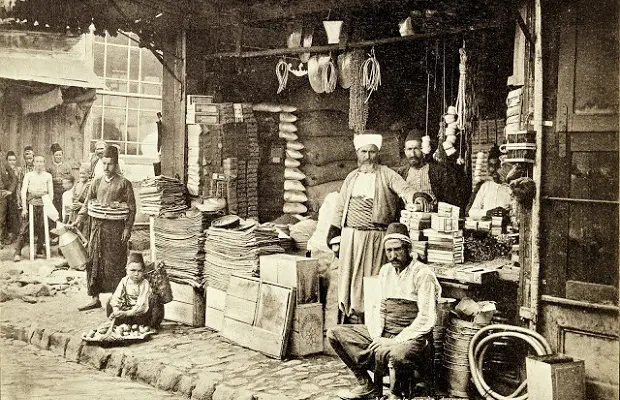
Anatolia, and Istanbul in particular, sat between east and west and between north and south, so trade ran through the city from Byzantine times. Ports shaped where markets grew. Hence Eminönü’s centuries as a marketplace. The Spice Bazaar (Mısır Çarşısı, “Egyptian Bazaar”) was built as part of the New Mosque complex, whose construction began in the 1590s and ended in 1665. Despite the name, there is nothing Egyptian about the building itself—the name, it is said, comes from the Egyptian goods that once filled its stalls. A classic ending: feeding the pigeons in the courtyard of the New Mosque next door.
6. Cappadocia

Volcanic eruptions from Mount Erciyes, Mount Hasan and Güllüdağ covered this region in ash and lava over millions of years, and wind and water carved the soft rock into today’s fairy chimneys. As if that were not enough, people dug homes, churches, mosques, deep valleys, underground cities and workshops into the stone. Add open-air museums, vineyards, pottery studios and local food. Small wonder it made the list.
The best-known way to take it all in? A hot-air balloon at dawn.
Sources: Hürriyet Daily News on the Sümela reopening, Anadolu Agency on Göbeklitepe, GoTürkiye on Cappadocia

Bir yanıt yazın