
Longjing Tea: The Story Behind Hangzhou’s Famous Green Tea


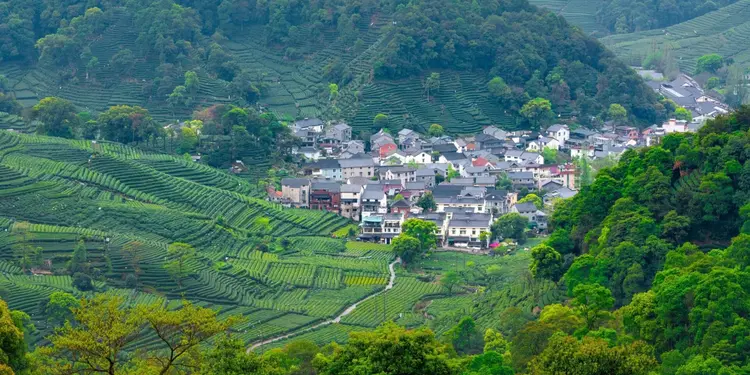
Longjing tea, whose name means Dragon Well, is more than a drink in China: it is a piece of cultural heritage. This flat, pan-fired green tea grows on the hills around West Lake in Hangzhou and counts among the best-known teas in the world.
1. From imperial courts to today’s cups
Longjing comes from Hangzhou, in China’s Zhejiang province. Its fame grew most under the Qing dynasty, when it became a favorite at court. According to legend, the Qianlong Emperor was served tea at the Hu Gong Temple near West Lake during a visit and was so impressed that he gave 18 tea bushes there special imperial status. The tea from those bushes is still talked about as the most special Longjing of all. Which emperor, though? That part is murkier: some tellings credit Kangxi instead, and the record doesn’t settle it.
2. How is one of the world’s best green teas made?
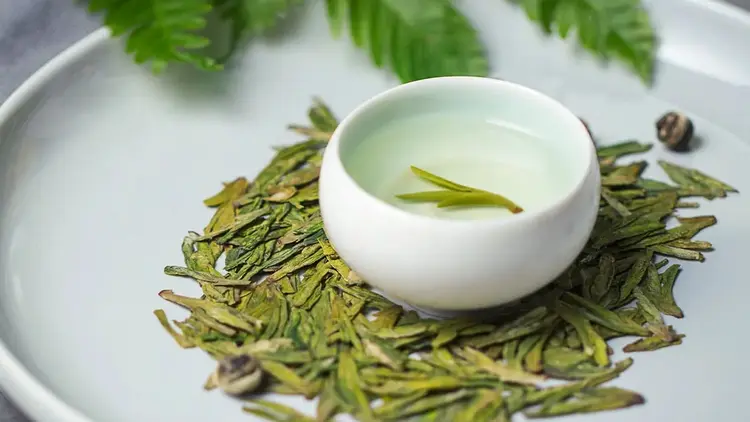
It’s tempting to assume all green tea is the same leaf under a different label. It isn’t. Production makes the difference. After picking, the leaves are pan-fired by hand in a heated pan, a step that halts oxidation and gives them their flat shape and a gentle, chestnut-like aroma, which is what sets Longjing apart from other green teas. Origin matters as much as technique. For real Longjing, the growing area, the picking date and the processing all count. The most prized leaves are young shoots picked in early spring, before the Qingming festival around April 5. Tea from that picking is called Ming Qian.
3. Hangzhou: a city of tea and water
The story of Longjing tea cannot be separated from Hangzhou. West Lake, the city’s symbol, was inscribed as a UNESCO World Heritage cultural landscape in 2011 and is ringed by hills, temples and the tea plantations where Longjing grows. Millions of people visit every year.
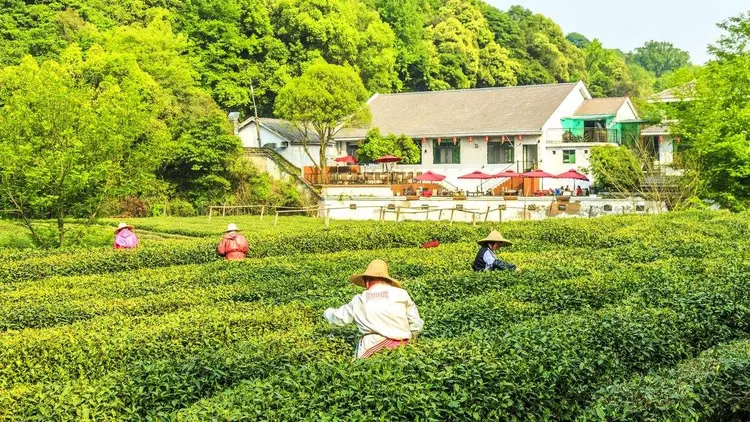
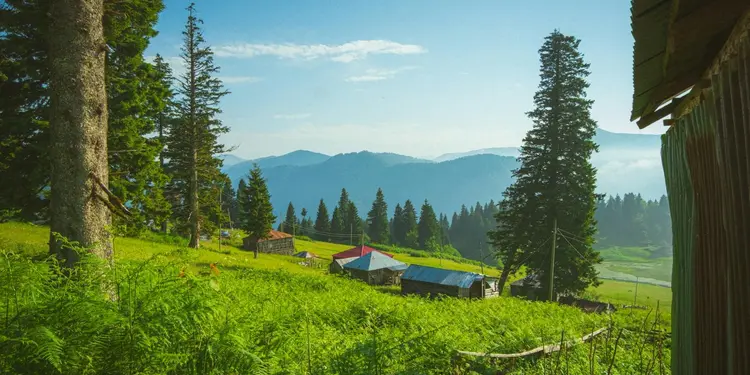
Many Longjing fans skip the shop-bought packet. They head to the plantations themselves, where visitors can watch the harvest, taste tea prepared the traditional way and wander tea villages, especially in spring when the hills turn green. For local growers, the harvest is the most important stretch of the year. Picking is a skill handed down across generations, not something learned over a weekend.
The tea hills work as a travel route in their own right, telling the story of Hangzhou’s history, nature and way of life.
4. Why Longjing is so special
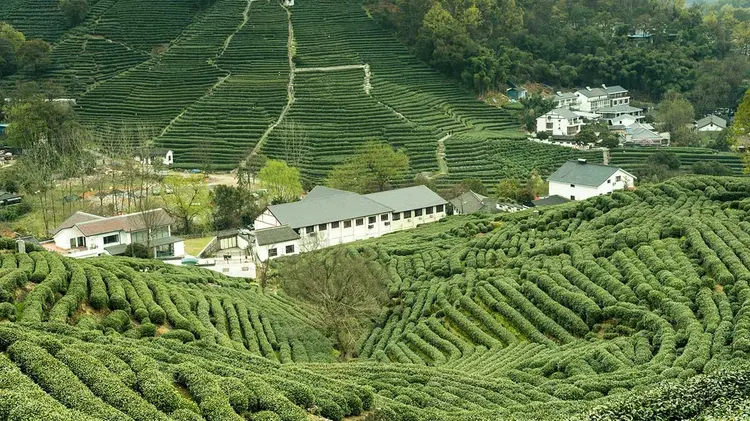
Taste is only part of it. The honest answer is that no single factor explains the reputation. Geography, climate, tradition and handwork all go into a cup of Longjing. So does the microclimate around West Lake. Craft is part of the value too: Longjing’s hand-processing belongs to the wider family of traditional tea processing techniques in China that UNESCO added to its Intangible Cultural Heritage list in 2022. Each cup is a small reflection of centuries of that craft.
5. One of the world’s most expensive teas

Some special grades of Longjing reach very high prices. The reason: tiny supply. The leaves linked to the legendary imperial bushes are collectors’ items, and the tea from those 18 bushes has been reported to sell for more per gram than gold. Whether every such sale would survive a close look is harder to say. What drives the price? Picking date, growing area and how carefully the leaves are selected by hand. Two tins from the same West Lake hills can sit far apart on the price list: the Ming Qian shoots picked before Qingming fetch the premium, the later pickings do not.
In short, Longjing is treated as a prestige product tied to tradition, not simply a tea to drink.
Sources: Wikipedia: Longjing tea, Wikipedia: West Lake, UNESCO: Traditional tea processing techniques in China


Bir yanıt yazın