
Hydra Island, Greece: The Car-Free Escape Near Athens


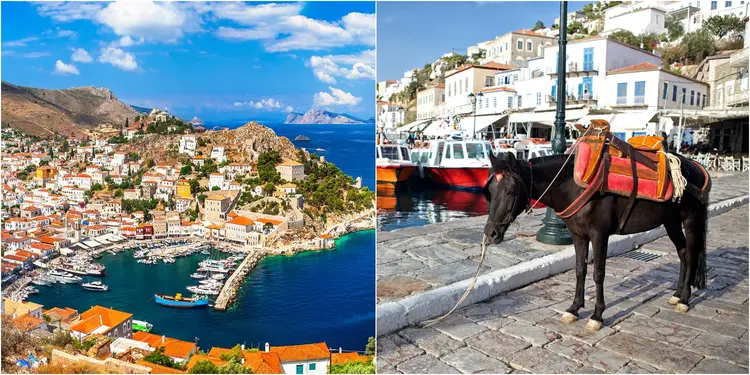
Hydra island, Greece, has the whitewashed houses, grilled fish and clear water of any Aegean island, plus one feature the others lack: almost no engines. Nobody here honks, revs or parks on the sidewalk, because wheeled vehicles are essentially banned. The payoff: one of the calmest places within reach of Athens.
1. Hydra island, Greece: a Saronic Gulf island that looks familiar
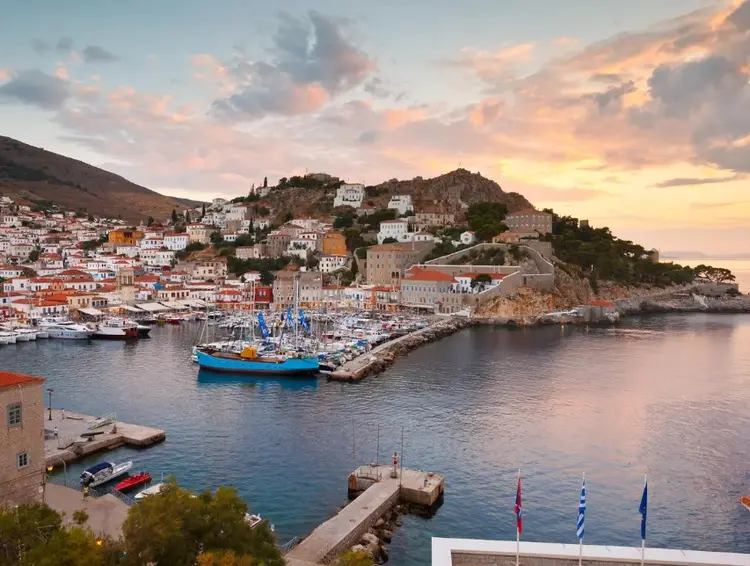
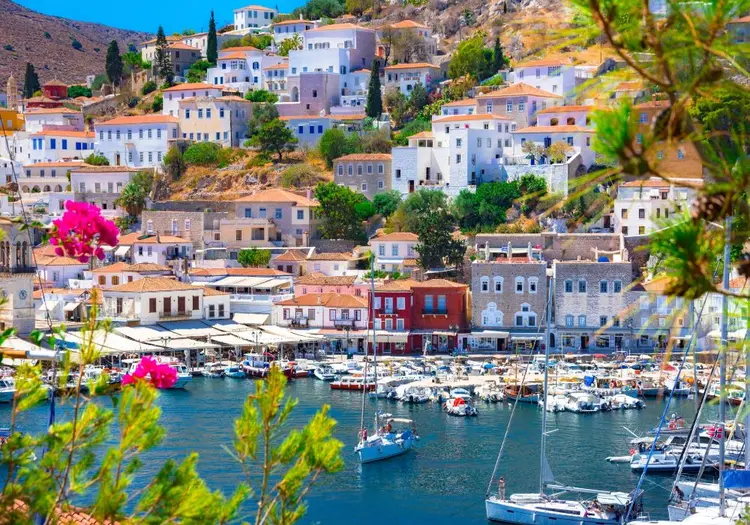
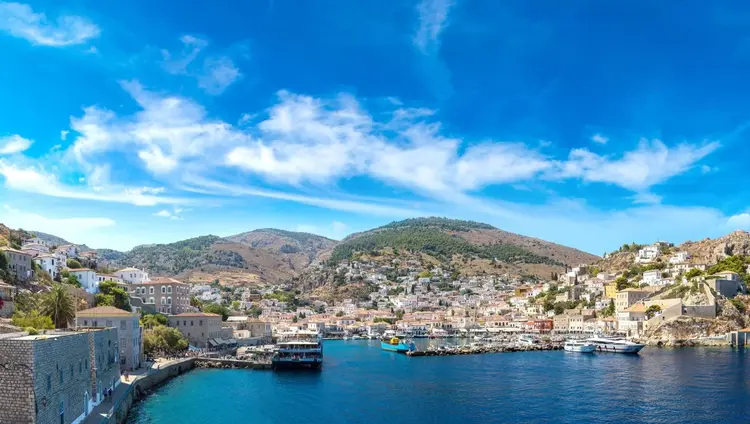
Just south of Athens, the Saronic Gulf holds several small islands. Hydra is one. Also spelled Idra, it looks at first glance like any other Greek island.
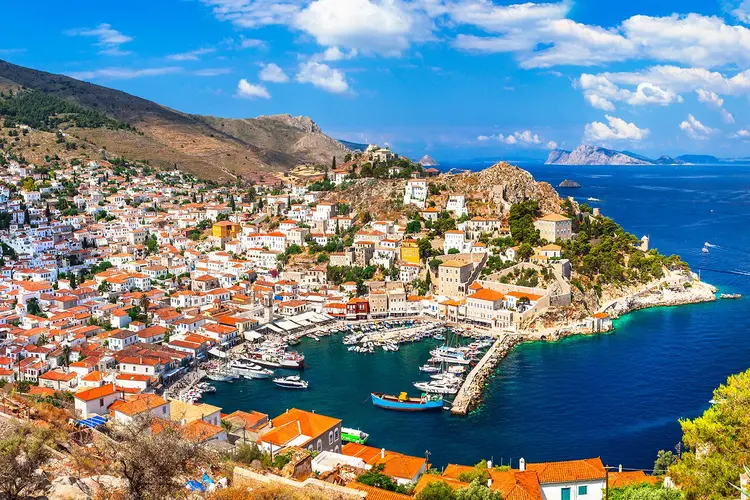
The ingredients are all there: traditional white and stone houses, fresh seafood, wild hillsides and good swimming spots. Nothing unusual so far.
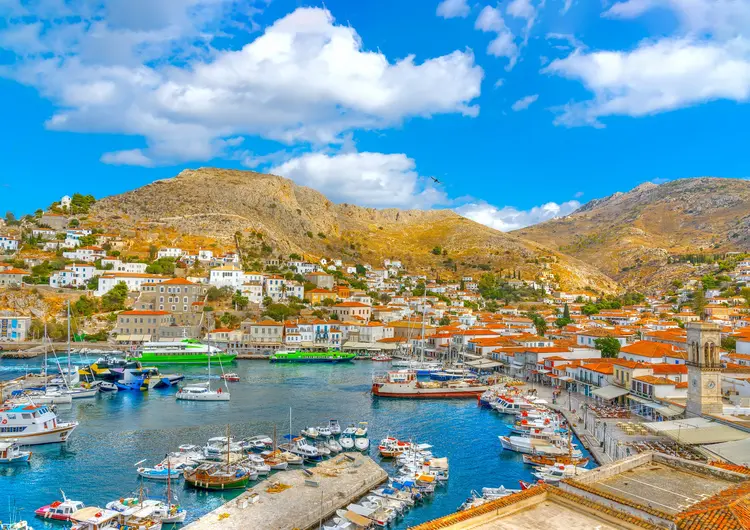
2. A short boat ride from Athens
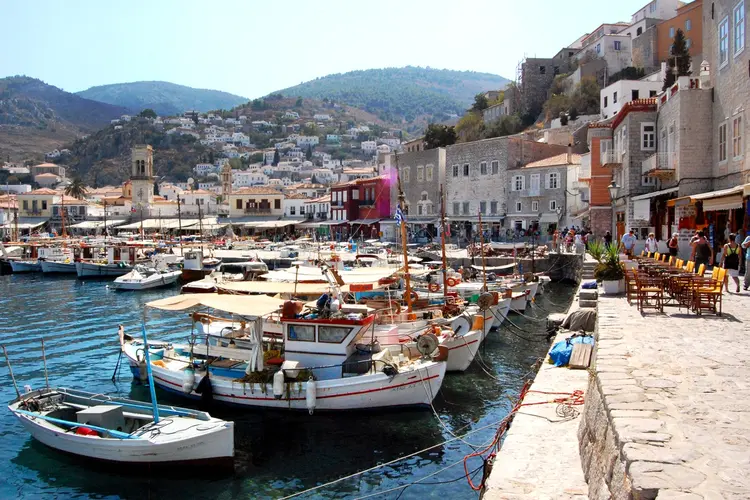
Hydra has no airport.
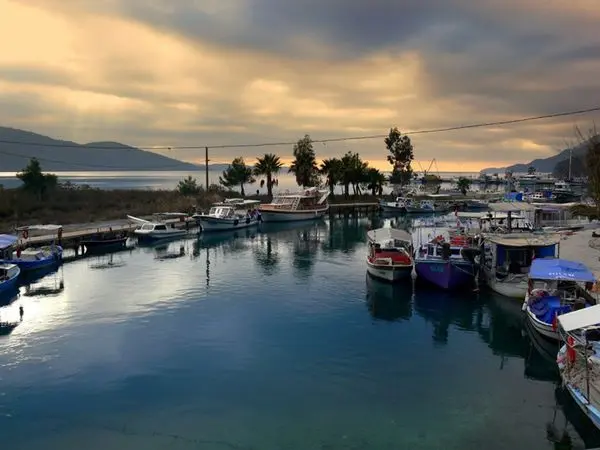
So boats it is. Depending on the vessel, a hydrofoil or ferry from Piraeus, the port of Athens, takes roughly 90 minutes to 2 hours—close enough for a day trip, and with good places to stay, Hydra also works as a weekend break or a longer visit.
3. The catch: no cars, no scooters, no bikes
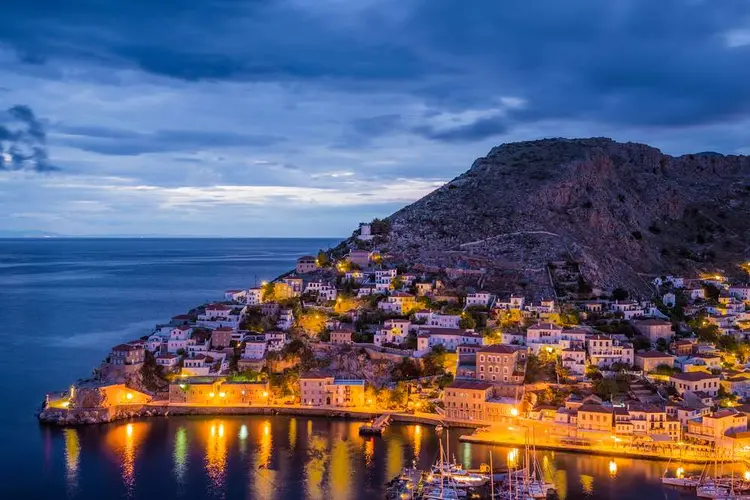
Step off the boat and the difference is obvious. Traffic simply isn’t there. Apart from a few utility vehicles such as garbage trucks and emergency services, motor vehicles are not allowed on Hydra, and under the long-standing rules even bicycles and delivery carts need special permission. Islanders did more than tolerate the rule. They built their lives around it. Then, in 2025, the Greek government said it would enforce the ban on Hydra more strictly, with a live register of permitted vehicles and a hotline to report illegal ones. How strictly that plays out over the years is harder to say.
4. How the ban took shape
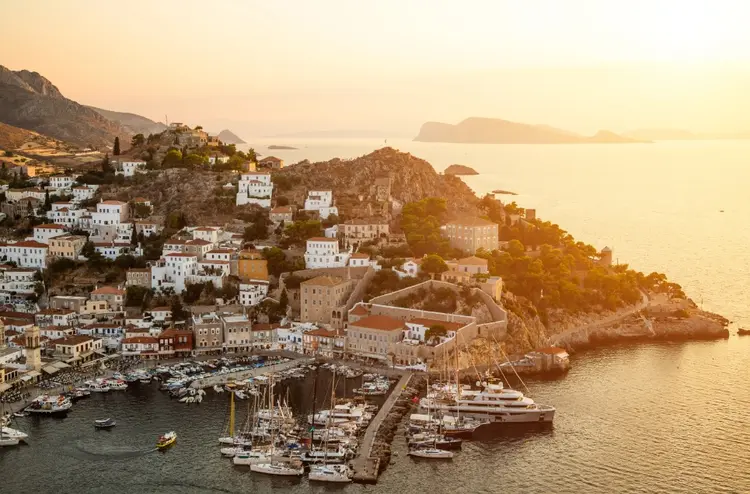
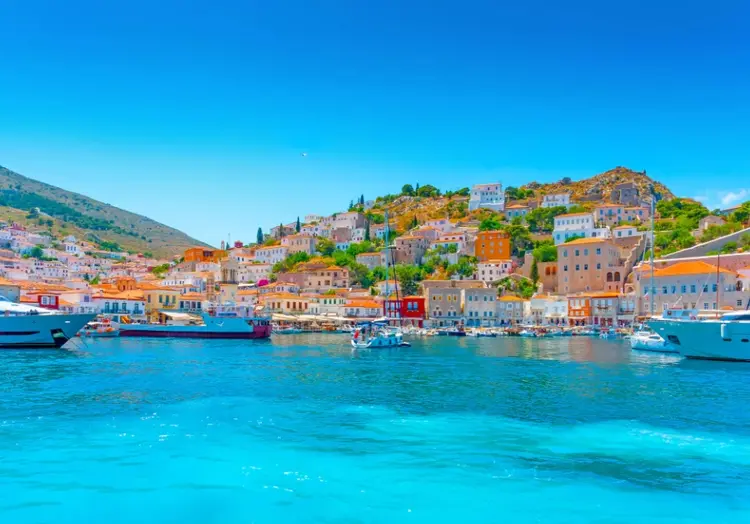
History explains a lot. In the 18th and 19th centuries Hydra was a major maritime trading power, and its shipowners built grand stone mansions along the harbor.
Wheels never suited the place. With its rocky terrain and steep, narrow lanes, Hydra gave cars little to offer when they arrived in the early 20th century. It’s tempting to file the ban under modern eco-policy. It isn’t. The law came later than the terrain problem but long before “car-free” became a selling point: usually dated to the 1950s, the restriction on cars and bicycles has stayed in place far longer than almost anywhere else in Europe.
5. Horses, donkeys and mules do the heavy lifting
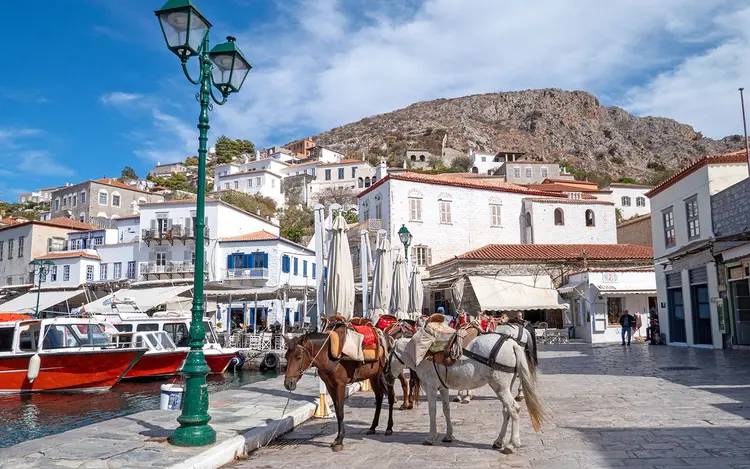
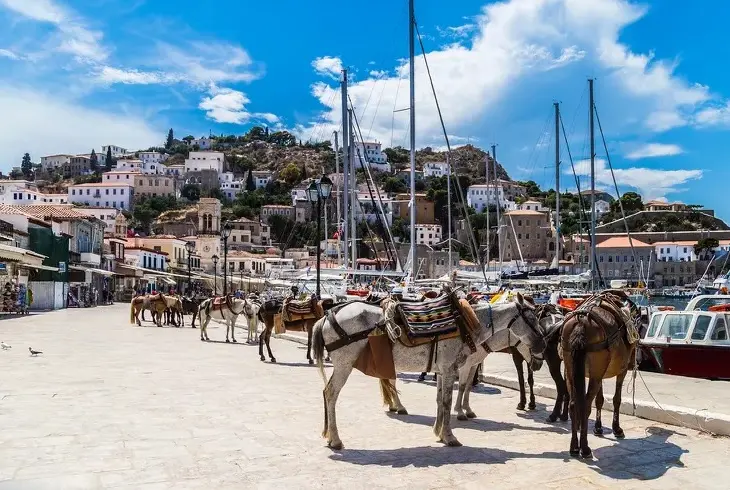
So how does anything move? People, groceries, building materials, even furniture—all of it travels on the backs of animals, with porters and small carts handling the cobbled streets. On most islands a delivery van would do this job; on Hydra it’s a mule climbing stone steps. The workforce is large: over 1,000 working horses, donkeys and mules live on the island. Welfare is a fair question. The practice sometimes sparks debate, so choose operators who treat their animals well.
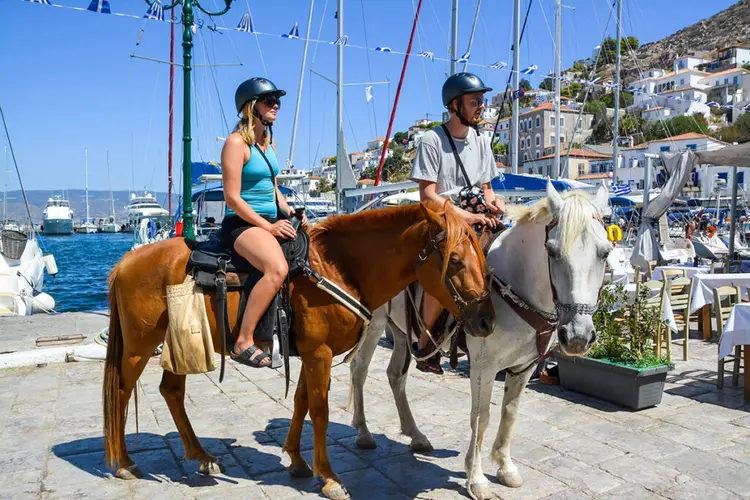
6. Hooves instead of horns
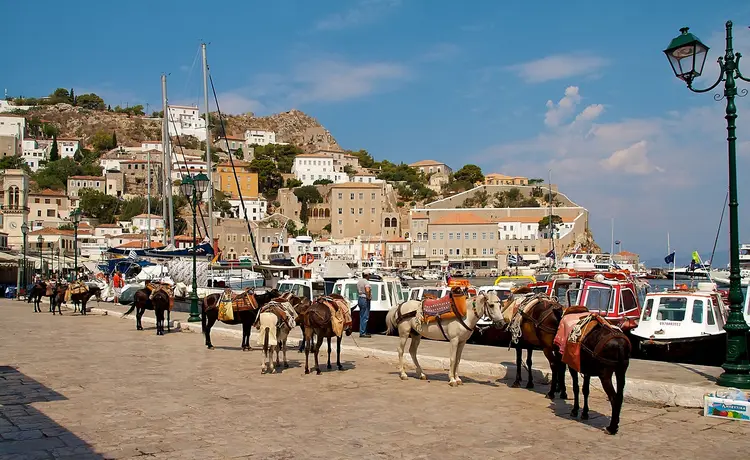
Listen in Hydra town. The soundtrack is the clip-clop of hooves, not car horns. To islanders the animals are just part of daily life—almost extra hands and feet.
A donkey resting beside a sea view? Not unusual. Nor is a horse plodding slowly up a rocky path.
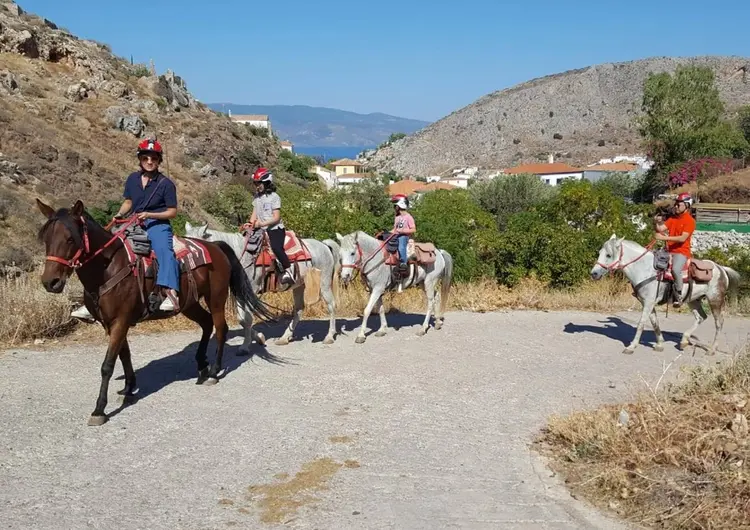
7. Why this makes Hydra a calm escape
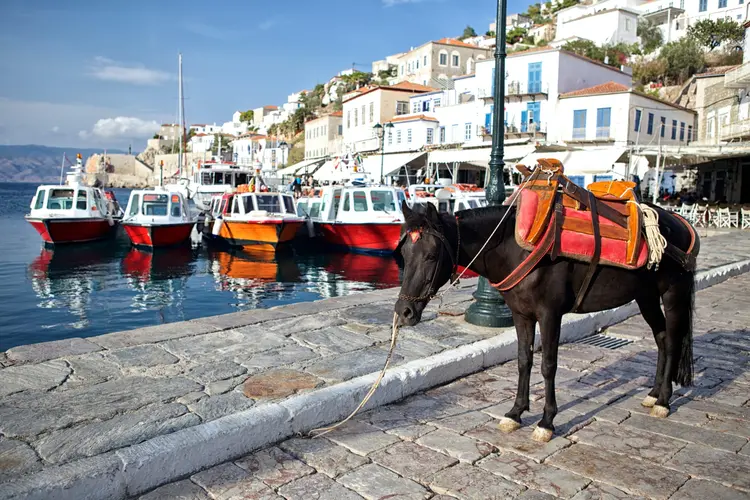
Take away the traffic and what remains is the sound of water, footsteps and the occasional hoof. The quiet tends to register before the view does.
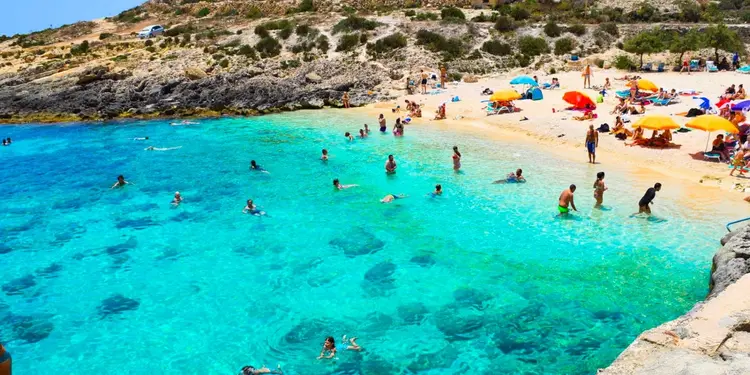
That, really, is the whole appeal. Locals and visitors alike get a break from stress, fumes and noise. The same steep, narrow lanes that once made cars pointless now keep the old town walkable: everything there is reachable on foot. Beaches such as Plakes and Vlychos are a walk or short boat ride away, while more remote coves, such as Bisti, need a boat.
Sources: National Geographic, Hydra, Greece: the island with no cars, OT.gr, Hydra and Spetses vehicle crackdown (May 2025), Wikipedia, Hydra (island)











Bir yanıt yazın