
Isparta Lavender Fields: 8 Things to Know About Kuyucak


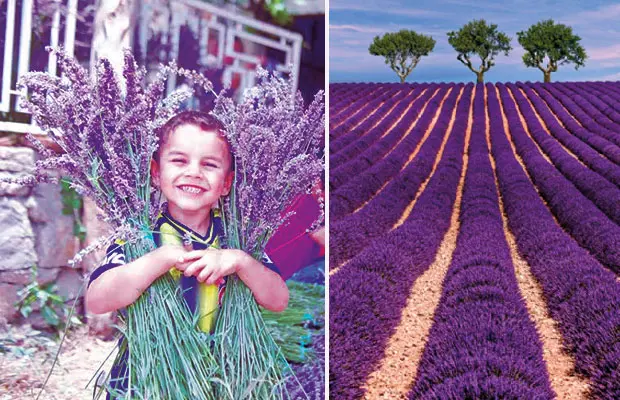
Isparta, in Türkiye’s Lakes Region, is known as the land of roses. True, but only half the story: every summer the Isparta lavender fields around Kuyucak, a small village in the Keçiborlu district, turn the dry hills purple. Peak color runs from late June to the end of July.
1. Türkiye’s Answer to Provence

Say “lavender fields” and most people picture Provence in southern France. Kuyucak argues for a second picture. Sitting about 50 km from the city of Isparta and roughly 1,020 m above sea level, the village took up lavender in 1975, when a rose merchant brought seedlings from France and handed them out to local families.
The crop caught on. By 2013, Turkish statistics put the village’s lavender at about 3,000 decares, or roughly 300 hectares.
2. A Small Village That Lives on Lavender

Kuyucak is tiny. Its registered population was 254 in 2022, and many younger residents have moved away over the decades, which leaves lavender as the thing that keeps the village going. The province is another matter. There, Isparta’s other famous crop, the oil rose, still dominates, and lavender ranks as the region’s second aromatic crop after it.
3. Stone Lanes and Mud-Brick Houses

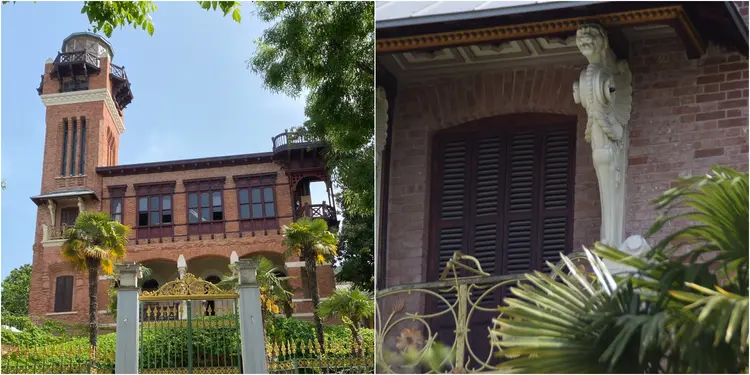
The village rewards a slow walk away from the fields. Stone-paved lanes, old adobe houses, lavender along the street edges and in front gardens: that is how lavender first spread here, as a garden hobby, long before anyone in Kuyucak treated the plant as a cash crop. Be considerate, though. These are working homes, so ask before photographing people or stepping into a yard.
4. When the Fields Turn Purple

Color starts in June. By July the fields reach their deepest purple. Harvest begins in August. A trip planned for mid-August may find many rows already cut, so if photos are the point, aim for July, and go early in the morning or in the hour before sunset, when the light is softer and there are fewer people around.
5. A Crop That Barely Needs Water

Why lavender, of all crops? It tolerates drought and poor soil, which is exactly why it took hold here. Kuyucak’s land is dry and stony. Little else paid off. Here is the surprising part: those thirsty-looking fields now grow more than 90 percent of Turkey’s lavender (93 percent in the 2013 national figures), and the village produces about 500 tons of flowers a year.
6. Honey, Oil and Ice Cream

Most of the harvest becomes essential oil for cosmetics, perfume, soap and pharmaceuticals. Visitors take home smaller things. The choice runs from lavender honey, which is mild in both taste and smell, to scented pillows and, the best find on a hot afternoon among the rows, a cone of lavender ice cream.
Lavender oil is popular in aromatherapy for its calming scent, but treat it as a fragrance, not a medicine.
7. Lavender Days in Summer

Kuyucak marks the season with Lavender Days (Lavanta Günleri), a local celebration with a parade, where many visitors go home wearing lavender crowns. Dates change from year to year. Check with the Isparta tourism office before booking.
Word has clearly spread, too: according to Hürriyet Daily News, visitor numbers rose from about 5,000 to 20,000 within a couple of years, a fourfold jump in a village this small.
8. Planning Your Visit

A car is the simplest way in, from Isparta city or from Keçiborlu, the district town 17 km away. Shade is scarce between the rows. Bring a hat and water. And stay on the paths, always: unlike the postcard estates of Provence, the fields here are small family plots, each one tended by a household, and together they make up a whole village’s income.
Sources: Daily Sabah, Kuyucak Village: The land of lavender in Turkey, Hürriyet Daily News, Turkey’s lavender paradise offers feast for tourists’ eyes, Wikipedia (Turkish), Kuyucak, Keçiborlu





Bir yanıt yazın