
Mauritania Iron Ore Train: 4 Things to Know


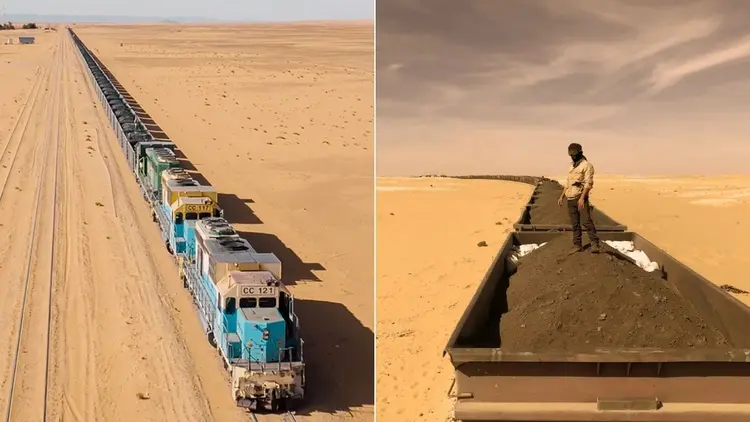
Dust-caked faces grinning from the top of a freight train that cuts across the Sahara: that is the image that made the Mauritania iron ore train a TikTok favorite, sold as a once-in-a-lifetime ride and, by some, as real-life Dune. The online version leaves a lot out. Here is what the clips don’t show, from the route itself to why riding on the ore wagons is no longer allowed.
1. Iron dust, endless desert and nothing but sky

Behind the dreamy footage sits a far less romantic country file. Mauritania, on Africa’s Atlantic coast between Morocco’s Western Sahara region and Senegal, gets few tourists, and some governments’ official travel advisories warn against all travel to parts of it, citing terrorism and the risk of kidnapping.
Then there is a harder fact. Slavery was formally abolished in Mauritania in 1981 and only made a criminal offense in 2007, yet the 2018 Global Slavery Index still estimated that about 90,000 people, roughly 2.1% of the population, were living in slavery, according to Wikipedia’s summary of the research.
Short version: not a weekend trip.
The legal system draws on Islamic law, and it is strict on matters that many visitors take for granted at home, from same-sex relationships to public religious expression. Women traveling alone, LGBTQ+ travelers and anyone who expects broad personal freedoms should read their own government’s advisory carefully before deciding to go.
2. Mauritania iron ore train: 704 km of desert

The line links Zouérat, the country’s iron-mining center, with the Atlantic port of Nouadhibou, passing through Fderik and Choum along the way. It is a single track of 704 km (437 miles), built by the state mining company SNIM and opened in 1963, per the Mauritania Railway entry. A full run takes most of a day, and exact timings are hard to pin down on a freight line. Expect around 12 to 14 hours from Nouadhibou to Choum, then another 5 to 6 hours to Zouérat. The size is the real headline. A loaded train can stretch close to 3 km, with 200 to 210 ore wagons, each carrying up to 84 tonnes of iron ore toward the coast; on the way back inland, the wagons run empty.
Passengers have always been part of the picture. A basic passenger carriage at the rear is the official way to travel, though it is hardly luxury, as windows that don’t close let the dust in anyway. Many viral riders skipped it. They climbed onto the open ore wagons instead.
3. Riding on the ore wagons is no longer allowed

The routine seen in countless videos goes like this: the train slows at a desert stop such as Choum or Zouérat, people haul themselves up with ladders they brought along, and then they sit on the ore for hours, filming poses in the evening dust. It looks cinematic. It is also dangerous, and according to Railtarget, SNIM has now banned passengers from the open ore wagons, limiting them to the designated passenger carriages at the rear.
Why? Consider what the ride involves:
- Daytime heat above 40 °C (104 °F)
- Nights that drop close to freezing
- No toilets
- No water, no doctor and no emergency help on board
- Hours on top of a pile of iron ore, covered in dust
Falls from the wagons are a common cause of death among people riding them. The train lurches hard when it accelerates or brakes, and while it does make a handful of scheduled stops, it won’t pull over because one rider is in trouble.
4. The TikTok creator who made the ride famous
The trend has a familiar face. TikTok creator @isaacexploress, whose real name is Isaac Elam, rode on top of the train and reached millions of viewers with his videos. He was also reported to sell an e-book on how to make the journey, contact details included, a move that drew heavy criticism from viewers who accused him of glamorizing a risky ride that the operator no longer allows. Hard to argue with them. The desert will still be there for travelers who take the passenger carriage instead.
Sources: Wikipedia: Mauritania Railway, Wikivoyage: Iron Ore Train, Railtarget, Wikipedia: Slavery in Mauritania


Bir yanıt yazın