
Where to Go in Turkey: 12 Destinations, Month by Month


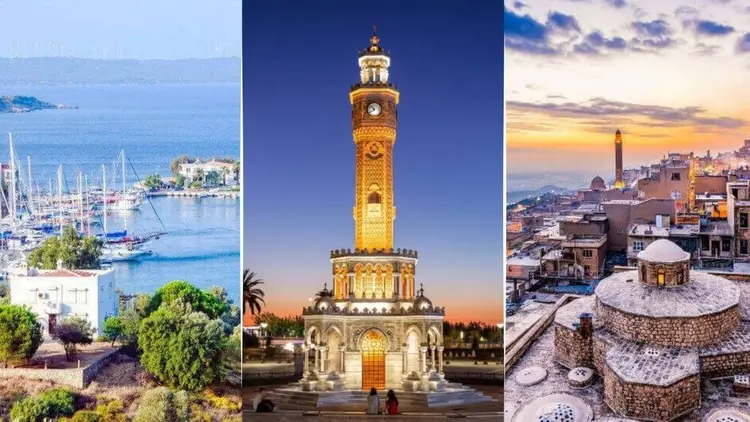
Türkiye changes character with the calendar: snow on Cappadocia’s rock formations in winter, sunny stone lanes in the southeast by spring, and a coastline that hits full swing in July and August. So where to go in Turkey depends less on the destination than on the month. Here is one pick for each of the twelve.
1. January: Nevşehir, Where to Go in Turkey for Snow
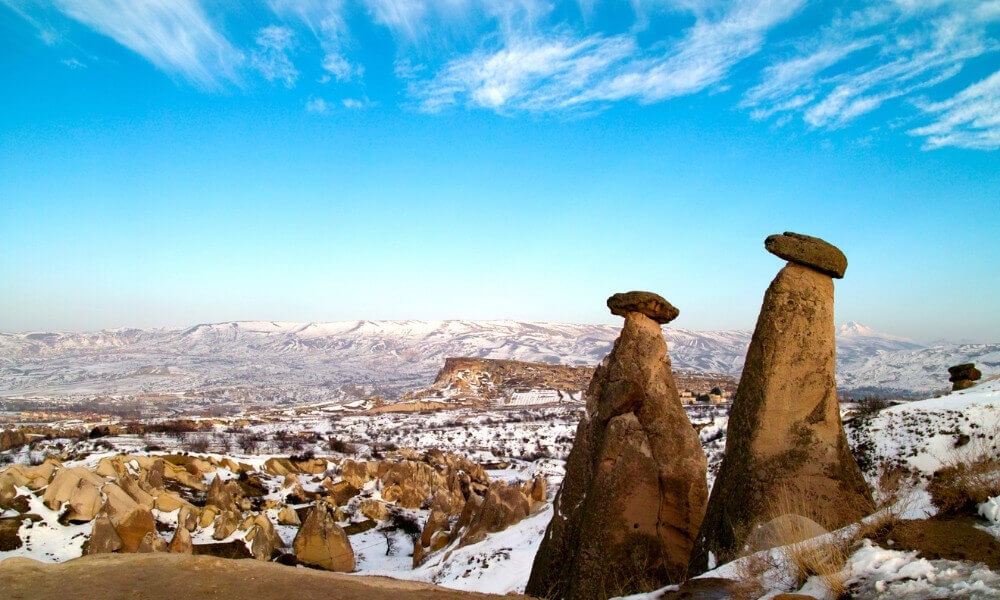
Nevşehir, the province at the heart of Cappadocia, is at its most photogenic under snow. White-dusted fairy chimneys (the region’s cone-shaped rock pillars) look like a postcard someone forgot to color in. Whether the hot-air balloons fly on any given winter morning is never certain, since flights depend on the weather; when they do go up, they show the whole scene from above.
Then go underground. The region’s underground cities, carved deep into the soft rock, are a strange and memorable detour, and they stay a steady temperature whatever the weather outside. Back on the surface, small boutique hotels with fireplaces are the classic winter retreat. A hot drink, a crackling log fire, nowhere in particular to be.
2. February: Erzurum

The idea that Türkiye is a summer-only destination does not survive February. This is peak ski season in the country’s northeast, and Palandöken Mountain, just outside Erzurum, draws skiers when the snow is at its deepest. Then there is the food. Two dishes earn the trip on their own: cağ kebabı, lamb roasted on a horizontal spit and served on skewers, and kadayıf dolması, a nut-filled pastry of shredded dough soaked in syrup.
3. March: Mardin

March suits Mardin, the honey-colored hill town in Türkiye’s southeast, because the first mild days of spring make its narrow stone lanes a pleasure to walk. Look closely. The Artuqid-era carving on doorways and facades rewards the effort, with the flat Mesopotamian plain stretching out below.
Start with breakfast. The local spread, served as dozens of small plates at once, is the easiest introduction to the city’s culture: regional cheeses, olives, homemade jams, and fresh flatbread with butter and honey. It is not a quick meal, and nobody expects it to be. Plan on a slow morning, and treat the rest of the day as a bonus.
4. April: Şanlıurfa
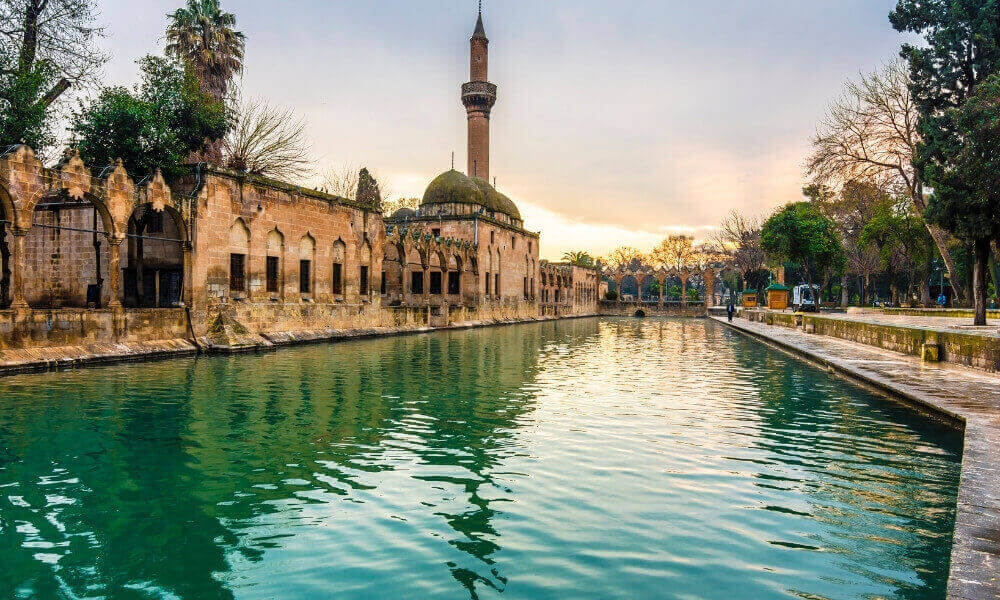
April turns the route toward Şanlıurfa, when the weather is warm without being harsh and the crowds are thin. It is the month to see Göbekli Tepe, the roughly 11,500-year-old hilltop sanctuary added to the UNESCO World Heritage List in 2018, and then unwind beside Balıklıgöl, the city’s sacred fish pool. Food is half the reason to come. Urfa-style grilled liver is a local signature. Many dishes also get their smoky warmth from isot, the region’s dark, sun-dried chili. Days go to history and culture; evenings can go to a sıra gecesi, a traditional night of music and food shared around a long table.
5. May: Datça (Muğla)

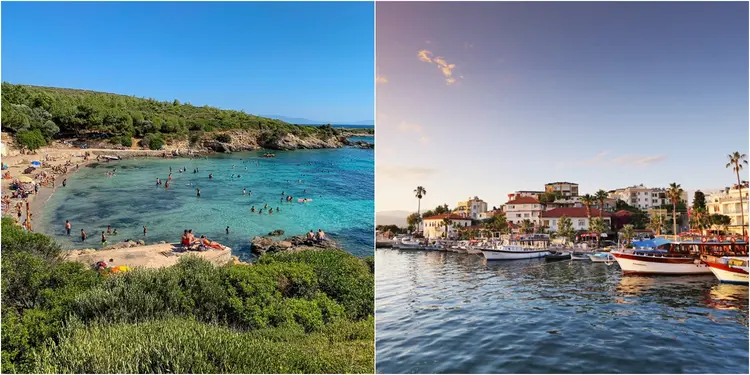
For an escape before summer properly begins, the Datça Peninsula is hard to beat. May is calm here. Coves such as Palamutbükü and Hayıtbükü are not yet crowded, and the sea is clean and inviting.
Evenings belong to fish. Seaside restaurants serve the day’s catch, often with rakı, the anise-flavored spirit that turns cloudy with water, and conversation with the locals tends to stretch the meal. Datça is also known for its organic local produce. A jar or two of something homemade, plus a few handcrafted souvenirs, usually make it into the luggage.
6. June: İzmir

June is when İzmir hums. The heat has not yet turned oppressive, and the surrounding coast is full of day trips.
Alaçatı comes first for most visitors: old stone houses, flowerpots in every color, small cafés, boutique shopping and local food.
It is pretty in a way that knows it is pretty.
Urla offers a different pace. Its vineyard route links several wineries where visitors can tour the cellars, walk among the vines and taste local produce, which makes for an easy, unhurried day outdoors.
Karaburun, quieter still, is the place for clean coves, seafood restaurants and nature walks.
7. July: Muğla

July is beach month, and Muğla province has more coastline than a single holiday can cover. Swimming in the Aegean, lazing on the sand and working through Aegean cooking fill most days.
Fethiye is famous for paragliding, with spectacular views on the way down. In Akyaka, boat trips glide along the Azmak, a short river so clear the riverbed shows through. And Bodrum, with restaurants, bars and clubs by the dozen, is the nightlife capital.
Want more? Watching loggerhead sea turtles (Caretta caretta) around Dalyan, joining a boat tour from Marmaris, or returning to Datça (see May) all fit the month. Datça in July is busier than in May. Still worth it.
8. August: Antalya

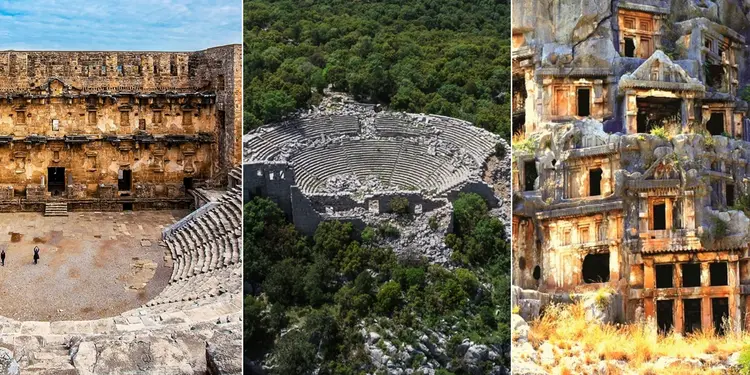
When August temperatures peak, Antalya’s coast is one of the best places to cool off. Its different corners, including Kaş, Kalkan, Olympos and Side, suit different tastes, and most combine turquoise water with ancient cities a short drive away.
Kaş is a diving hub, with colorful marine life below the surface. Kalkan leans toward upscale stays. Olympos pairs ancient ruins by the beach with the Chimaera nearby, natural gas vents on the hillside that have been burning for millennia. Side wears its Roman-era remains right in the middle of town. Kalkan and Olympos sit at opposite ends of the coast’s range: Kalkan sells comfort and views, while Olympos sells ruins and a fire that never goes out.
Antalya’s restaurants round things out with Mediterranean cooking. Rest and sightseeing in one trip, without much compromise on either.
9. September: Gökçeada (Çanakkale)

As summer winds down, Gökçeada, Türkiye’s largest island, settles into an easy rhythm. Long village breakfasts and wanders past the island’s handful of wind turbines are about as demanding as the day gets.
Sunset is the main event.
The sky turns red over the sea, and photographers rarely leave without a frame they are proud of. Walking is a pleasure too, since the trails pass old stone houses in former Greek villages, churches and beaches, with the island’s long Greek heritage visible at almost every turn.
The island table is worth staying for: fresh fish, vegetables cooked in olive oil, and local wine. Eating here is one of the simplest ways into the island’s culture.
10. October: Rize

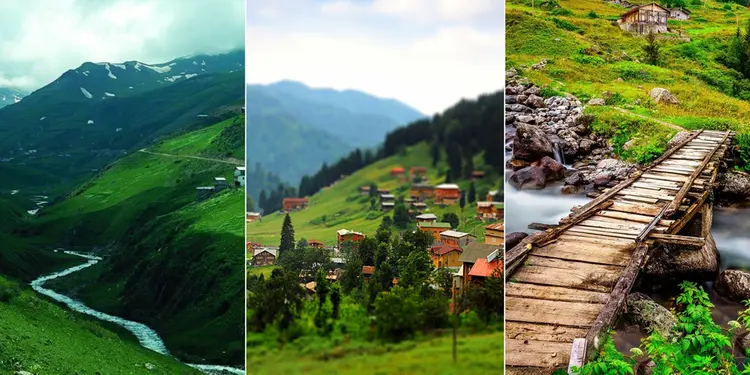
October heads northeast to Rize, the green jewel of Türkiye’s Black Sea coast. How about a hike? Ayder Plateau looks completely different in autumn colors, and the tea plantations on the slopes make for photos that are hard to get wrong.
Pack layers. The air is cool, the weather on the coast changes fast, and no forecast settles the question for long.
Rize in October is mostly fresh air and very little to do, which is the whole point.
11. November: Gaziantep

November belongs to Gaziantep, which in 2015 became Türkiye’s first UNESCO Creative City of Gastronomy. The city is about more than food, though. The Zeugma Mosaic Museum holds mosaics from the ancient city of Zeugma and other sites, and the old bazaars are made for slow browsing.
But yes, the food comes first in most conversations. Kebabs in many styles, katmer (a thin, flaky pastry with pistachio and clotted cream) and beyran, a garlicky lamb-and-rice soup eaten hot, are all on the list. The place to try them: local restaurants in the old streets. A November visit fills the stomach and the itinerary in equal measure.
12. December: Eskişehir
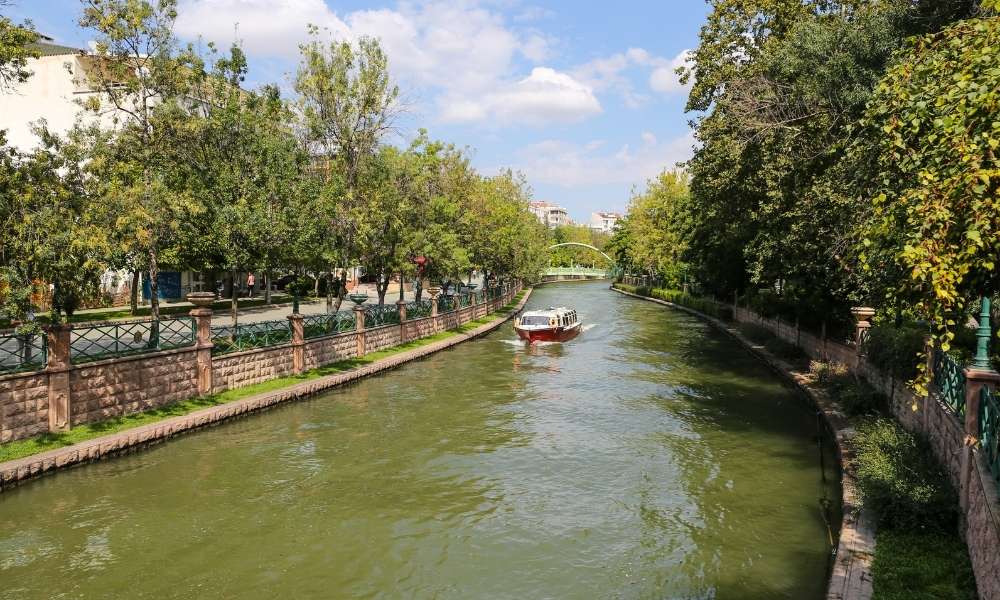
The year ends in Eskişehir, a good choice for a cultural break. Boat rides on the Porsuk River, which runs through the center, show the city from another angle, and the museums cover everything from modern art in the Kengo Kuma-designed Odunpazarı Modern Museum to glass art and meerschaum.
The streets have a young energy.
With several universities in town, Eskişehir feels lively and busy, even in winter. Its signature snack is çibörek, a thin, crisp turnover filled with minced meat, and on a cold day it is exactly what the weather calls for. For a winter city break, December could do worse. Twelve months, twelve places, and every season covered.
Sources: Wikipedia: Göbekli Tepe, Wikipedia: Gaziantep, Wikipedia: Chimaera, UNESCO Creative Cities Network: Gaziantep



Bir yanıt yazın