
Grand Bazaar Istanbul History in 14 Rare Photographs


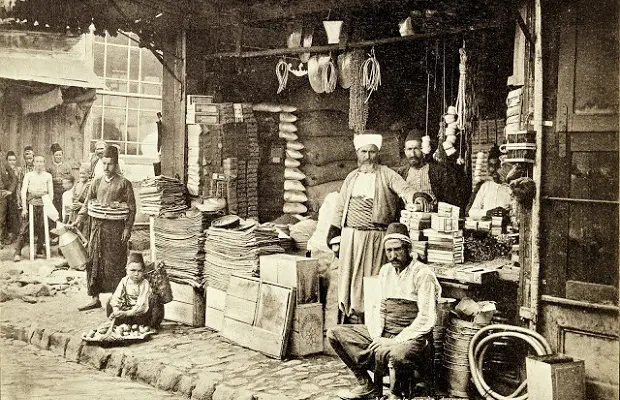
One of the Ottoman Empire’s greatest legacies is still standing, still trading, and still pulling in crowds by the thousand: the Grand Bazaar in Istanbul, Türkiye. Its narrow, lantern-lit streets have never stopped casting a spell over visitors. Shopping is only part of it. These archival photos trace Grand Bazaar Istanbul history through its maze-like lanes, a trip through time before you ever set foot inside.
1. The Grand Bazaar isn’t just one of Istanbul’s biggest and oldest markets—it’s one of the largest and oldest covered markets anywhere in the world.
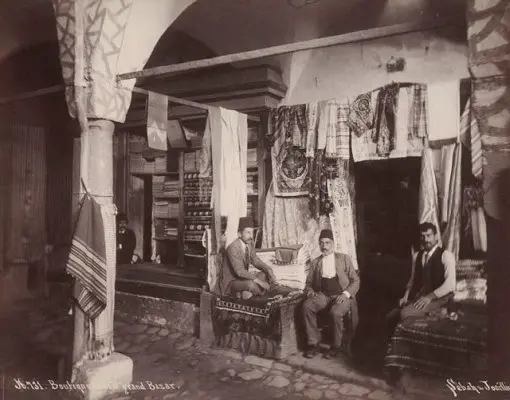
2. With dozens of covered streets and close to 4,000 shops, the Grand Bazaar draws an estimated 250,000 to 400,000 visitors a day.
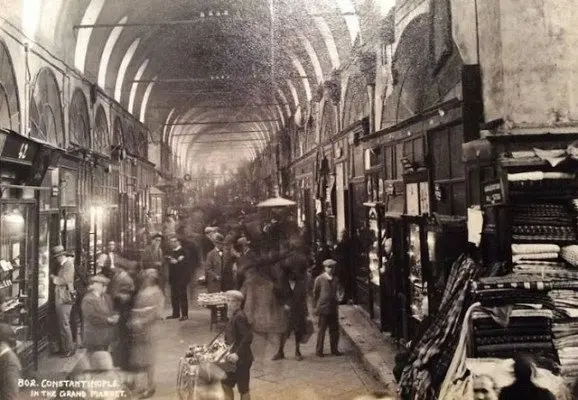
3. Time magazine ranked it the world’s most-visited tourist attraction in 2014, with a jaw-dropping 91,250,000 visitors that year alone.
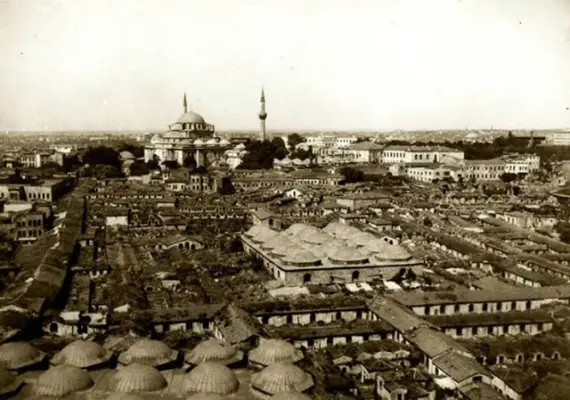
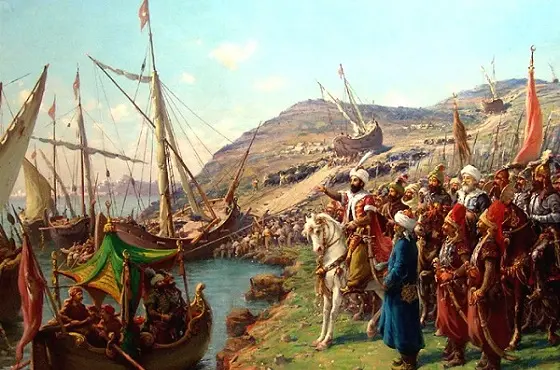
4. Grand Bazaar Istanbul history starts in the winter of 1455-56, when work began right after Sultan Mehmed II took Constantinople.
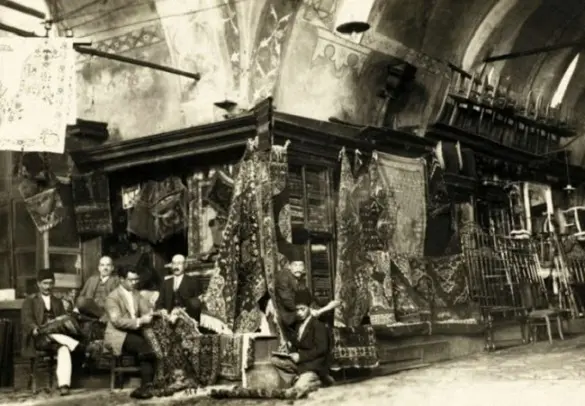
5. By the early 17th century, the market had already settled into the layout it still has today.

6. The Ottoman Empire’s reach across three continents, and its grip on the overland routes between Asia and Europe, made the Grand Bazaar and its neighboring caravanserais the beating heart of Mediterranean trade.
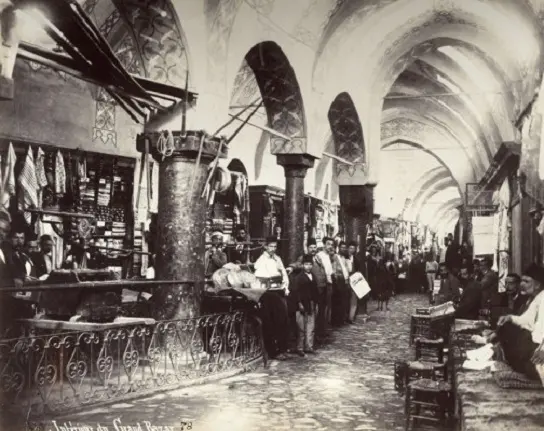
7. European travelers wrote that, until the first half of the 19th century, this dazzling market had no rival in the sheer variety, abundance, and quality of what it sold.

8. The rise of Western textile manufacturing in the 1800s did cost the bazaar some of its old swagger, but its historic character still makes it one of Istanbul’s most cherished sights.

9. Today the Grand Bazaar employs about 26,000 people and welcomes hundreds of thousands of visitors a day, making it one of Istanbul’s defining city landmarks.

10. Evliya Çelebi, one of the great travel writers of the 17th century, described the Grand Bazaar as a fortress of overwhelming strength and size.

11. In the 1640s, Çelebi had this to say about the merchants who worked there:

“In the crowded, choicest part of Istanbul sits the great treasury of the House of Osman, a fortress of laughter in all but name. Here lie the riches of every expedition, every vizier, every noble—stored in hundreds of iron-gated vaults beneath the ground. On the east side stands the goldsmiths’ gate, carved above with the figure of a fearsome bird in flight. The meaning behind that carving was this: fortune is a wild bird that flies through the air. Catch it gently, and this market will reward you well.”
12. The Grand Bazaar, which welcomes more visitors than almost any other place on earth and still lives its history every day, marked its 550th birthday in 2011.
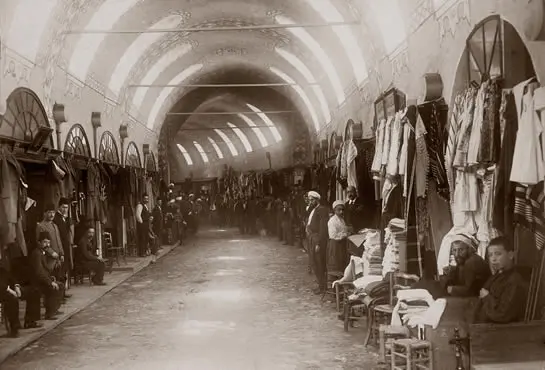
13. And no, the modern shopping malls that keep opening across Istanbul haven’t made this market obsolete: on beauty and charm alone, it still wins easily.
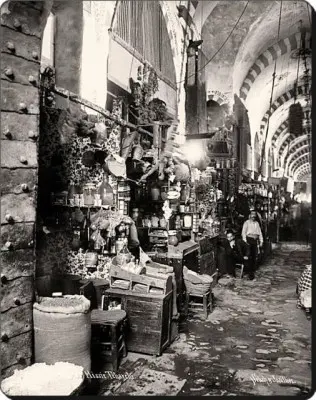
Put the two side by side. A new mall arrives with a floor plan drawn in one go; the Grand Bazaar has close to 4,000 shops and about 26,000 workers sharing a street layout that was already set by the early 17th century. Which one would you rather get lost in? First-timers tend to settle that question somewhere around their second wrong turn.
14. The Grand Bazaar is practically a city of its own—the kind of place where every visit turns up something new.

If you’re planning a visit, go early to beat the crowds, wear comfortable shoes for the uneven stone floors, and expect to bargain—it’s part of the experience, not a trick.
Sundays are out: the bazaar has long kept a Monday-to-Saturday schedule and closes on public holidays too, so check the current hours before you go. It’s an easy walk from the Beyazıt-Kapalıçarşı tram stop on the T1 line.
Sources: Grand Bazaar, Istanbul (Wikipedia), Grand Bazaar (Encyclopaedia Britannica), Inside Istanbul’s Grand Bazaar (Smithsonian Magazine)






Bir yanıt yazın