
Ramadan Pide in Istanbul: 10 Bakeries Worth Your Time


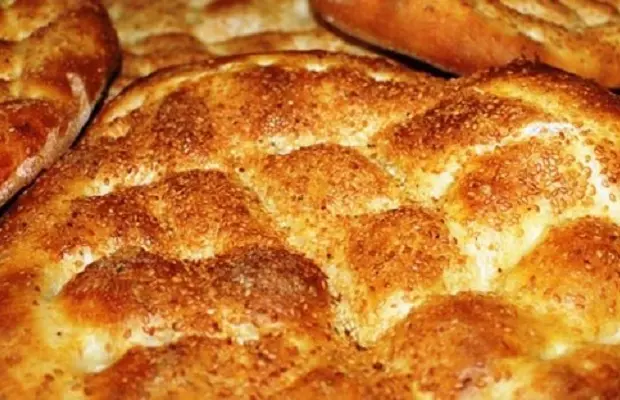
Pide is one of the simplest pleasures of Ramadan in Türkiye: a round, soft flatbread baked fresh only during the holy month, carried home still warm and torn apart rather than cut with a knife. Istanbul has no shortage of neighborhood bakeries selling a decent version, but a handful have built reputations that outlast any single Ramadan. Here are ten contenders for the best Ramadan pide in Istanbul, old and new.
1. Has Ekmek, Çengelköy
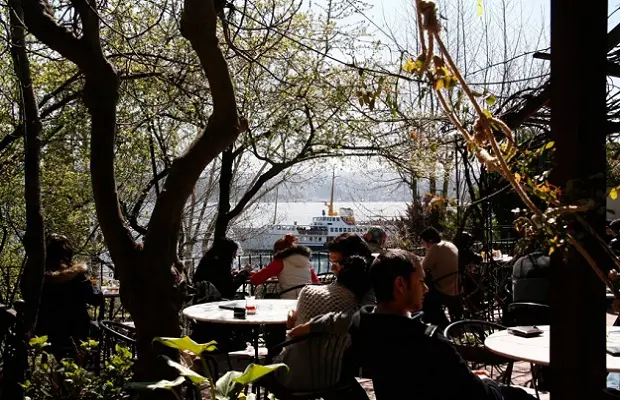
Has Ekmek has a genuine claim to history. The bakery is said to be close to 160 years old, and it built that reputation on bread and simit before pide ever came into the picture, with Armenian bakers reportedly running the ovens for decades before İsmail Usta took over more than 50 years ago. Already in Çengelköy for the famous Çınaraltı teahouse? Stop here first.
2. Kireçburnu Fırını
This is the kind of bakery where you can buy anything in the case with your eyes closed. Set on the Kireçburnu waterfront, in one of the Bosphorus’s older neighborhoods, it treats its Ramadan pide with the same care as everything else it bakes—which is to say, carefully.
3. Yedi Sekiz Hasan Paşa, Beşiktaş
A neighborhood landmark that’s almost impossible to visit for pide alone.
Fair warning: once you’re inside, the display case usually wins, and the bakery’s acıbadem kurabiyesi (almond cookies) are nearly as well known across the city as its bread.
4. Meydan Ekmek, Kasımpaşa
Meydan Ekmek bakes with wood-fired ovens and additive-free dough year-round, but Ramadan is when the pide line gets long. No frills. That’s part of the appeal.
5. Tad Doy, Bahçeköy
Around two decades old, Tad Doy sits on the road toward Kilyos and has become a natural stopping point for anyone heading to the Black Sea coast. Its Ramadan pide is one of the city’s better-known versions. The bakery is also a go-to for Vakfıkebir bread, plus a pizza that outperforms its price point.
6. Peleki
Peleki, a Teşvikiye institution named for the baking stone its ovens use, draws regulars in every season, not only during Ramadan.
Beyond pide, its cookies have a following of their own, and the bakery stays open around the clock—useful to know if you’re planning a late sahur, the pre-dawn meal before the day’s fast.
7. Öz Karadeniz, Feriköy
Head from Teşvikiye toward Kurtuluş and then on to Feriköy, and you’ll land at Öz Karadeniz. Line out the door? Kürekli Fırın, nearby in Kurtuluş, is also a serious contender.
8. Ömer Paşa Fırını, Göztepe
On the Asian side, Ömer Paşa Fırını has been a Ramadan fixture for roughly 50 years. It’s unpretentious. This is a working bakery that happens to make excellent pide, not a destination built around it.
9. Ünver, Kocamustafapaşa
Ünver has been baking since 1944. Classic karafırın pide, döner pide, the full range of what a neighborhood bakery should cover: it’s all here, and pretty much anything else behind the counter is worth grabbing on your way out.
10. Somuncu Baba, Ümraniye
A Ramadan regular on the Anatolian side, Somuncu Baba keeps the pide tradition going for a neighborhood that has grown considerably since this bakery first opened its ovens.
How to get the best Ramadan pide in Istanbul
Pide shows up at bakeries across Istanbul only in the run-up to iftar during Ramadan, and lines form in the final hour before the fast breaks. Showing up right then is the classic mistake, so arrive earlier in the day if you want to avoid the wait. Plenty of first-timers learn this the hard way, watching the last warm loaves leave with the people just ahead of them. Daily Sabah’s guide to bread in Turkey describes the same sunset queues and notes that the true Ramazan pidesi is always round, scattered with sesame and nigella seeds. The loaf belongs at both ends of the fasting day, served at iftar and again at sahur. The Wikipedia entry on Ramazan pidesi traces similar breads back to Ottoman times, which is part of why a warm loaf carried home in paper, not a seated meal out, is still the main event. Honestly, prices are hard to pin down, since they vary by bakery and season. Expect roughly ₺30-60 per pide (approx. $1-2), paid in cash or card depending on the shop. Where you’re based changes the pick, too: visitors staying on the Asian side have Ömer Paşa Fırını in Göztepe and Somuncu Baba in Ümraniye close at hand, while anyone planning a late sahur is better served by Peleki in Teşvikiye, which stays open around the clock. Most of these bakeries sell out well before closing during the last ten days of Ramadan, so don’t leave it too late.
Sources: Daily Sabah, “A definitive guide to bread and all its variations in Turkey” (2020); Wikipedia, “Ramazan pidesi”.











Bir yanıt yazın