
Museums and Galleries in Istanbul: What to Know Before You Go


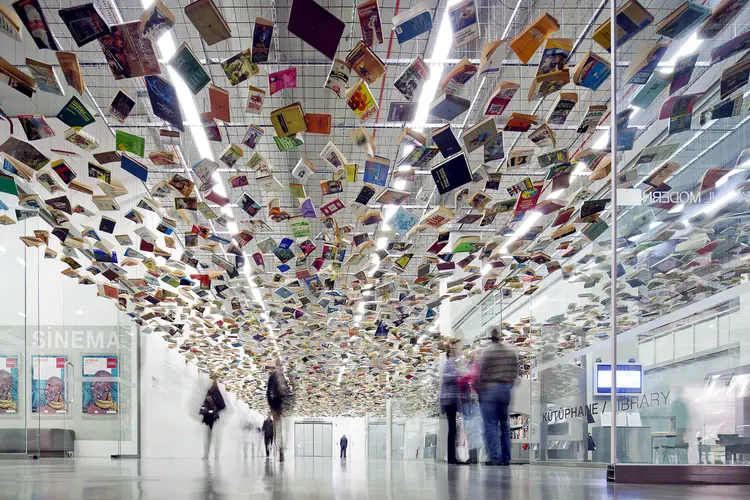
Istanbul’s reputation as a culture-and-art city didn’t happen overnight. Today the museums and galleries in Istanbul cover everything from Byzantine archaeology to the kind of video art you’d expect in Berlin or London, run by private museums, foundation-backed galleries and a handful of state institutions. If you only have a weekend, picking the right four or five of these 16 will tell you more about the city than another round of the usual landmarks.
1. Sakıp Sabancı Museum
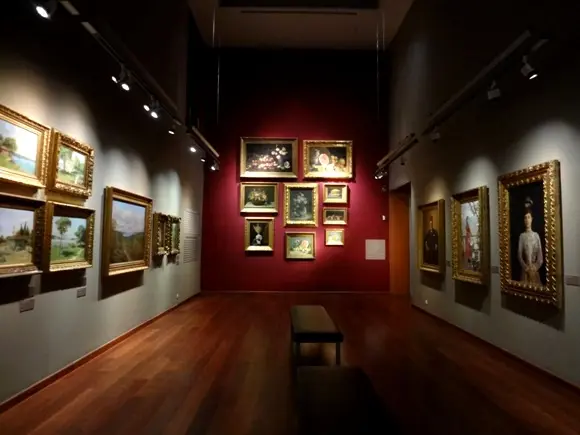
Opened in 2001, the Sakıp Sabancı Museum was one of Türkiye’s first large private museums, and it’s hosted some of Istanbul’s biggest touring exhibitions since. Housed in the Atlı Köşk mansion in Emirgan, on the European shore of the Bosphorus, it has shown work by Picasso, Rodin, Rembrandt, Anish Kapoor, Sophie Calle and Monet over the years. Its own collection is no afterthought. Ottoman calligraphy, painting and furniture make it worth an hour even without a touring show on. sakipsabancimuzesi.org
2. Istanbul Modern
Opened in 2004 and billed as Türkiye’s first museum dedicated to contemporary art, Istanbul Modern built its early reputation in a converted warehouse in Tophane before moving into a purpose-built Renzo Piano building on the same waterfront site. The collection leans heavily on painting and photography. Major names in Turkish contemporary art—Ali Kazma, Kutluğ Ataman and Burhan Doğançay among them—share the space with a rotating international program. istanbulmodern.org
3. Istanbul Archaeology Museums
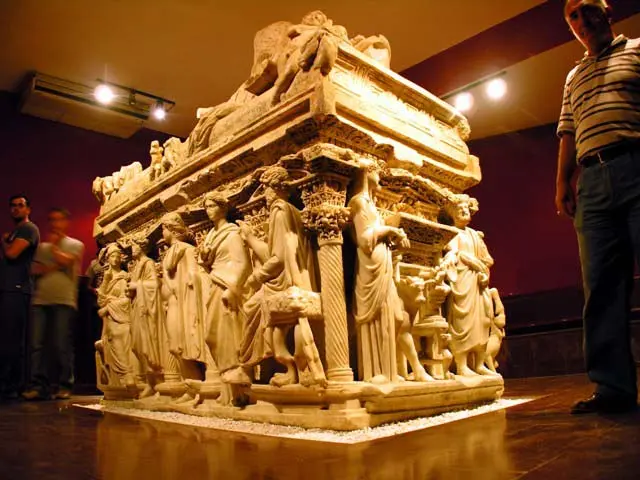
Founded in 1891 by Osman Hamdi Bey, the painter and archaeologist who essentially introduced archaeology as a discipline to the country, this museum complex holds well over a thousand pieces. The building is the first exhibit. Set near Gülhane Park, it’s grand enough to be worth the visit on its own—a deliberate echo of the classical museums of its era. And the reach is wide: the collection spans the old Ottoman territories, from the Balkans to North Africa, which makes it one of the broadest archaeological holdings in the region.
4. SALT Galata / SALT Beyoğlu
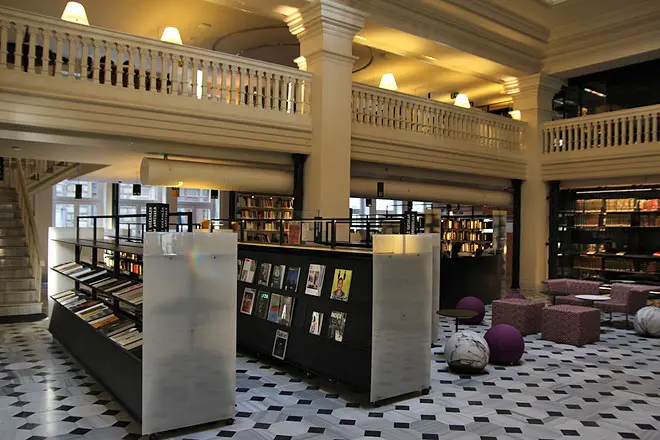
SALT opened in 2011 under Garanti BBVA’s cultural foundation and runs its program out of a historic building in Galata, in a restored former Ottoman Bank headquarters that also holds the bank’s own archive. The Galata space tends toward research-driven and archival shows. SALT Beyoğlu, its sibling on İstiklal Caddesi, has traditionally carried more contemporary exhibitions. saltonline.org (unconfirmed: confirm whether both SALT locations are currently operating, since SALT has reorganized its exhibition spaces in recent years.)
5. Arter
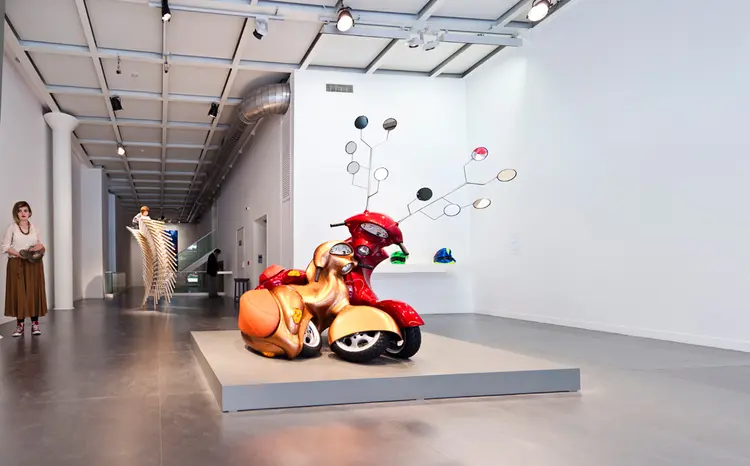
Funded by the Vehbi Koç Foundation, Arter has been a fixture on İstiklal Caddesi in Beyoğlu since 2010, with a program that leans toward politically engaged contemporary art. Past exhibitions have included work by Patricia Piccinini and Mona Hatoum, among many others. Arter later expanded into a larger, purpose-built space in Dolapdere, so it’s worth checking which address is currently showing before you go. arter.org.tr (unconfirmed: confirm current Arter address—İstiklal Caddesi original space vs. the newer Dolapdere building.)
6. Pera Museum
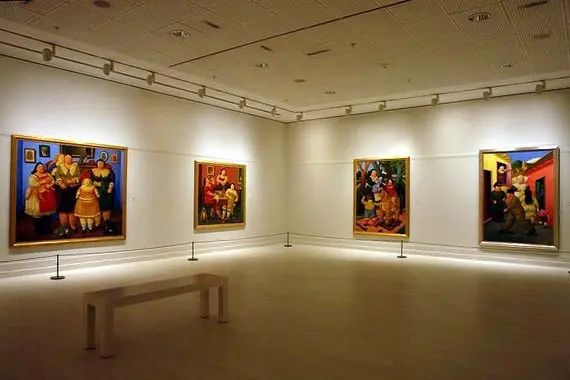
Run by the Suna and İnan Kıraç Foundation, Pera Museum has hosted major exhibitions since 2005 out of the historic Bristol Hotel building in Tepebaşı. It’s shown work by Frida Kahlo, Picasso, Diego Rivera and Goya. The program sticks mostly to classical exhibitions, with the occasional archaeological show. Its own painting collection includes “The Tortoise Trainer,” one of Osman Hamdi Bey’s best-known works and a cornerstone of Turkish painting. peramuzesi.org.tr
7. Turkish and Islamic Arts Museum
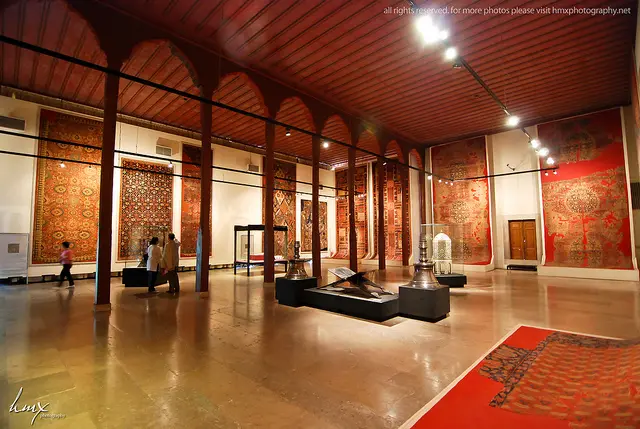
Founded in the late 19th century, the Turkish and Islamic Arts Museum holds one of the country’s richest collections, housed in the İbrahim Pasha Palace near Sultanahmet. Carpets are the draw. Standouts include rare Seljuk carpets, prayer rugs dating to the 1400s, and animal-motif carpets from 1600s Anatolia that European collectors historically called “Holbein carpets” (despite the name, they’re Anatolian through and through). Because it’s a state museum, check its current status and hours on the Ministry of Culture and Tourism’s official museums portal before you go. (unconfirmed: the source article (2013) noted the museum was closed for restoration from mid-2012; confirm current opening status and hours before publishing.)
8. Borusan Contemporary
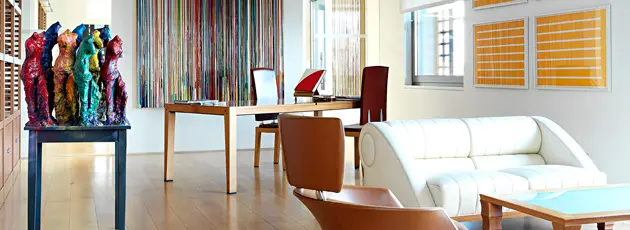
Set inside the Perili Köşk (“Haunted Mansion”), one of the most distinctive buildings along Rumelihisarı on the Bosphorus, Borusan Contemporary focuses on media art broadly defined—work built on time, light, technology, video and software. The building doubles as an office during the week and opens to visitors on weekends. Plan for a Saturday or Sunday. borusancontemporary.com (unconfirmed: confirm current weekend-only visiting hours.)
9. Dirimart
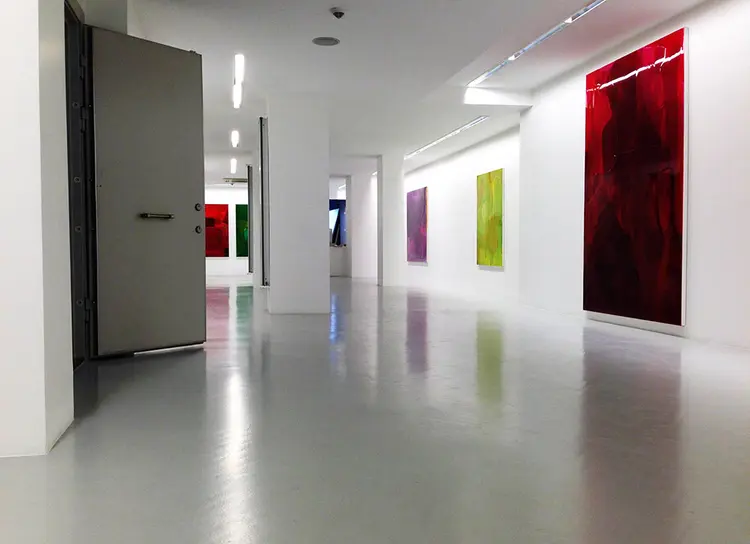
Dirimart has been open since 2002, which puts it among Istanbul’s earlier contemporary galleries, and in that time it has built a program focused on younger contemporary artists. It’s based in Nişantaşı, one of the city’s more upscale shopping districts. Handy for an afternoon in the neighborhood. dirimart.org
10. Elipsis Gallery
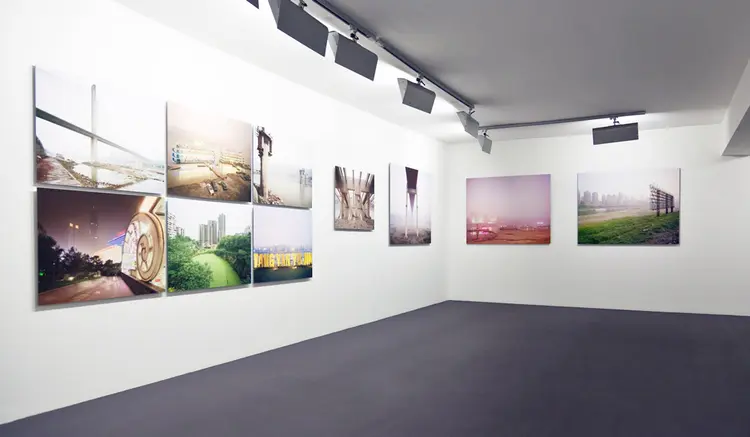
Photography is the whole point here. Founded as Türkiye’s first gallery dedicated specifically to photography, Elipsis sits in the backstreets of Karaköy and set out to represent Turkish contemporary photography internationally—it’s regularly named among Istanbul’s more distinctive smaller galleries. elipsisgallery.com
11. Apel
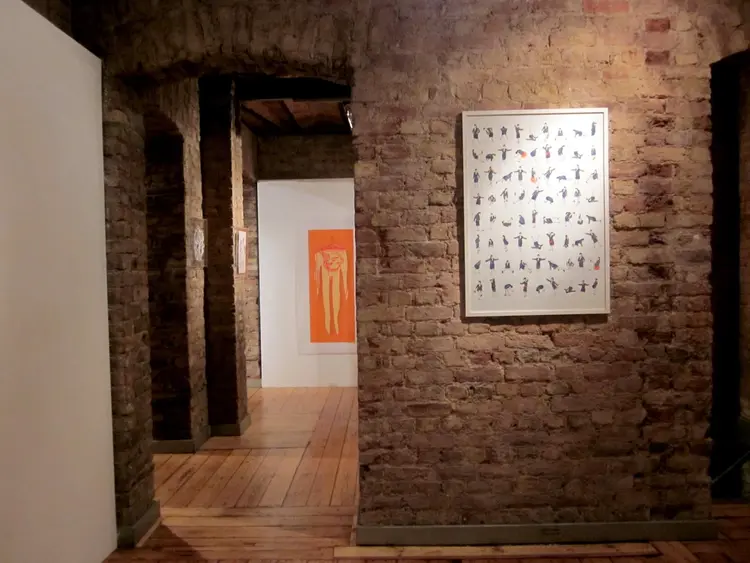
Founded in 1998, Galeri Apel is known for thematic group shows rather than single-artist retrospectives. It’s based in Galatasaray. Its exhibitions mix modern and historical perspectives instead of sticking to one era. galleryapel.com
12. Galerist
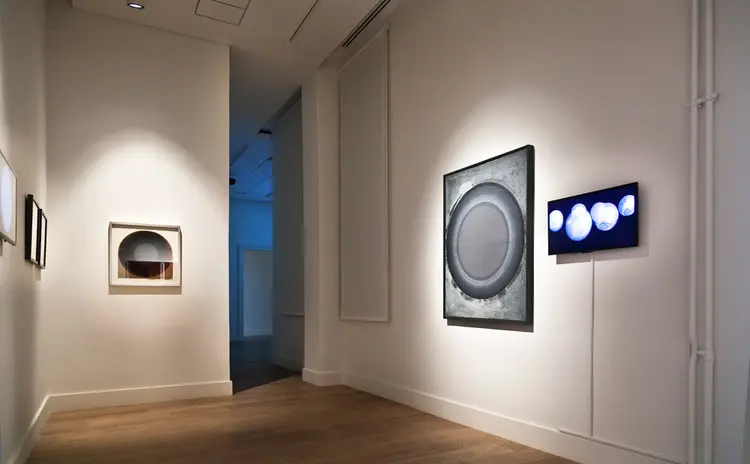
One of the more talked-about galleries of recent years, Galerist has built a reputation for getting its roster of younger artists into international art fairs. It has historically run two exhibition spaces, in Tepebaşı and Hasköy. galerist.com.tr
13. Pi Artworks
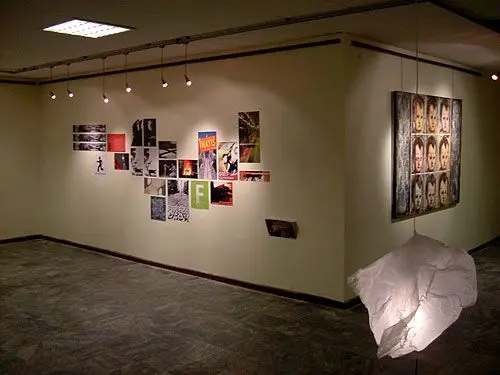
Pi Artworks goes back to 1998. That puts it among the earlier players in Türkiye’s commercial gallery market, and its Galatasaray gallery regularly shows Turkish and international artists side by side. piartworks.com
14. Rampa
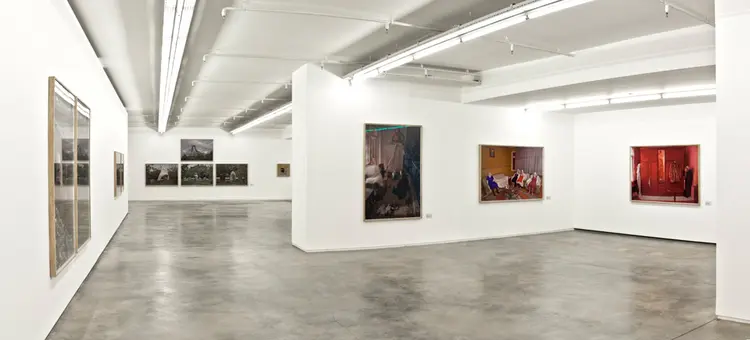
Based in Beşiktaş, Rampa pairs its exhibition program with a fund supporting academic research into art. Not the usual model for an Istanbul gallery. Turkish contemporary artists Servet Koçyiğit and Cengiz Çekil are among the names who have worked with the gallery. (unconfirmed: rampaistanbul.com no longer resolves to the gallery; confirm Rampa’s current website and whether the Beşiktaş space is still active before publishing.)
15. Rodeo
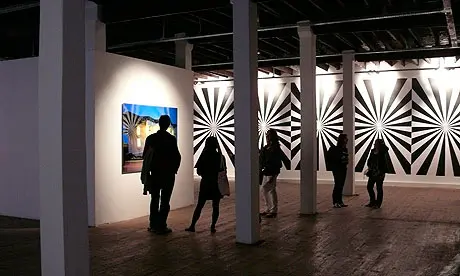
Founded in 2007, Rodeo initially focused on Turkish, Greek and Cypriot artists before broadening into international exhibitions, with a program that favored avant-garde work. The gallery later expanded its operations to London under the name Sylvia Kouvali, after its founder. Where that leaves the Istanbul side is genuinely unclear. (unconfirmed: confirm whether an Istanbul exhibition space is still open under either name—rodeo-gallery.com now redirects to sylviakouvali.com with no live Istanbul listing.)
16. Galeri NON
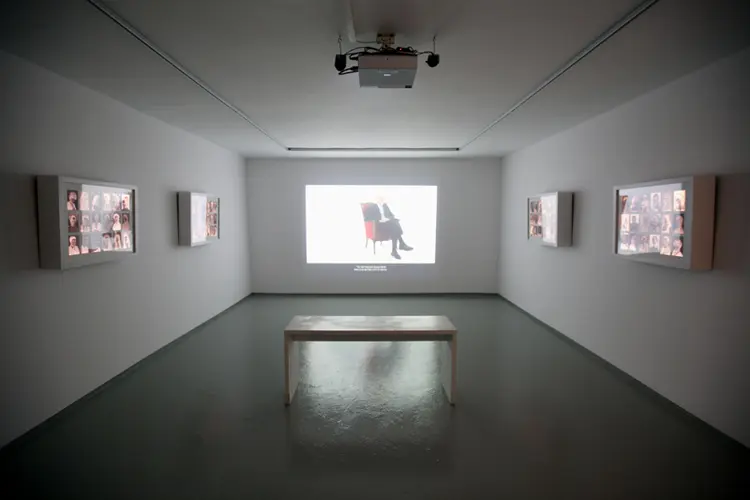
Galeri NON rounds out this list. It’s one of Istanbul’s smaller independent contemporary art spaces, with a program known for emerging and mid-career Turkish artists rather than big international names. (unconfirmed: the Turkish source article’s description of this venue was missing/incomplete; confirm current address, program focus and operating status before publishing—nothing here beyond general positioning should be treated as current fact.)
So which four or five? It depends on what you came for. Visitors chasing big international names will get more from Sakıp Sabancı and Pera, which between them have shown Picasso, Rodin, Frida Kahlo and Goya, while anyone tracking younger artists is better off at Dirimart or Galerist. Geography matters too. Emirgan and Rumelihisarı sit well up the Bosphorus from the Karaköy and Galatasaray galleries, a gap most first-time visitors only notice once they try to fit both into one afternoon.
If museums are more your pace than galleries, the Ministry of Culture and Tourism publishes yearly visitor numbers for Türkiye’s state museums, which is a useful way to see how Istanbul’s institutions compare nationally. Contemporary art followers should also keep an eye on İKSV, the foundation behind the Istanbul Biennial, since its program often overlaps with several of the galleries above.
Sources: Republic of Türkiye Ministry of Culture and Tourism museums portal; Ministry of Culture and Tourism museum and tourism statistics; Istanbul Foundation for Culture and Arts, İKSV.


Bir yanıt yazın