
Best Hamams in Istanbul: 12 Spots Worth Your Time


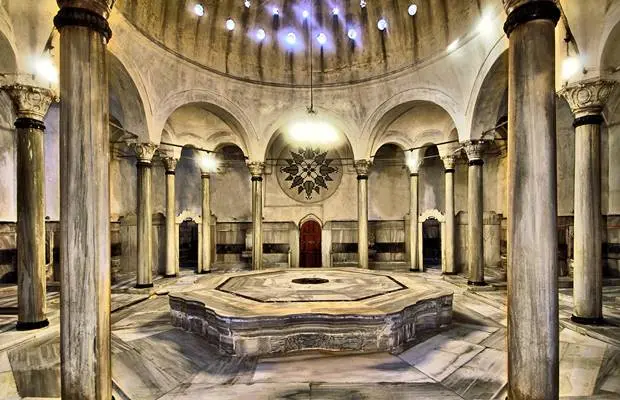
Winter has a way of pulling you toward warm, enclosed spaces, and a good hot shower only gets you so far. A Turkish hamam goes further. Think hot marble slab, rough kese scrub, and skin that genuinely feels new afterward. The best hamams in Istanbul span more than five centuries, from Ottoman-era originals to the ones tourists line up for.
1. Çatma Mescit Hamamı
This Beyoğlu hamam opens the list, and it has history behind it: the Ottoman court architect Mimar Sinan built it in 1533. According to local accounts, Sinan originally designed a larger “Büyük Hamam” for Kasım Pasha, then added Çatma Mescit Hamamı next to it for shipyard workers and local residents who weren’t welcome in the grander bath. Revenue from the smaller hamam reportedly helped fund the nearby mosque’s upkeep. The building was restored recently and now sits inside a boutique hotel, which makes it one of the more comfortable options on this list. Bookings are private. Individuals and groups get the space to themselves, and the massage therapists it brings in were trained in Bali and Thailand. Soap is only the start: treatments here also use edible oils, honey and milk. Full details: the hamam’s own site.
2. Süleymaniye Hamamı
One of the most recognizable names on this list. Sultan Süleyman the Magnificent commissioned this hamam in 1557, and it kept operating until 1924, when it closed its doors and stayed shut for decades before a full restoration finally brought it back to life in 2004.
Capacity is limited. Booking ahead is essential. It’s a unisex hamam with no separate men’s and women’s sections, and judging by how it markets itself online, its clientele leans toward families and visitors.
3. Cağaloğlu Hamamı
Built in 1741 under Sultan Mahmud I to help fund the library attached to the Hagia Sophia mosque, as the hamam’s own history page explains, Cağaloğlu Hamamı sits on Prof. Kazım İsmail Gürkan Street, between Sultanahmet and the Cağaloğlu district. The style is Ottoman with a Baroque streak. Over nearly 300 years, the guest list reportedly includes Kaiser Wilhelm II of Germany, Britain’s King Edward VIII, and, by most accounts, Florence Nightingale. What sets it apart? An on-site bar, restaurant and café, which none of the other eleven offer. Treatments cover the full range: kese scrubs, dry massage on the heated marble platform, oil massage and a foam wash.
4. Ayasofya Hürrem Sultan Hamamı
Commissioned by Süleyman the Magnificent for his wife Hürrem Sultan, this hamam sits between the Hagia Sophia and the Blue Mosque (Sultanahmet Mosque). It’s more than 450 years old. Massage here is taken seriously: most staff have formal training. Package names like Zevk-i Sefa, Keyf-i Hamam, Pir-i Pak and Ab-ı Hayat each promise a different level of pampering, and between treatments you can expect Ottoman-style refreshments too: sherbet, Turkish delight, apricots, walnuts and tea. Overdue for a proper scrub? Bookmark this one.
5. Çemberlitaş Hamamı
Another Mimar Sinan building, this one commissioned not by a sultan but by Nurbanu Sultan, mother of Murad III. Four centuries on, it’s still running. Once you’re in, you may not want to leave. The treatment menu runs to aromatherapy oil massage, reflexology, Indian head massage, clay masks and a “sultan’s bath” package, and its Gelin Hamamı, a bridal bath tradition that’s become popular again recently, comes with or without a shared meal for the group. Çemberlitaş Hamamı is one of the better-known names on any list of the best hamams in Istanbul. The polish shows.
6. Ağa Hamamı
After Galatasaray Hamamı, this is one of the most popular hamams in Beyoğlu. Fatih Sultan Mehmet, the sultan who conquered Constantinople, had it built in 1454, and in its early years it was reserved for the sultan and the princes of the court. Today it’s a tourist favorite. It’s also easier on the wallet than most.
Galatasaray Hamamı is about 100 meters away, so hamam-hoppers can easily compare the two.
7. Çinili Hamamı
For this one, cross over to Üsküdar, on the Asian side, away from the usual tourist circuit. Kösem Sultan had it built in 1640, and it takes its name (“tiled”) from the İznik tiles that once decorated it. They’re long gone, stolen at some point in the hamam’s history. A real loss, and not one anyone can undo. So don’t go looking. What you will notice is how open the space feels: high domes and a wide floor plan make it airier than most historic hamams, which tend to be dim and close. It’s open daily. Treatments include an optional foam massage, kese scrub and oil massage, and bridal and henna-night bookings are available too.
8. Tarihi Galatasaray Hamamı
Sultan Bayezid II had this one built in 1481, and it’s served its share of pashas, grand viziers, judges and sultans over the centuries. It’s on Turnacıbaşı Street, the lane linking İstiklal Avenue to Çukurcuma, lined with the kind of cafés, antique shops and design stores that make the walk there half the fun. The Go Türkiye tourism board’s two-day hamam route through Istanbul builds an entire day around a visit here. Treatments stick to the classics. Expect a kese scrub, soap massage, foam bath and oil massage.
Private events get extras. Book the whole hamam and you can add a live fasıl set (traditional Ottoman-Turkish ensemble music) or a belly dance show.
9. Acemoğlu Hamamı
Inside the historic Celal Ağa Konağı complex, Acemoğlu Hamamı is considered one of the finer surviving examples of Ottoman bath architecture, and like several others on this list, it’s credited to Mimar Sinan. Its exact age and restoration history are debated among local sources. Honestly, nobody can say for sure. So take any claim that it’s Istanbul’s single oldest hamam with a pinch of salt.
The real draw? A chocolate mask. It gets added to the usual kese-and-foam routine, a small but memorable twist on the standard treatment.
10. Kılıç Ali Paşa Hamamı
“Light as a bird” is the usual description people reach for after a visit here. It tends to hold up. Now a landmark building in Tophane, this hamam was commissioned between 1578 and 1583 by Kılıç Ali Pasha, the Ottoman admiral known as the “Conqueror of the Seas,” and built by Mimar Sinan. Beyond the standard treatments, it also runs bridal baths, “groom’s baths” and group celebration packages. Then there’s the shop. Derya, the on-site shop, stocks peştemal towels, bathrobes, loofahs, keses, bath bowls and stamped soaps, so you can take a piece of the ritual home.
One visit tends to be the start of a habit, not the end of one.
11. Mihrimah Sultan Hamamı
Edirnekapı is next. The hamam sits near the old city walls. Mimar Sinan built it in 1565 for Mihrimah Sultan, daughter of Süleyman the Magnificent.
The routine is simple. Start by sweating it out on the heated marble platform or in the sauna, then move on to the combination of dry massage, kese and foam massage, and you’ll come out exactly the way a hamam should leave you: pink-cheeked and renewed. Few things rinse off a long week quite like it.
12. Gedikpaşa Hamamı
The last stop on this list sits close to the Grand Bazaar. Its namesake, Gedik Ahmet Pasha, commissioned it in 1475 from Mimar Hayrettin, one of the period’s most prominent architects, and the result is a çifte hamam, meaning separate sections for men and women rather than a unisex layout. That makes it the mirror image of Süleymaniye Hamamı back at number 2: families and mixed groups tend to suit the unisex Süleymaniye, while travelers who’d rather keep men and women apart will be more at ease here.
Sources: Go Türkiye, the official tourism board of Türkiye, on its Istanbul hamam route; Cağaloğlu Hamamı’s own history page; Çatma Mescit Hamamı’s official site.



Bir yanıt yazın