
The 3 Cleanest Cities in the World, Plus One Warning


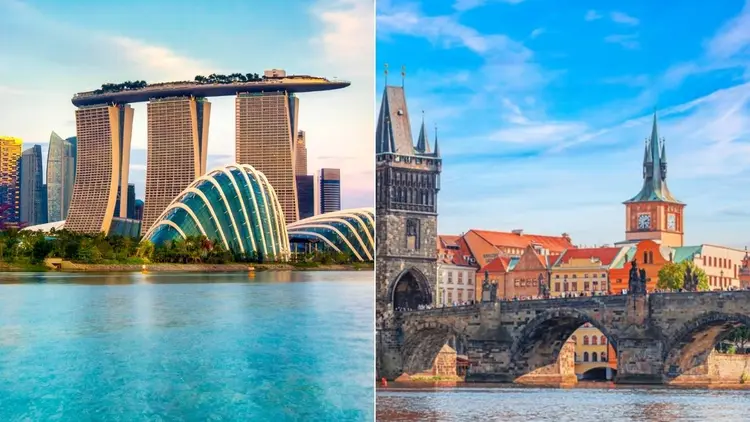
Hotels, flights and the hunt for a decent breakfast usually top the planning list, while street cleanliness rarely makes it on, even though an overflowing bin outside that photogenic café can sour a whole trip. To find the cleanest cities in the world for travelers, US dumpster rental company Eagle Dumpster Rental scored popular tourist cities on how much waste they produce, how well they manage it, and how clean the public thinks they are, then gave each a “street cleanliness score.” The study, reported by Travel + Leisure, put three cities at the top and one famous capital at the bottom.
1. Singapore

Singapore took first place, and few people who have walked its streets will be surprised.
The city-state treats tidiness less as a chore and more as a shared habit. Part of that comes from enforcement. According to Singapore’s National Environment Agency, a first littering conviction can bring a court fine of up to S$2,000 (approx. $1,500), and courts can also order offenders to clean public areas for up to 12 hours. The study also credited the city’s waste disposal practices and its low trash output per person, so the cleanliness starts before anything reaches the street.
Chewing gum has its own chapter. The popular story says gum is banned outright. It isn’t. Selling it has been illegal since 1992, as Wikipedia notes, but chewing it is legal, and travelers may bring a small amount for personal use.
Spitting it out on the sidewalk is another matter.
2. Copenhagen
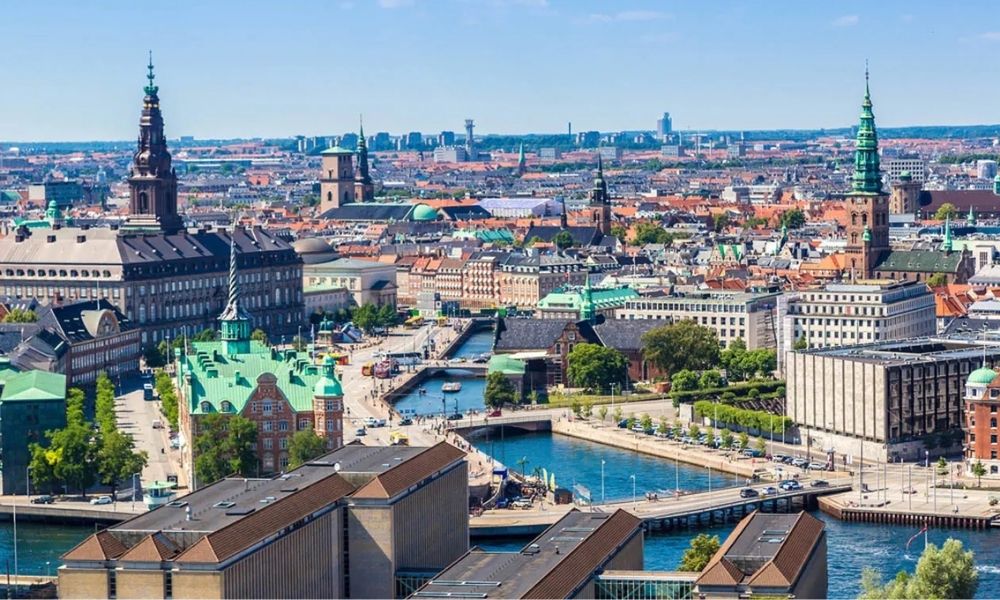
Denmark’s calm, green capital came in right behind Singapore. The study singled out its waste services, and in particular a program called Circular Copenhagen, which puts plenty of recycling and sorting bins within easy reach of residents, with a separate place for glass, plastic and food waste. Bins alone aren’t the point. The habit of actually using them matters just as much. And it shows on the sidewalks.
3. Prague
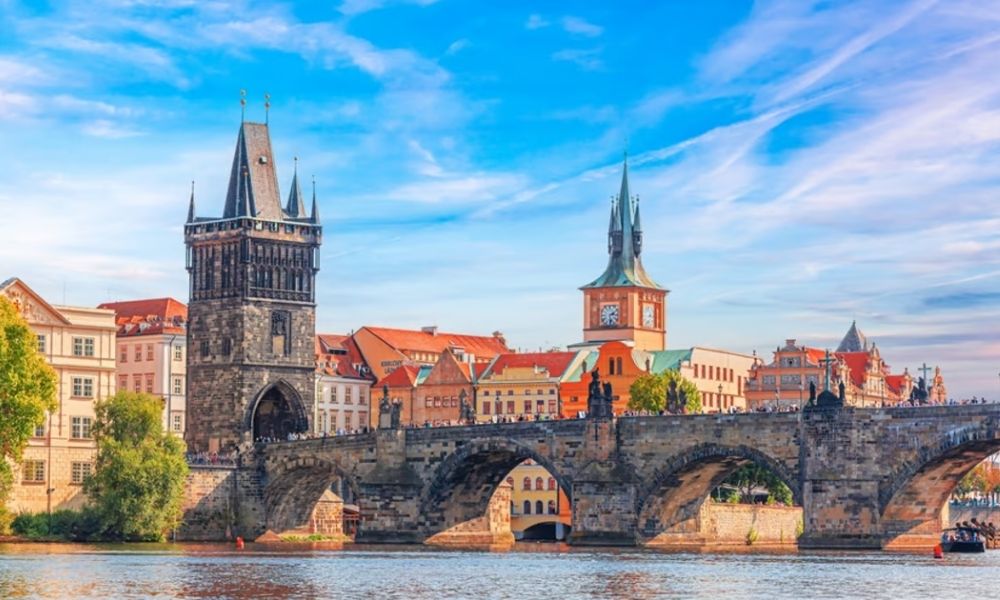
Prague looks like it was lifted from a storybook, and the study suggests it is as tidy as it is pretty. So how does a city packed with tourists stay this clean? The numbers explain a lot. Residents produce about 307 kg (676 lb) of waste per person a year, while the average American produces roughly 816 kg (1,800 lb), which puts Prague at a little over a third of the US figure.
It adds up. Producing less trash in the first place makes the job of keeping the streets clean far easier, even with tourist crowds filling the Old Town. Walking the historic center can feel almost too neat to be real.
4. Bonus: Rome, the cautionary tale
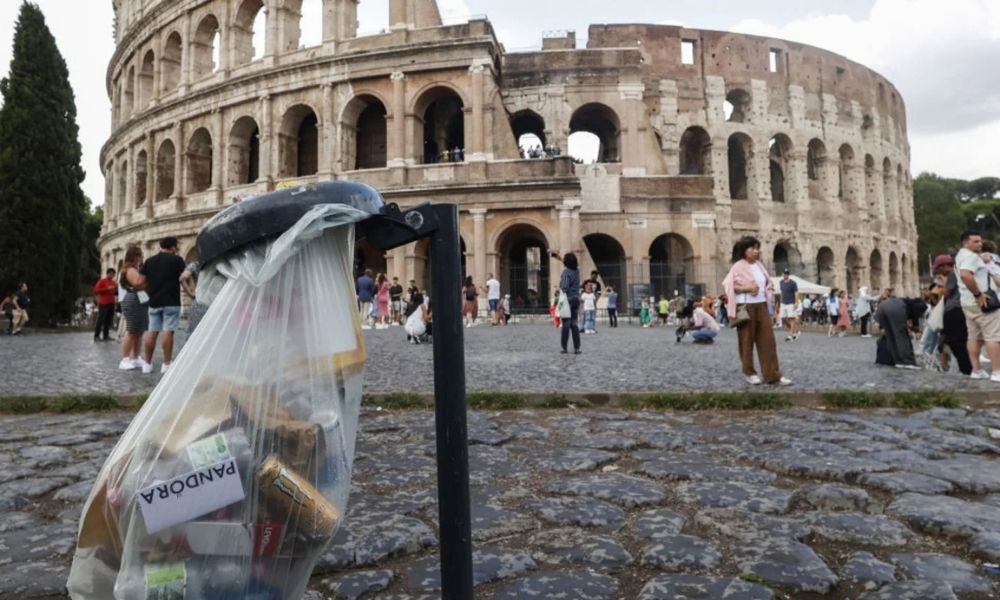
Now for the less flattering result. Among the popular tourist cities in the study, Rome ranked last for cleanliness, with visitors and locals often complaining about garbage piling up in the streets.
The history, the architecture and the food are all still there. So, too often, is the trash. Brian McDaid, the recycling expert at Eagle Dumpster Rental, told Travel + Leisure that the problem lies with “the city’s ancient infrastructure,” which was never built for modern waste habits. Streets laid out centuries ago weren’t designed for garbage trucks or today’s volume of waste, and there’s no easy fix for that. Compare that with Prague, another historic city that ranked near the top largely because it produces so much less waste. Rome is still a spectacular place to visit. If clean streets matter a lot to you, though, go with realistic expectations.
Sources: Mental Floss: The World’s Cleanest Cities, National Environment Agency (Singapore): 2025 Year in Review, Wikipedia: Chewing gum sales ban in Singapore




















Bir yanıt yazın