
Blue Zones: 10 Habits of People Who Live the Longest



A handful of places on the map produce an unusual number of people who reach their 90s and 100s, and they are known as blue zones. The name sounds like science fiction, but the habits behind it are surprisingly ordinary: what goes on the plate, how people move, who they eat with. None of it is locked in a vault, which makes a few of the ideas easy to steal.
What is a blue zone?

The label grew out of demographic research in Sardinia, published in 2004, in which scientists marked villages with many long-lived residents in blue pen on a map. Blue ink, literally. Author Dan Buettner took the idea global in 2005, working with National Geographic, and turned it into the best-known shorthand for longevity hotspots.
What makes these regions different?

Rates of chronic disease are low, people live longer than in most other places, and they tend to keep enjoying life well into old age. Health havens, more or less, and not by accident.
Where are the blue zones?

Buettner’s book The Blue Zones made five regions famous:
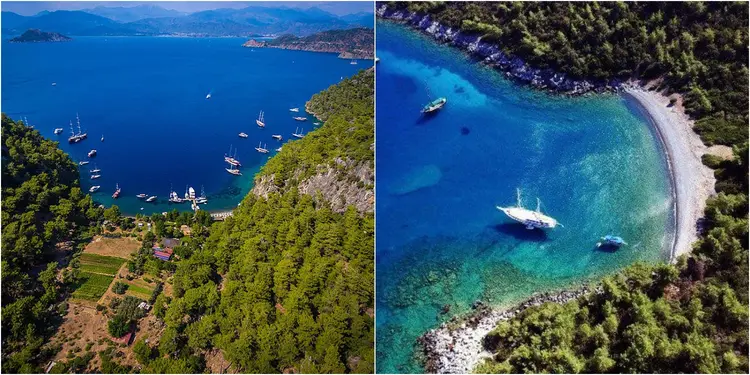
- Ikaria, Greece: On this Aegean island, the diet leans on olive oil, red wine and fresh vegetables, while a slow pace of life and close social ties do the rest.
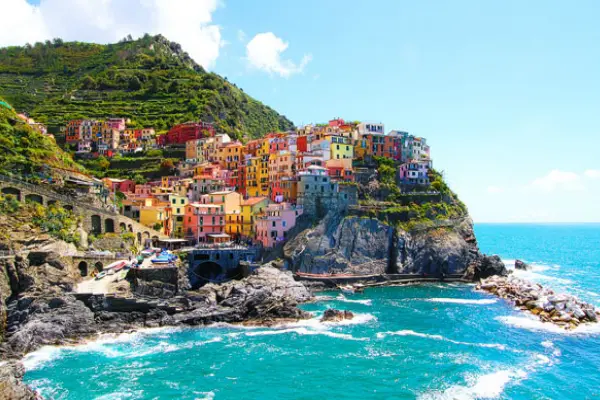
- Sardinia, Italy: The mountainous Ogliastra area is home to some of the oldest men in the world. Many work the land, drink red wine and stay physically busy every day, surrounded by tight family networks.
- Okinawa, Japan: Home to some of the world’s oldest women. A soy-rich diet, the gentle movement practice of tai chi and the idea of ikigai, a reason for being, all play a part.
- Nicoya Peninsula, Costa Rica: Beans and corn tortillas fill the plate, people keep doing physical work into old age, and they live by a “plan de vida,” a life plan or purpose.
- Loma Linda, California (US): A community of Seventh-day Adventists, many of them vegetarian, living in close-knit congregations.
The concept is not without critics. Demographers have questioned some of the age records, particularly in Okinawa, where many family registers were destroyed in 1945, and reviews point out that no controlled studies have tested the blue zone diets directly. Fair questions, and there is no tidy answer to them yet.
So what do blue zone residents have in common?

Mostly plants on the plate, movement built into the day, strong social bonds and a sense of meaning. None of these habits is exotic. Together, though, they are associated with longer lives and lower rates of disease, and they break down into ten patterns.
1. A plant-based diet

Around 95% of what people eat in the blue zones comes from plants. Do they skip meat? Not entirely. It just shows up rarely, about five times a month on average.
Research backs the habit. Diets low in red and processed meat have been linked to lower risks of heart disease, some cancers and early death. Here’s what fills the plate instead:
- Vegetables: Eating several servings a day is associated with lower rates of heart disease and death. Plenty of vitamins and fiber, too.
- Legumes: lentils, beans, chickpeas
- Whole grains, which are linked to lower blood pressure and a reduced risk of cancer and heart disease
- Nuts: Walnuts, almonds and hazelnuts bring healthy fats and protein, and some studies suggest they may even help reverse metabolic syndrome.
- Fish: a regular source of omega-3s
In Ikaria and Sardinia, fish is a staple. Omega-3-rich fish supports heart and brain health and may slow the cognitive decline that comes with aging.
2. The 80% rule: hara hachi bu

Okinawans have a saying for it: hara hachi bu, stop eating when you feel 80% full. It keeps overeating in check. Why 80%? Fullness hormones only peak in the blood about 20 minutes after a meal, so the signal that says “enough” always arrives late. Eat slowly, and that delay works in your favor.
3. Fewer calories

Eating less may buy time. A 25-year study in monkeys linked eating 30% fewer calories than normal to a significantly longer lifespan. Monkeys, not people, so treat it as a hint rather than proof. In Okinawa, people were in a calorie deficit before the 1960s, which may have contributed to their longevity.
There’s a timing habit, too. In several blue zones the smallest meal of the day comes in the late afternoon or early evening, so the body isn’t busy digesting a heavy dinner overnight. Hara hachi bu again, only applied to the clock instead of the plate. Anyone thinking about cutting calories seriously should talk to a doctor first.
4. Moderate drinking

In Ikaria and Sardinia, a glass or two of red wine a day is part of ordinary life rather than a weekend event, and some research has tied this level of drinking to benefits for heart health, though that link remains debated.
Why red wine in particular? It contains antioxidants from the grapes. Sardinia’s Cannonau, made from Grenache grapes, is known for especially high antioxidant levels, compounds that may help protect against DNA damage.
The catch is the word “moderate.” Heavier drinking raises the risk of death, so the blue zone lesson is less “drink wine” and more “don’t overdo it.”
5. An active lifestyle

Nobody in the blue zones is chasing a gym membership. They garden, walk, cook and climb hills. Daily life asks them to. One study of Sardinian men linked their longevity to raising farm animals, living on steep mountain slopes and walking long distances to work.
Compare that with the standard advice: the Physical Activity Guidelines for Americans recommend at least 150 minutes of moderate activity a week. A Sardinian shepherd likely covers that without ever thinking about it. Taking the stairs or walking to the shop is a small start in the same direction.
6. Enough sleep

Four hours a night is not a badge of honor in the blue zones.
People there take rest seriously and sleep as long as their bodies need, and one review of 35 studies found about seven hours to be the sweet spot.
Then there’s the Mediterranean siesta. Short naps of 30 minutes or less may be good for the heart, while longer ones have been linked to higher risk.
7. Faith and community

Blue zones tend to be religious communities. The faith itself varies. Belonging to one is associated with lower death rates in research, likely because it brings regular social support and lower rates of depression. A weekly ritual of any kind, from a service to a quiet walk, offers some of the same structure.
8. A reason to get up in the morning

Ask someone in a blue zone what they are living for, and they usually have an answer, whether it goes by ikigai in Okinawa or “plan de vida” on Costa Rica’s Nicoya Peninsula. Same concept, two languages.
A sense of purpose makes people feel better and is linked to longer lives.
It doesn’t have to be grand. A hobby, a goal or someone who depends on you can be enough.
9. Close family ties

Grandparents in the blue zones often share a roof with their children and grandchildren, and research suggests that those who help look after the grandchildren may live longer.
Family closeness feeds more than the soul here. It shows in the numbers.
10. A healthy social circle

Okinawans call it a moai: a small, committed group of friends who support each other for life. Social networks cut both ways. Friends with healthy habits tend to pull you toward them, and friends with unhealthy ones can drag you the other way. Which is why blue zone self-care often comes down to choosing good company, and perhaps finding people who share your health goals.
Sources: Healthline, Wikipedia
















Bir yanıt yazın