
6 Ways to Calm Turbulence Anxiety on a Flight


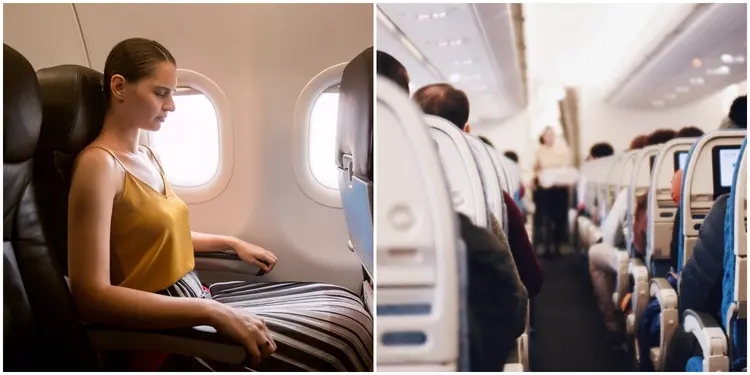
The flight is calm, the drinks cart is rolling, and then the cabin drops and shudders for no visible reason. Take-off, bad weather and turbulence rank as the parts of flying that make people most anxious, so if your hands grip the armrest at the first bump, you have plenty of company. Here are 6 ways to keep turbulence anxiety under control while the plane rides it out.
1. Remember that planes are built for turbulence

It feels like a warning sign. It isn’t. Turbulence does not mean something is wrong with the aircraft. Airliners are designed to fly through rough air, and pilots train specifically to handle it.
The bumps come from the air, not the plane. Wind shear at the edges of a jet stream, sharp temperature differences between air masses, mountain waves and thunderstorms can all shake an aircraft, and one type, called clear-air turbulence, happens in a perfectly blue sky. Hence the sudden jolt. The upside: reading a little about how turbulence forms is one of the simplest ways to make it feel less mysterious, and less frightening.
2. Slow your breathing down

When anxiety rises, breathing speeds up, and fast breathing only feeds the panic. Flight attendants who deal with nervous passengers every week suggest the opposite: slow, deliberate breaths, with your attention on each one, treated as a quiet game of counting in and counting out. It sounds almost too simple, yet the technique travels well. It works in a dentist’s chair as well as at 35,000 feet (about 10,700 m).
3. Ask the crew for an ice pack if you feel sick

For some passengers the real fear is not the shaking but the airsickness that can follow it. Stomach starting to turn? Ask a flight attendant for an ice pack. A Delta flight attendant interviewed by HuffPost recommends placing it on the back of the neck. A small fix, and an easy one to ask for.
4. Tell the flight attendants you are nervous

Cabin crew can only help if they know.
Mention before take-off that flying makes you anxious. Many will check on you mid-flight. Calming worried passengers is part of the job, after all, and the crew have almost certainly seen every version of white knuckles there is.
5. Listen to the pilot’s announcements

When the plane hits rough air, the cockpit often makes an announcement, and captains commonly tell passengers whether the bumps are expected to be brief. Most turbulence is mild and short-lived. Following those updates turns an unknown into a known. That is half the battle with anxiety.
While the seat belt sign is on, keep your belt fastened. No exceptions: that is the one practical step that matters most when the cabin shakes.
6. Ask to move to a seat near the wings

Where you sit matters, at least a little. The back of the cabin tends to feel bumpier, while seats toward the front or near the wings usually give a smoother ride. Flight not full? If your seat is making things worse, ask a flight attendant whether you can move. Booking a seat over the wing next time is a quieter version of the same fix.
Sources: HuffPost, How To Calm Anxiety During Turbulence, According To Flight Attendants, Wikipedia, Clear-air turbulence, Wikipedia, Fear of flying





















Bir yanıt yazın