
Istanbul Museum Pass Places: A Complete Guide to 11 Spots


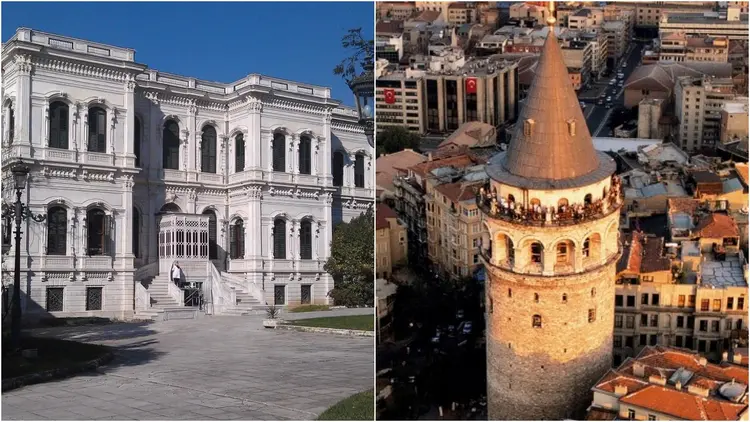
Istanbul packs more history into a single hill than most countries manage in a lifetime. One pass covers a surprising amount of it. The Museum Pass İstanbul lets you skip single-ticket lines at some of the city’s biggest sights, from imperial palaces to a working dervish lodge. These 11 Istanbul Museum Pass places are where it pays for itself.
1. Topkapı Palace
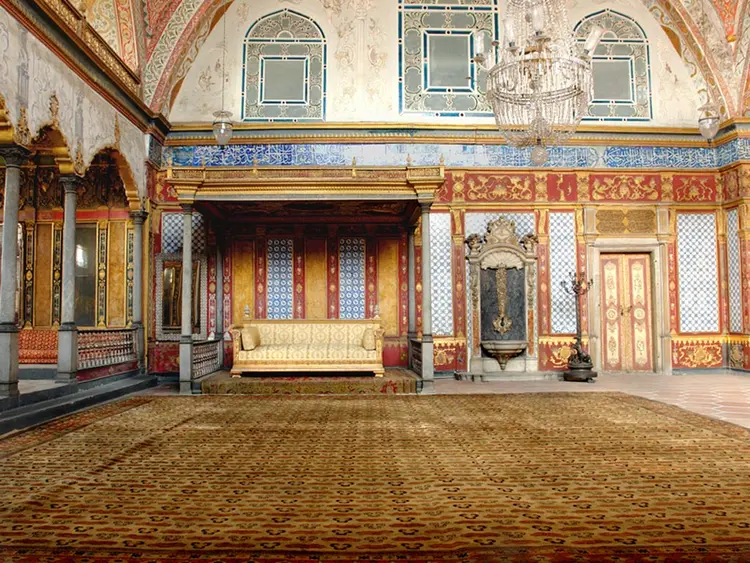
Topkapı Palace is the most dramatic building on the Historic Peninsula skyline, and one of the most visited museums on earth. Twenty-five Ottoman sultans lived here. It’s known for its restrained architecture, sprawling courtyards, and a Bosphorus view that makes the ticket price feel irrelevant, and the Museum Pass covers most of the palace, including the Imperial Treasury and the Chamber of the Sacred Relics. Don’t assume it opens every door here, though. It doesn’t. The Harem and the Hagia Irene church in the palace gardens aren’t covered, so budget separately for those. Plenty of first-time visitors only find that out at the Harem gate.
2. Beylerbeyi Palace
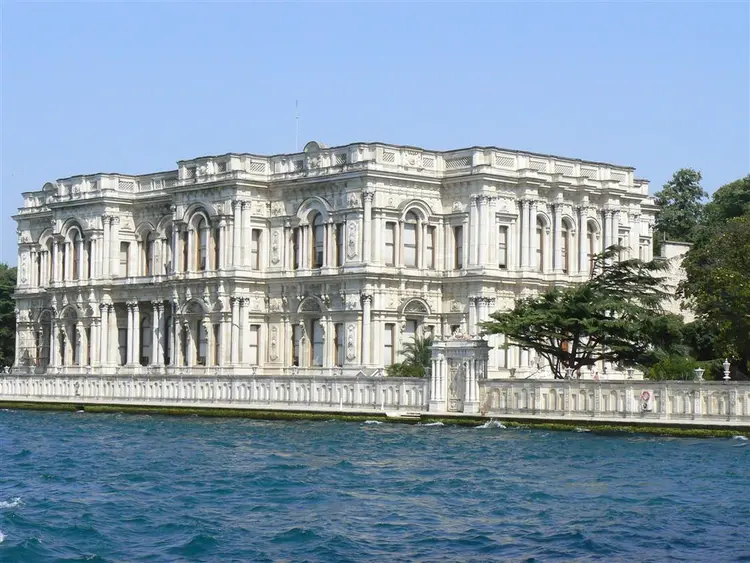
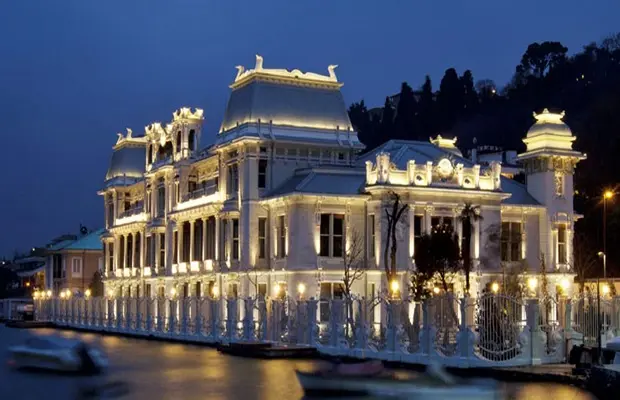
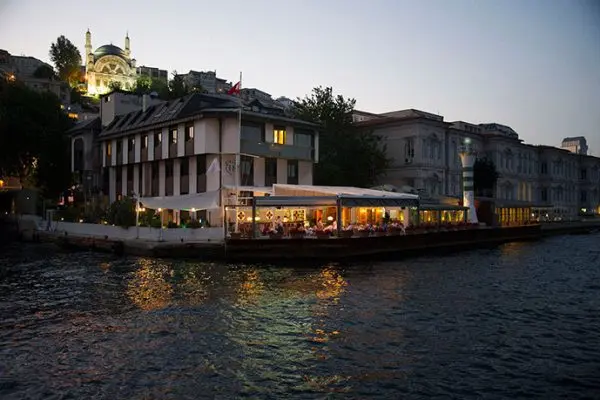
Beylerbeyi Palace is one of the sights locals point foreign friends toward first.
Ottoman sultans lived at Topkapı Palace from the conquest of Constantinople until the 1800s, but shifting court protocol and architectural fashion eventually pushed Sultan Abdülaziz to build a second palace on the Bosphorus. Armenian architect Sarkis Balyan designed it. Inside are 23 rooms and 6 reception halls that blend Eastern and Western styles. The high ceilings and elaborate painted panels alone are worth the trip. Your pass covers entry.
3. Istanbul Archaeological Museums
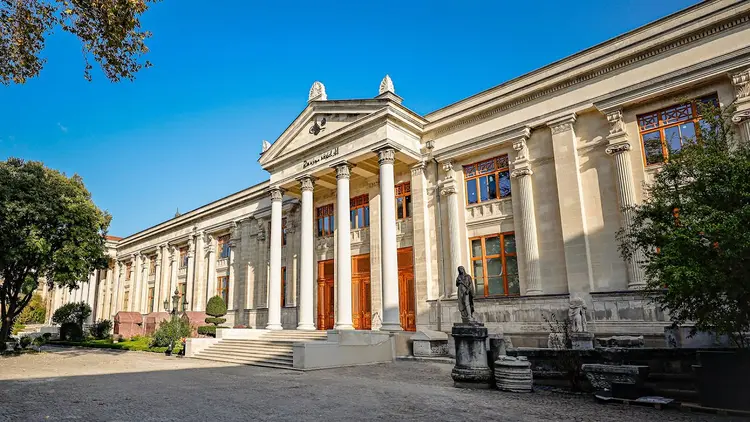
With over a million objects, the Istanbul Archaeological Museums rank among the largest collections anywhere, and the complex holds Türkiye’s oldest purpose-built museum structure, with holdings that span the Balkans, Africa, Anatolia, and the Arabian Peninsula, tracing everything the Ottoman Empire once governed. Two pieces draw the crowds, and for good reason. The first is the original text of the Treaty of Kadesh, the second the Sarcophagus of Alexander. Strictly speaking, the complex is three museums in one: the Archaeological Museum, the Tiled Kiosk Museum, and the Museum of the Ancient Orient. The pass covers all three.
4. Turkish and Islamic Arts Museum
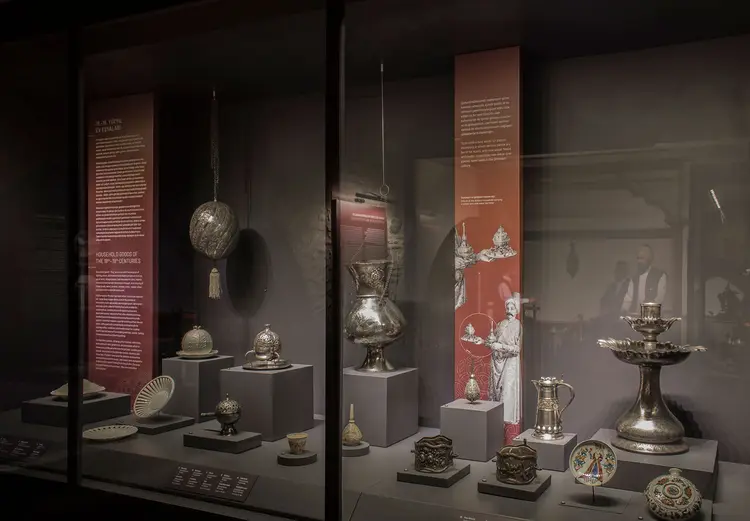
A short walk from Topkapı Palace, on the western edge of Sultanahmet Square, stands the Turkish and Islamic Arts Museum. It’s housed in the former İbrahim Pasha Palace, and it was the first museum in the country built to hold Turkish and Islamic artifacts under one roof. The rare pieces inside span the Abbasid, Mamluk, Seljuk, and Ottoman periods.
Then there are the carpets, and this is where the museum really shows off. It holds one of the country’s most significant collections.
5. Galata Tower
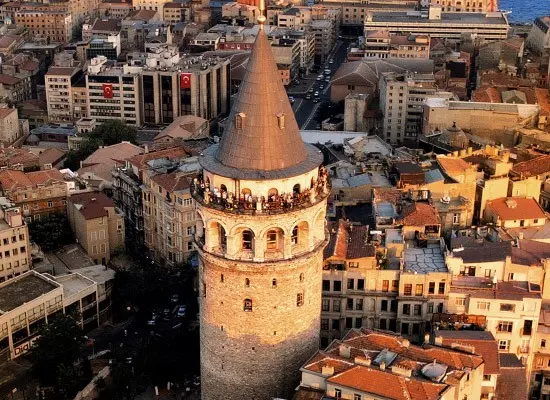
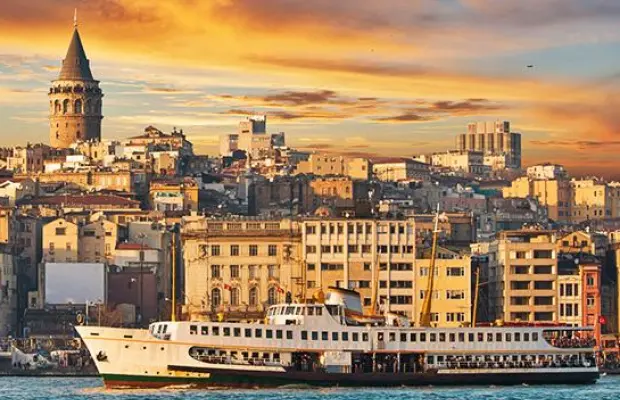
Genoese merchants built Galata Tower in the 14th century, when Galata was their colony on the Golden Horn. The Ottomans later used it as a prison, then converted it into a fire-watch tower before the Istanbul Metropolitan Municipality restored it and opened it to visitors in the 1960s. Then came another handover. Once it passed to the Ministry of Culture and Tourism, the tower became Museum Pass-eligible. Check before you go. Management of city landmarks can change, so reconfirm the current eligibility and operator, but whoever runs it today, the tower remains one of the best panoramic viewpoints in the city.
6. Rumeli Fortress
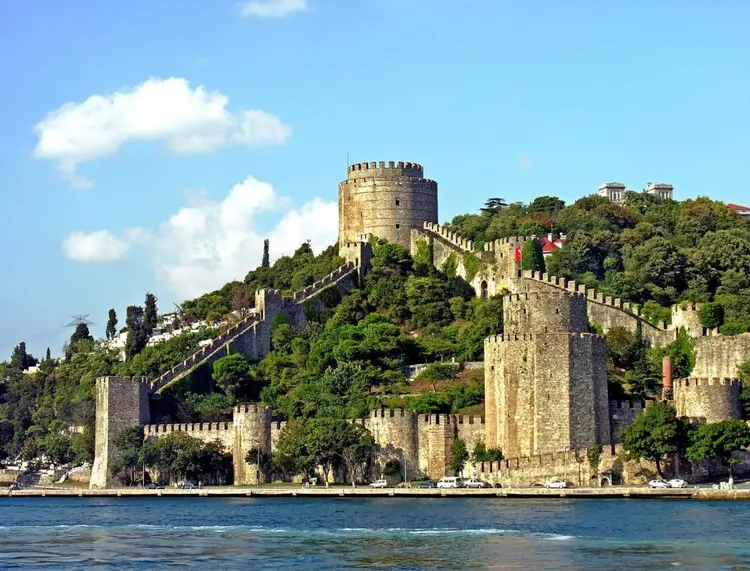
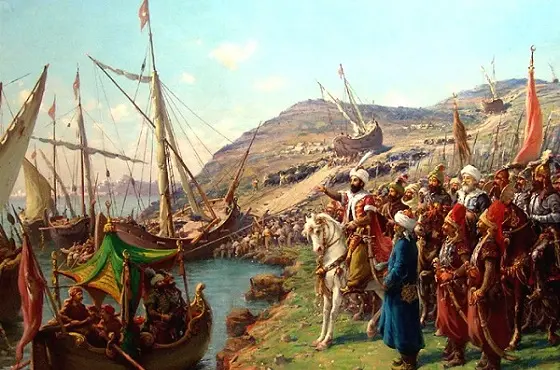
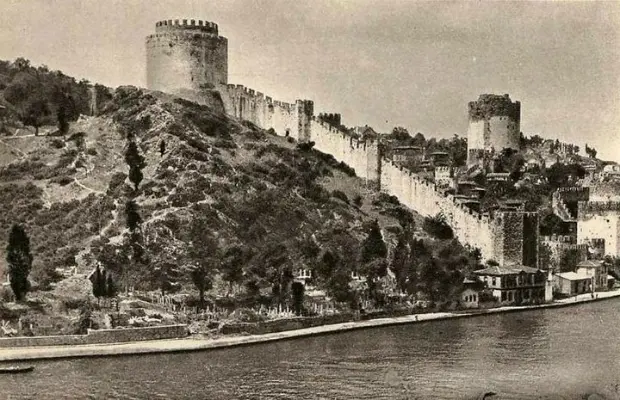
Mehmed the Conqueror had Rumeli Fortress built on the Bosphorus. Its purpose? Controlling the ships passing beneath it. The conquest of Constantinople soon made that military role obsolete, so the fortress served for a time as a prison, and only after restoration work began in 1953 did it open to the public, in 1968.
Inside, you can see cannonballs and cannons used during the siege. Look for the chain, too. The section on display is said to have once blocked the Golden Horn, though a claim that old is hard to pin down with certainty.
7. Yıldız Palace
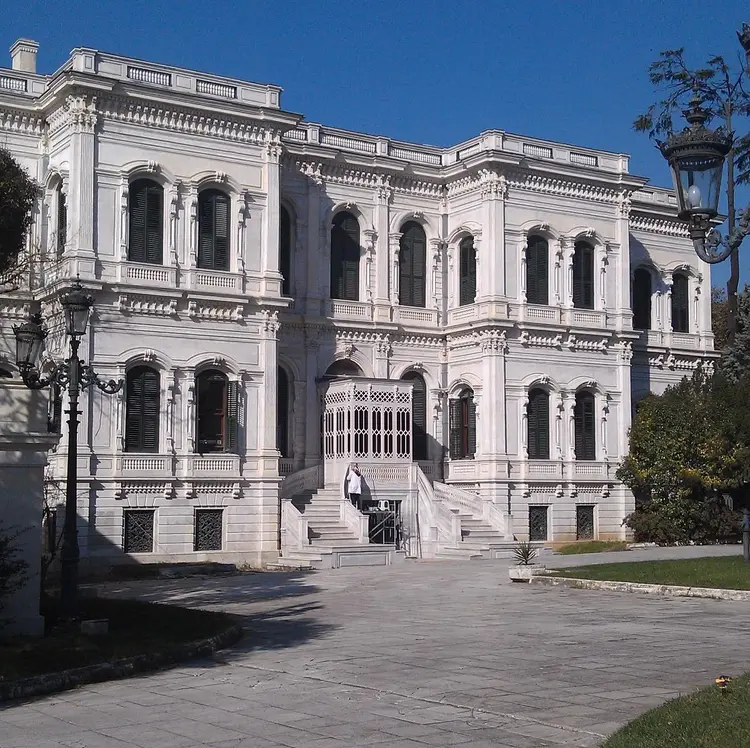
Yıldız Palace was originally commissioned for Mihrişah Sultan, mother of Selim III, and later became the Ottoman Empire’s main residence under Sultan Abdülhamid II, though it looks nothing like the single-block Dolmabahçe Palace. Think pavilions instead. Yıldız is a cluster of them, set inside a large wooded park.
The grounds also hold the Yıldız Porcelain Factory. It produced the palace’s ceramics.
8. Great Palace Mosaic Museum
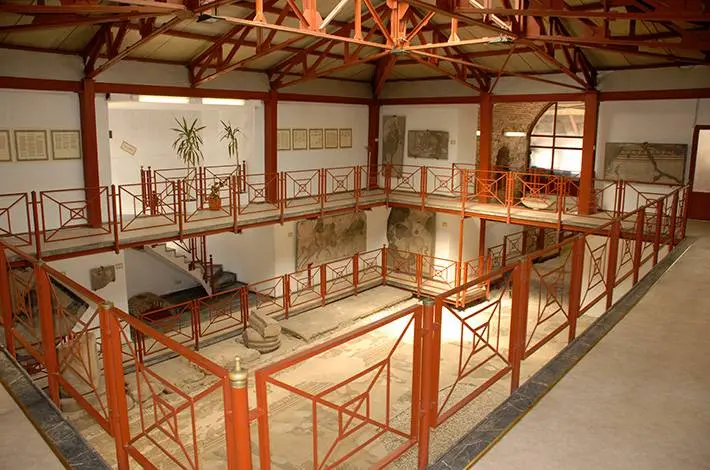
The Great Palace Mosaic Museum sits inside the Arasta Bazaar in Sultanahmet. Its mosaics are Byzantine. Dating to roughly 450-550 CE, they depict around 150 human and animal figures across 90 different scenes, and they were considered some of the finest work in the Byzantine palace at the time. Here’s the part that’s hard to picture. Each square meter used close to 40,000 individual pieces.
9. Galata Mevlevi House
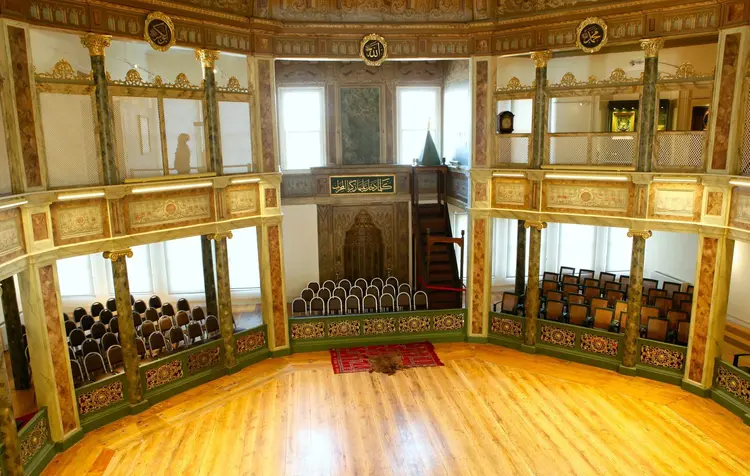
Built in 1491 on the hills of Galata, the Galata Mevlevi House (also known as the Kulekapısı Mevlevihanesi or the Galip Dede Lodge) sits only a few minutes’ walk from Galata Tower, so it’s easy to pair the two. Earthquakes and fires have damaged the building repeatedly over the centuries. And, just as stubbornly, it has been restored repeatedly.
Who lived here? A community of Mevlevi dervishes, the order known abroad for the whirling ceremony.
10. Museum of the History of Science and Technology in Islam
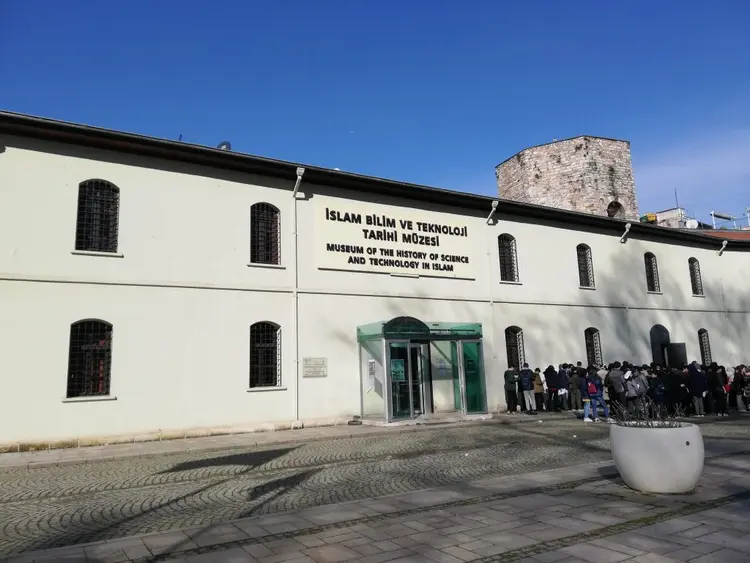
Opened in 2008 inside Gülhane Park, the Museum of the History of Science and Technology in Islam documents the contributions Muslim scientists made across centuries.
The museum covers two floors. Upstairs holds a screening hall along with sections on military technology, astronomy, timekeeping, navigation, and medicine, while downstairs covers optics, chemistry, physics, mathematics and geometry, geography, and urban planning and architecture through historical drawings and maps. That’s a lot of ground for two floors, so don’t rush it.
11. Fethiye Museum
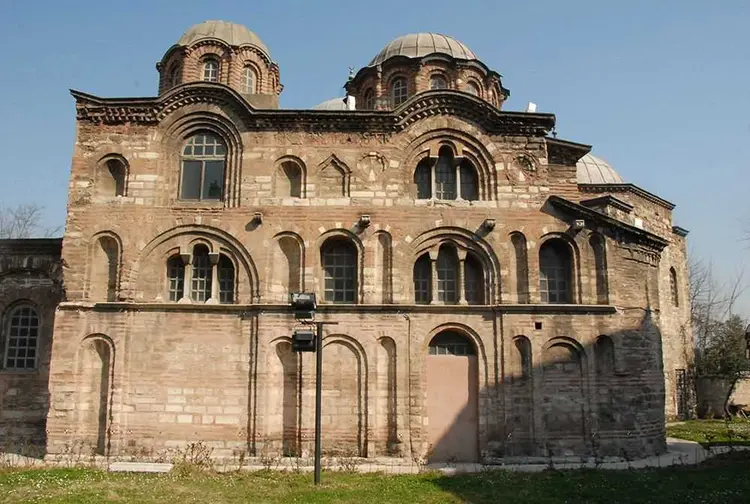
Fethiye Museum closes out this list. Its history is one of the most layered of the eleven. Built as the Pammakaristos Church in the Byzantine period, it was converted into a mosque under Murad III and renamed Fethiye, before later being designated a museum, and today it sits in the Çarşamba neighborhood of Fatih. Its dome and walls carry 14th-century mosaics. The catch? The building has been closed to visitors for restoration work for an extended period, so check its current status before planning a stop here.
Where these places sit matters more than the order above. Topkapı Palace, the Turkish and Islamic Arts Museum and the Great Palace Mosaic Museum cluster around Sultanahmet, a short walk apart, so a visitor with a single free day gets the most out of the pass there. Galata Tower and the Galata Mevlevi House pair up on the far side of the Golden Horn, while Beylerbeyi Palace and Rumeli Fortress are Bosphorus stops that deserve their own half-day.
The honest truth before you go: several museums on this list can close temporarily for restoration without much notice. Check current status with the Ministry of Culture and Tourism’s museum directory before building your day around any single stop, and search the member directory of TÜRSAB, the Association of Turkish Travel Agencies (in Turkish), for licensed local operators if you’d rather join a guided tour.
Sources: T.C. Ministry of Culture and Tourism—Museums, TÜRSAB—Member Travel Agencies




Bir yanıt yazın