
Kotor Travel Guide: Where to Stay and What to See


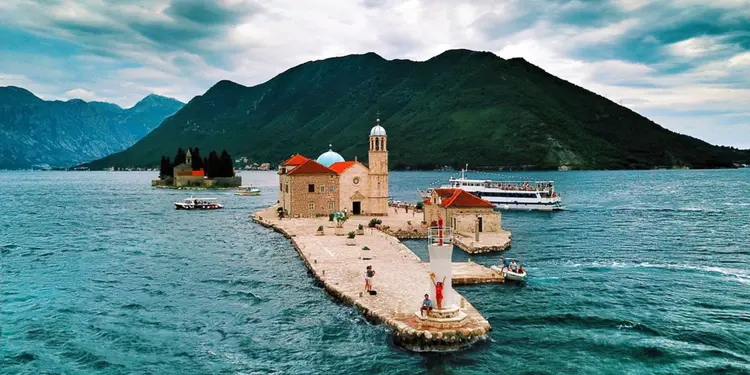
Kotor sits at the end of one of the Adriatic’s most dramatic bays, in Montenegro, behind Venetian walls and under a steep wall of mountains. Walk through the Sea Gate and you meet words attributed to Tito carved above it: we do not want what is not ours, but we will not give up what is ours. This Kotor travel guide covers where to stay, what to see, what to eat and how to get there.
1. Where is Kotor?
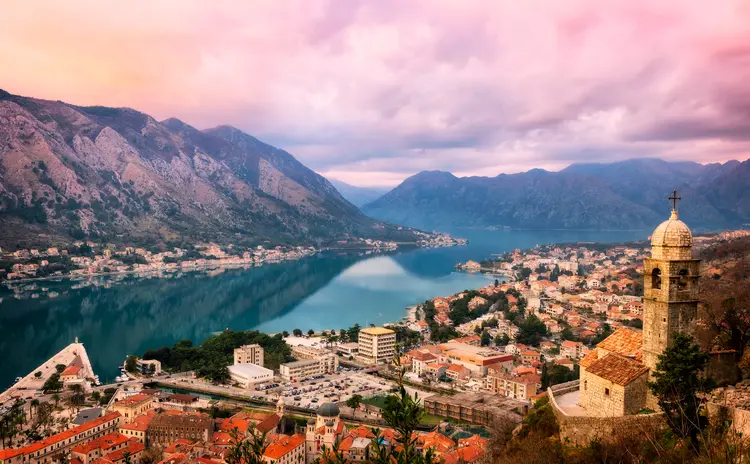
Kotor is a port town in Montenegro. It occupies the most sheltered corner of the Bay of Kotor, ringed by high mountains, and its medieval old town, enclosed by walls built during the Venetian period, is among the best-preserved on the Adriatic. UNESCO took notice early. The Natural and Culturo-Historical Region of Kotor has been on the World Heritage List since 1979, with the fortifications added in 2017. The municipality has about 22,000 residents. Inside the old town, only around 1,400.
2. Where to stay in Kotor
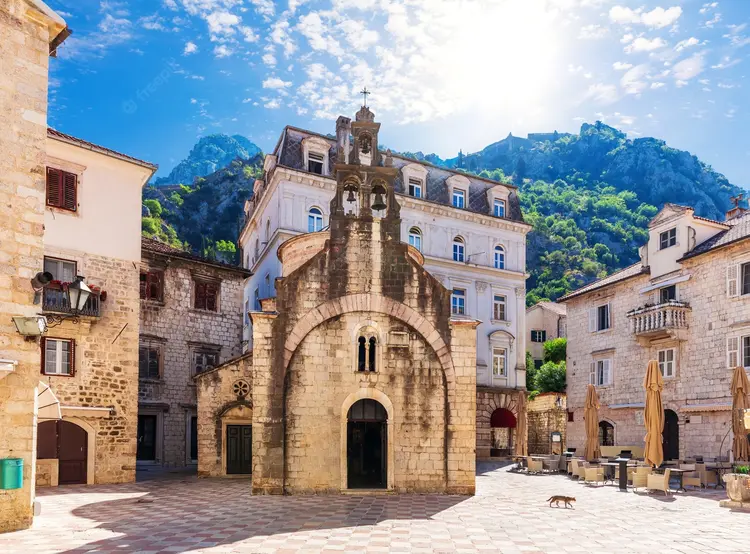
There’s no single right answer here. Atmosphere first? Book a room inside the old town, close to everything. With a car, though, the villages along the bay offer more space and sea views at lower rates, and of the nine picks below, mostly apartments, several sit a few kilometers from the old town, so check the map before booking. The trade-off is clearest at the two ends of the list: Apartments Hun sits a few steps from the Clock Tower, while Apartments Nadja, about 7 km away in Orahovac, swaps that for a pebble beach and free parking. Rates change. So does availability, which is worth confirming.
Apartmani Maxim
Sea views, free bikes, a bar, a garden, a private beach area and a barbecue: this apartment packs a lot in, plus free Wi-Fi and parking. Each unit has a balcony and a fully equipped kitchen. The Sea Gate and the Clock Tower are about 3.2 km away. The airport shuttle is free.
Apartments Nadja
In Orahovac, around 7 km from Kotor, with a terrace, barbecue and free parking. A pebble beach is a short walk away. Beach bars, a restaurant and a grocery are close too, and while every unit has a kitchenette, only some rooms add a balcony or terrace.
Apartments Castello
Apartments overlooking the bay, with free Wi-Fi, free parking and balconies with sea views. The old town is about 950 m away, one of the closest options in this list.
Tivat is 15 km away and Budva 24 km.
Apartments Miramar
Five meters. That is the gap between these Dobrota apartments, about 4 km from the center, and the water and the beach. Balconies and terraces face the sea, a restaurant and bar are 50 m away, free sun loungers and umbrellas are included, and a local bus stop sits a few hundred meters off.
Apartments G. Jovanovic
A quiet, family-friendly stay with a garden, terrace, free parking and family rooms, about 4.3 km from the Clock Tower. Units have air conditioning and a stovetop, and some have sea-view balconies.
Guests can fish in the area.
Corso Levante Luxury Suites Dobrota
A more upmarket choice with a seasonal outdoor pool, private beach area, sun terrace and hypoallergenic rooms, plus family rooms and free Wi-Fi. Continental or vegetarian breakfast is served. It is about 3.5 km from the Sea Gate and the Clock Tower.
Sunny Nest Apartments
Apartments with a garden, terrace, free Wi-Fi and air conditioning, plus bike and car rental. The Clock Tower is about 3.9 km away.
A paid airport shuttle is available.
Vila Maestral Kotor
Air-conditioned apartments with a private bathroom, living room, kitchen and balcony, along with a terrace, private beach area and garden. Free parking and Wi-Fi are included. The Sea Gate is about 3.5 km away.
Apartments Hun
The most central pick, a few steps from the Clock Tower. The air-conditioned units have a living area with a flat-screen TV, a minibar and a bathroom with a bath or shower. Bike rental is available. The Sea Gate and the Cathedral of St. Tryphon are close by.
3. Getting around Kotor
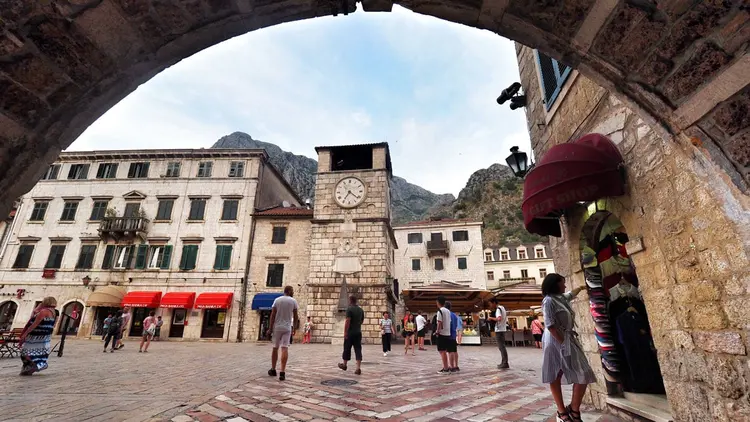
No car needed inside. Honestly, it would only get in the way: the old town is pedestrian-only, every sight within its walls is in walking distance, and wheels only start to matter for trips to nearby towns such as Perast or Budva, when a rental car or a bus helps.
4. What to see in Kotor
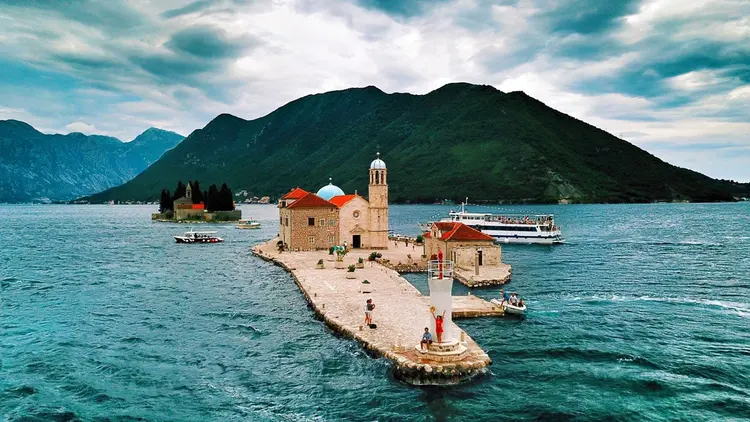
San Giovanni Fortress
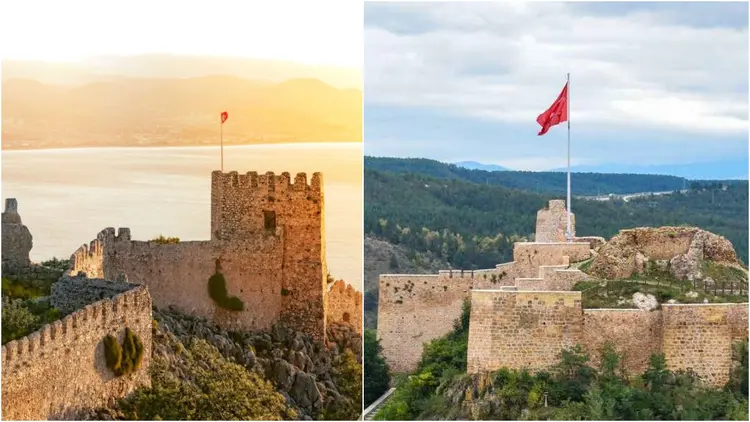
Standing about 280 m above the old town on St. John’s Hill, the fortress is the best viewpoint over the bay. Getting there means around 1,300 to 1,350 steps, roughly 35 minutes of climbing past walls that date from many periods, and sunset from the top is worth every one of them. Tickets are required. Prices change, so check before you go, and bring water. Sturdy shoes aren’t optional.
Square of Arms (Trg od oružja)
First square inside the walls. It holds the town hall, a former theater that is now a hotel, and the Clock Tower, with plenty of cafes and restaurants around it.
Clock Tower
Built in 1602 near the main entrance, the tower leans slightly. Not by design: earthquake damage in the 17th century did that.
Stranger still is what stands at its foot: a stone pillar where wrongdoers were shamed in public in the Middle Ages, a punishment that stood in for jail time.
Cathedral of St. Tryphon
A Romanesque Catholic cathedral dating from 1166 and the town’s most recognizable church. It keeps relics of St. Tryphon, its patron saint, and has a small museum and frescoes. Entry costs a few euros.
Maritime Museum
Seafaring is the theme. Local costumes, decorated weapons, furniture and paintings trace the town’s maritime past, in a collection that reflects Kotor’s role as a Venetian port.
River Gate
The River Gate, from 1540, is one of the town’s gates and a symbol of the defenses built when Venetian Kotor lived under Ottoman threat.
Church of St. Nicholas
The Serbian Orthodox church of St. Nicholas was built between 1902 and 1909 after a fire destroyed an earlier Orthodox church on the site. Kotor has long been home to Montenegrins, Serbs, Croats, Bosniaks and Albanians, and its churches reflect that mix.
5. What to eat in Kotor
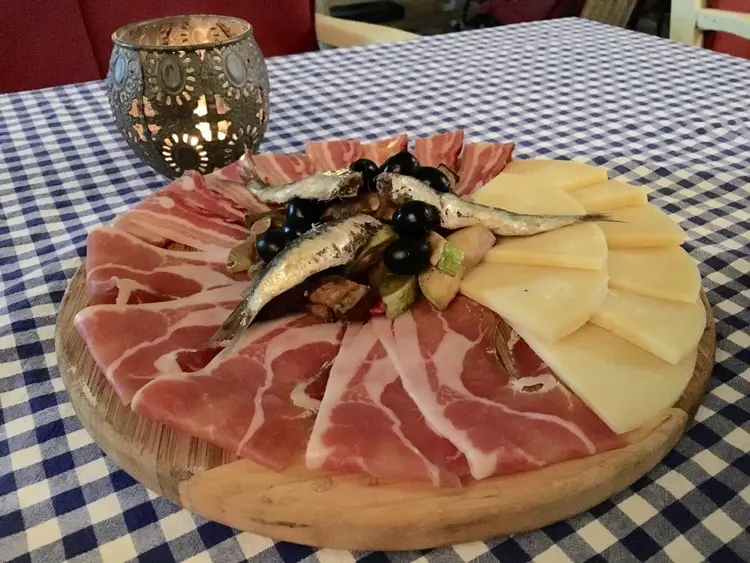
Italian influence runs strong in Montenegrin food. Kotor’s streets are lined with pizzerias and fish restaurants, where fish usually arrives grilled or pan-fried and mussels, oysters, shrimp and scampi come and go with the season. Black risotto is a staple. And yes, the color is real: cuttlefish ink. Just as common is školjke na buzaru, mussels cooked in tomato, garlic and olive oil, best eaten with bread to mop up the sauce. Dessert? Try cherry strudel (pita višnja), a good match for coffee at a cafe in the old town, plus tulumba, baklava and tiramisu.
6. How to get to Kotor
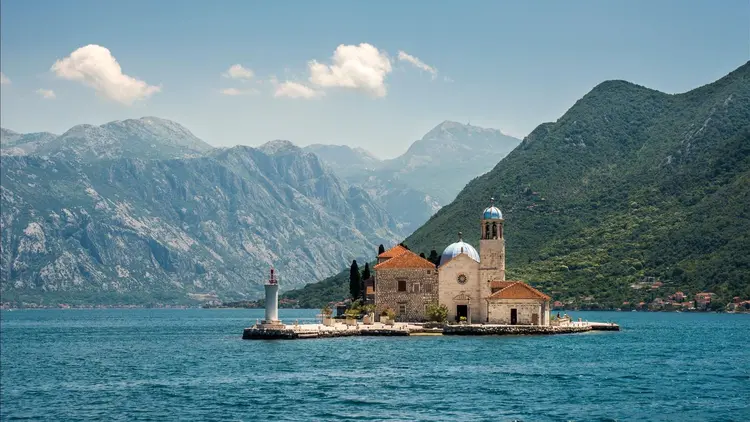
Kotor has no airport. Nearest is Tivat: about 5 km. Beyond that, the options are Podgorica, Montenegro’s capital, and Dubrovnik in Croatia, both reachable by road, and because entry rules depend on your passport, it pays to check visa requirements for Montenegro and for any country you cross on the way.
7. When to go to Kotor
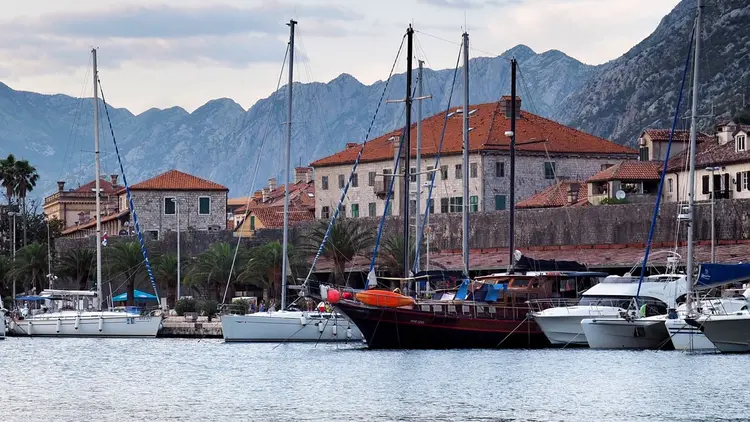
Summer is busy. Very busy. From June to August, cruise ships dock daily and fill the old town, which is why early morning or evening visits feel calmer and why April and May or September and October, with warm weather, fewer crowds and still-swimmable water, are the months to aim for.
The overall tourist season runs roughly May to October. On a cruise day, the lanes that feel packed at midday tend to loosen up by evening, one more argument for sleeping in town rather than passing through for a few hours.
Sources: Visit Montenegro, Kotor, Wikipedia, Fortifications of Kotor, Wikipedia, Kotor




Bir yanıt yazın