
The 10 Deadliest Lakes in the World


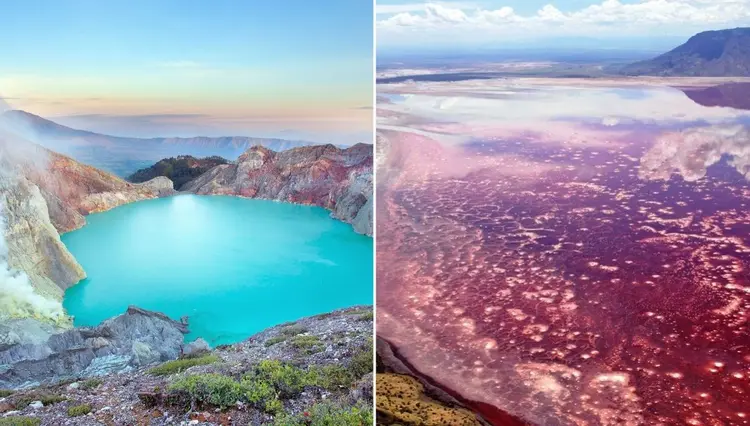
Most lakes look like the safest water on the planet: flat, quiet, good for a picnic. A few of them hide gas that can explode out of the depths, acid strong enough to dissolve metal, or a past as a nuclear waste dump. These are the deadliest lakes in the world, and none of them is a place for a swim.
1. Lake Karachay, Russia: top of the deadliest lakes in the world
On a map, Lake Karachay in Russia’s southern Ural Mountains was little more than a pond. From 1951, the Soviet Union used it as a dump for high-level radioactive waste from the nearby Mayak nuclear plant, which produced plutonium for the country’s atomic bomb program. The waste was too “hot” to store in the plant’s own tanks. So it went straight into the lake.
Over the decades Karachay took in about 4.44 exabecquerels of radioactivity, most of it cesium-137 and strontium-90. Its cesium-137 alone was roughly 40 times what the Chernobyl disaster released. In 1968, after a drought exposed the lakebed, wind carried radioactive dust across the region and irradiated around half a million people. The numbers get worse: in 1990, standing near the discharge point for an hour was enough to deliver a lethal dose. The lake no longer exists. Concrete blocks, rock and soil filled it in, and the backfilling, finished in 2015-2016, turned it into a permanent dry waste store.
2. Lake Nyos, Cameroon
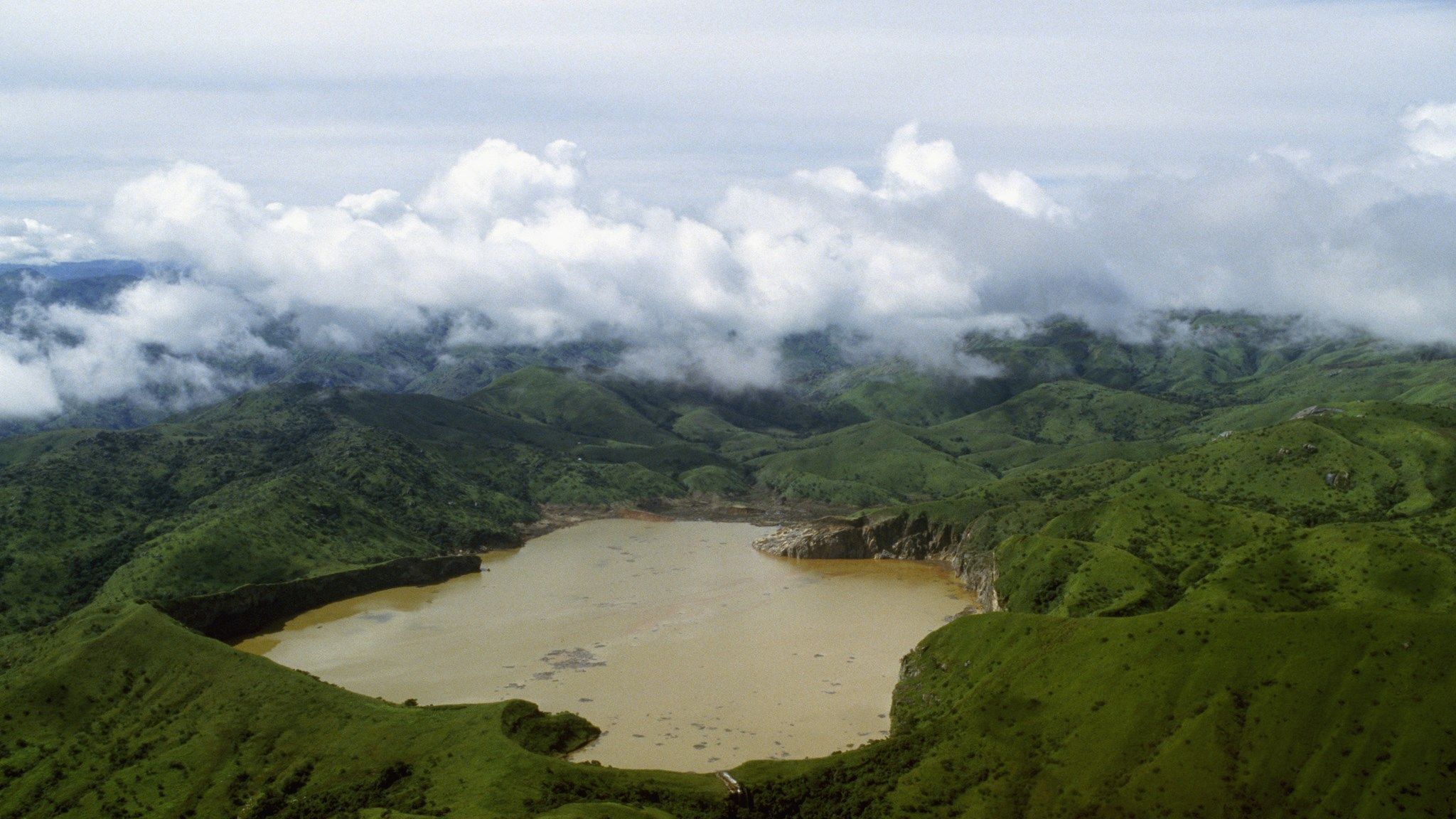
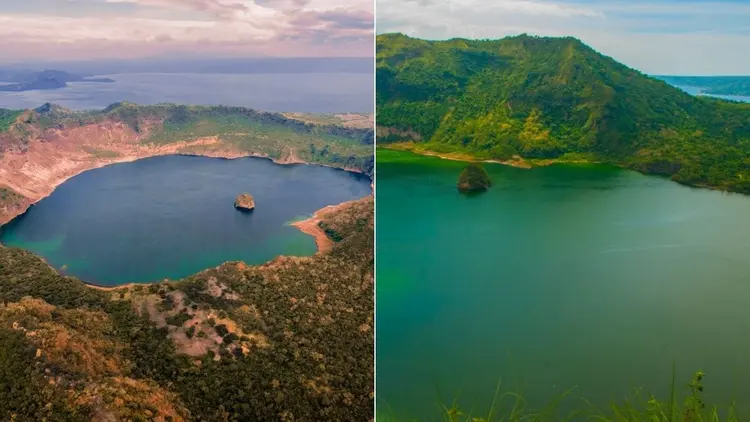
Lake Nyos sits in a volcanic crater in northwest Cameroon. For years, carbon dioxide seeping up from magma below dissolved into its deep water and built up, unseen. The surface stayed calm. The pressure underneath did not.
On August 21, 1986, the lake suddenly released a huge cloud of carbon dioxide. Heavier than air, the gas rolled down the surrounding valleys and smothered villages while people slept, killing 1,746 people and about 3,500 livestock within 25 km of the lake. Scientists call this kind of event a limnic eruption. Nyos is its best-known example. Since 2001, pipes have been venting gas from the lake bottom to keep it from happening again.
3. Lake Victoria, East Africa
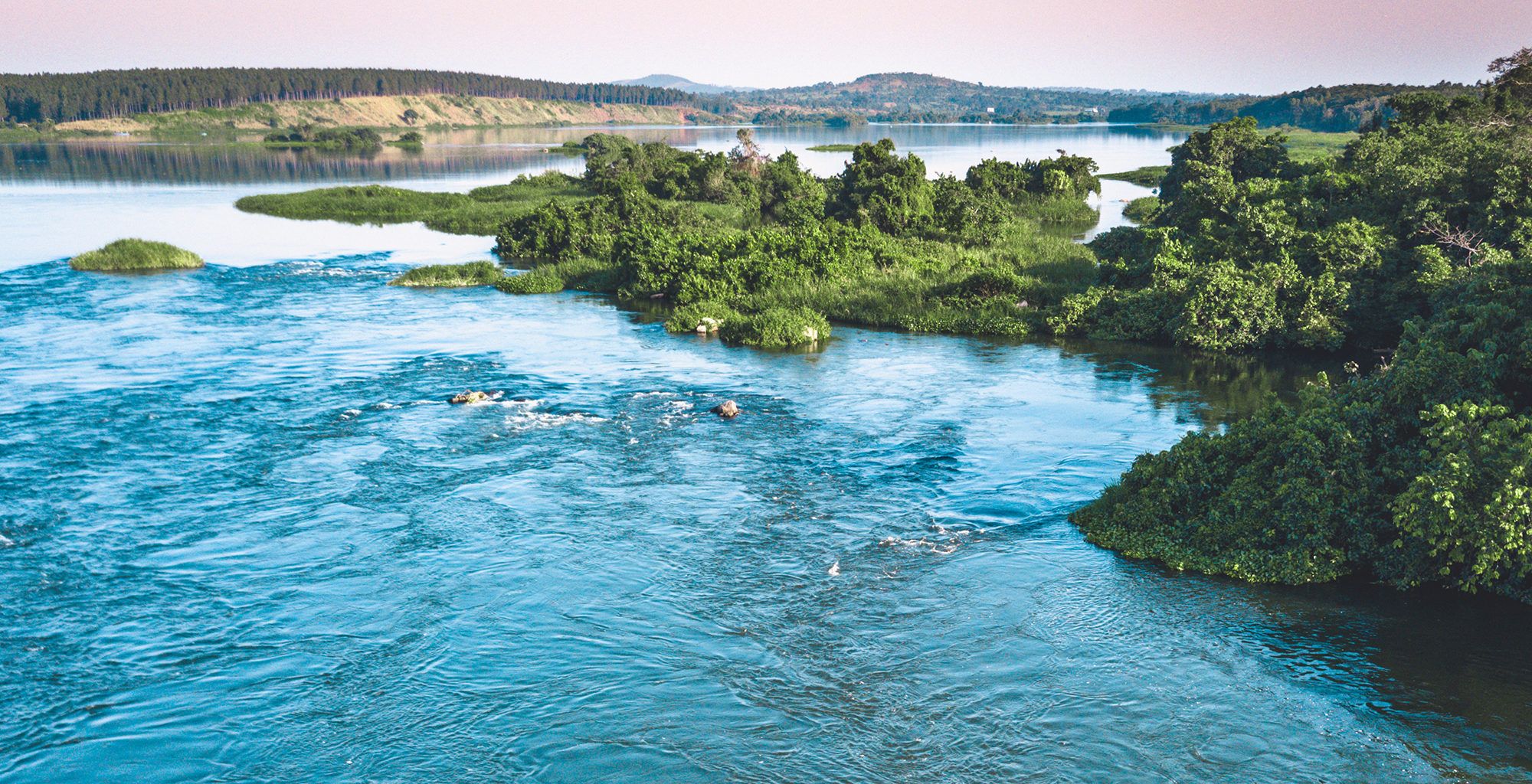
Lake Victoria is Africa’s largest lake and the biggest tropical lake on Earth, shared by Kenya, Uganda and Tanzania. Millions of people depend on it, and hundreds of thousands of families live off its fish.
The danger here is not chemistry. It is weather and work: sudden storms and strong winds can swamp a small wooden boat in minutes.
Researchers estimate that up to 1,500 fishers drown on the lake every year. Most die in bad weather. About half of the deaths happen at night, and shrinking fish stocks after decades of overfishing push crews out after dark. A study at Kenyan landing sites found that most fishers who died in storms wore no life jacket and had no navigation equipment, often for the bleakest of reasons: they could not afford it.
4. Lake Kivu, Rwanda and DR Congo
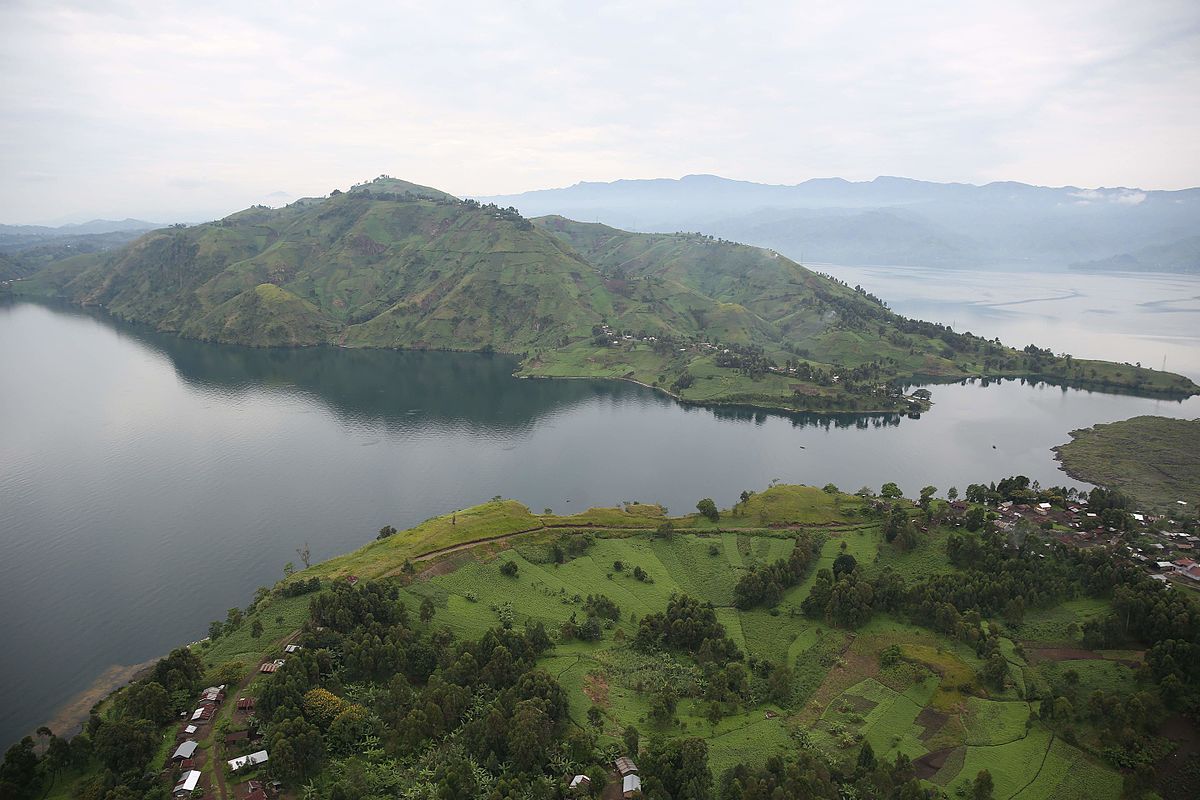
Lake Kivu, on the border between Rwanda and the Democratic Republic of the Congo, is Nyos on a much larger scale. Its deep layers hold an estimated 256 cubic km of dissolved carbon dioxide and 65 cubic km of methane. Only three lakes in the world are known to have limnic eruptions. Kivu is one of them. Sediment records point to mass die-offs there roughly every thousand years.
About two million people live around the lake, and a sudden overturn would be far more catastrophic than the 1986 disaster at Nyos. One answer is to mine the danger: since the 2010s, projects such as KivuWatt in Rwanda have pumped methane from the depths to generate electricity.
Will that be enough to keep the lake stable in the long run? Honestly, nobody can say yet.
5. Horseshoe Lake, California
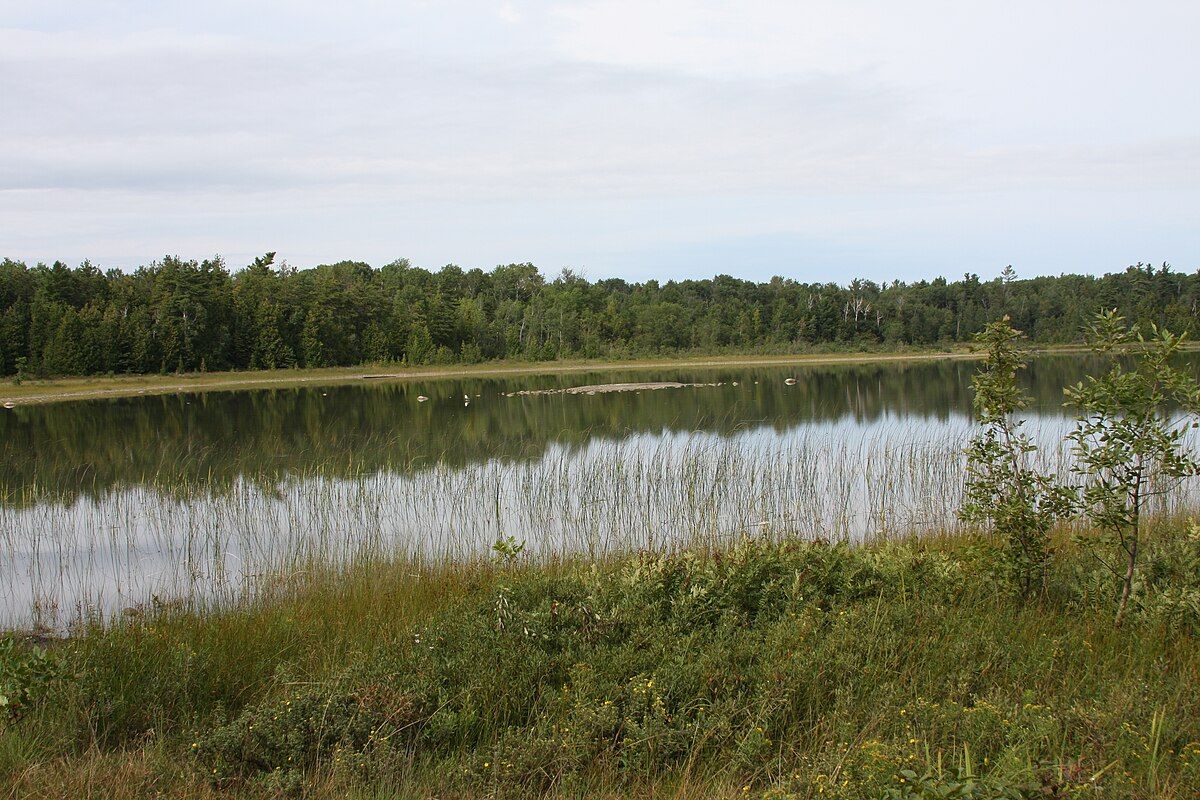
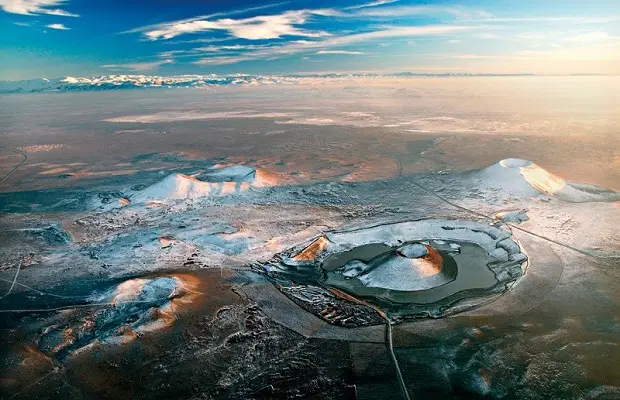
Horseshoe Lake, at the foot of Mammoth Mountain in California, looks like a postcard from the Sierra Nevada. Then you notice the trees. A wide band of forest around the shore stands dead and gray. The cause: carbon dioxide from the volcanic system below, the same gas that killed at Nyos, released here slowly through the soil instead of all at once. As it rises, the gas pushes oxygen out of the ground. The tree roots suffocate.
Here’s the part that matters for hikers: the same gas can also pool in hollows, pits and enclosed spaces, places where it collects unseen and where breathing it in is a real hazard for people and animals alike.
6. Lake Natron, Tanzania
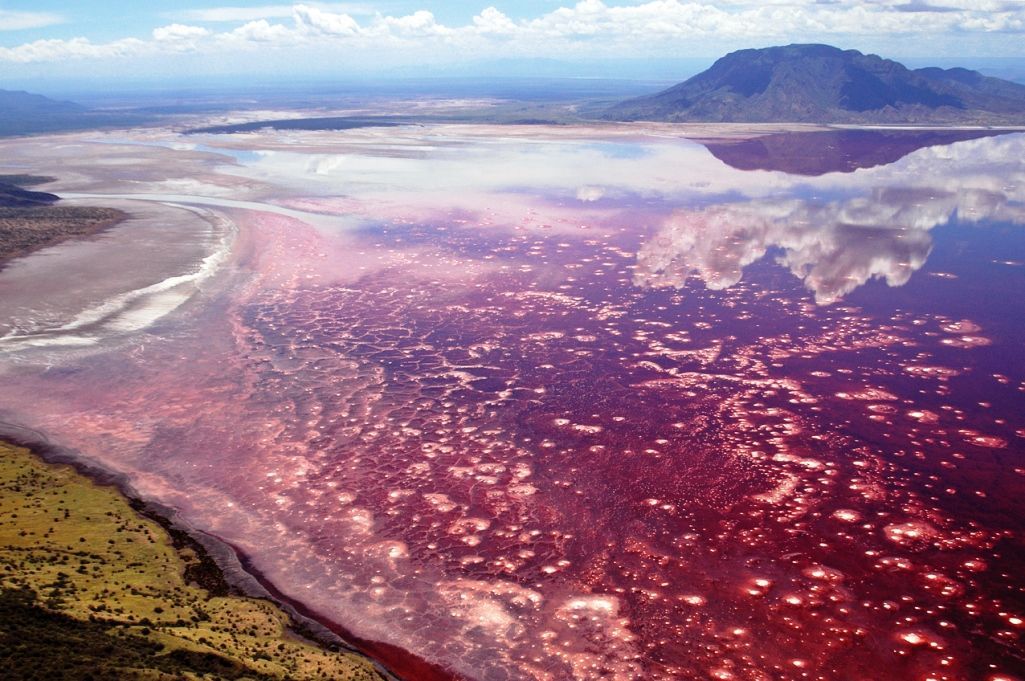
Lake Natron in northern Tanzania became famous for photos of birds and bats that seem to have turned to stone. Nothing supernatural is going on. It’s chemistry, plain and simple. Volcanic rock around the lake feeds it sodium carbonate, and the hot climate evaporates the water into a caustic brine with a pH that can go above 12, in the range of household ammonia or bleach. Few creatures can live in it. The big exception is the lesser flamingo: around 2.5 million of them breed here, and the harsh water keeps predators away from their nests. Animals that die in the lake are coated in minerals and calcify, leaving the eerie statues that gave Natron its reputation.
7. Lake Okeechobee, Florida
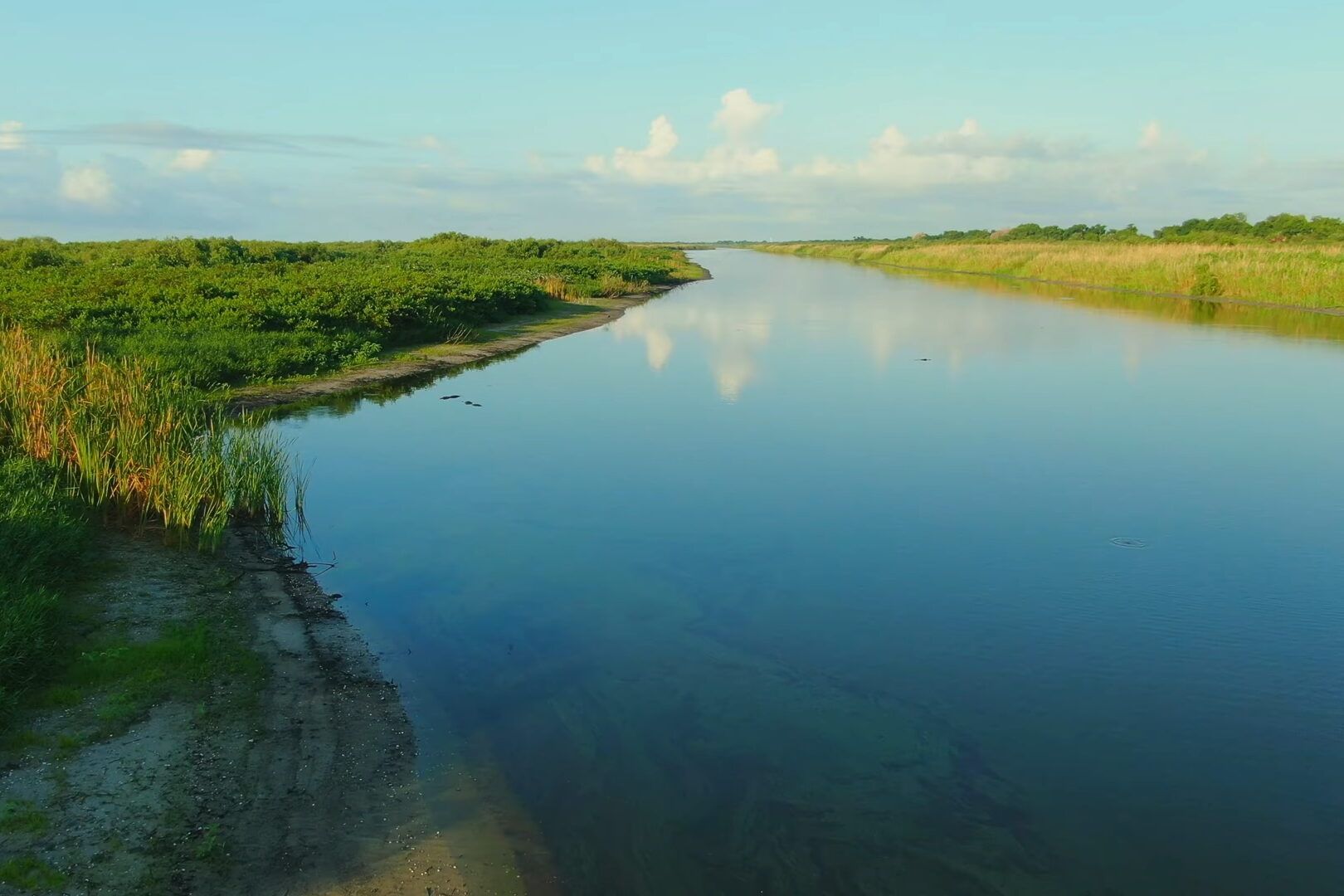
Lake Okeechobee is Florida’s largest freshwater lake and a magnet for wildlife, including a large alligator population. Alligators usually keep their distance from people. Not always, though: rare fatal encounters do happen in Florida’s lakes.
The less visible threat is algae. The lake regularly sees harmful blooms of cyanobacteria, also called blue-green algae; in 2016 one bloom covered about 85 square km of its southern part. These organisms produce toxins such as microcystin, which can cause skin irritation and stomach problems. That makes contact with bloom water risky.
Okeechobee holds two very different hazards: one with teeth, and one too small to see.
8. Kawah Ijen, Indonesia
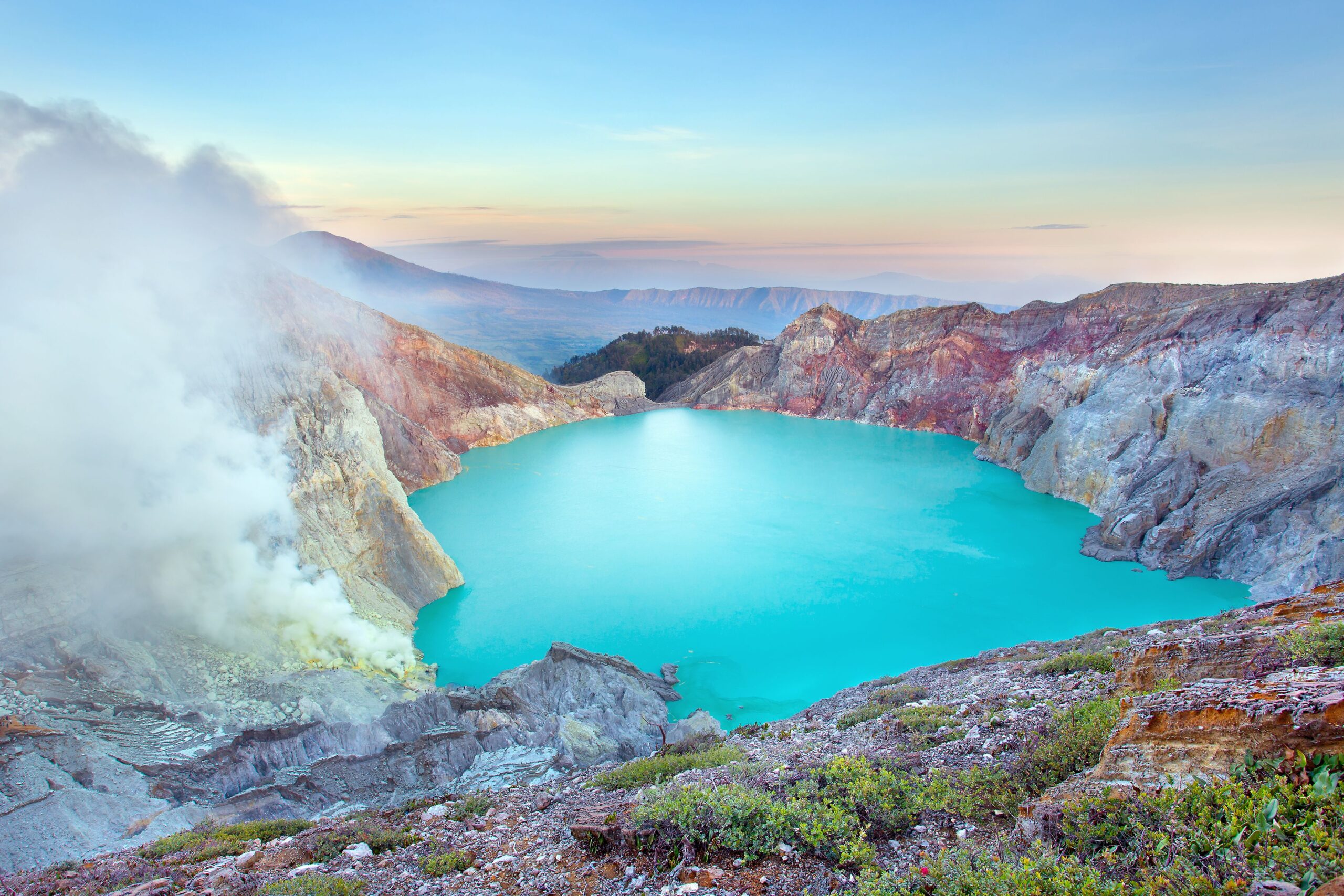
The Kawah Ijen volcano in East Java, Indonesia, is famous for blue flames that light up its crater at night. They come from sulfuric gases that ignite as they escape through cracks in the rock, at temperatures of up to 600°C.
That inviting turquoise lake beside them? It is the largest highly acidic crater lake in the world, with a pH measured as low as 0.13, thanks to dissolved sulfuric acid: the opposite end of the scale from Natron’s caustic brine. Volcanic gas drifts across the crater. Visitors who go down to see the blue fire are generally advised to wear gas masks, and local sulfur miners work in the same air, carrying 75 to 90 kg baskets out of the crater by hand.
Beauty and danger rarely sit this close together.
9. Gaet’ale Pond, Ethiopia
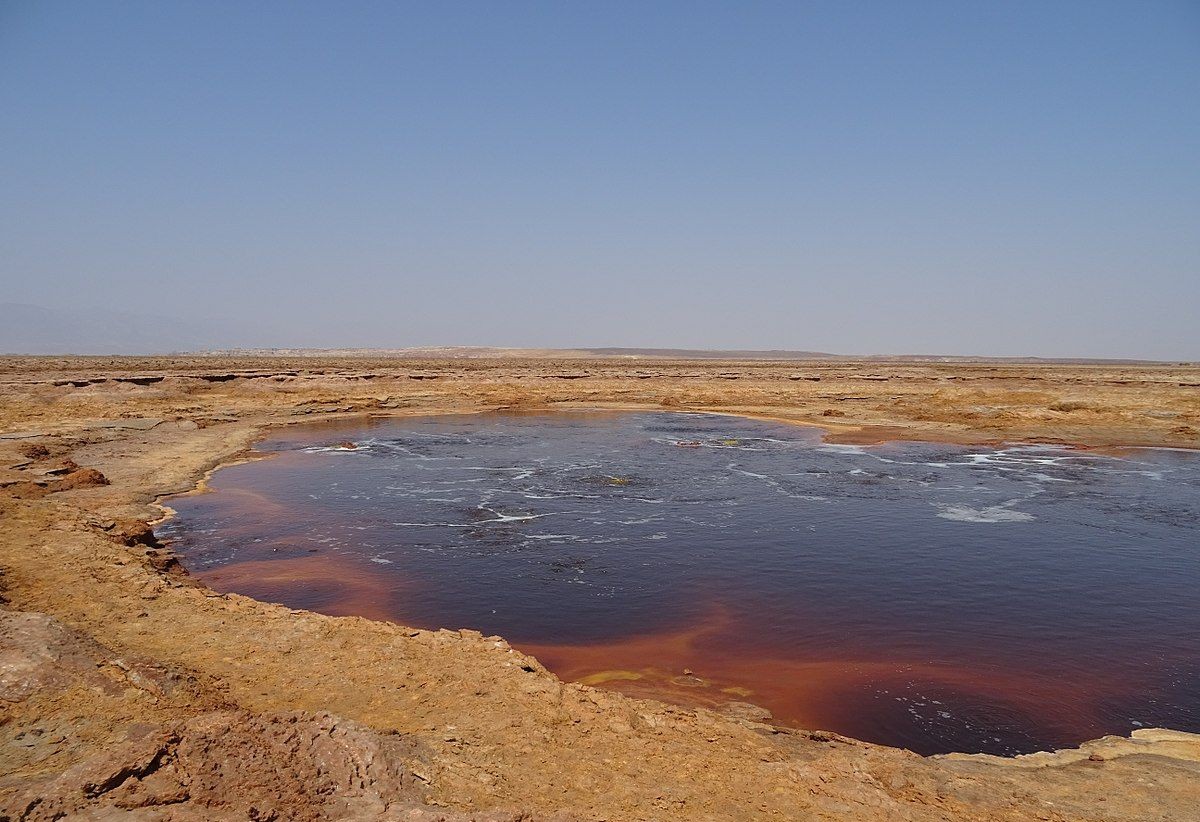
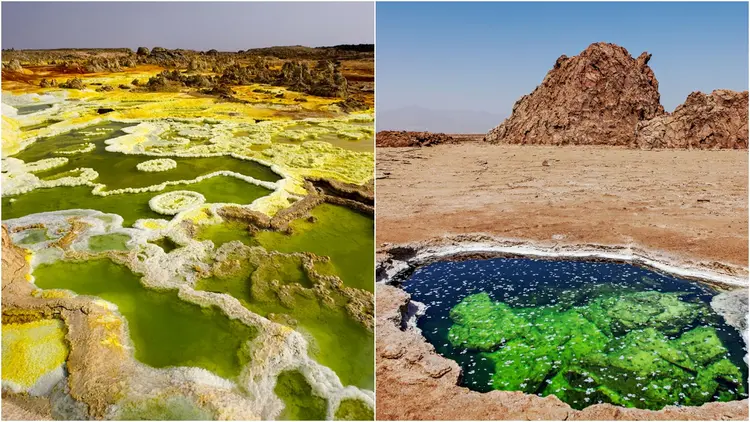
Gaet’ale Pond, in the Danakil Depression of Ethiopia’s Afar Region, is only about 60 m across. Small, but extreme: it is the saltiest body of water on Earth. Its salinity is around 43%, more than 12 times that of seawater, and its water stays at about 50 to 55°C. Local residents say a 2005 earthquake created it by reactivating a hot spring.
Iron compounds give the water a yellow tint. Odorless bubbles of gas, likely volcanic carbon dioxide, rise from the surface, and dead birds and insects have been found around the shore.
Almost nothing but microscopic life survives in it. Water, here, is no sign of life at all.
10. Lake Lugano, Switzerland and Italy
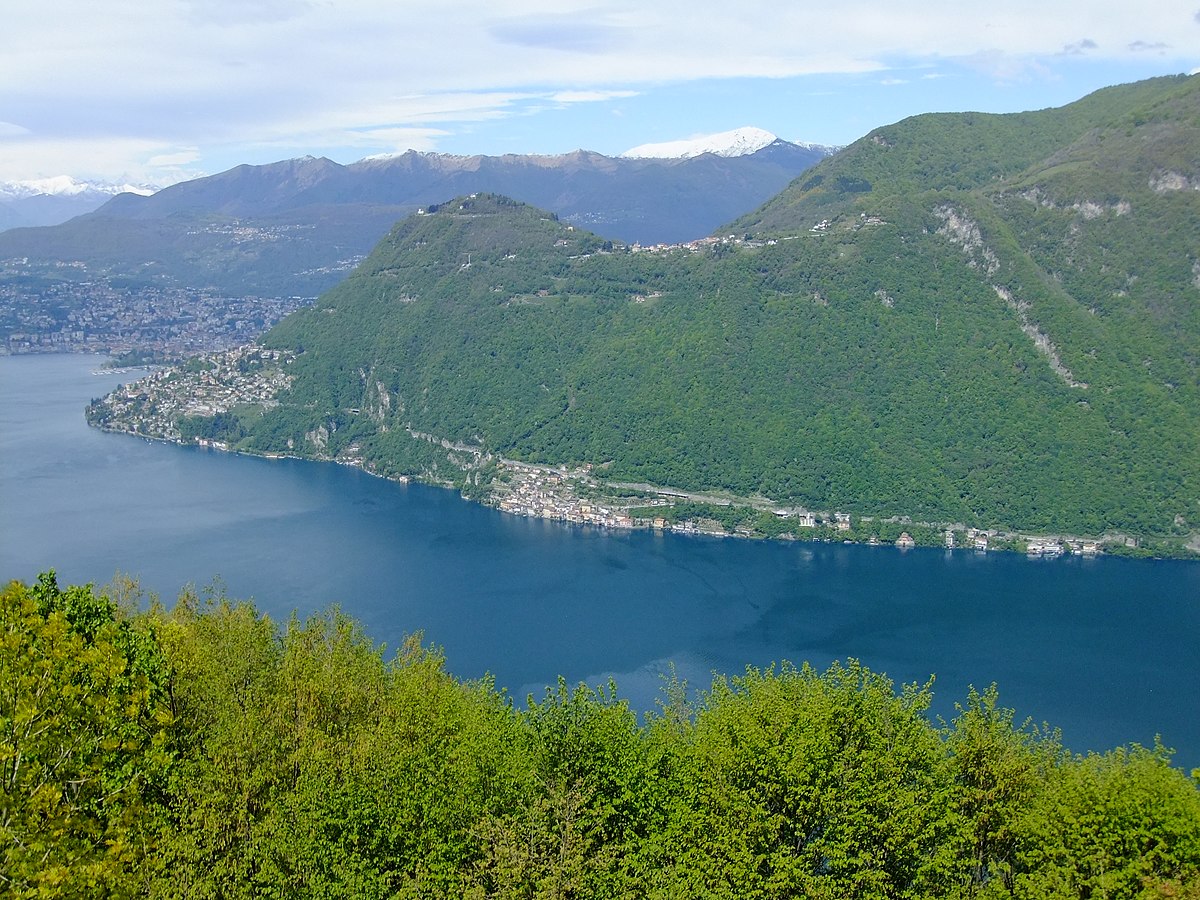
Lake Lugano, on the border of Switzerland and Italy, is the most postcard-pretty entry on this list, with mountains on every side. Its threat is a modern one, and entirely man-made. In a 2023 study of 38 lakes and reservoirs in 23 countries, published in Nature, Lugano had the highest concentration of floating plastic particles of all the sites sampled.
Plastic waste breaks down into tiny fragments that fish and other aquatic animals swallow, which can harm their health and reproduction. Through the food chain, microplastics can reach people too.
Lugano makes the point that a lake can be deadly slowly, without any eruption at all.
Sources: Wikipedia, Lake Nyos, Nature, Plastic debris in lakes and reservoirs (2023), The Conversation, Lake Victoria: why so many fishers are dying




Bir yanıt yazın