
9 Things to Do in Adana, From Ruins to Canyons


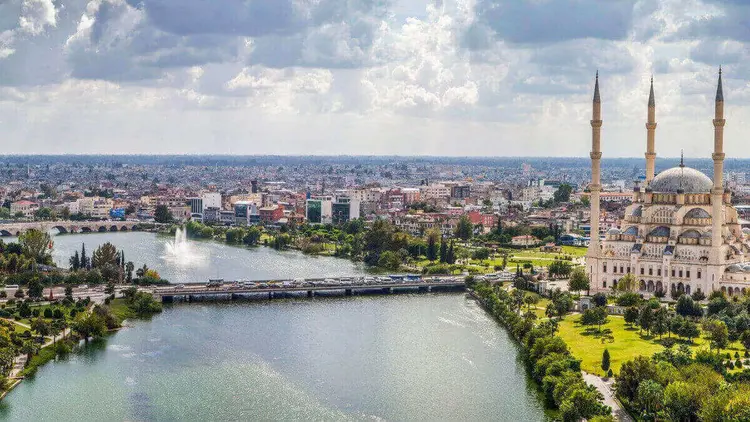

Adana sits on the Seyhan River in southern Türkiye, a short drive from the Mediterranean, and its list of things to do in Adana runs from a Roman bridge to a canyon in the Taurus foothills. Settlement here goes back thousands of years, and Roman, Armenian, Mamluk and Ottoman builders all left something behind. The first five stops below are historic; the last four are for fresh air.
1. Taşköprü (the Stone Bridge)

Few Roman bridges still carry traffic of any kind. Taşköprü, probably built in the first half of the 2nd century AD and traditionally credited to Emperor Hadrian, spans the Seyhan for about 310 m, and since 2007 that traffic has been on foot only.
Come at sunset.
2. Big Clock Tower and the old bazaars

Finished in 1882, the 32-meter Büyük Saat Kulesi (Big Clock Tower) was the tallest of the clock towers raised in major Ottoman cities at the time, with Istanbul’s Dolmabahçe tower in second place. It is a square shaft of cut stone. Around its base, the old market lanes include Kazancılar Çarşısı, the coppersmiths’ bazaar, and wandering them is the point rather than buying anything in particular.
3. Adana Great Mosque (Ulu Camii)

Begun in 1513 by Halil Bey of the Ramadanid dynasty, a local Turkmen ruling family, and finished in 1541 under his son Piri Mehmet Pasha, the Ulu Camii mixes Mamluk, Seljuk and Ottoman ideas in one building. The western entrance, with its conical stalactite-carved roof, is older than the rest and probably belonged to a smaller first mosque; the minaret leans Mamluk. Inside, black marble frames a mihrab (prayer niche) covered in İznik tiles.
It is a working mosque, so visitors dress modestly, women cover their hair, and visits avoid prayer times, especially Friday midday.
4. Varda Viaduct (the “German Bridge”)

Seen it before? Probably, if you watched Skyfall: the opening chase of the 2012 James Bond film runs across this railway viaduct near the village of Hacıkırı in the Karaisalı district. Built between 1905 and 1912 for the Baghdad Railway, a German-backed project of the late Ottoman era, it stands 98 m high, stretches 172 m on eleven stone arches and, unusually for a bridge of its size, curves. Locals call it Alman Köprüsü (German Bridge) or simply Koca Köprü, “the big bridge.”
5. Misis Mosaic Museum

On the east edge of the province, in Yakapınar village by the Ceyhan River, this small museum shows 4th-century floor mosaics where they were found, in a basilica of the ancient city of Misis (Mopsuestia). The star is the Noah’s Ark scene: no boat, just a coop surrounded by 23 birds and a parade of wild and domestic animals.
6. Seyhan Lake

Just north of the city, the reservoir behind the Seyhan Dam (opened in 1956) is where Adana goes to breathe. Paths along the shore suit walkers, runners and cyclists, cafés and restaurants line parts of the water, and the lake has hosted rowing races, including at the 2013 Mediterranean Games. Families picnic on the grass on weekends.
7. Kapıkaya Canyon

Kapıkaya Canyon, farther north in the Karaisalı district, draws hikers and anyone who likes a bit of adventure, and its trail follows the gorge between rock walls and thick vegetation, with birdsong for a soundtrack. Good shoes help.
8. Yumurtalık Lagoon

Where the Çukurova Delta meets the Mediterranean, Yumurtalık Lagoon is a protected wetland and, since 2005, a Ramsar site of international importance. Migratory birds on the route between Europe and Africa stop over or spend the winter here.
Bring binoculars; the birds set the schedule.
9. Belemedik Plateau

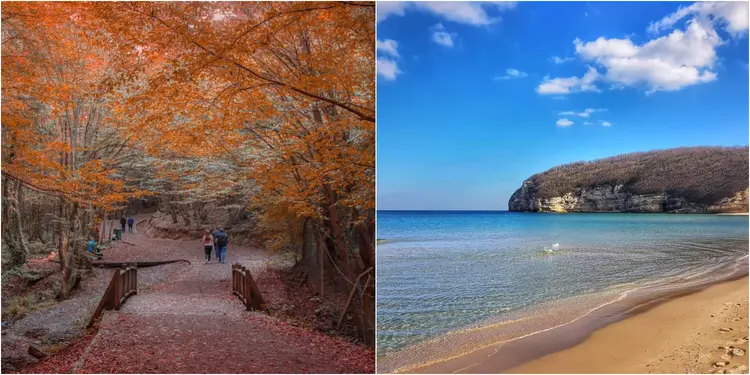
Up in the Taurus Mountains, this yayla (a high summer pasture) is where people escape the lowland heat. Expect cool air and wide mountain views. In autumn the slopes change color, which makes the drive worth it even outside summer.
With only a day back in the city, it is easy to string together the central stops: a walk across Taşköprü, a picnic in Merkez Park along the Seyhan, and an hour or two at the Adana Archaeology Museum. Since moving into a former textile factory in the Adana Museum Complex, the museum has far more room for its collection. Then comes lunch, and in Adana there is really only one answer: Adana kebab, the spicy minced-meat skewer named after the city. The bridge looks as good on the way back as it did in the morning.
Sources: Taşköprü (Wikipedia), Varda Viaduct (Wikipedia), Misis Mosaic Museum (Wikipedia), Çukurova’s Archaeology Museum opens (Hürriyet Daily News)



Bir yanıt yazın