
18 Things to Do in Mardin: Stone Streets, Old Monasteries


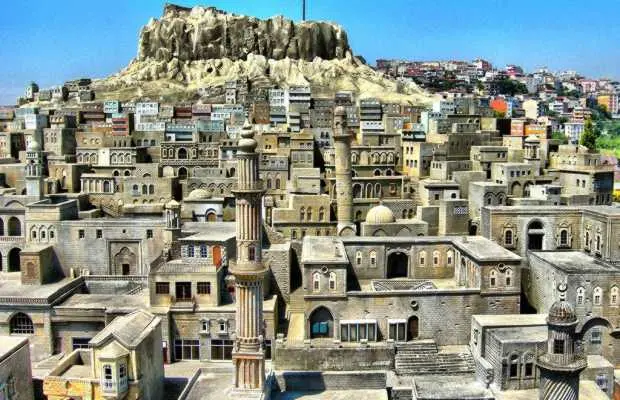
Mardin climbs a rocky hillside above the Mesopotamian plain, and almost every culture that crossed Anatolia seems to have stopped here. The best things to do in Mardin mix that layered history with stone streets and some remarkable sights. Bring comfortable shoes—the old town is built on stairs.
1. A cradle of tolerance
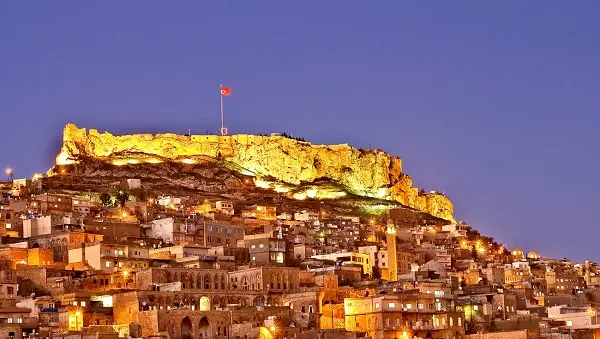
Mardin links Anatolia to Mesopotamia. Over the centuries it has hosted dozens of civilizations, faiths and ethnic groups, and locals take pride in a long tradition of neighbors from different backgrounds living side by side.
2. A city of many communities

Muslims, Syriac Orthodox, Chaldean and Assyrian Christians, Yazidis, Jews, Kurds, Arabs, Chechens and Armenians have all, at various times, called the area home.
That mix shows. It shaped the city’s food, its architecture and its everyday manners.
3. A name that has outlasted every empire
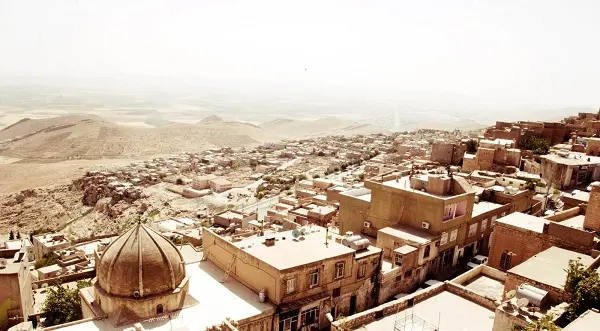
The name comes from the Syriac “Marde,” meaning fortresses. Romans, Arabs, Persians and Armenians each rendered it in their own way, from Maride to Maridin to Mardi, and many locals still say “Merdin” today. Whatever the era, the name stuck to the hill.
4. The siege that burned the trees
Mardin sat on trade and war routes like the Silk Road, so it always mattered.
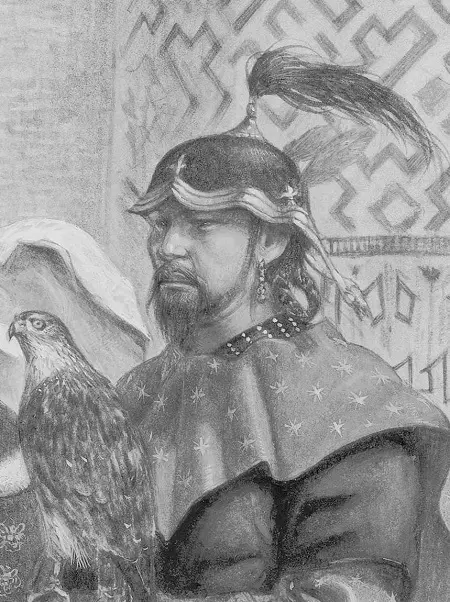
Persian rule gave way to Alexander’s successors, then to Rome and Byzantium, and the city joined the Ottoman Empire after the Battle of Chaldiran in 1514. And then there is Timur. According to local tradition, he besieged the city for two months, failed to take it, and had the trees on the slopes burned in frustration. Not his finest hour.
5. A railway, a plain and a city that people leave
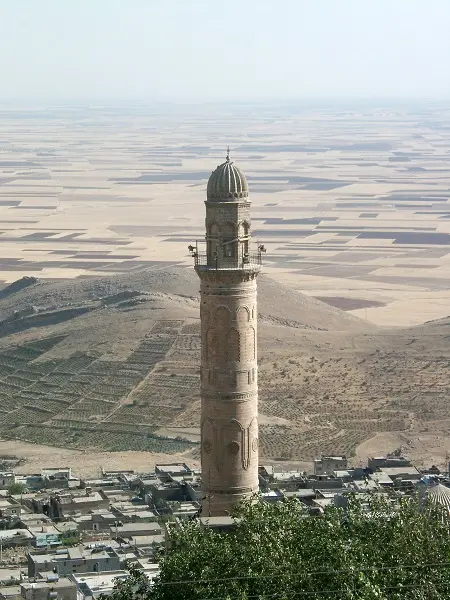
An extension of the German-built Baghdad Railway crosses the plain in front of Mardin. Tourism has grown in recent years.
Yet the city still sends out more migrants than it receives—part of why its old houses feel so preserved, and so quiet.
6. A mosaic of religions
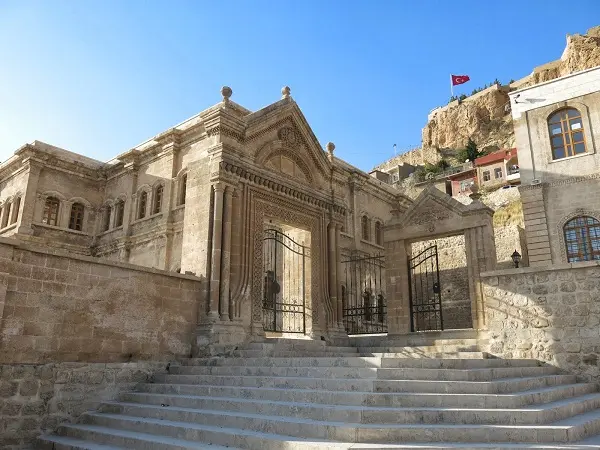
No single faith dominated Mardin’s history. Communities traded, intermarried and shared streets, which is why a church, a mosque and a madrasa can stand within a few steps of one another.
7. A 5,000-year-old city
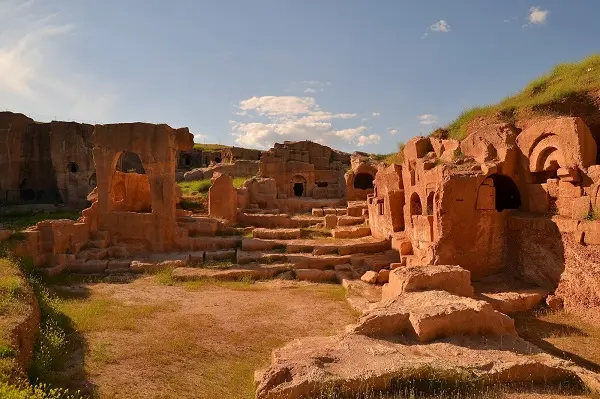
The city sits on a hillside of limestone and volcanic rock. Its roots go back to around 3000 BC. Early visitors included Subarians, Sumerians, Akkadians, Hittites and Medes, followed by Assyrians, Urartians, Mitanni, Arameans and Persians.
8. From Alexander to the Republic
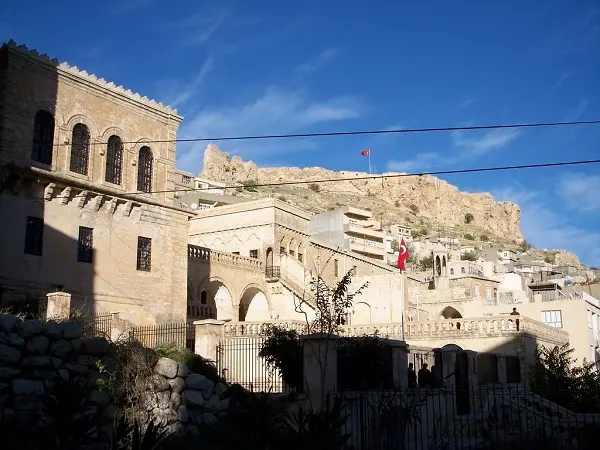
Alexander the Great arrived roughly two millennia later. After him came the first Christians, Romans in the second century, Sasanians, Byzantines and Arabs.
The list keeps going. Turkmen tribes moved in during the 11th century, then came the Artuqids, Crusaders, Ayyubids, Ilkhanids, Kara Koyunlu and Ak Koyunlu emirates, the Safavids and, finally, the Ottomans.
9. Stairs and abbaras: things to do in Mardin on foot
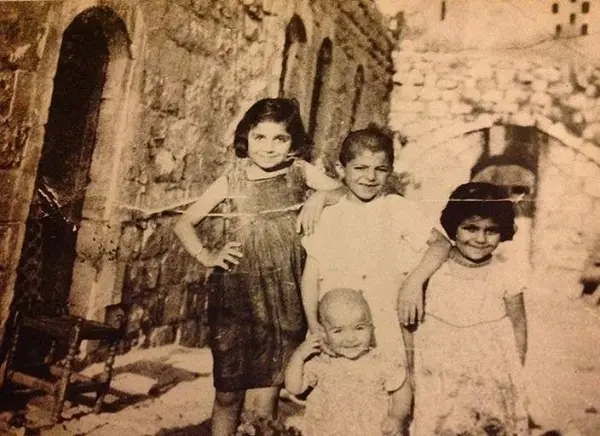
Climb up from the main street and the lanes narrow into cool, covered stone tunnels called abbaras, which link one street to the next beneath the houses—wandering through them is half the fun of the old town. The stairways are steep, and most first-timers underestimate the climb back up. In summer heat they are tiring, so start early.
10. The castle above the plain
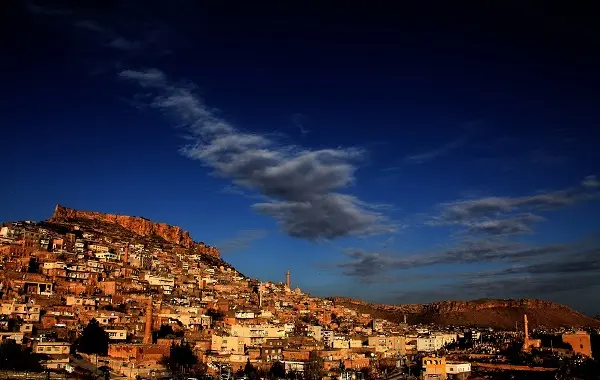
The old town spreads out below the fortress like a necklace around a gemstone. Its origins are debated. Most accounts credit the Hamdanids with building it in the tenth century, and the ruins also show traces of the Ak Koyunlu period. Contrary to what some older write-ups suggest, you can’t go up: today it serves as a military radar site and is closed to visitors, so the views come from the alleys below. From the terraces, the plain stretches out to the horizon.
11. Stone houses and a legendary table
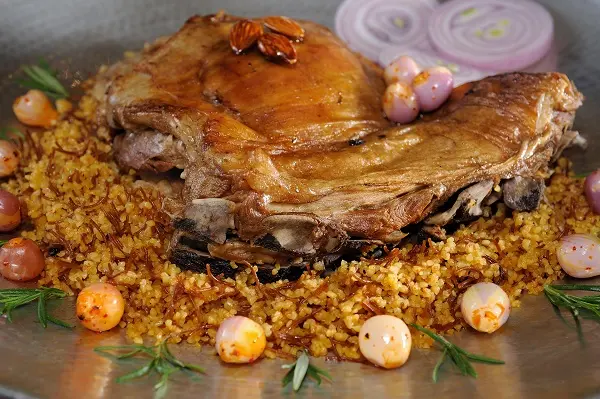
Syriac and Armenian craftsmen left their mark on Mardin’s stone houses, known for carved windows, built-in cabinets, mirrors and chandeliers. Stone does most of the work: according to GoTürkiye, the houses are cut from locally quarried yellow limestone, with wood kept mostly for doors, window frames and mezzanines. Then comes the food. Hosts may serve a traditional “Halil İbrahim table” (a spread named for Abraham’s hospitality), featuring sembusek (a closed, lahmacun-like pastry), boiled içli köfte (stuffed bulgur dumplings), kaburga dolması (stuffed lamb ribs), walnut sucuk, sumac sherbet and zerde (sweet saffron pudding).
12. Mırra, the bitter coffee
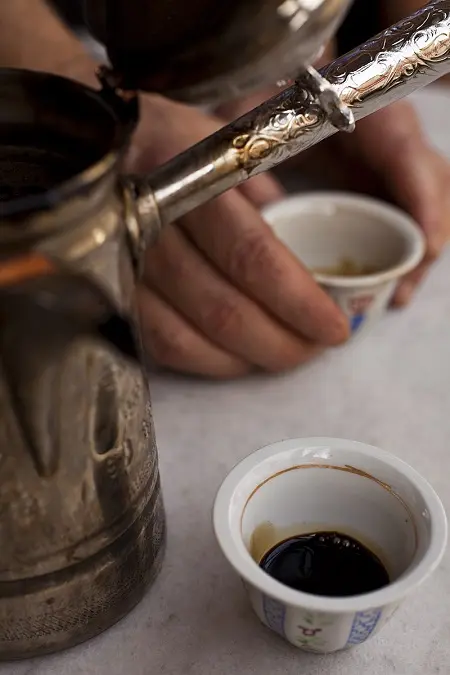
Mırra is the local coffee, and it is intensely bitter. It comes from a traditional pot called a “güm güm” and is poured into tiny cups. Sip one between rounds of the old bazaars—the Kayseriye (also called Bezestan) and Revaklı bazaars—where shop owners are happy to chat and gifts are easy to find.
13. Feather-legged pigeons over the rooftops
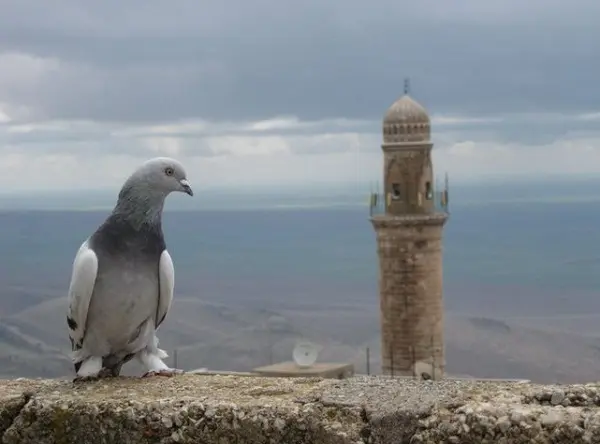
Mardin’s rooftop pigeon fanciers fly a breed with feathered legs, and the birds tumble and climb above the minarets in the evening.
At sunset the plain turns violet.
14. Monasteries and madrasas, side by side
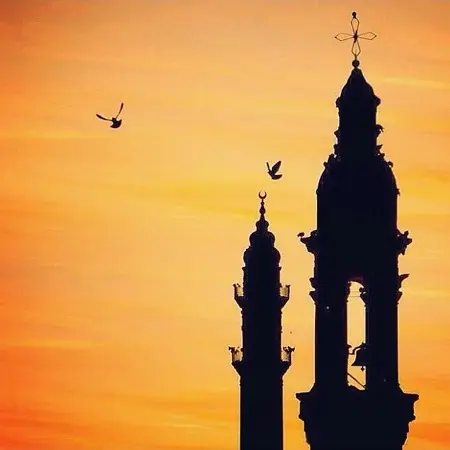
That multi-faith past is easiest to read in stone, street by street. Counting every historic place of worship? Impossible. The next three give a flavor of what to see.
15. Deyrulzafaran, the saffron monastery
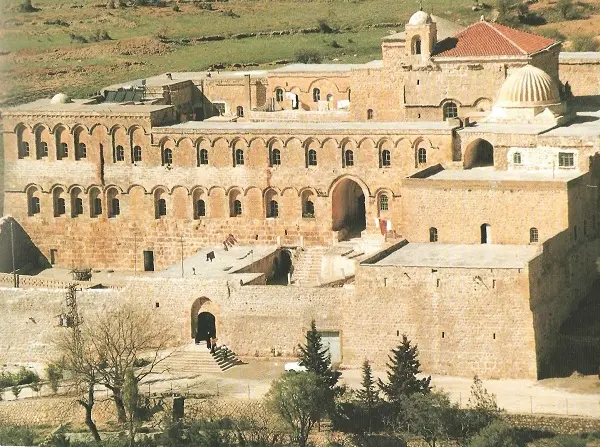
East of town, this monastery was a Christian site by the late fifth century and served for centuries, until the 20th century, as the seat of the Syriac Orthodox patriarchs. Its pale-yellow stone is said to owe its color to saffron mixed into the plaster—that’s the story, anyway, and a hard one to prove. Visits are by guided tour. Respectful dress is required. There is no public transport, so arrange a taxi.
16. Kasımiye Madrasa and its water garden
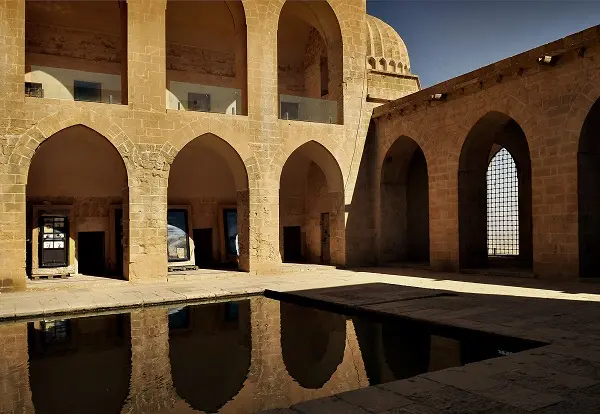
Kasımiye, one of Mardin’s largest historic buildings, was begun under the Artuqids and completed in 1445 under the Ak Koyunlu. In its day it ranked among the region’s top centers of learning. That makes it almost a millennium younger than Deyrulzafaran, and different in purpose: one housed patriarchs, the other students. Look for the fountain. It is said to represent the course of a human life in the form of water.
17. Midyat and the art of telkari

Midyat, about 70 km east of Mardin, has many Syriac churches and a medieval feel. Come for telkari, the delicate silver-filigree work of the region. The bazaar is worth a wander. Nearby, the Mor Gabriel Monastery (Deyrulumur), founded in AD 397, is still a working monastery—more than sixteen centuries on.
18. Dara, the ruined city
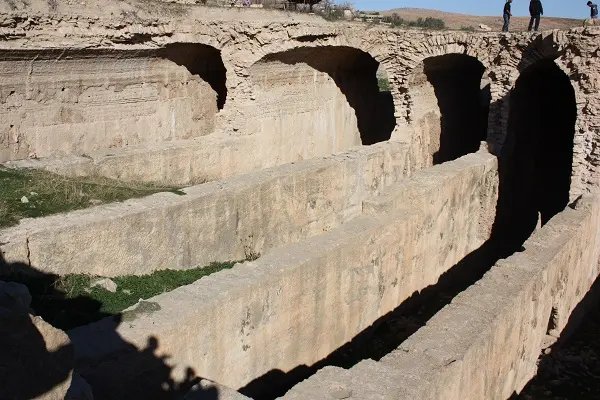
In Oğuz village southeast of Mardin lie the ruins of Dara, one of Mesopotamia’s major ancient cities. Plenty survives: remnants of a palace, cave dwellings, a bazaar, a dungeon, water channels, storage rooms and a foundry-like military area. After Mardin’s long roll call of empires, here some of that history finally turns into walls you can walk past.
Sources: Mardin Culture and Tourism Directorate, Wikivoyage, GoTürkiye

Bir yanıt yazın