
Gaziantep Travel Guide: What to See, Eat and Where to Stay


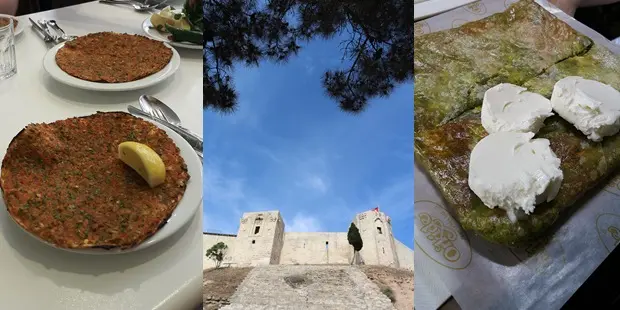
Gaziantep is the Southeast’s best argument for planning a trip around lunch. This Gaziantep travel guide pairs Roman mosaics, copper workshops and old stone mansions with a food scene that earned a UNESCO nod. Come hungry, and leave room for dessert.
1. A city that has hosted empires for thousands of years
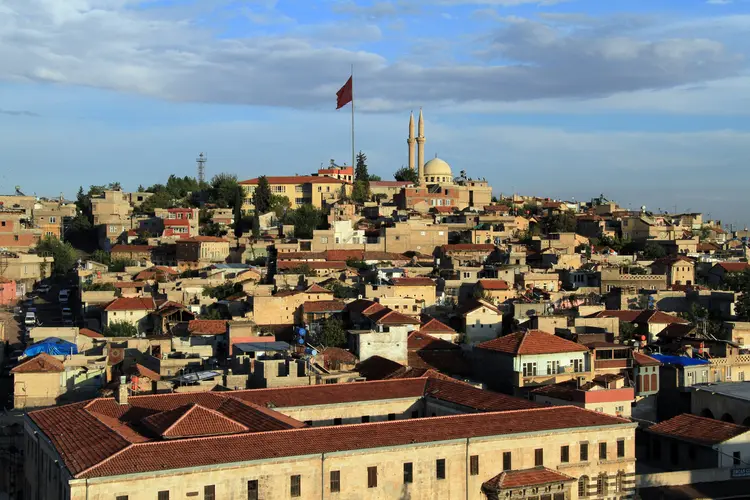
Gaziantep (locals say “Antep”) is home to about two million people and is the industrial heavyweight of Türkiye’s Southeast. It is also very old. People have lived here since the Paleolithic era, and the layers keep surfacing in the soil around the city, where Hittites, Assyrians, Persians and Romans all left traces, one civilization settling on top of the last.
That depth is the draw for a culture-focused trip.
2. Gaziantep travel guide: what to see
How much of this list fits into a trip depends on the number of days. Each stop below stands on its own. The route stays flexible.
Zeugma Ancient City and Zeugma Mosaic Museum
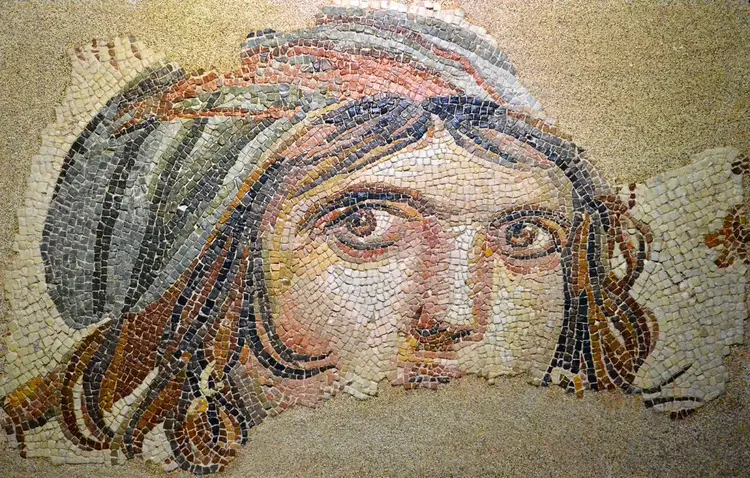
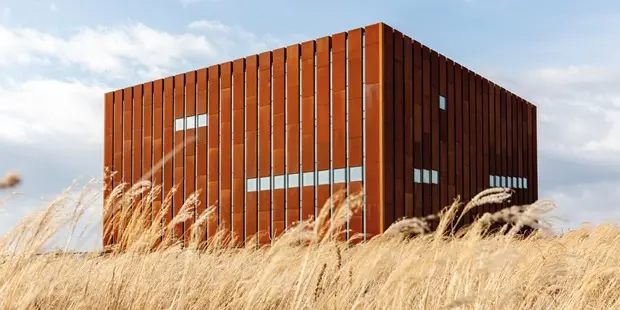
Zeugma sits on a hillside about 10 km east of the town of Nizip and had its golden age under Rome, when its villas were floored with mosaics that rivaled any in the empire. A Sasanian raid in the third century burned the city. It never recovered. Excavations began in 1987, and rescue digs sped up around 2000, when the rising Birecik Dam reservoir was about to flood the site; roughly 30 percent of the remains were lost under water, a loss that still stings. What was saved now fills the Zeugma Mosaic Museum, whose star is the “Gypsy Girl” mosaic, a face framed by a shawl and earrings that has become the city’s emblem. Current ticket prices and visiting hours are on the museum’s official site and on muze.gov.tr.
Gaziantep Archaeology Museum
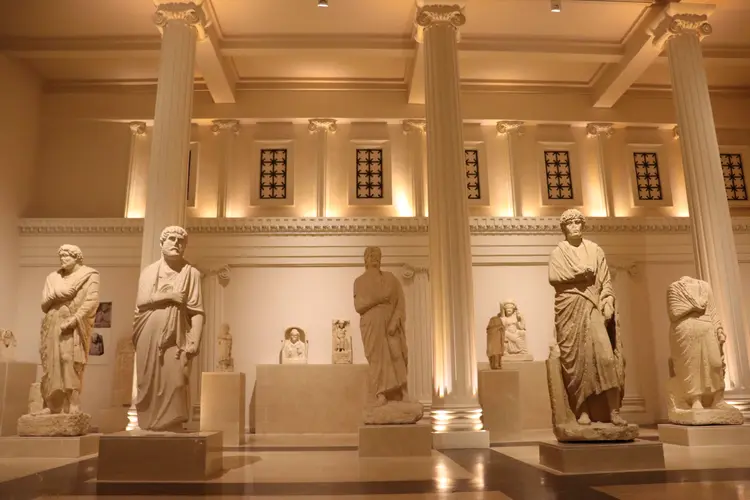
Zeugma tells the story of one Roman city; this museum takes the long view. Founded in the 1940s in the city center, it walks visitors from the Lower Paleolithic to the Republic era. Highlights include stamp and cylinder seals, finds from the ancient city of Dülük, Iron Age and Persian-period pieces, limestone statues, grave steles and a Roman family tomb chamber. The 2023 earthquakes hit the building. It has been restored since, so check that it is open before building a day around it.
Coppersmiths’ Bazaar (Bakırcılar Çarşısı)
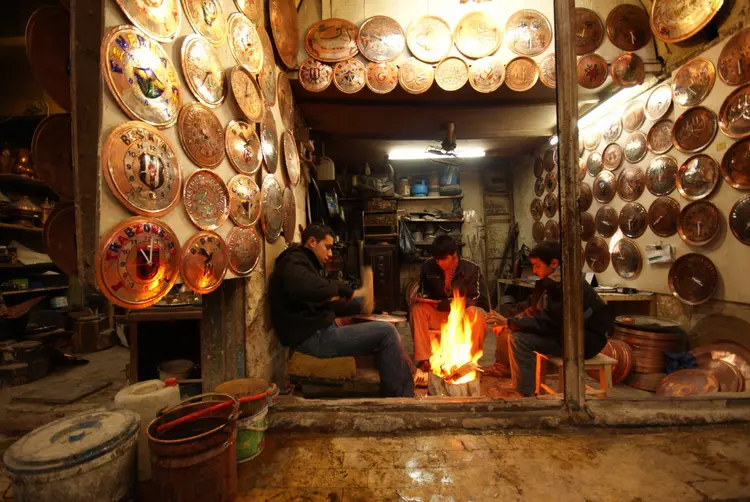
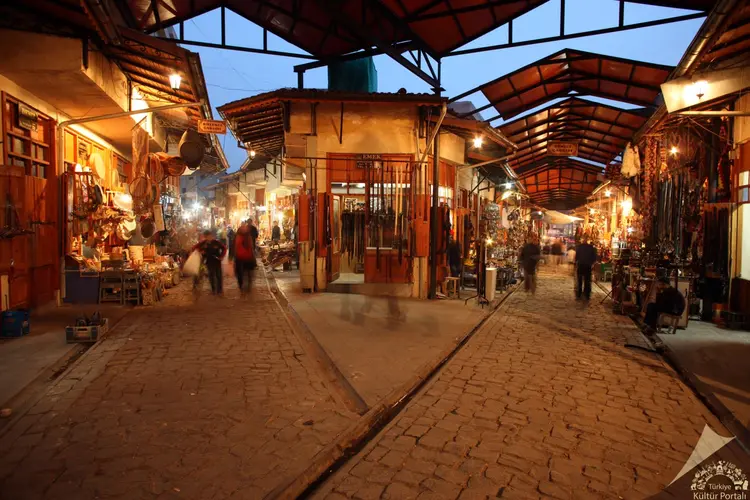
Copper-beating, a centuries-old craft, is still practiced here in open workshops. Listen for the hammers. Other trades have set up shop around the coppersmiths, so it doubles as a browse-and-buy stop.
Historic Antep houses and Bey Mahallesi
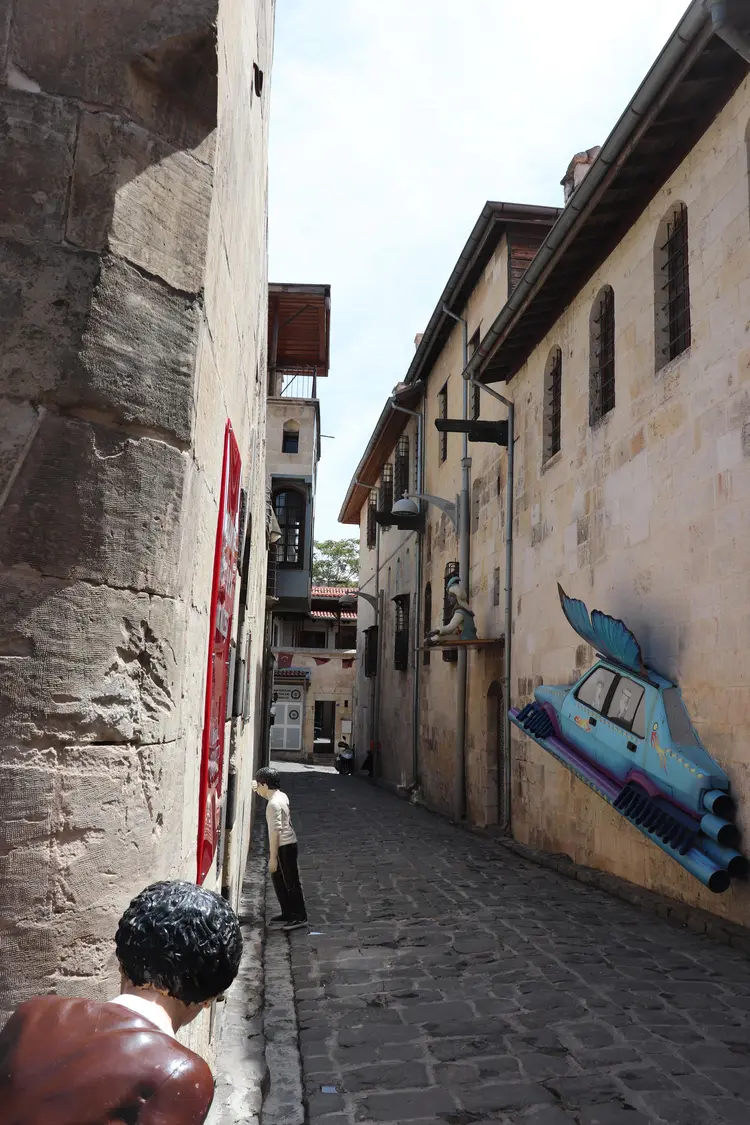
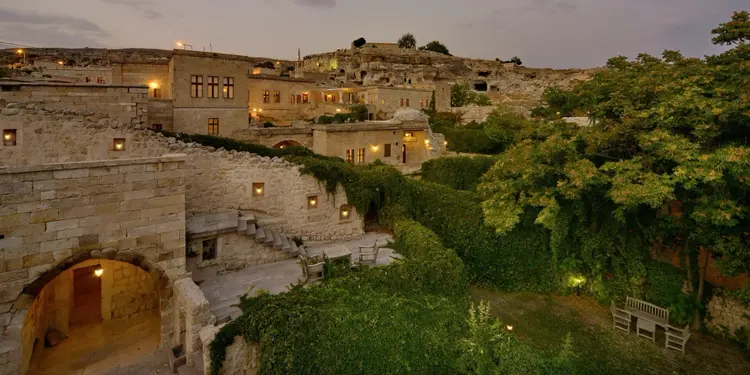
To feel the city’s old texture, walk the lanes of Bey Mahallesi (the “Bey neighborhood”), lined with cut-stone mansions. Many have a wide inner courtyard called a “hayat.” Several are now boutique hotels.
Gaziantep Castle
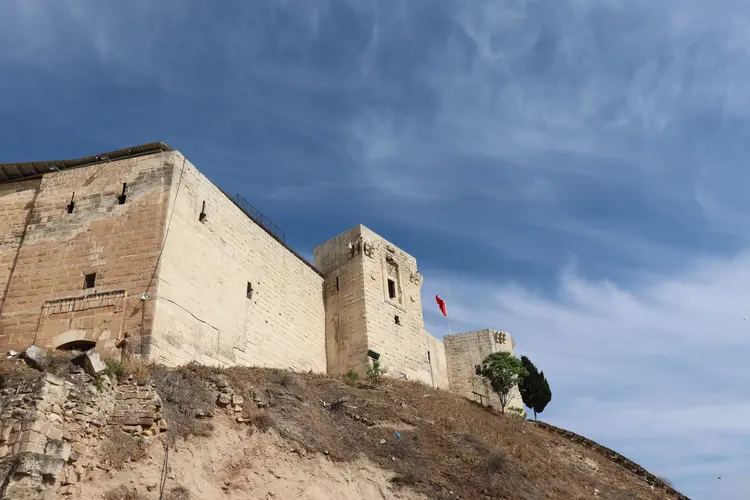
For the best overview of the old town, head to the castle. Its origins reach back to Roman and Byzantine times, with parts of the fortress dated to the sixth century. The 2023 earthquakes badly damaged it. A long restoration followed, so confirm current access before heading up.
The bedestens
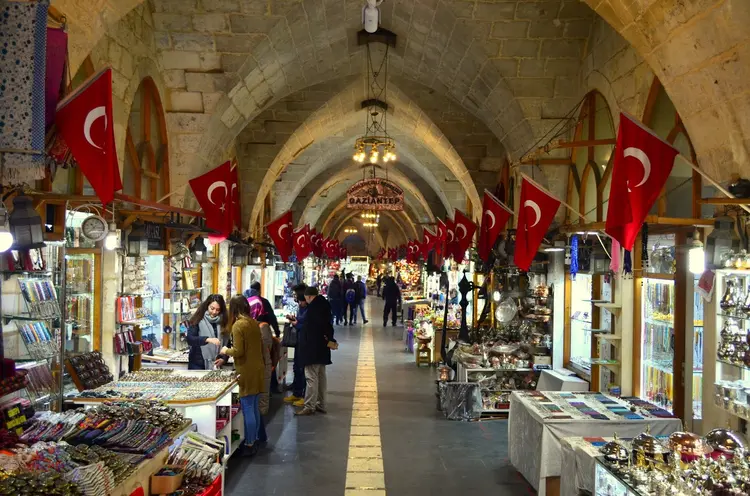
A bedesten is a long, narrow, covered market hall, and Gaziantep still uses its examples for trade.
Zincirli Bedesten, Hüseyin Paşa Bedesteni and Kemikli Bedesten are the places for local spices, souvenirs and decorative items.
Rumkale
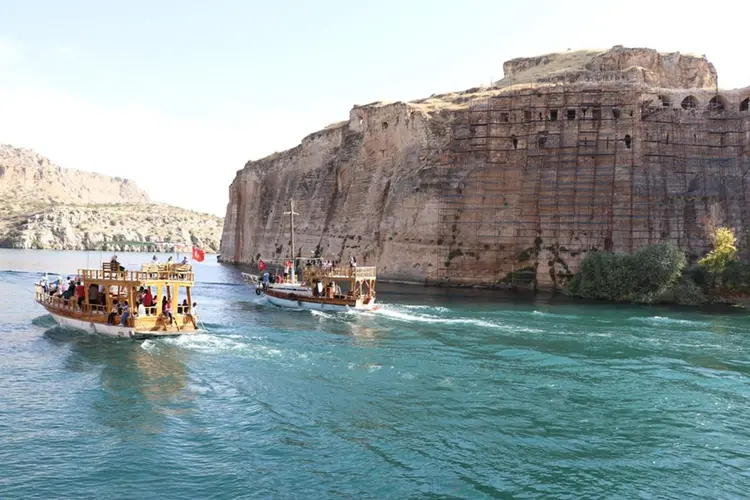
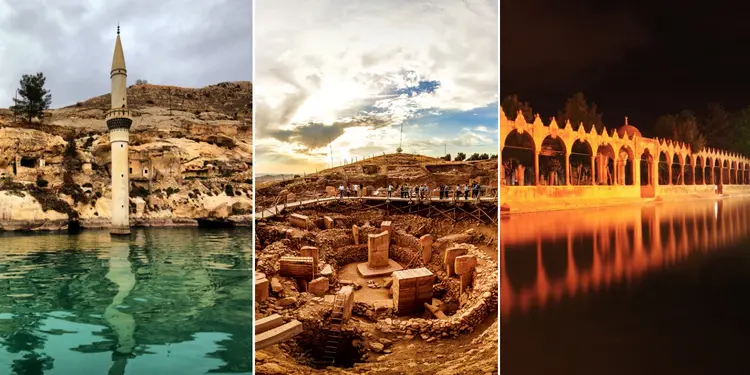
Rumkale (literally “Roman Castle”) perches on a rocky hilltop where the Euphrates meets the Merzimen stream. Late Roman and medieval ruins survive, including the Church of St. Nerses, the Barsauma Monastery, cisterns, a well and a moat. It is usually reached by boat from the Halfeti area. Part sightseeing, part river cruise.
Gaziantep Game and Toy Museum
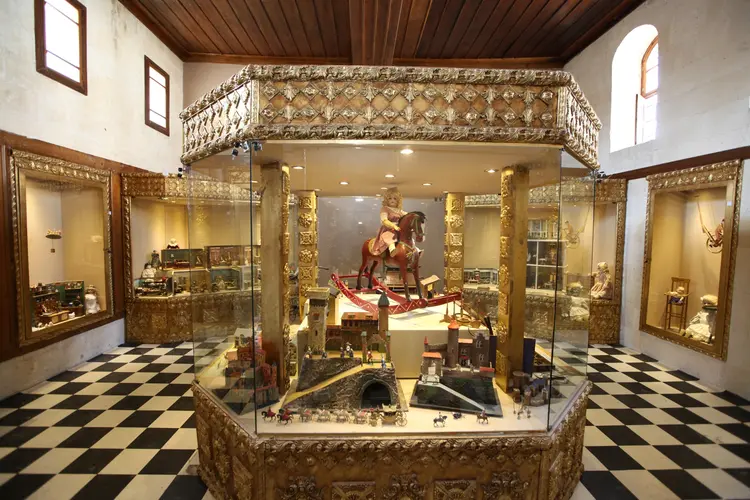
Set in a historic Antep house in Bey Mahallesi, this museum shows toys from past centuries.
It is an easy win for families.
3. What to eat in Gaziantep
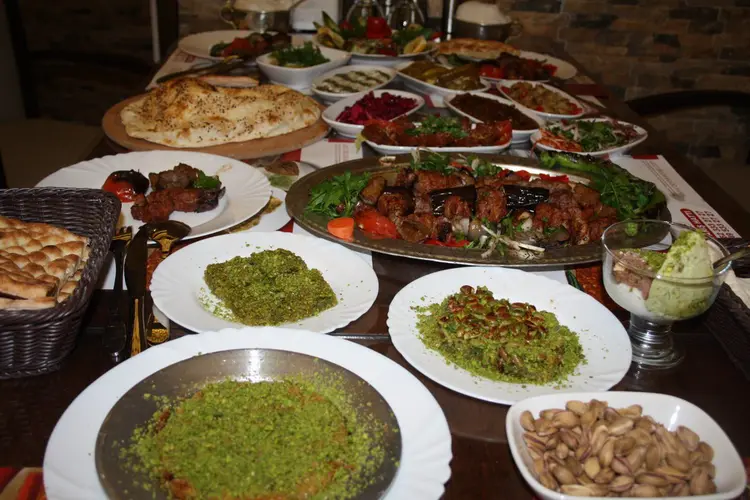
Food is not a side attraction here. It is the main reason to visit. Gaziantep joined UNESCO’s Creative Cities Network in the gastronomy category in 2015, and the city runs projects and events around its cuisine. These are the tastes worth seeking out.
Beyran

Beyran is a fiery lamb-and-rice soup with plenty of garlic, cooked over high heat in individual copper pans. It looks heavy. Locals still eat it for breakfast, usually followed by katmer, though whether a stomach is ready for garlic and chili that early is a personal call. Metanet is the best-known beyran spot and fills up early in the morning, while Dukat is another name that comes up often.
Katmer
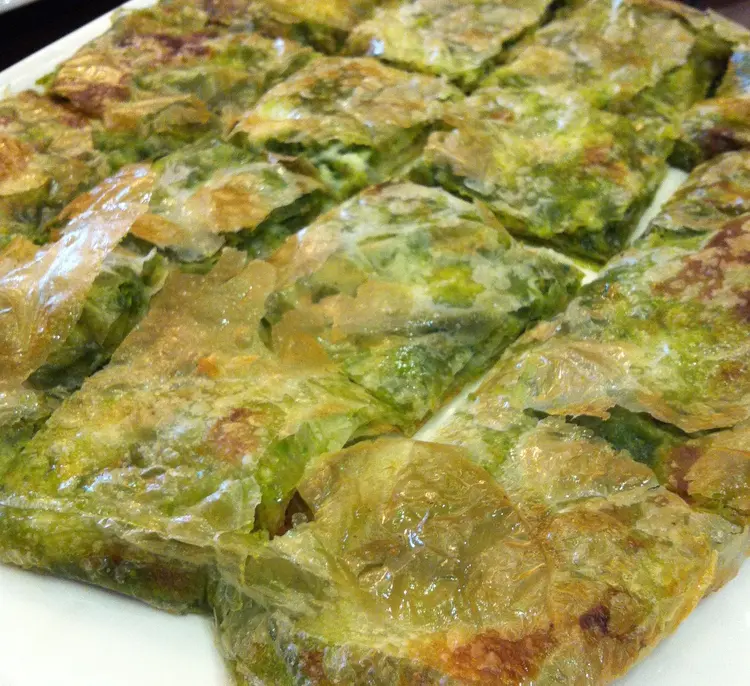
Katmer is a paper-thin pastry stuffed with pistachios and kaymak (clotted cream), another breakfast favorite. A glass of milk or a scoop of ice cream alongside helps it go down.
Orkide is a classic address, and Metanet does a respectable version too.
Baklava
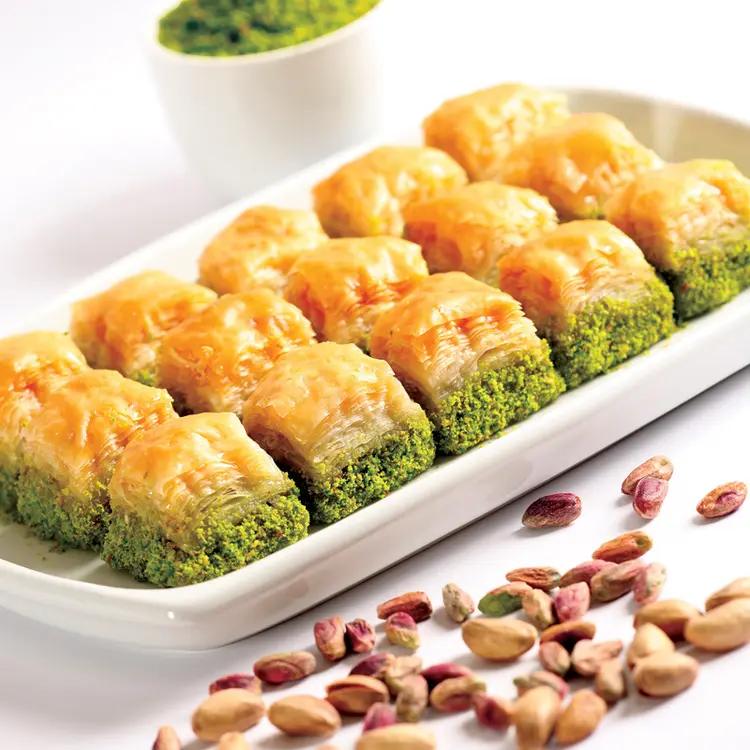
Gaziantep’s pistachio baklava is hard to describe and easy to finish. A trip planned around one baklava stop rarely stays that way. Koçak, İmam Çağdaş and Çelebioğulları are the names most often recommended.
Küşleme
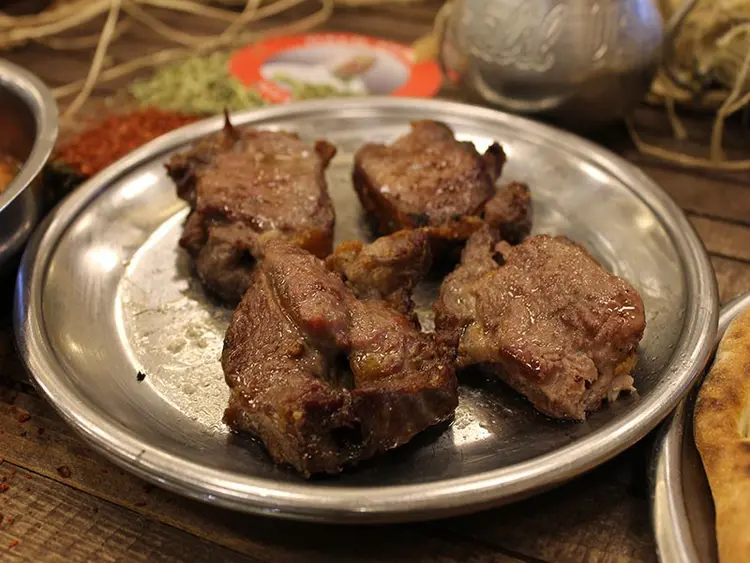
Küşleme is the lamb tenderloin, and each lamb yields only two small pieces, which explains the premium. Küşlemeci Halil Usta is the name locals mention first.
Nohut dürüm
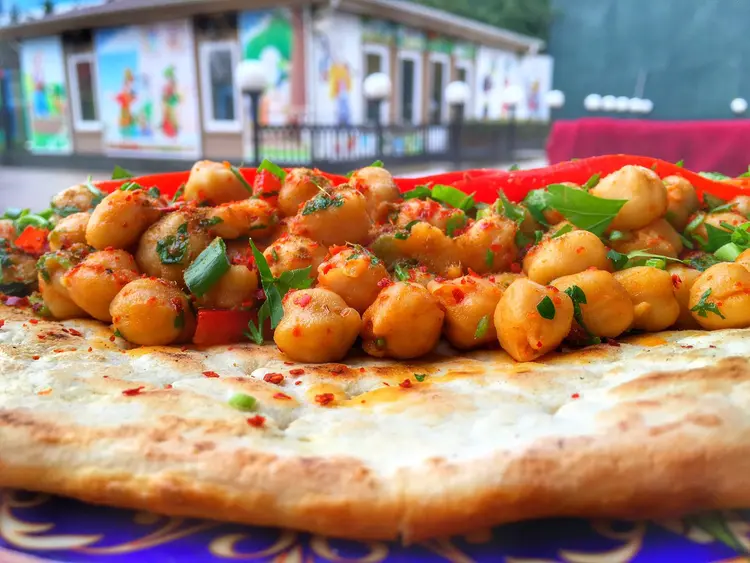
Spicy and tangy, nohut dürüm is a chickpea wrap and one of the city’s street foods, sold from carts as well as shops.
Dürümcü Recep Usta is a well-known stop.
Lahmacun
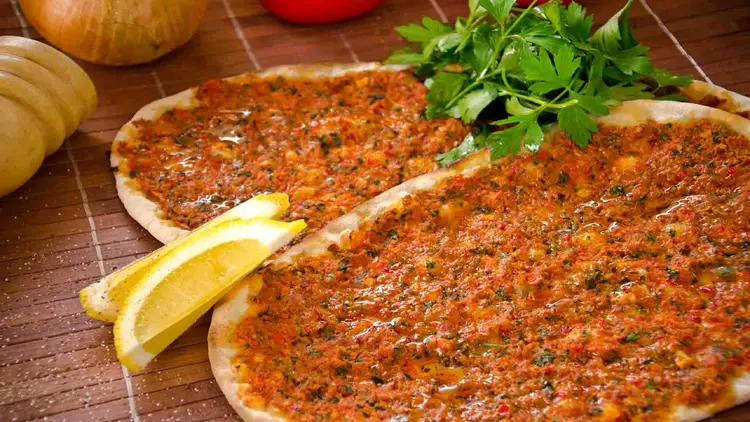
Lahmacun is a thin flatbread topped with minced meat. Antep serves the small “fındık” (hazelnut-sized) version, which is dangerously easy to lose count of. İmam Çağdaş is among the best. Üçler Kebap is another go-to for a crisp one.
Antep cheese
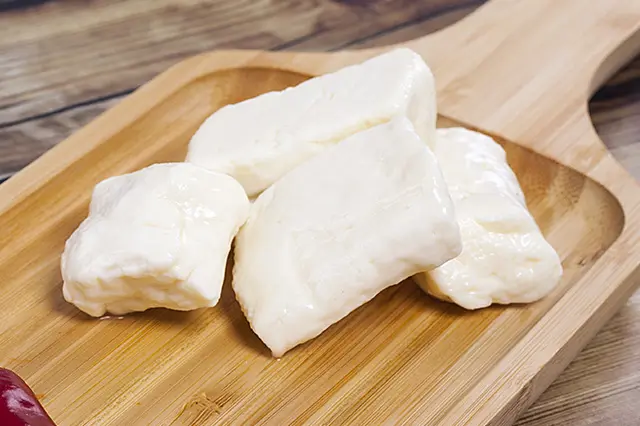
Even corner grocers stock Antep cheese, a cubed sheep’s-milk cheese that is eaten raw, served in restaurants with hot water poured over it, or baked with butter in a clay dish.
Fruit-and-meat dishes
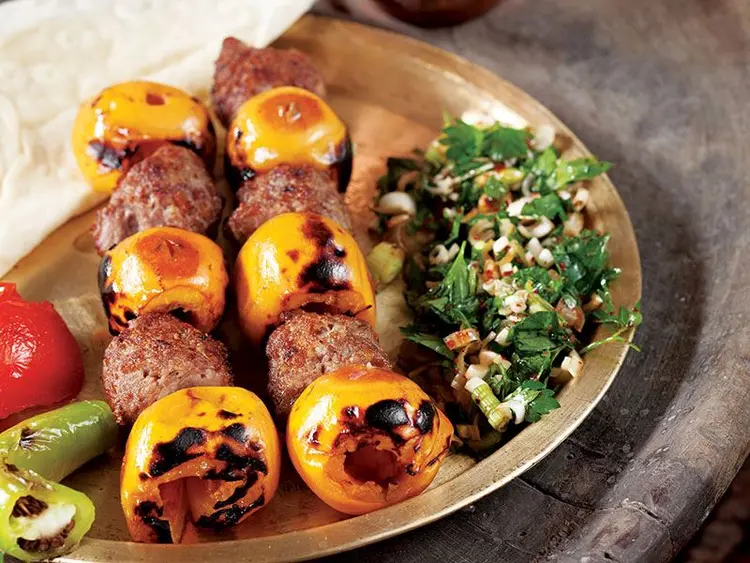
Gaziantep cooks meat with fruit: loquat (yenidünya) kebab, quince kebab and apple kebab all appear in season, so ask what is available.
The municipality-supported Mutfak Sanatları Merkezi (Culinary Arts Center) was set up to present local dishes.
Yuvalama
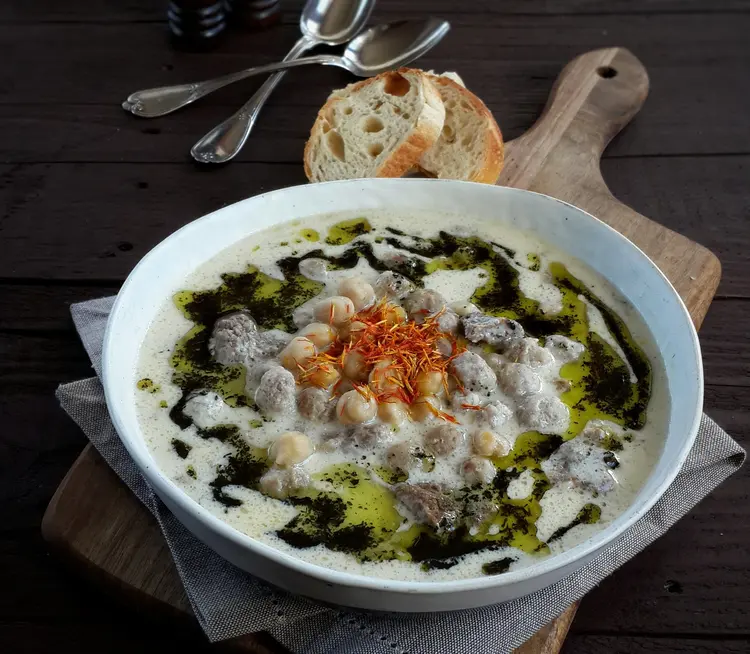
Yuvalama is a celebration dish of lamb, small dough balls, chickpeas, yogurt and mint. Aşina is one of the places associated with it.
Alinazik
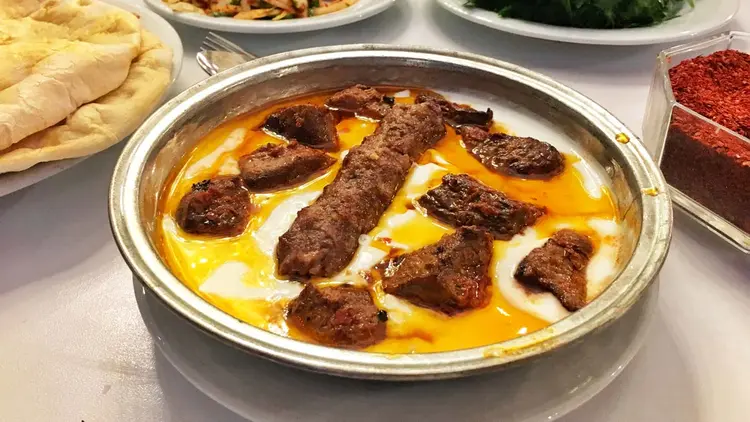
Alinazik is meat served over smoky eggplant mixed with yogurt, and one of the city’s most famous dishes.
İmam Çağdaş is a reliable place to order it.
Tahmis Coffeehouse
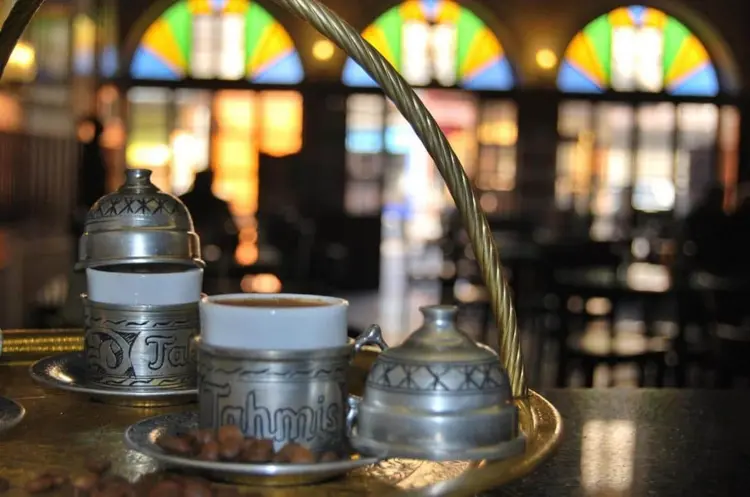
“Tahmis” refers to the place where coffee was pounded, and the coffeehouse dates to the 17th century. It was rebuilt after a fire and serves menengiç coffee. Don’t let the name fool you: it is a nutty, caffeine-free drink made from terebinth berries, not coffee beans.
Zahter tea
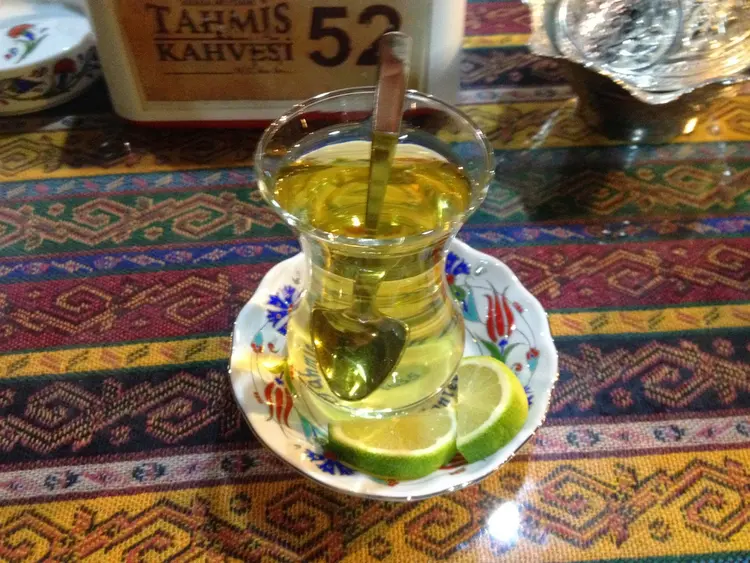
Zahter tea is an Ottoman-era drink brewed from a dried wild herb that resembles thyme. The Tahmis Coffeehouse and many other places serve it.
4. Where to stay in Gaziantep
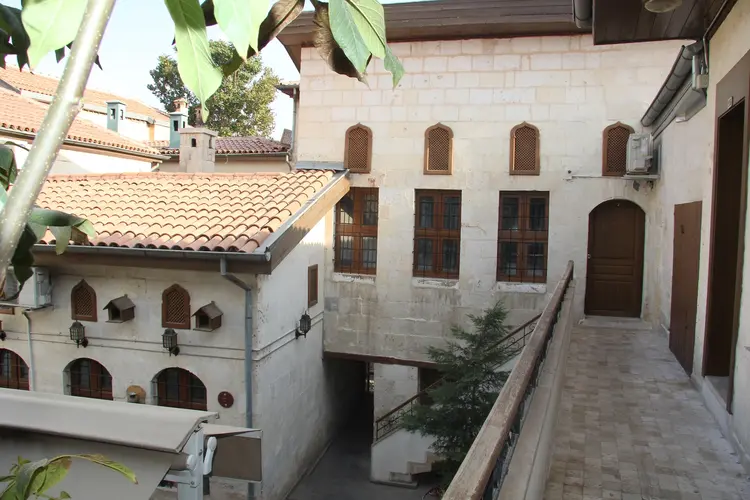
Gaziantep is large. Lodging comes in every size and budget. For a historic base, the same Bey Mahallesi lanes of courtyard mansions and the streets around the Coppersmiths’ Bazaar are the places to look. Anadolu Evleri (a restored house complex) and Arif Bey Konağı are often mentioned, and other mansion hotels include Ali Bey Konağı, Rahmi Bey Konağı and Asude Konak Hotel. Prefer a familiar brand? The international chains include Divan, Hilton and DoubleTree. One honest tip for smaller guesthouses: read recent reviews and check the distance to the center.
Sources: Hürriyet Daily News, Daily Sabah, Zeugma Mosaic Museum

Bir yanıt yazın