
9 Places With Fairy Chimneys in Turkey Beyond Cappadocia


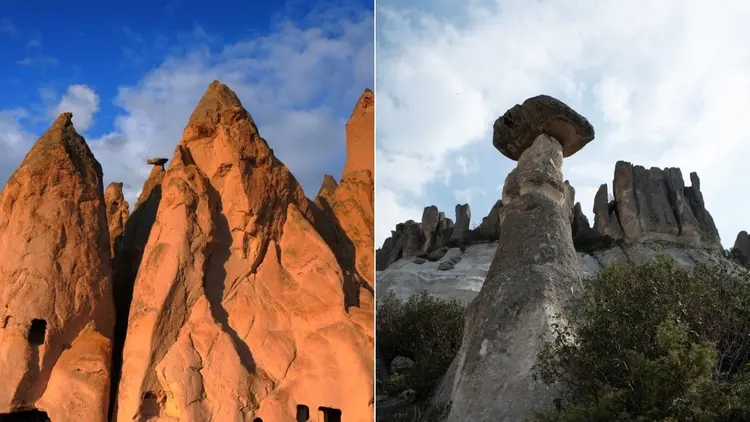
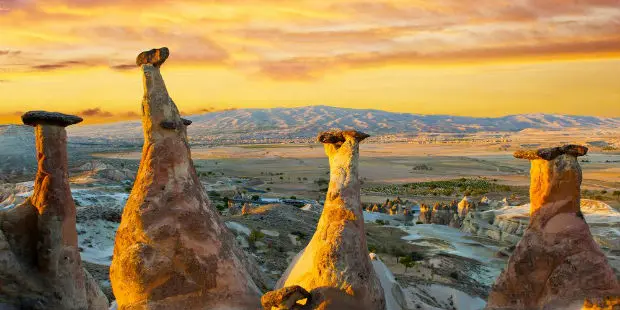
Cappadocia gets all the attention, but it holds no monopoly: fairy chimneys in Turkey appear in plenty of other regions, formed by the same patient work of wind, rain and soft rock. Some are volcanic, some sedimentary. A few even come with ancient rock-cut homes attached, and these nine places show how varied the country’s fairy chimneys really are.
1. Kuladokya, Kula (Manisa)
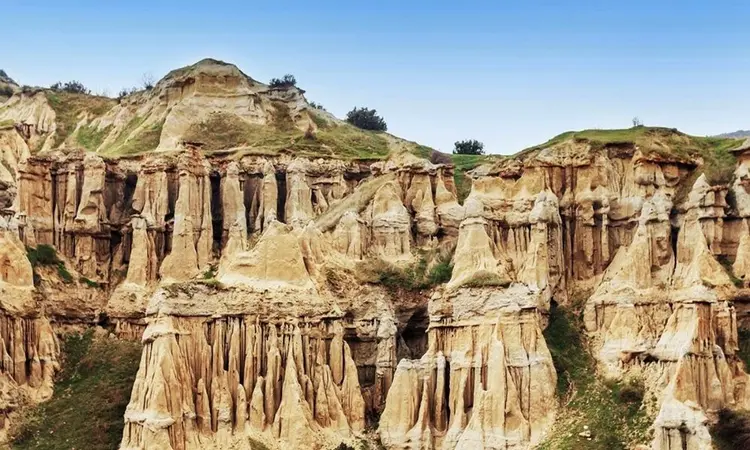
Kuladokya means “Kula’s Cappadocia.” It lies in the western province of Manisa, inside the Kula-Salihli geopark, Türkiye’s first UNESCO-recognized geopark, where the dark volcanic ground explains the area’s ancient name: the Greek geographer Strabo, born in Amasya, called it Katakekaumene, or “burnt land.” He described a treeless, rocky landscape that looked scorched by fire. The formations were registered as a natural monument in 2012 and are protected.
2. Vanadokya, Başkale (Van)
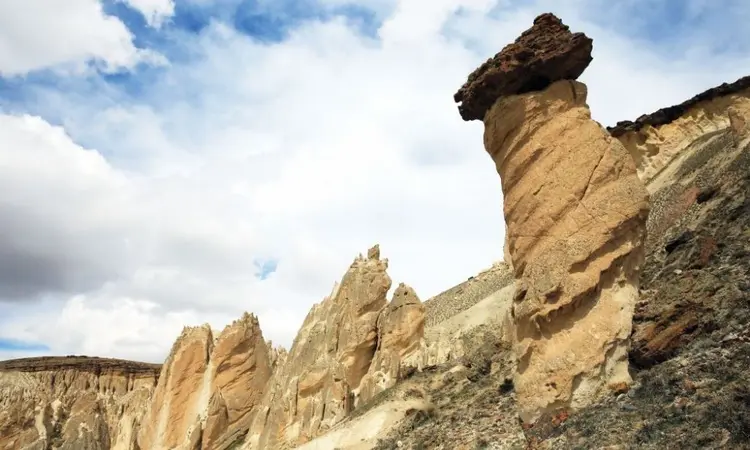
Vanadokya sits near Yavuzlar village in Başkale district, in the far east; news reports put it about 33 km from Van, though local sources measure distances differently. Why the Cappadocia nickname? Locals say the rock was thrown out by the volcanic Yiğit Mountain and later shaped by rain and wind, much as in Cappadocia, while tunnels and caves nearby still await development for visitors. Protected status came in 2020.
3. Narman Fairy Chimneys, Narman (Erzurum)
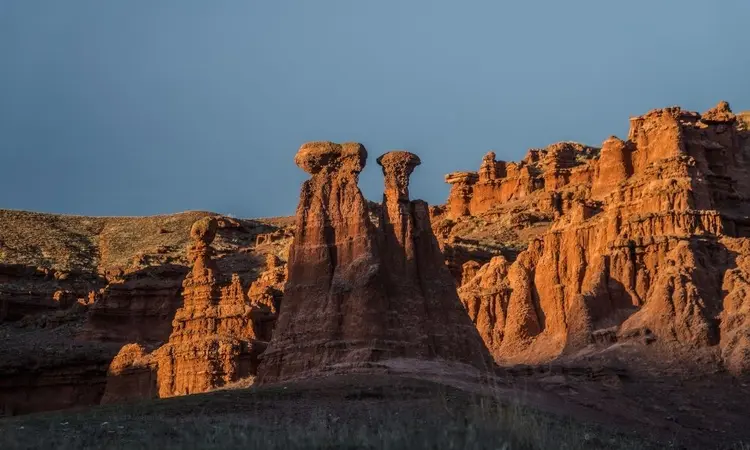
Narman is nicknamed the Land of Red Fairies. Its rust-colored formations owe their color to iron oxide and are sometimes compared to the red canyons of the American Southwest. Don’t expect a red copy of Cappadocia, though. Unlike Cappadocia’s volcanic chimneys, these are sedimentary, built from red sandstone and gravel that water and wind have eroded over time, and they are spread across several valleys near Yanıktaş village.
4. Simav Fairy Valley, Simav (Kütahya)
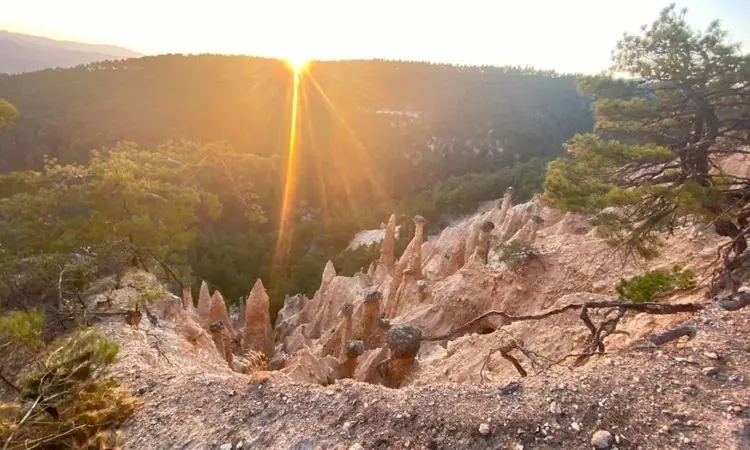
In the Aegean interior, near Yeniköy village in Kütahya province, the Simav Fairy Valley goes by several names: locals call it the Fairy Valley, the Yeniköy Fairy Chimneys or the Simav Fairy Chimneys. A forestry road now leads there. It is a declared archaeological site. Tourism is only just getting started, which is hardly a drawback if you dislike crowds.
5. Phrygian Valley, İscehisar (Afyonkarahisar)
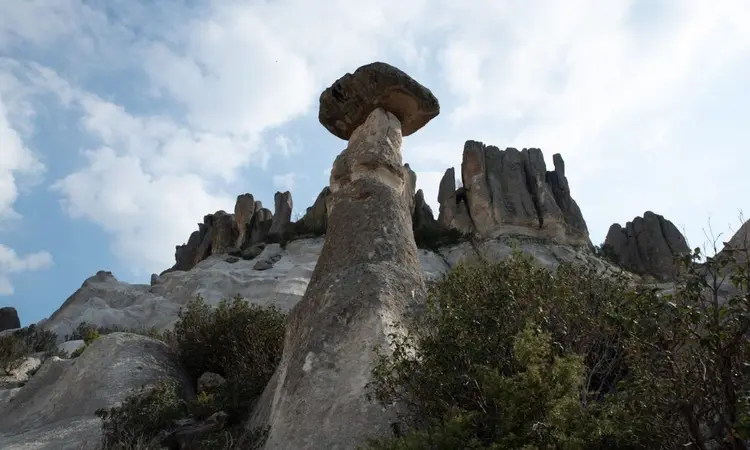
Here, volcanic soil did the work. Afyonkarahisar has fairy chimneys in the districts of İhsaniye, İscehisar, Bayat and Bolvadin, all part of the wider Phrygian Valley, which spreads across several western provinces and is named for the Phrygians who carved settlements and tombs here. A tourism route marked out by the provincial governor’s office links the formations, so you can follow a signed path. The upland where Eskişehir, Kütahya and Afyonkarahisar meet, known as Mountainous Phrygia, has been on Türkiye’s UNESCO World Heritage tentative list since 2015, described there as a land of deep valleys and volcanic tuff.
6. Seben, Bolu
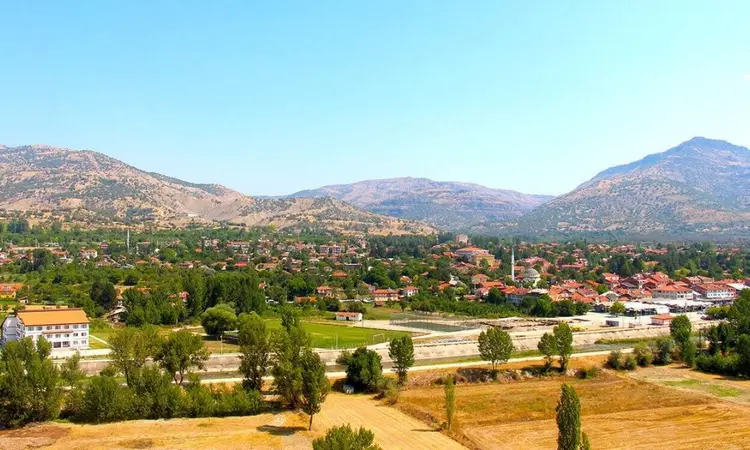
South of Bolu, in the valley of the Aladağ Stream, Seben holds some of the region’s mysterious rock settlements, and the formations themselves stand in Solaklar village, about three kilometers from the town center. The land is volcanic. Centuries of weathering have produced fairy chimneys, caves, small canyons and cone-shaped rocks, which is why visitors often call it a miniature Cappadocia. The nearby Phrygian rock houses, reportedly carved thousands of years ago, have four levels connected by narrow tunnels.
7. Selime, Aksaray
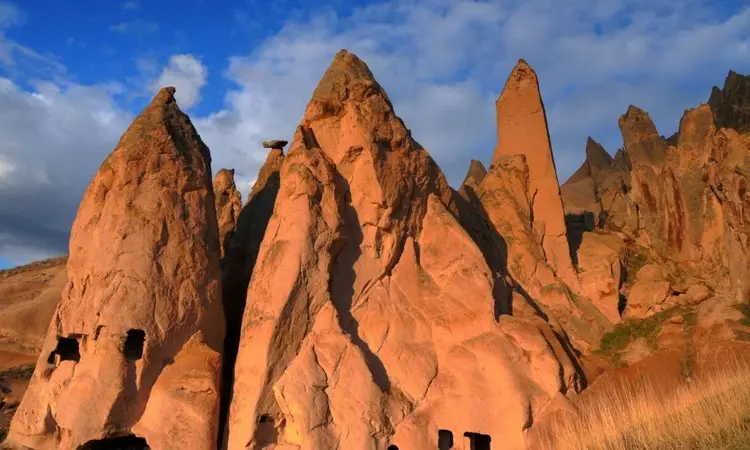
Selime is technically in Aksaray. That rules out Nevşehir, but not Cappadocia’s soil or its look. Hundreds of fairy chimneys of various sizes surround the town at the northern end of the Ihlara Valley, and the cliffs here hold the Selime Monastery, often described as the largest rock-cut monastery in Cappadocia.
It’s a busy, very touristy area—no hidden gem here—and it also marks the end of the Ihlara Valley walk.
8. Meşeli Village, Şavşat (Artvin)
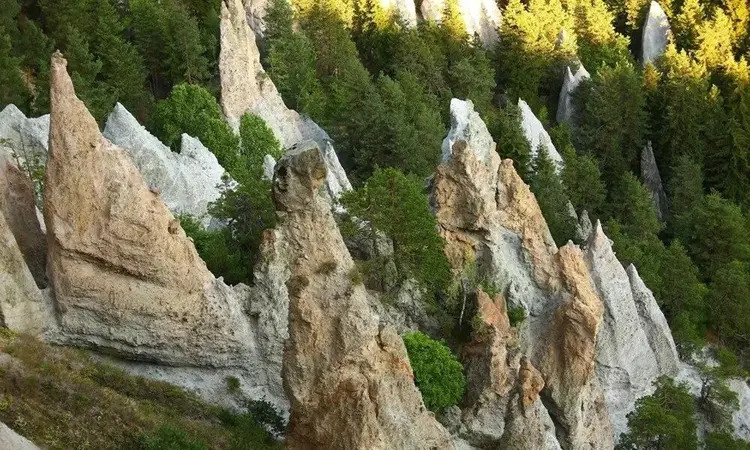
Artvin is best known for its green forests and the hidden Karagöl lake, but fairy chimneys appear in Meşeli village in Şavşat district. The view flips here. You can look down on the formations from above, whereas in Cappadocia you usually look up at them, and the chimneys rise straight out of the surrounding pine trees. The village lies next to Karagöl-Sahara National Park, established in 1994.
9. Sakaeli Gelincik Kayası, Orta (Çankırı)
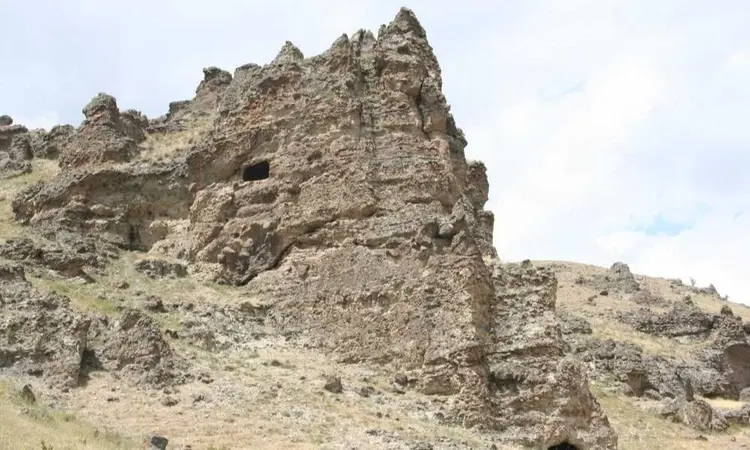
In Çankırı’s Orta district, Sakaeli village stands out for rock settlements that resemble Cappadocia’s. Locals call it Çankırı’s fairy chimneys. Reports mention roughly 150 formations in the Devrez Stream valley, with rock dwellings attributed to the Roman and Byzantine periods, and the area was declared a first-degree archaeological site back in 1990.
So the fairy-chimney map of Turkey is far wider than the postcards suggest: red sandstone in Narman, pine-ringed cones in Meşeli, Roman- and Byzantine-era rock dwellings in Sakaeli, and the same patient erosion behind all of them.
Sources: Hürriyet Daily News on Vanadokya; Daily Sabah on the Kula Volcanic Geopark; UNESCO World Heritage Centre: Mountainous Phrygia.

Bir yanıt yazın