
Phrygian Valley Guide: Rock Cities and Emre Lake


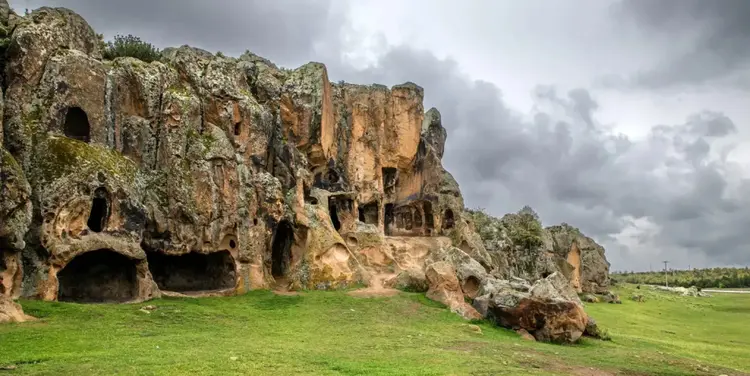
The Phrygian Valley holds the traces of the Phrygians, one of Anatolia’s oldest civilizations, in rock-cut homes, tombs and sanctuaries scattered across western Türkiye. Spread over the area where Afyonkarahisar, Kütahya and Eskişehir meet, it has become popular again for both culture and hiking. Ayazini and Emre Lake draw the most visitors.
1. Where Is the Phrygian Valley?
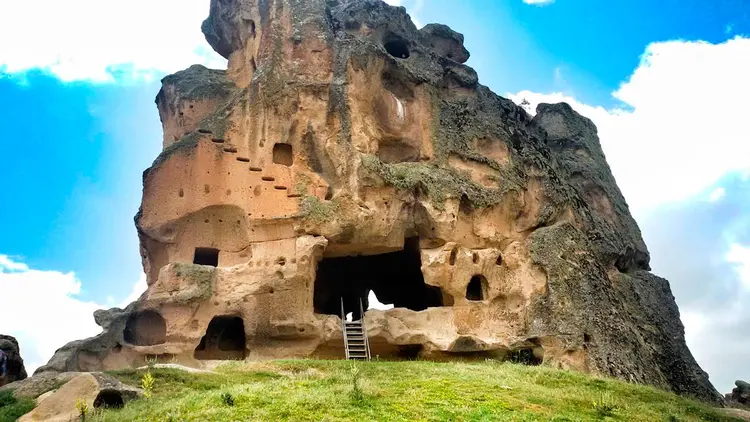
The Phrygian Valley is not a single spot. It is a wide region of ancient settlement, with most of the ruins in Afyonkarahisar province and the busiest part around İhsaniye and Ayazini, where rock-cut houses, worship spaces and tunnels stack up on several levels.
Comparisons with Cappadocia come up often, and the valley holds its own. Quieter, less touristy and rawer, it has become a favorite for travelers trying to escape crowds.
2. Aslankaya and the Phrygians’ Great Monuments
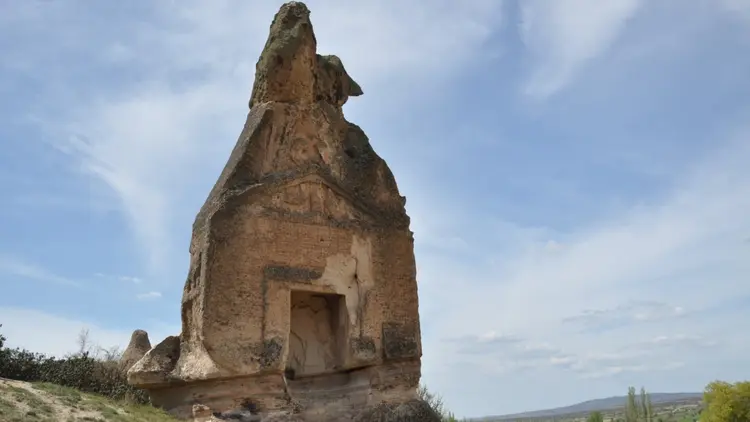
Aslankaya (Lion Rock) is a free-standing volcanic rock about 15 m high, carved into a sanctuary in the mid-6th century BC. Lions, sphinxes and geometric patterns cover its facade, and a niche once held a statue of the mother goddess Cybele between two lions. Two monuments share the name, which is exactly as confusing as it sounds: this one stands on the western shore of Emre Lake near the town of Döğer, while a second Aslankaya sits in the Göynüş Valley. The carvings show how the Phrygians marked sacred places with protective symbols. Shifting light brings out the details.
3. Ayazini Village and the Rock Dwellings

Ayazini is often called the heart of the valley and is usually the first stop. Göynüş gets the walkers; Ayazini gets almost everyone.
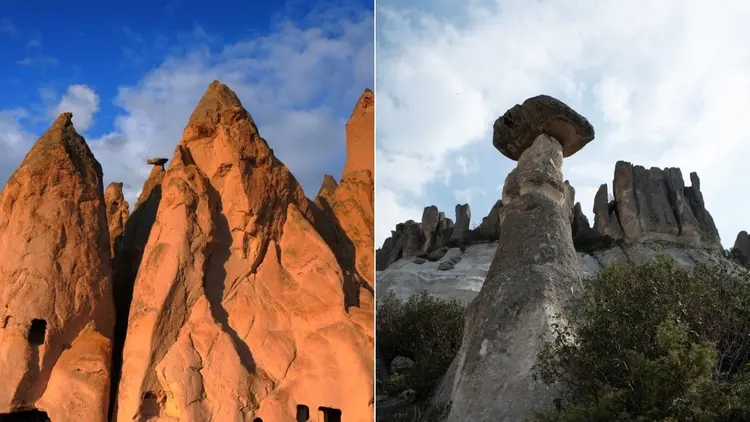
Here, modern village life and ancient Phrygia overlap. Rock-cut homes, churches and tomb chambers sit right beside the village streets, and some rooms link into multi-room complexes that hint at how people once lived. Around sunset the stone turns warm. Photographers, predictably, love it.
4. Emre Lake and Wildlife
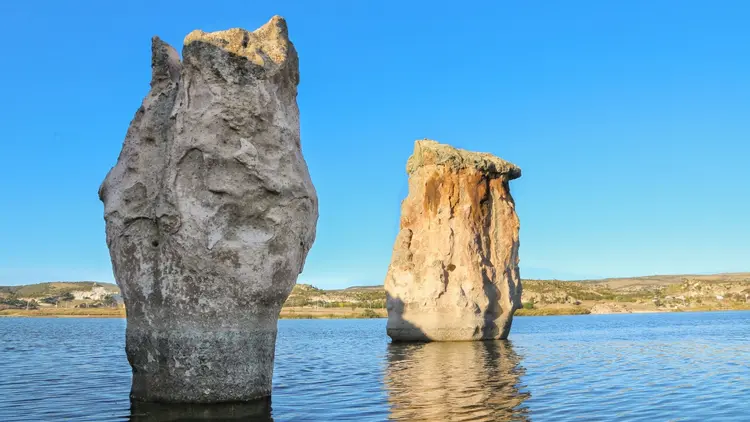
Emre Lake is the calm, nature-focused side of the region. It looks natural, but it isn’t: the lake is a man-made reservoir, with rock spires rising from the water, and it lies on migratory bird routes. Boat tours run on the lake. After a day of ruins, a walk along the shore or a sunset by the water works well.
The catch is getting there. Roads to the lake are often unpaved and there is no bus service, so most visitors arrive by car or taxi.
5. Göynüş Valley
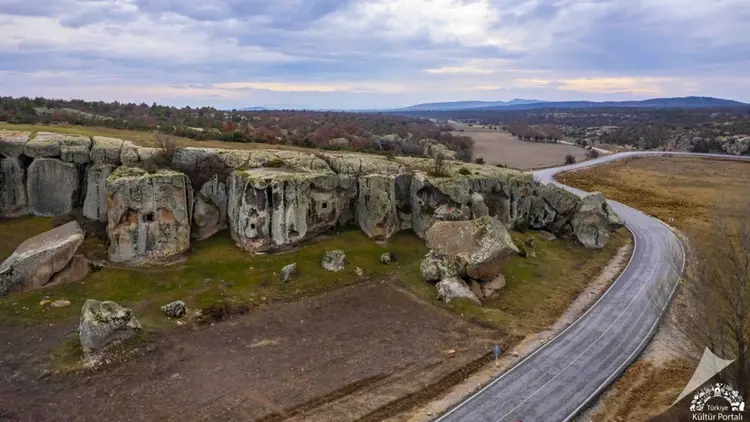
Less known than Ayazini, the Göynüş Valley is arguably more impressive. Its large Phrygian necropolis holds rock tombs and monuments, including the Aslantaş and Yılantaş burial chambers and the Maltaş open-air temple. Fewer people come here, which is entirely their loss. The valley is usually explored on longer walks, and the balance between nature and history is easier to feel.
6. The Phrygian Way and Hiking Routes
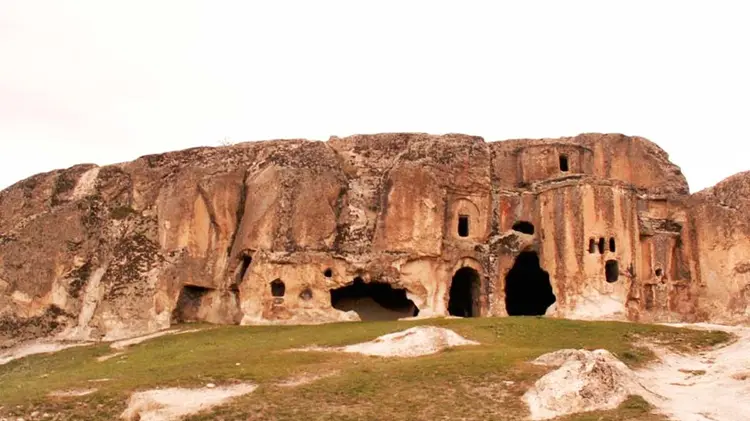
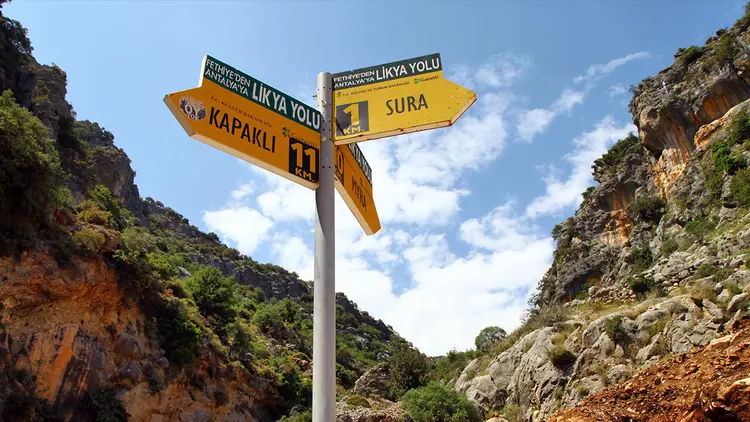
The Phrygian Way is a long-distance hiking trail of roughly 500 km (about 310 miles) that follows ancient roads through Phrygian territory. Ayazini and the Göynüş Valley both lie along it. Between the two: about 10 km on foot. With forest, rock formations and ruins appearing together, it works as a cultural route as much as a trekking path.
7. When to Visit the Phrygian Valley
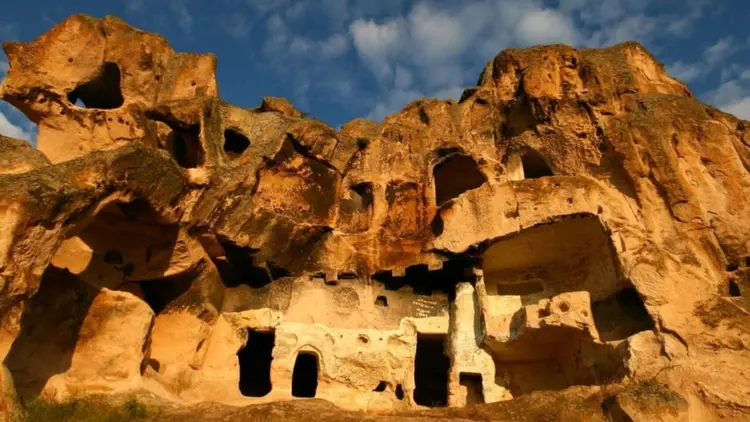
Spring and autumn are best. Temperatures then are neither too hot nor too cold for walking and exploring open ground. Summer is another story: midday heat can be intense, so plan visits for early morning or late afternoon.
8. Where to Stay Near the Phrygian Valley
Because the valley is spread over a large area, lodging shapes the trip, and there is no single right answer. It depends on what you want: quiet in nature, a village feel or city comfort.
Ayazini and İhsaniye
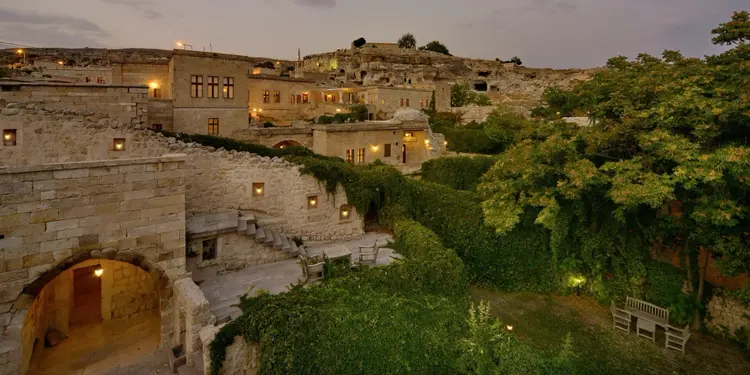
This is the most practical base. The nearest rock settlements and main sights are here, and instead of big chain hotels, expect small boutique hotels, stone-house guesthouses (pansiyon) and restored village homes. The main draw? Waking up facing the rock formations.
Afyonkarahisar City Center
The city offers larger hotels, thermal (hot spring) hotels, more restaurants and easier transport. The trade-off is a daily drive of about an hour to the valley. Check the time before you commit.
Around Emre Lake
Calm and nature-oriented, this area has bungalows, small cabins, campsites and misty lake mornings. Camping is possible in parts of the valley, mostly near the lake and in certain natural areas. Ask locally about current rules.
9. Tips for Visiting the Phrygian Valley
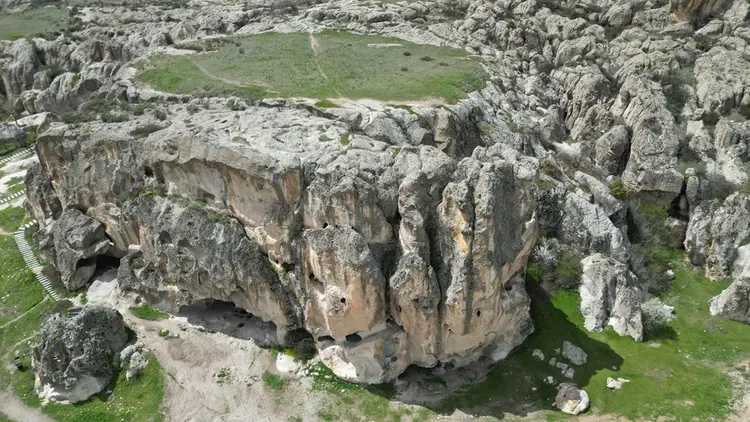
Rocky ground and footpaths can be tough. Comfortable walking shoes are not optional, and in summer, sun protection and water are essential. On a map the sights look close together; on the ground, those unpaved roads to the lake stretch the day out. Ayazini and Emre Lake can usually be combined in one day. The Göynüş Valley and the Phrygian Way deserve a separate one.
The region remains one of Türkiye’s less-discovered routes—slower, quieter, a place where history and landscape overlap, and a good reason to look beyond Cappadocia.
Sources: Daily Sabah: Türkiye’s Phrygian Valley, Turkish Archaeological News: Aslankaya, GoTürkiye: Phrygian Way

Bir yanıt yazın