
22 Things to Do in Izmir, From Ancient Agora to Ephesus


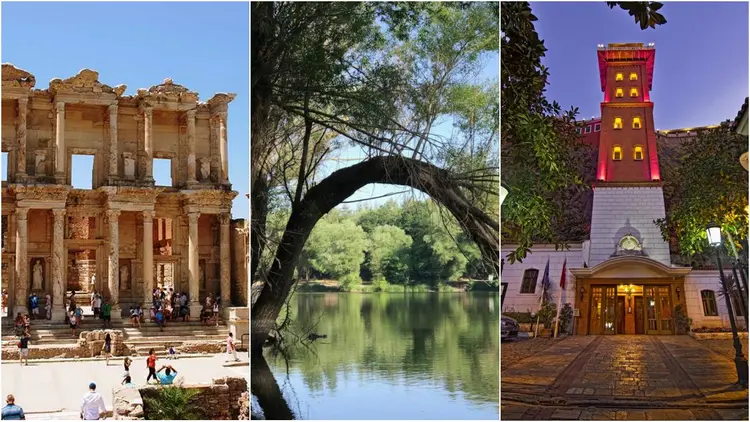
The best things to do in Izmir span three thousand years of history, from the Hellenistic walls of ancient Smyrna to a 1907 elevator that still carries commuters up a hillside. Türkiye’s third-largest city sits at the head of a deep gulf on the Aegean coast, and its waterfront, bazaars and neighborhoods are made for walking. This list covers 22 stops, including day trips to Ephesus and the hill village of Şirince, about an hour’s drive south.
1. Kordon
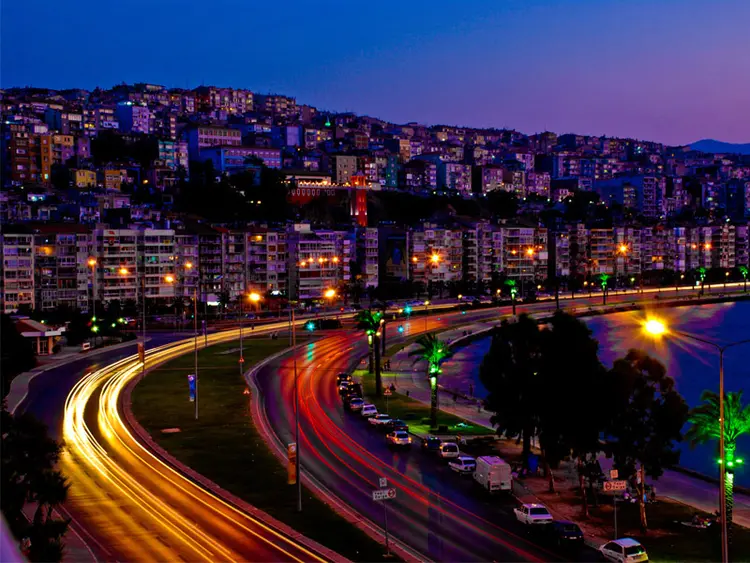
The Kordon is Izmir’s seafront promenade in the Alsancak district, a broad, flat walk along the gulf with grass to sit on and cafés to watch the ferries from. It is where the city turns out in the evening: joggers, families, groups of friends with tea and snacks.
Come near sunset, when the light across the bay turns the whole waterfront gold. A quick stroll here has a way of stretching into a whole evening.
2. Kemeraltı Bazaar
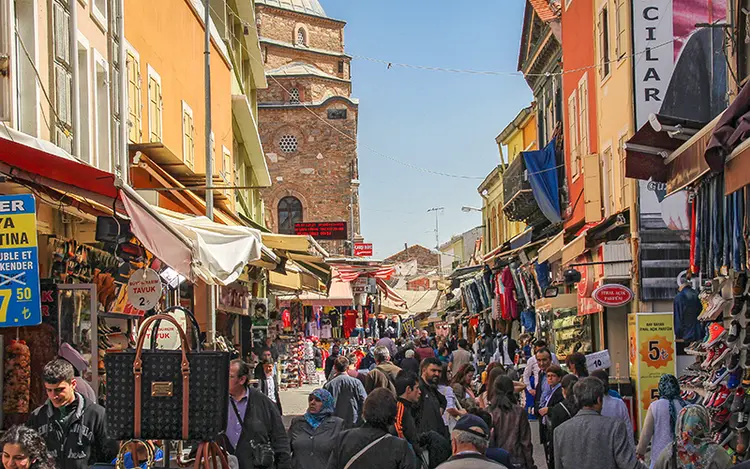
Kemeraltı is Izmir’s old bazaar, a maze of lanes between Konak Square and the ancient Agora, where spices, textiles, souvenirs and everyday goods share the same street. Old hans (courtyard inns), small mosques and craft workshops are scattered through it. Shops get handed down for generations. When the crowds get dense, duck into one of the courtyard tea houses.
3. Asansör (the Historic Elevator)
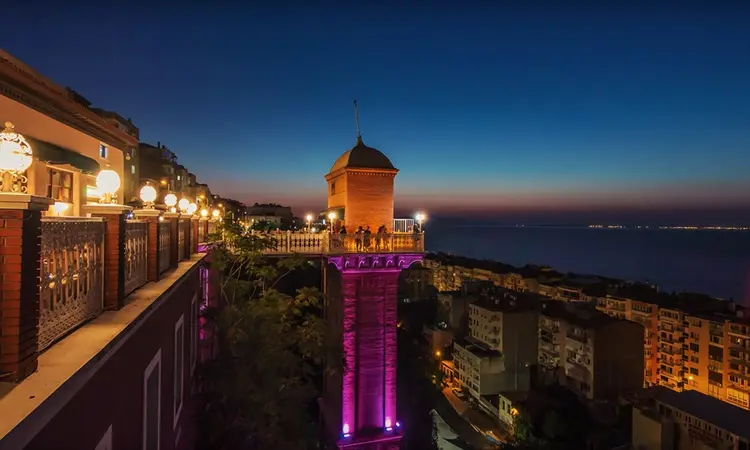
The Asansör was built in 1907 by the businessman Nesim Levi Bayraklı to connect the Karataş neighborhood with the steep Halil Rıfat Paşa hillside above it. It runs on electricity today after a restoration in 1985, and the ride has traditionally been free. At the top, a terrace café looks out over the gulf: quite a view for zero climbing. Dario Moreno Street starts right there.
4. Cave of the Seven Sleepers
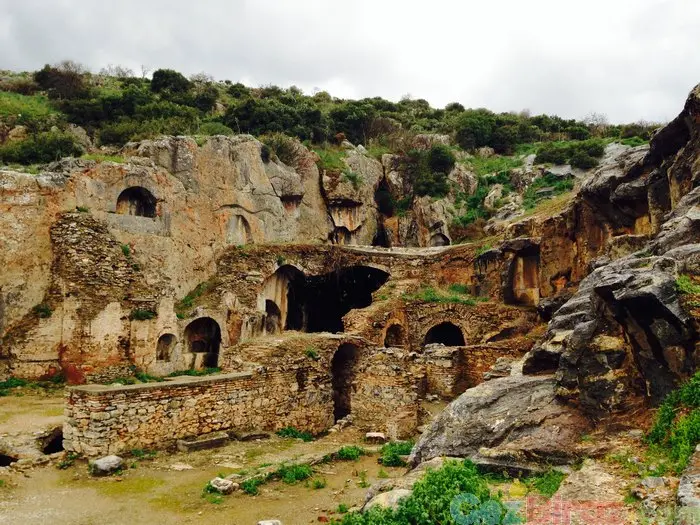
The Cave of the Seven Sleepers lies in the Ephesus area near Selçuk. Christians and Muslims both hold it sacred. In Islamic tradition, where the group is known as Ashab al-Kahf, seven young men sheltered in a cave and slept for 309 years.
Getting there: a train from Izmir’s Basmane station toward Selçuk, then a local minibus.
5. Izmir Clock Tower
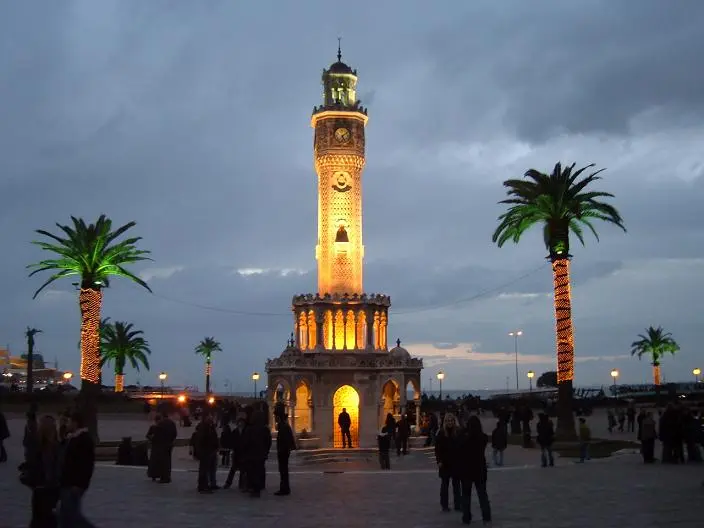
The clock tower on Konak Square was inaugurated on September 1, 1901, to mark the 25th anniversary of Sultan Abdülhamid II’s reign, and the German emperor Wilhelm II donated the clock. During the 1974 earthquake, the clock stopped at 2:04 a.m. It was later repaired and restarted, though exactly when is hard to pin down. Today it is Izmir’s postcard symbol and the usual meeting spot in the city center.
6. Dario Moreno Street
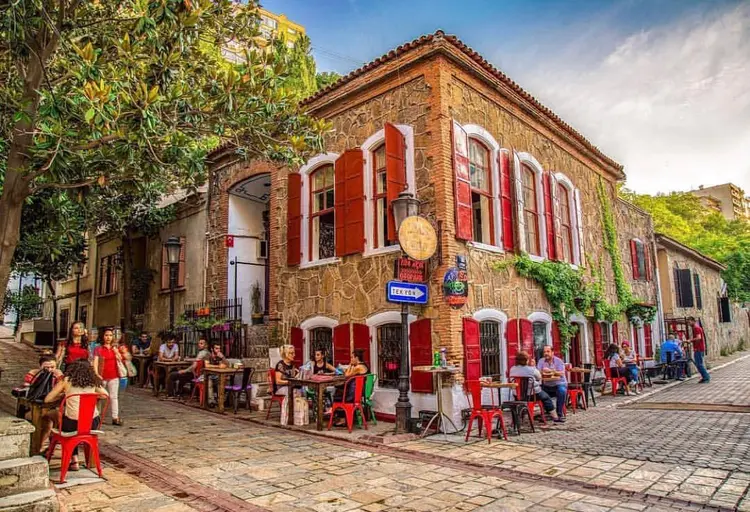
Dario Moreno Street runs from the top of the Asansör to the Güzelyalı side, and it is named for the Izmir-born singer and actor best known for the 1950s hit “Si tu vas à Rio.” The street is quiet and shaded, with small cafés where a coffee comes with a view over the rooftops.
It makes a gentle detour after the elevator ride.
7. Konak Mosque (Yalı Mosque)
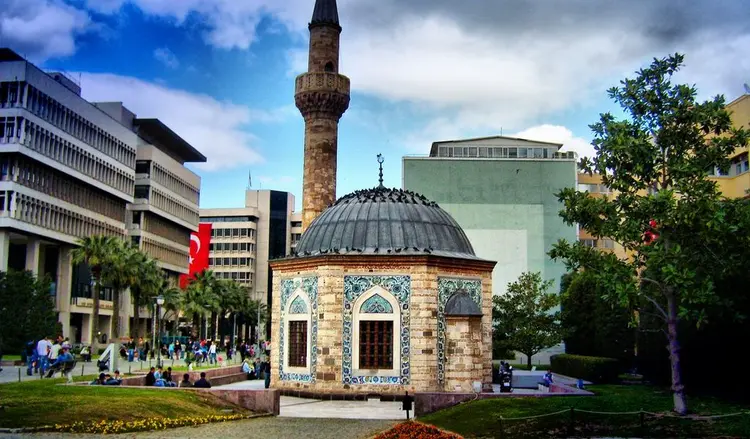
Konak Mosque dates from 1755. Ayşe Hanım, the wife of the city’s governor at the time, ordered it built on Konak Square, and its exterior is covered with tiles brought from Kütahya. Octagonal plan, single dome, single entrance: small, but distinctive. It stands right beside the clock tower, so the two are usually visited together.
8. Kızlarağası Han
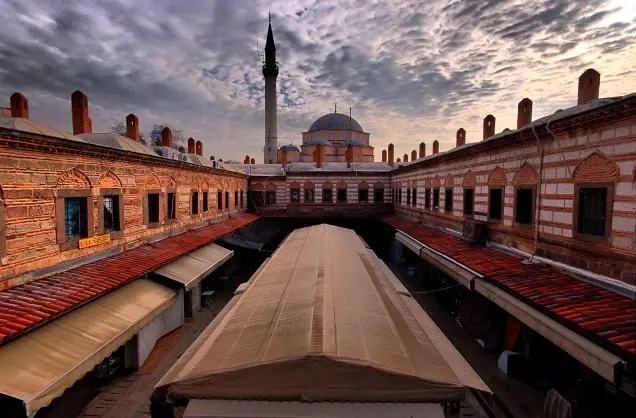
Kızlarağası Han is an 18th-century caravanserai in the heart of Kemeraltı, and it is one of the largest and best preserved in the bazaar. Its courtyard is filled with small craft shops and tea gardens, shaded by arches that muffle the noise of the bazaar outside. A calm spot for tea mid-shopping.
9. Historic Gas Factory
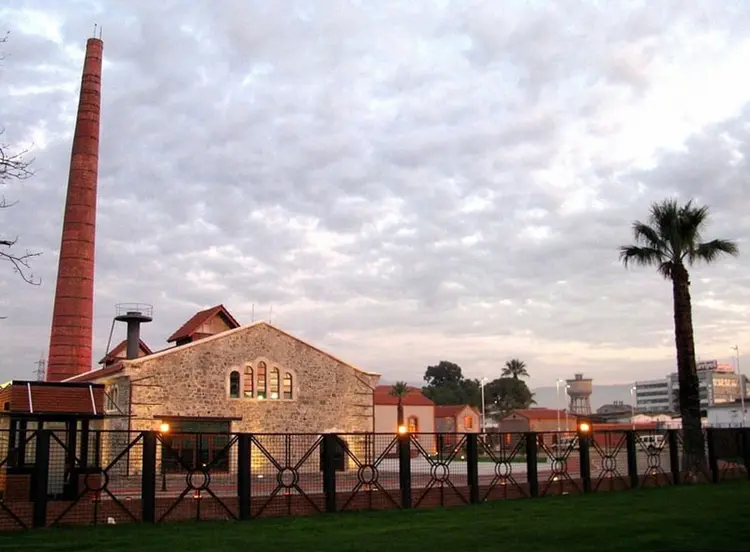
The Historic Gas Factory (Tarihi Havagazı Fabrikası) opened in 1862 as a gasworks and, in the early 1900s, also supplied electricity to the city. Restoration turned it into a culture center with concerts, exhibitions and talks. The mood is different. Here, old industrial buildings stand in for the Ottoman monuments found elsewhere on this list.
10. Karagöl Nature Park
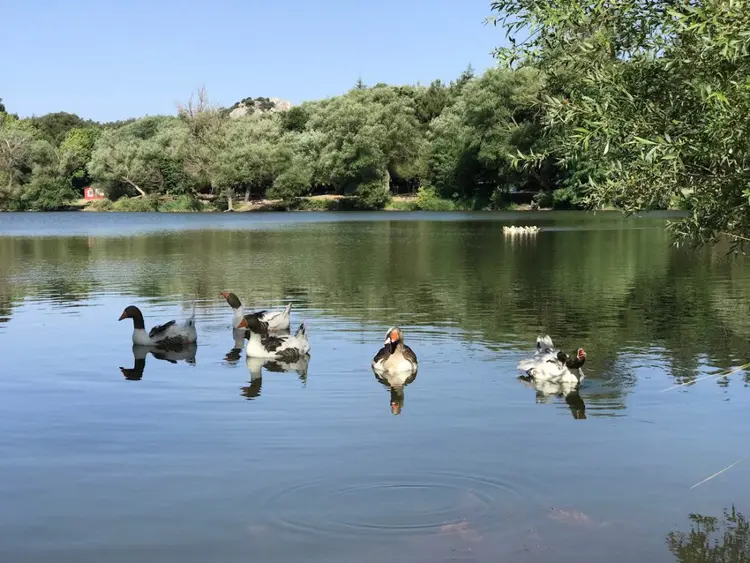
Karagöl is a small mountain lake of tectonic origin, ringed by fragrant pine forests, and it is a popular spot for picnics and short hikes. Local tradition ties it to the myth of Tantalus, the Greek king punished by the gods for eternity, though where that link comes from is hard to trace.
Too hot downtown in summer? Karagöl is the obvious escape.
11. Atatürk Museum
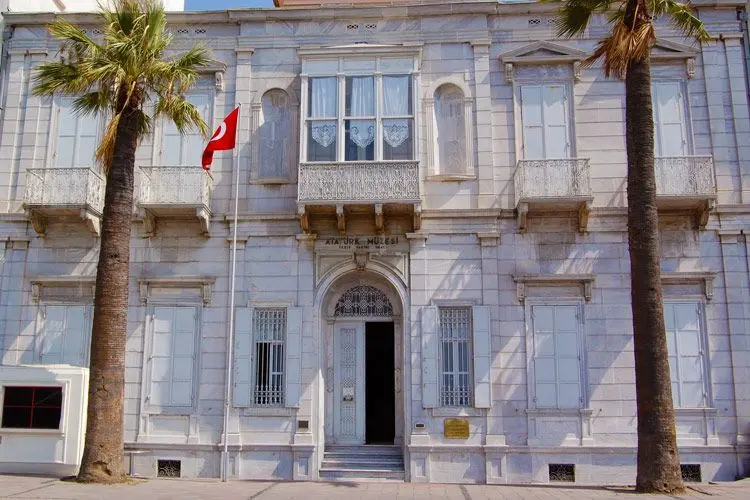
The Atatürk Museum opened on September 11, 1941, in a historic house associated with Mustafa Kemal Atatürk, the founder of the Turkish Republic, during his stays in Izmir. Its rooms hold personal belongings, including furniture and documents. The building later became a library as well. It is a short visit that explains why Izmir holds a special place in modern Turkish history.
12. Şirince Village
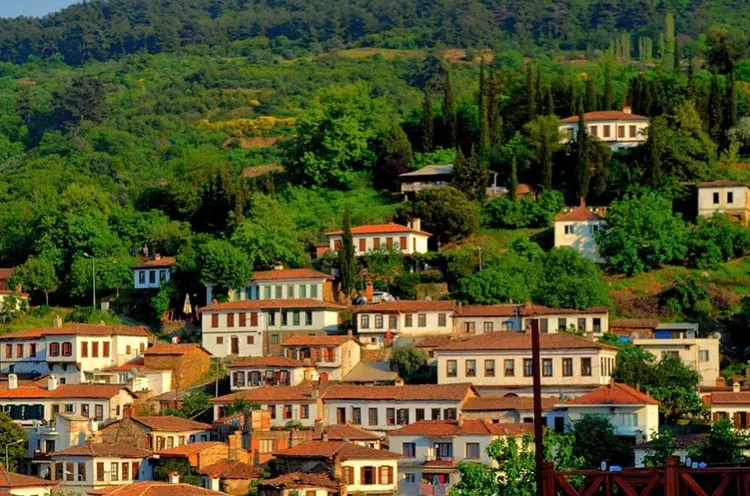
Şirince is a hill village about 8 km east of Selçuk, which grew after Ephesus was abandoned and was home to a Greek Orthodox community in the early 20th century. Its name changed from Çirkince (“Ugly”) to Şirince (“Pleasant”) in 1926, and most of the houses date from the 19th century. Village breakfast, olive oil, organic products, tasting shops pouring local wines: that is the draw today. In December 2012, travelers even flocked here to wait out the predicted Maya apocalypse, which never came.
13. Key Museum
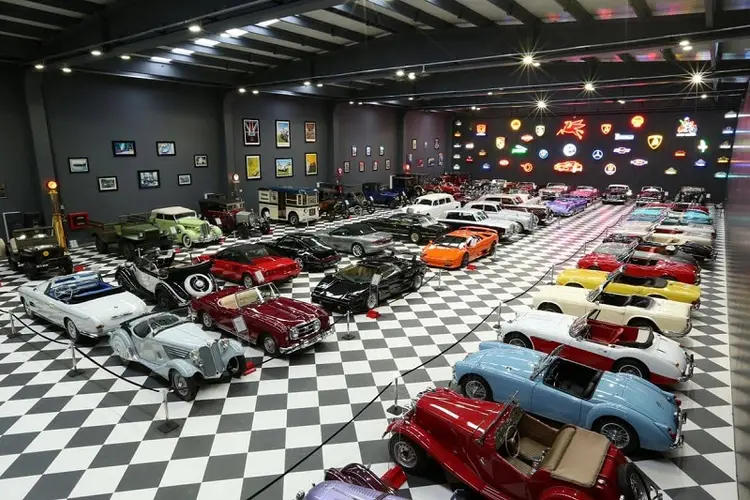
The Key Museum in the district of Torbalı opened on May 6, 2015, and displays dozens of cars and motorcycles from the late 1880s through 2011. It is billed as Türkiye’s most comprehensive car museum.
Car enthusiasts get a good stop out of it, and it is a short drive from the Izmir city center.
14. Ephesus
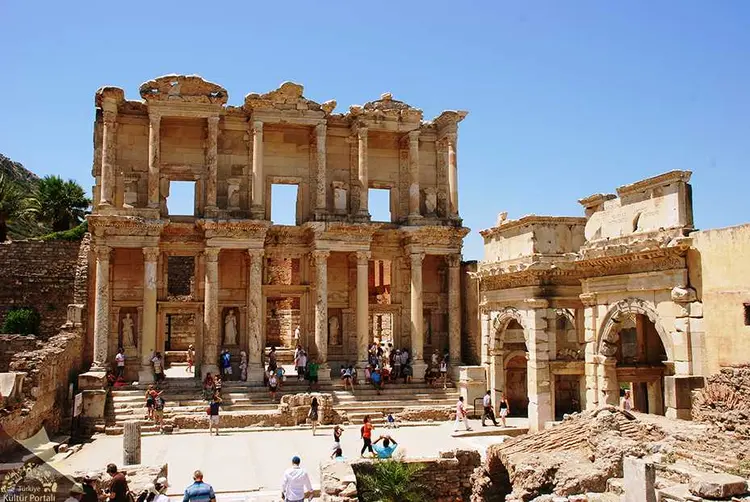
Contrary to what many itineraries suggest, Ephesus is not in Izmir itself: it lies near Selçuk, about an hour’s drive south, and it is one of the best-preserved ancient cities of the Mediterranean and a UNESCO World Heritage Site. Its highlights include the Library of Celsus and a large theater. The Temple of Artemis, one of the Seven Wonders of the Ancient World, stood nearby. Today a single reconstructed column marks the spot, among fallen stones in a marsh.
15. Radio and Democracy Museum
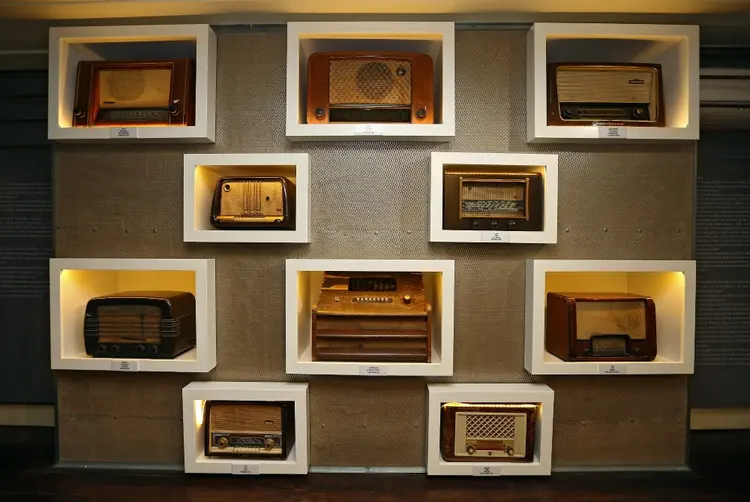
After about two years of work, the Izmir Radio and Democracy Museum opened on December 5, 2013, with radios, record players and other objects spanning the 1920s to the 2000s. Former radio broadcasters have been invited for talks. It is small. For visitors who grew up with analog sound, it is quite nostalgic.
16. The Agora
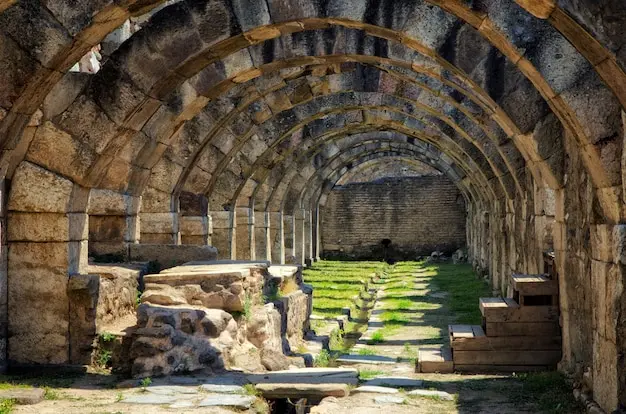
The Agora of Smyrna was a Greek marketplace from the 4th century BC.
After an earthquake in AD 178 destroyed it, the emperor Marcus Aurelius ordered it rebuilt, and today its Corinthian colonnade and arches stand in the Konak district amid modern city blocks. The word “agora” means gathering place in Greek, and it is nicely peaceful at sunset.
17. Kadifekale
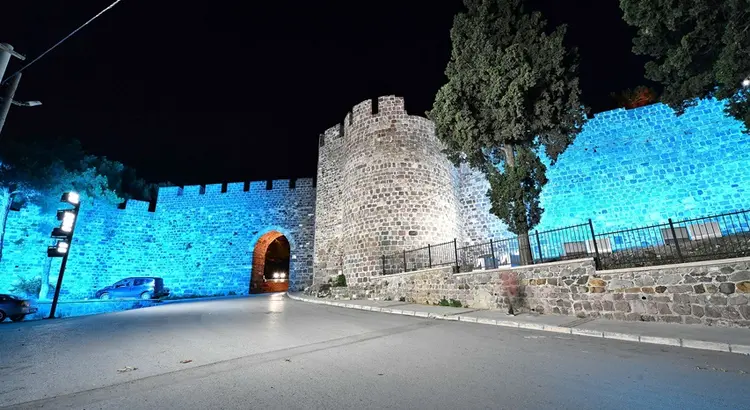
Kadifekale, also known as the Velvet Castle, crowns Mount Pagos, about 186 meters above Izmir Bay. The first recorded walls on the hill were built by Lysimachos, one of Alexander the Great’s successors, in the 3rd century BC, though the present walls are mostly medieval. Cisterns next to the castle once supplied the city’s drinking water. The hilltop gives some of the best views of the bay.
18. St. Polycarp Church
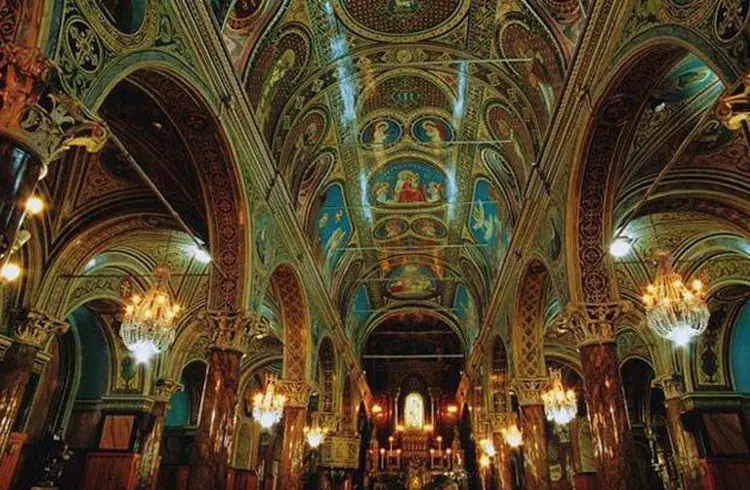
St. Polycarp Church is a 17th-century Catholic church in central Izmir, named for Polycarp, a bishop of ancient Smyrna martyred in the 2nd century. It is often cited as a symbol of the city’s long tradition of religious coexistence.
Visiting hours are limited, so it is worth checking ahead.
19. Archaeology and Ethnography Museums
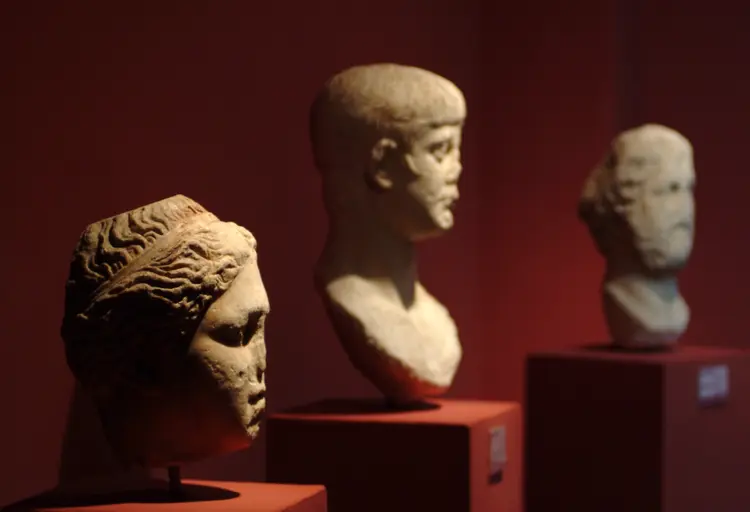
Not one museum but two, and they sit close together near Konak. The Archaeology Museum, in Bahribaba Park, holds finds from the city and its surroundings. Across from it, the Ethnography Museum occupies a former hospital building dating to 1831 that was restored in the 1980s.
20. Church of Saint Vukolos
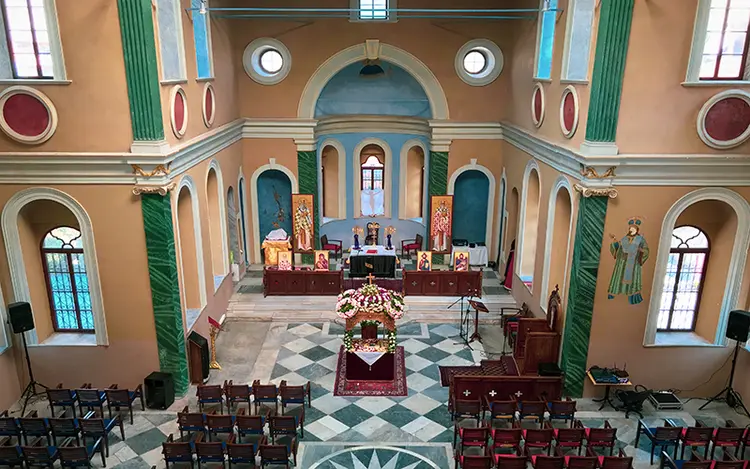
The Church of Saint Vukolos is a Greek Orthodox church that served the city’s Greek community until the early 1920s. It is named after an early bishop of Smyrna who preceded Polycarp, and it is still visited as one of the city’s historic religious buildings.
Set it beside St. Polycarp and the comparison says a lot about the city: one Catholic, one Greek Orthodox, both quiet counterpoints to the noise of the bazaar.
21. Aşıklar Waterfall
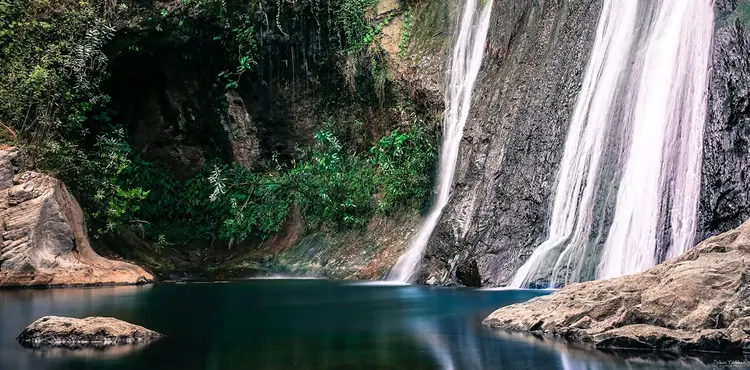
Aşıklar Waterfall, “the Lovers’ Waterfall,” is in the village of Nebiler in the Dikili district, north of Izmir. A local legend says that the fairy sultan’s daughter Sümeyra and her beloved Ali prayed to stay together forever and were turned into the waterfall. Legend aside, the shade is very real, and it makes a pleasant place to cool off.
22. House of the Virgin Mary
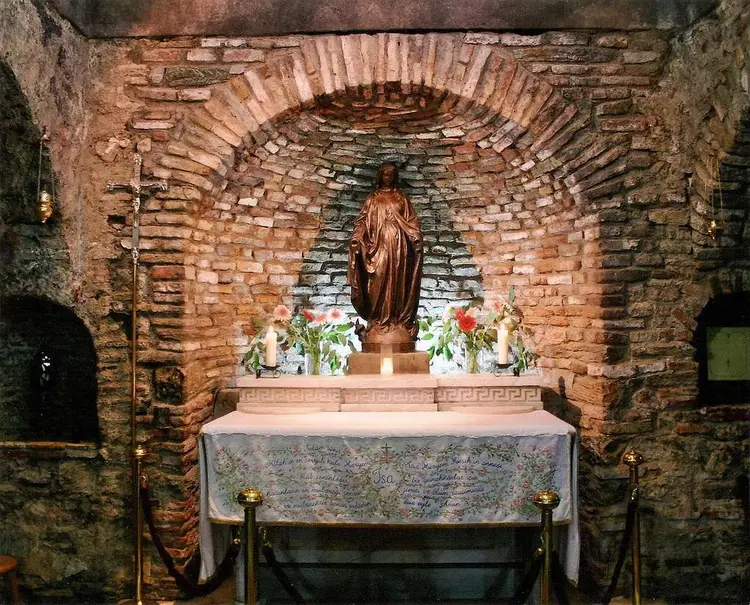
The House of the Virgin Mary stands on Bülbül Hill, about 7 km from Selçuk, and, much like the Cave of the Seven Sleepers, is visited by both Christians and Muslims. Tradition holds that Mary spent her last years there with the apostle John, and the house was identified in the 19th century. The Catholic Church has never ruled on its authenticity but allows pilgrimage, and several popes have visited, most recently Benedict XVI in 2006. Pilgrims gather each August 15, the feast of the Assumption.
Sources: Clock Tower (İzmir Provincial Directorate of Culture and Tourism), Kadifekale (Wikipedia), Şirince (Wikipedia)


Bir yanıt yazın