
Things to Do in Çanakkale: Troy, Gallipoli and Islands


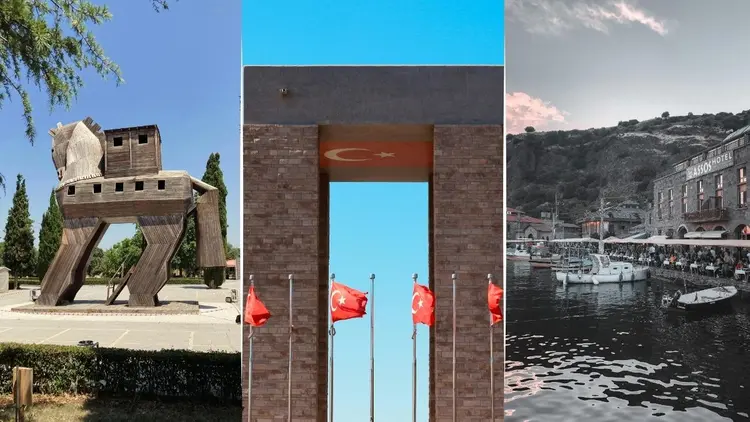
Çanakkale sits where the Dardanelles squeeze to barely a kilometer wide. For three thousand years the Aegean coast around it has been a stage for epic stories, and the list of things to do in Çanakkale shows it: Bronze Age ruins, 1915 battlefields, two island getaways and a hilltop temple above the sea.
1. Troy: Where the Horse Legend Began
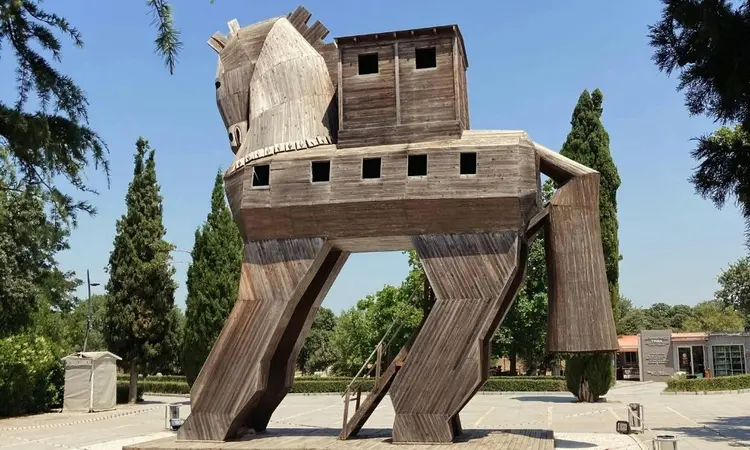
Troy is the site that turned Homer’s Trojan War into a place you can actually walk around. UNESCO lists it as a World Heritage Site. Forget the idea of a single lost city, though: Troy is many cities stacked on top of each other. Layer upon layer, the excavated walls, gates and house foundations show how the city was rebuilt again and again over thousands of years, and a wooden horse replica on the grounds supplies the obligatory photo. Ruins rarely explain themselves. The Troy Museum, a short walk from the excavations, does that job and deserves a slot in the day; Hürriyet Daily News reported that it won a special award from the European Museum Forum in 2020. Its finds put flesh on the stones: pottery, jewelry and everyday objects from the city’s long life.
2. Çanakkale Martyrs’ Memorial: The Gallipoli Peninsula
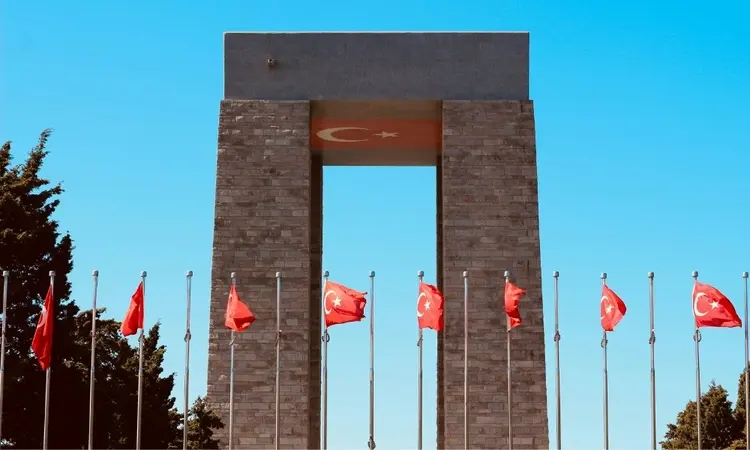
Across the strait lies the Gallipoli Peninsula, where the memorials and cemeteries of the 1915 campaign mark one of the defining events of modern Turkish history, a battle in which soldiers from the Ottoman Empire, Britain, France, Australia and New Zealand fought and died. The Çanakkale Martyrs’ Memorial, a tall stone monument near the southern tip, honors the Turkish soldiers who fell.
Frankly, a guided tour helps. The trenches, cemeteries and beaches are spread over a wide area, and without someone to connect them the landscape stays hard to read. The distances catch many first-timers out; an afternoon rarely covers it all. Visitors come here to remember. Quiet voices and modest clothing fit the mood.
3. Aynalı Çarşı: The Mirrored Bazaar
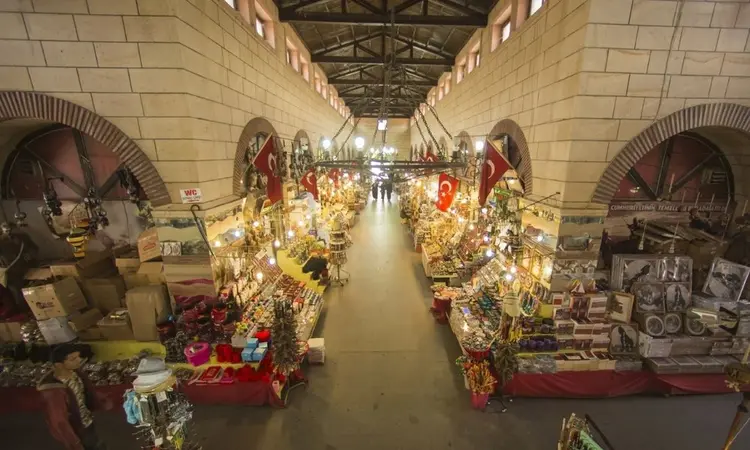
The Aynalı Çarşı, or Mirrored Bazaar, is the old covered market in the middle of town, and the Turkish Ministry of Culture and Tourism’s culture portal lists it among the city’s main sights. A well-known Turkish folk song even carries its name. On sale today: local crafts, souvenirs and regional foods.
Pottery is the local specialty. The city’s very name comes from “çanak,” meaning bowl, and a glazed bowl turns out to be a lighter souvenir than it sounds.
4. Gökçeada and Bozcaada: Two Islands, Two Moods
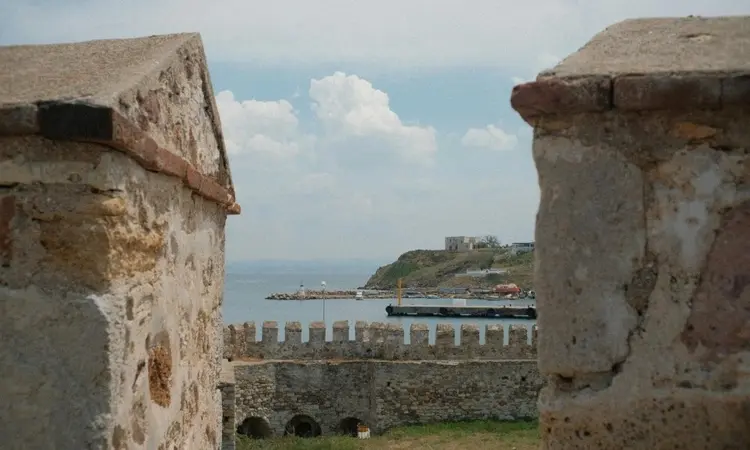
Both islands belong to Çanakkale Province and are reached by ferry: Gökçeada from the Gallipoli side (Kabatepe), Bozcaada from the mainland port of Geyikli. Gökçeada is the larger, wilder one. It belongs to the Cittaslow “slow city” network, a label for places that guard their pace and local food. Bozcaada is the compact one, with a stone fortress, cobbled lanes and vineyards that produce the island’s wine; both islands have swimming spots, and both reward a slow day over a rushed one. Which one is better? Hard to say; it comes down to taste. Check ferry schedules first. They shift with the season, which matters for any same-day trip.
5. Assos: A Temple Above the Aegean
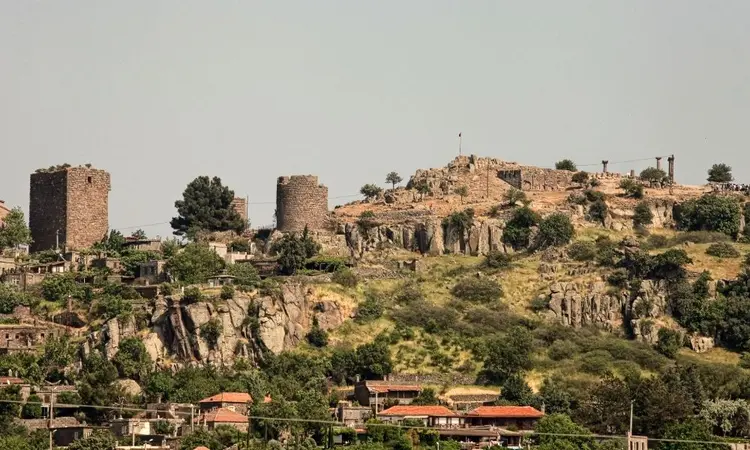
Up in the village of Behramkale, Assos is known for the Temple of Athena, a Doric temple of the sixth century BC that stands on a hilltop over the sea. Aristotle lived and taught here. He stayed a few years in the fourth century BC, a detail that explains the weight of the place. Troy asks for patience with its stacked layers; Assos makes its case in one view of temple, hill and sea.
Below the ruins, the small harbor and Kadırga Bay offer a swim to finish the visit.
The classic route? Temple first, water second, and that order is hard to beat.
6. Kaz Dağları: The Mountain From the Myths
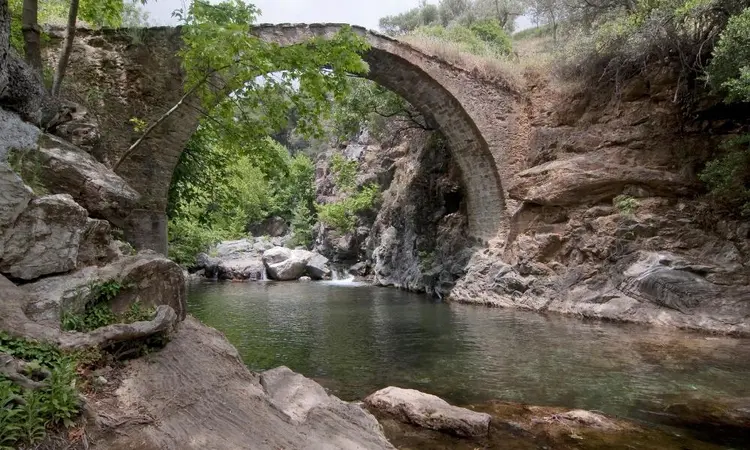
Known in antiquity as Mount Ida, the peak where the Iliad has the gods watch the war, Kaz Dağları (“Goose Mountains”) is today a pine-covered range that draws people for fresh air, forest walks and camping. Streams and waterfalls cut through the slopes. Some lodges offer bungalow-style stays. Anyone who wants a day of silence after the battlefield tours should head up here.
7. What to Eat in Çanakkale
Start with seafood. The Dardanelles supply fresh sardines and sea bream, and the waterfront restaurants know what to do with them.
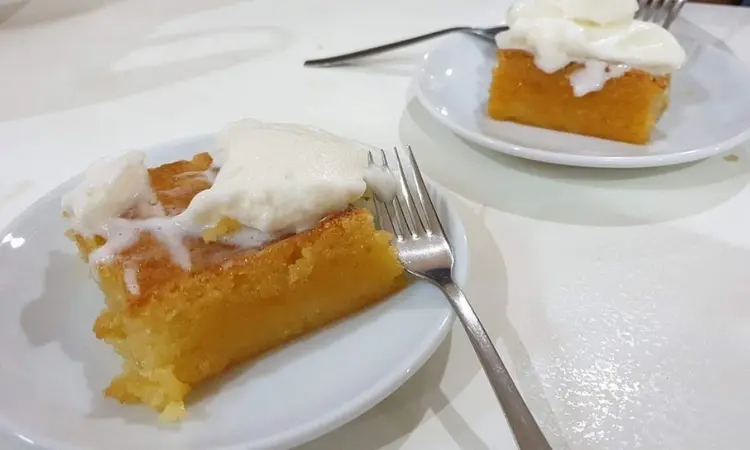
For dessert, order peynir helvası, cheese halva: a warm, soft sweet made from the region’s cheese, served in local restaurants.
Cheese in a dessert sounds odd. It isn’t. It works better than it sounds.
The third pillar is zeytinyağlılar, vegetables slow-cooked in olive oil and served cold; green beans, artichokes and barbunya (cranberry bean) pilaki are the usual suspects, and together they say a lot about Aegean home cooking.
8. Where to Stay in Çanakkale
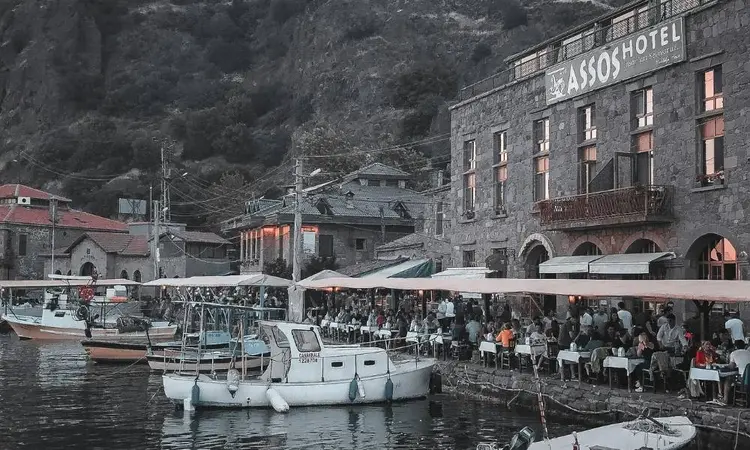
Base yourself in town, close to the ferries that keep coming up in any Çanakkale plan. Hotels and guesthouses cluster near the waterfront, within walking distance of Çimenlik Fortress and the docks where boats cross the strait to the Gallipoli side. Island stays work differently. Out on Bozcaada and Gökçeada, small boutique hotels and guesthouses make a better pick for beach time and quiet evenings, while the Kaz Dağları area suits nature lovers, with bungalow lodges among the pines.
9. Before You Go: Planning Things to Do in Çanakkale
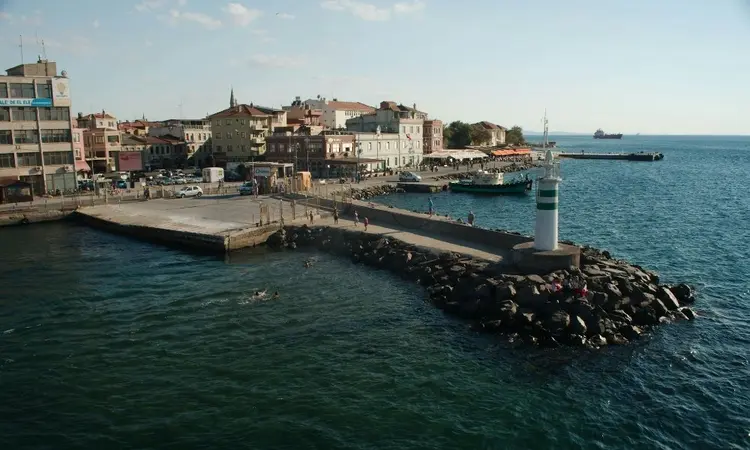
Busy seasons: spring and summer. Book hotels early, particularly if a Gallipoli day is on the agenda; last-minute searches in high season rarely end well.
Pack for walking. The ruins and the old town both call for comfortable shoes. Then there is the wind, a local constant (the Turkish culture portal counts roughly 260 windy days a year), and since the summer sun is strong too, a hat, sunscreen and water belong in the bag.
Sources: Türkiye Culture Portal, Çanakkale, Hürriyet Daily News on the Troy Museum, Cittaslow International: Gökçeada

Bir yanıt yazın