
13 Things to Do in Şanlıurfa: Göbekli Tepe to Harran


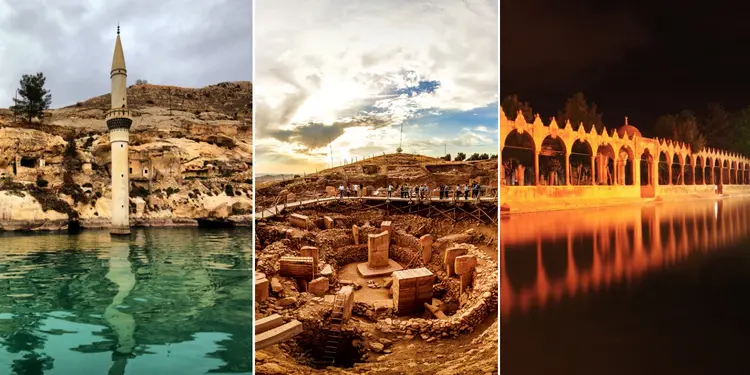
Şanlıurfa, known as Urfa and in antiquity as Edessa, lies in southeastern Türkiye near the Syrian border, and it is a city where a stone pillar can be twelve thousand years older than the fountain next to it. These 13 things to do in Şanlıurfa mix the world’s oldest known temple complex with a pool of sacred carp, a drowned village and a church that spent decades as a tobacco warehouse. Local tradition calls Urfa the “city of prophets,” and the city carries the title “Şanlı” (glorious) for its resistance to French occupation in 1920.
1. Balıklıgöl: The Pool of Sacred Fish
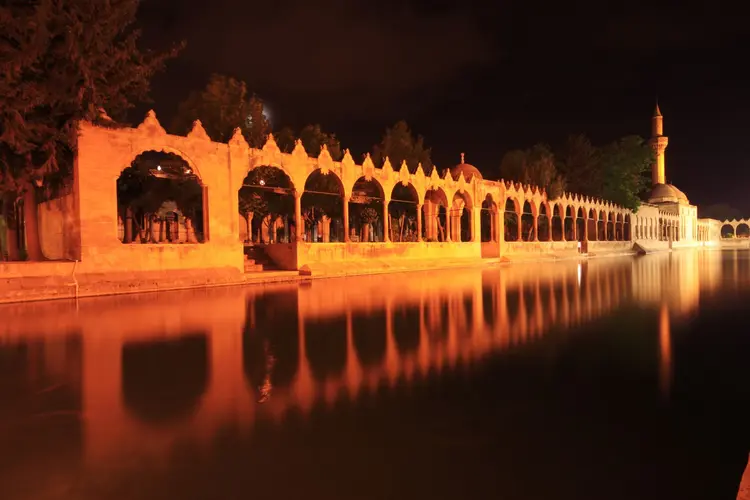
Balıklıgöl, “Lake of Fish,” is the emotional center of Urfa.
It is made up of two linked pools, Halil-ür Rahman and Aynzeliha, about 150 meters long and 30 meters wide, and local tradition says this is where King Nimrod had Abraham thrown into a fire that turned into water, its logs into carp. The fish are sacred. Feeding them is allowed; fishing is not. Worth knowing: the link to this exact spot is popular belief, not scripture. Pilgrims and families still come, particularly in the evening.
2. Urfa Castle: Views Over the Old City
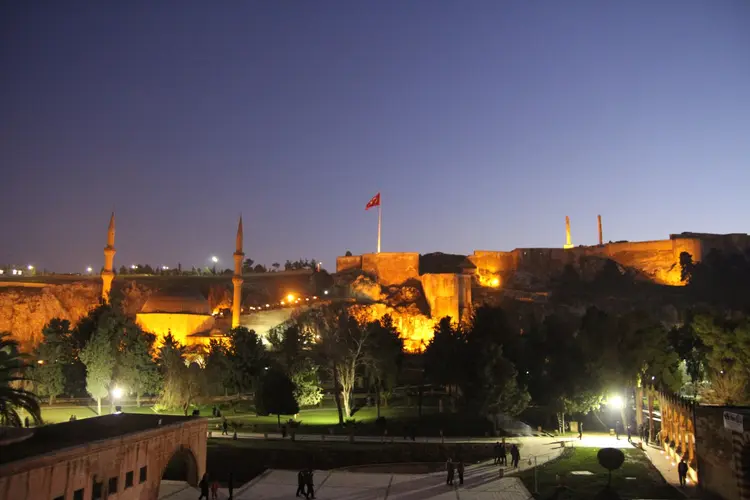
The castle crowns a rocky ridge above Balıklıgöl and is one of the two or three images that define the city. Tradition says Abraham was cast into the fire from here. Hence the fish pools below. Walls and ruins from several periods survive, and the climb rewards you with a bird’s-eye view of the old town, the mosques and the pools.
Come late in the afternoon. The light helps.
3. Rizvaniye Mosque: A Door Without Nails
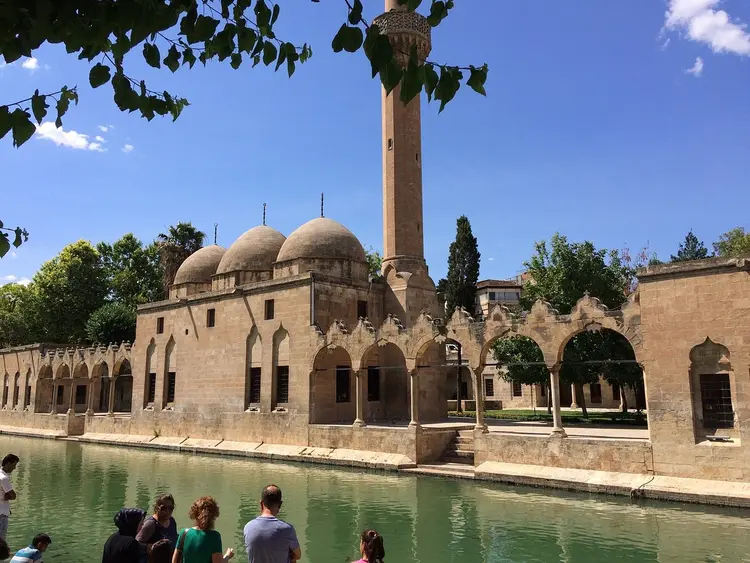
On the north side of the fish pools, the Rizvaniye Mosque was built in the early eighteenth century by the Ottoman governor Rıdvan Ahmed Pasha. According to the Turkish Ministry of Culture and Tourism, construction dates to 1716, and the complex also includes a madrasa, or school, on the courtyard’s north side. The real reason to look closely is the door. Wooden and carved with plant and geometric patterns, it is held together by interlocking and inlaid joints. No nails at all. Some sources refer to the complex as the Rıdvaniye Medresesi.
4. Göbekli Tepe: The Oldest Temple Complex
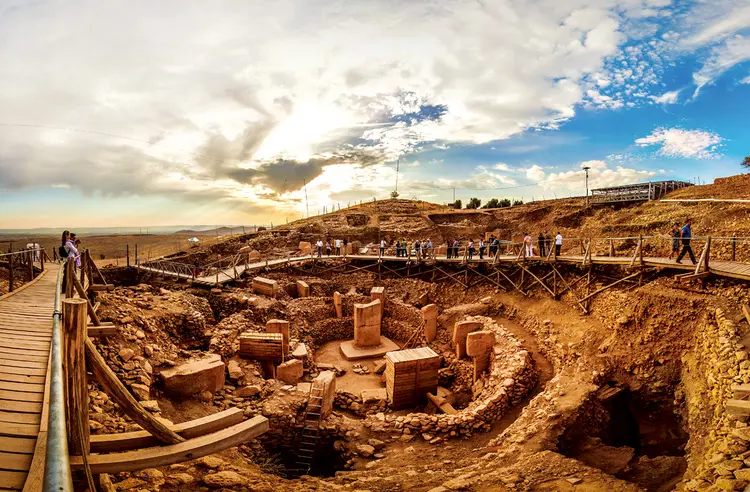
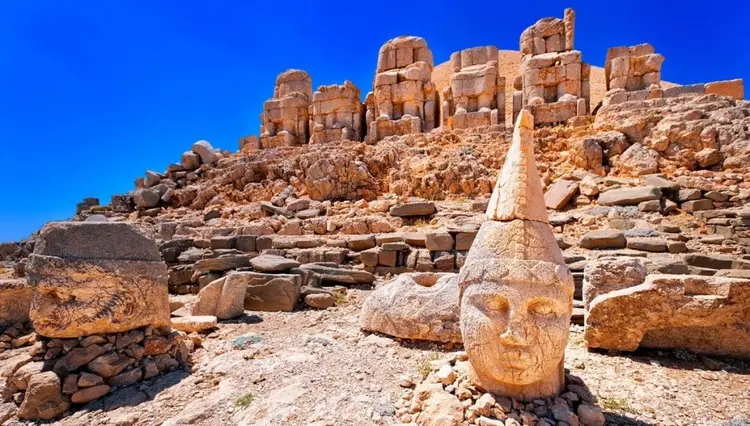
Göbekli Tepe dates to the Neolithic, roughly 11,500 to 12,000 years ago, older than Stonehenge and the pyramids by thousands of years. UNESCO inscribed it on the World Heritage List in 2018, and it is widely regarded as the world’s oldest known temple complex. About 18 kilometers from the city, it draws millions of visitors to see its T-shaped stone pillars, some three to six meters tall and weighing 40 to 60 tons, carved with foxes, snakes and wild boar. Exactly how hunter-gatherers moved and raised them is still unknown. So is why. Here is the surprising part: the discovery overturned the idea that organized religion followed farming. The site is still being excavated.
5. Halfeti: The Drowned Town and the Black Rose
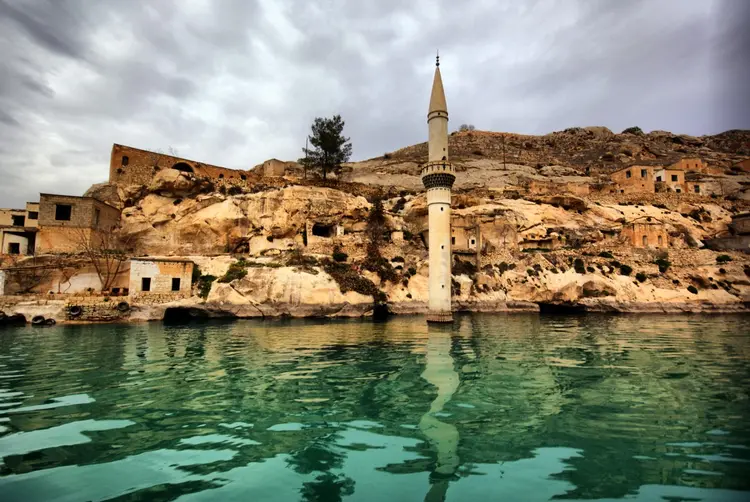
Halfeti sits on the Euphrates roughly 110 kilometers from Şanlıurfa, and part of the old town now lies under the reservoir of the Birecik Dam, so at Savaşan a mosque minaret still rises straight out of the water. It makes a haunting photograph, and most pictures of Halfeti end up being of that minaret.
Boat trips run along the river to Rumkale. The fortress holds an old church of Saint Nerses and a monastery named Barsavma.
Then there is the rose. Deep crimson, almost black, it is the town’s emblem, and Halfeti also belongs to Cittaslow, the slow-city network.
6. Aynzeliha Lake: A Second Legend
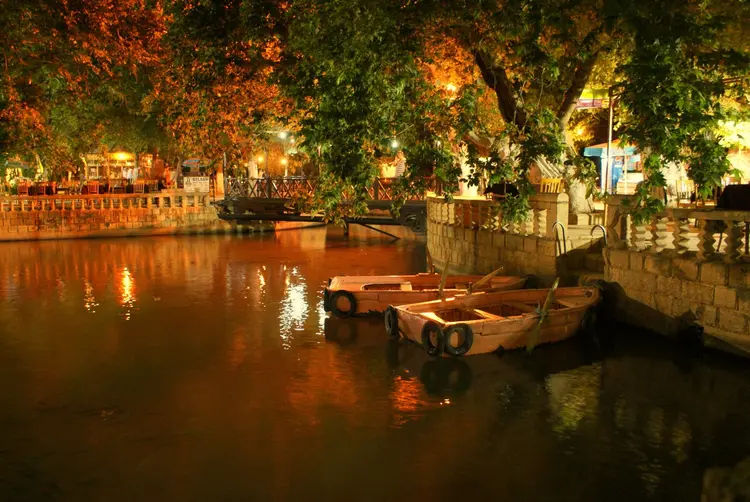
The smaller of the two Balıklıgöl pools, Aynzeliha, sits in front of the castle. In one story, Zeliha, the daughter of Nimrod, declared her belief in Abraham’s faith and was thrown into the fire by her father, and the lake formed where she died. In another, the lake is her tears: “Ayn” means “eye” in Arabic.
The fish here are sacred too. Touching them, local belief holds, brings bad luck. The lake is busiest in spring.
7. Şanlıurfa Archaeology Museum
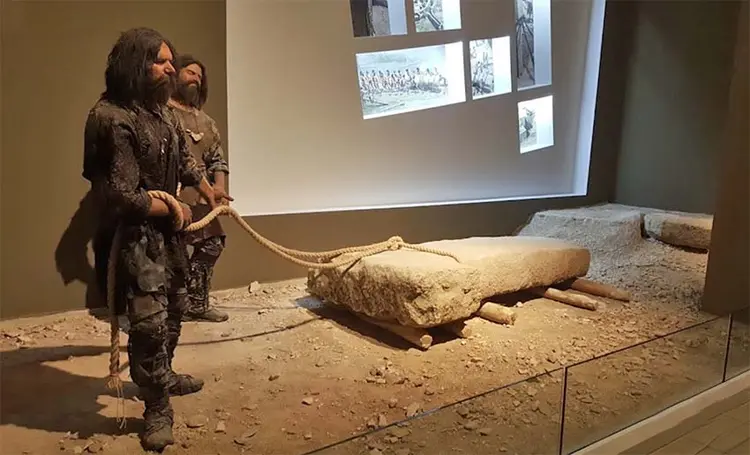
The museum is the best way to put Göbekli Tepe into context. The site shows the pillars where they stand; the museum shows what was dug up around them. It displays finds from the site and from Nevalı Çori, another Neolithic site in the region, along with Chalcolithic, Hellenistic, Roman, Byzantine and Islamic objects. Its star piece is the life-size Neolithic human statue often called the “Balıklıgöl Man” or “Urfa Man,” described as one of the oldest known statues of its kind. Already seen Göbekli Tepe? Come here next.
8. Şanlıurfa Kitchen Museum
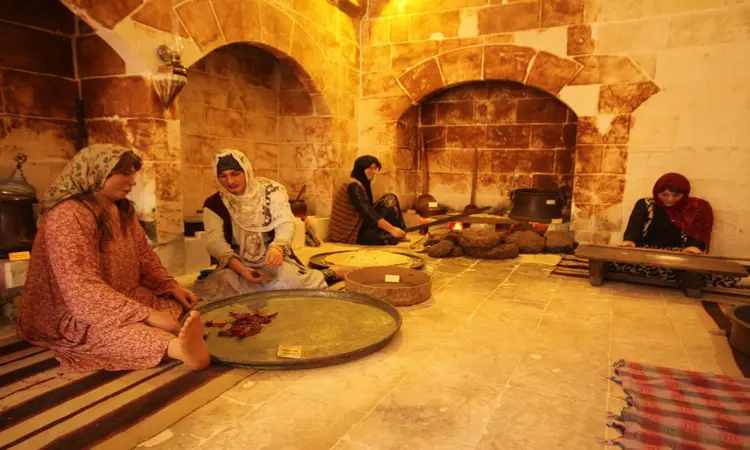
In 2011 the municipality bought the Hacıbanlar House, a near-ruined historic house with five rooms, two wells and a big courtyard, restored it and turned it into the Traditional Cuisine Museum. Old kitchen tools show how Urfa cooked, with mannequins in period dress placed among them.
Local women teach classes in regional dishes at the museum, according to the municipality. The honest advice: check before going. It has sometimes been reported closed.
9. Harran: The Crossroads Town
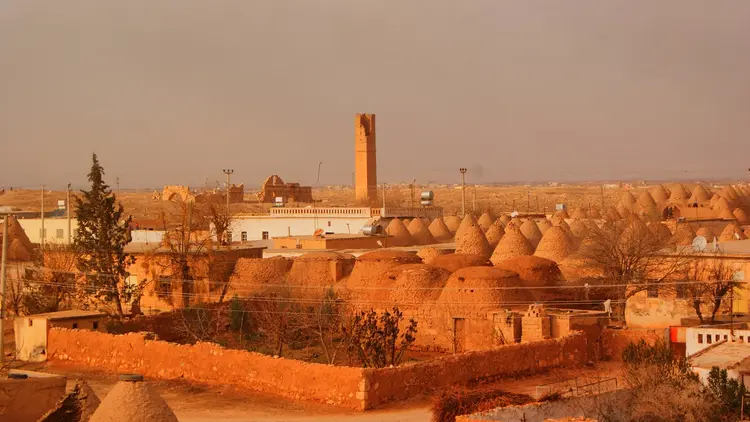
Harran lies roughly 45 kilometers southeast of Urfa, and its name is traced to an Akkadian word meaning “road” or “caravan,” a reminder that the town sat on trade routes for thousands of years. Assyrian merchants traded here, and the Ulu Mosque, built around 744 to 750 under the Umayyad ruler Marwan II, is among the oldest in the region. Harran is often credited with one of the world’s earliest universities. Historians treat the claim with caution, and fairly so.
Outside the town walls is a well, known as Jacob’s Well (Bir-i Yakup).
10. Germuş Church
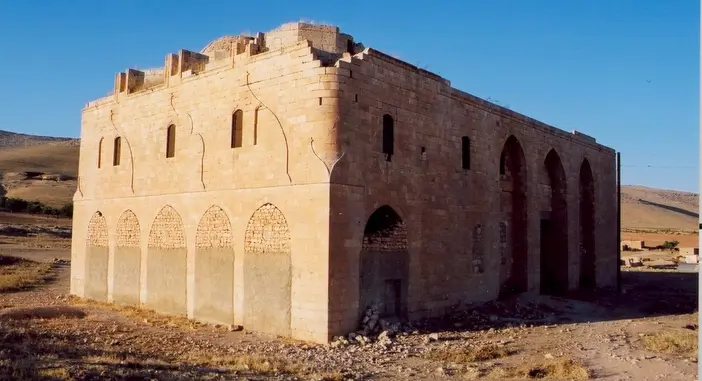
About 10 kilometers northeast of the city center, at the foot of the Germuş mountains, stands a two-story stone church. The village is now called Dağeteği. The church is believed to date from the nineteenth century, and its setting includes a stream and a small meeting square.
Few itineraries include it. That keeps it quiet.
11. Deyr Yakup Monastery
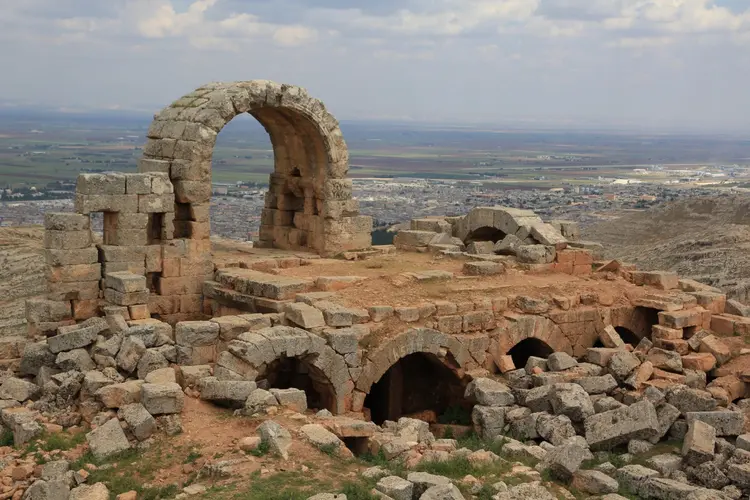
Deyr Yakup is a ruined monastery on the mountains south of the city, about 10 kilometers from the center. Locals know it as “Nemrut’s Throne” (Nemrut is the Turkish form of Nimrod, the same king as in the Balıklıgöl legend) and “Cin Değirmeni” (the genies’ mill), which is quite a lot of folklore for one ruin. A monumental tomb stands northwest of the monastery, and an inscription beneath its east-facing window is written in two lines, one in Greek and one in a Syriac script.
Getting there generally takes a private vehicle, and little stands around it. So bring water.
12. Reji Church: From Church to Tobacco Factory
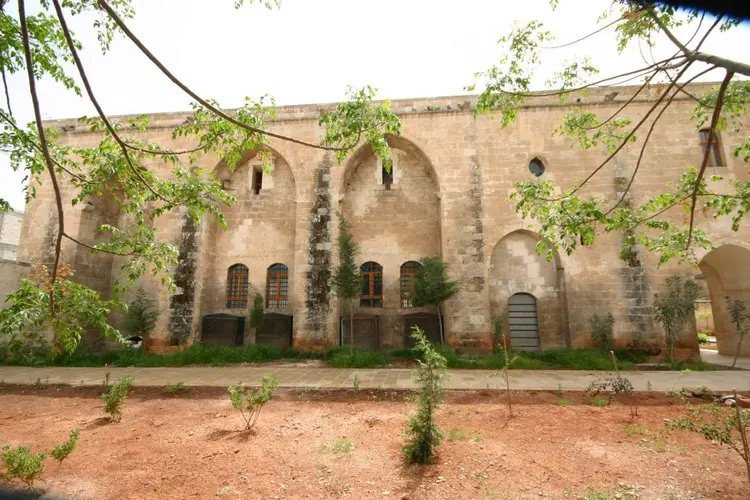
The Church of Saints Peter and Paul stands near Ellisekiz Meydanı. According to the Şanlıurfa municipality, it was built in 1861 on the ruins of a sixth-century church and used for worship until 1924. Then came tobacco. The state tobacco monopoly, whose French-derived name “Régie” gave the building its nickname, used it as a tobacco factory and later a grape warehouse. Restoration came in 1998. The governor’s office carried it out, and in 2002 the building reopened as a cultural center.
13. Bazda Caves
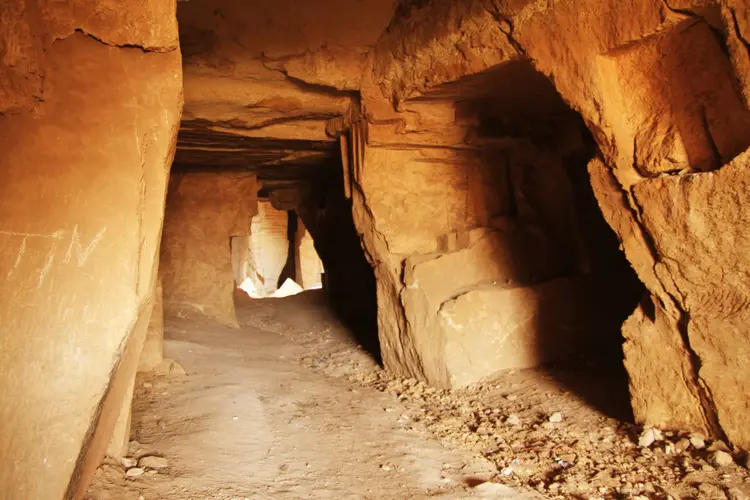
Despite the name, the Bazda Caves are not natural. They are ancient quarries beside the road between Harran and Han el-Ba’rur, where stone was cut for centuries for Harran, Şuayb and other nearby buildings, leaving large chambers, tunnels and galleries. The biggest cavity: about 15 meters high. The area was registered as a first-degree archaeological site in 2010. It is the kind of place that makes more sense with a guide or a driver who knows the road.
Sources: Daily Sabah on Göbekli Tepe, Şanlıurfa Municipality, Reji Church, Turkish Ministry of Culture and Tourism, Şanlıurfa

Bir yanıt yazın