
Cappadocia Valleys: Which Ones to Visit and Hike


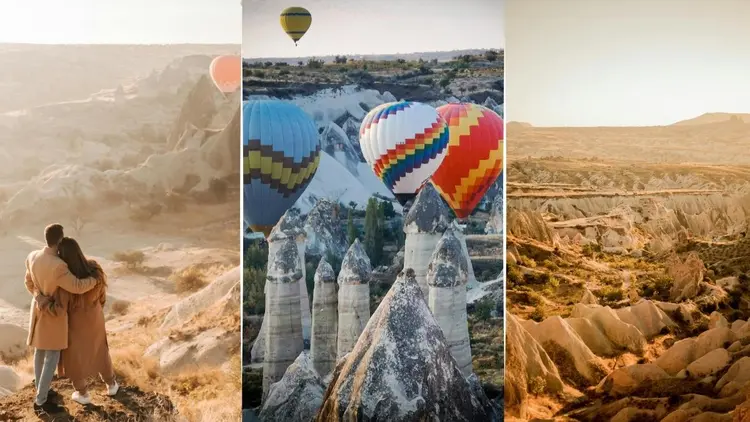
The Cappadocia valleys are the heart of the region: soft volcanic rock carved by water and wind into cones, cliffs and canyons, then hollowed out by people for homes, churches and pigeon houses. Some are best for photos, some for long hikes, and one even runs along a river. Knowing which is which, and how to walk them, turns a scenic drive into a far better day.
Which Cappadocia valleys are worth seeing?
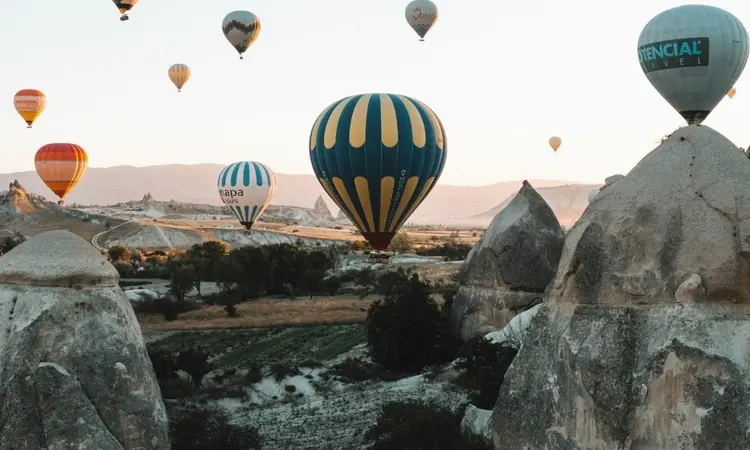
The landscape began millions of years ago, when eruptions from nearby volcanoes blanketed the plateau in ash that hardened into soft tuff. Contrary to a popular picture, no eruption blasted the valleys open. The volcanoes only supplied the raw material; streams and wind did the carving. Today the area is part of the UNESCO-listed Göreme National Park and the Rock Sites of Cappadocia, and because people have lived in these valleys for centuries, many of them hold cave houses, rock-cut churches and painted frescoes (wall paintings).
Paşabağ (Monks Valley), near Avanos
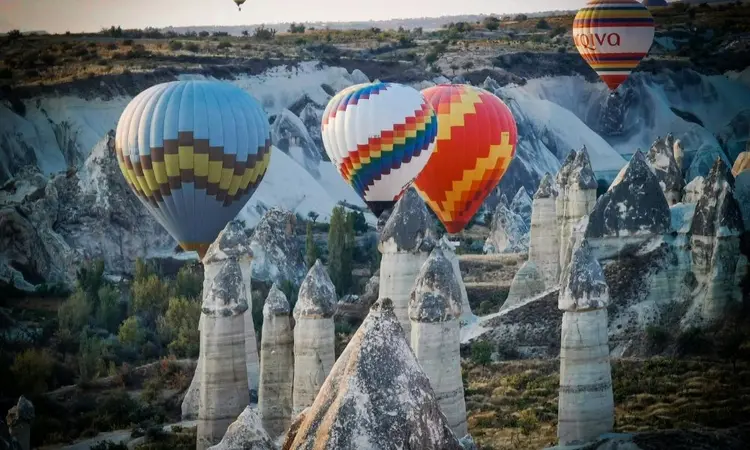
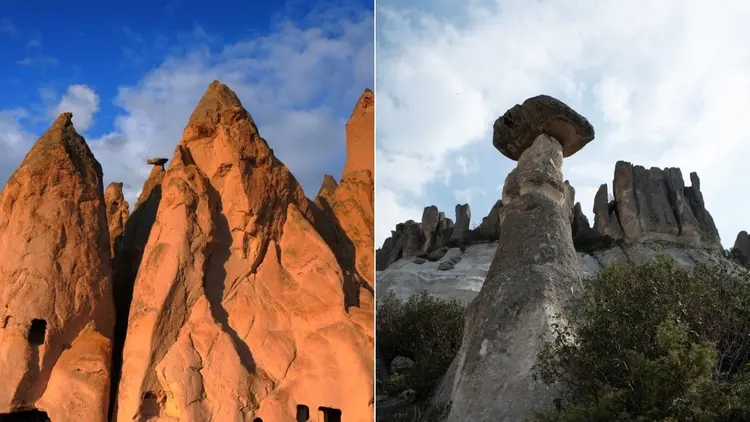
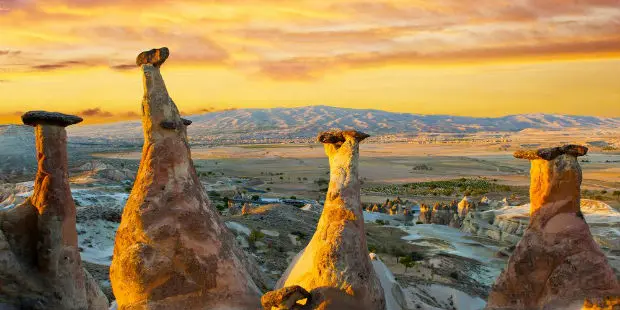
Paşabağ, also called Monks Valley, is one of Cappadocia’s most photographed places. The reason: a dense cluster of tall, mushroom-capped fairy chimneys. Hermits and monks once used the caves in the rock as retreats, which gives the valley a historic pull to match the scenery.
Zelve Valley and Open-Air Museum, near Avanos
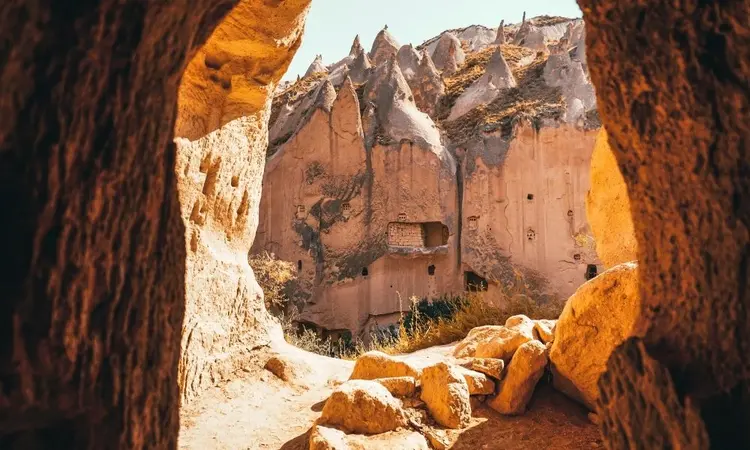
For history, Zelve is the clear pick. The valley is run as an open-air museum and holds former village houses carved into the rock, along with churches that still carry traces of frescoes. Paşabağ is close by, so the two pair well.
Devrent (Imagination) Valley, near Avanos
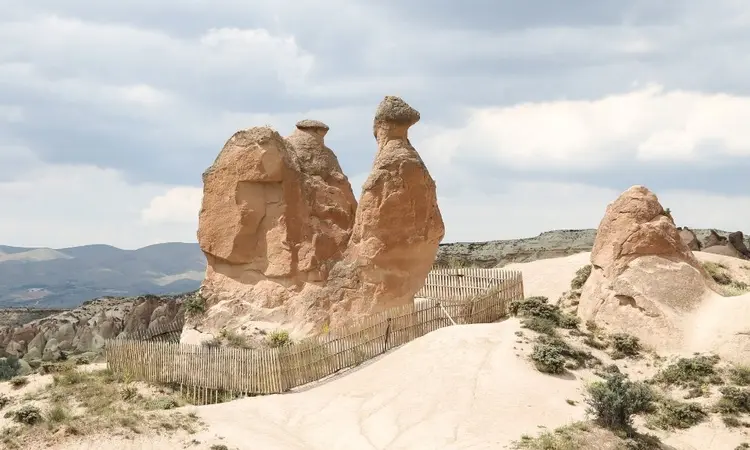
Devrent Valley, also called Imagination Valley, is known for rocks that look like animals. The star is a camel. That formation has become the valley’s symbol, and kids and photographers tend to like the place, which also has several camping areas nearby for anyone staying over.
Pigeon Valley (Güvercinlik), near Göreme
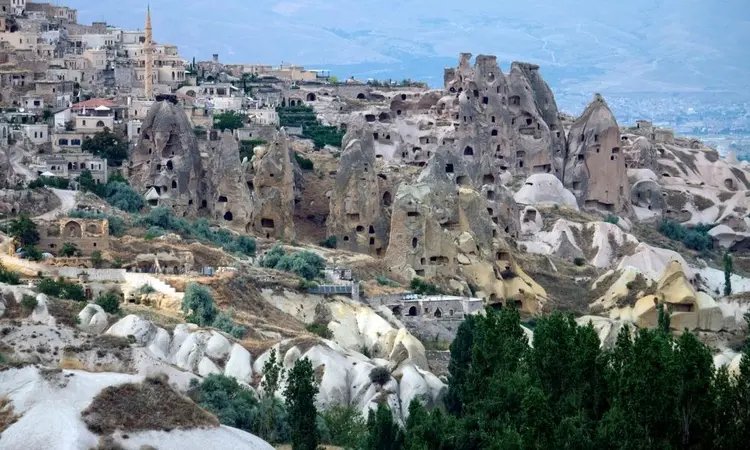
Pigeon Valley takes its name from the hundreds of dovecotes cut into its cliffs, once used to collect droppings for fertilizer. Useful, if unglamorous. Its wide views make it a favorite for walkers and photographers, and it is the standard route between Göreme and Uçhisar.
Love Valley (Aşk Vadisi), near Göreme
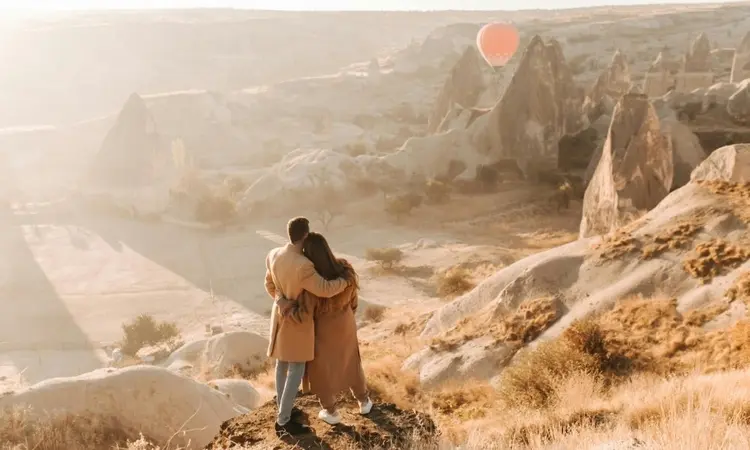
Height is the draw in Love Valley, home to some of the tallest and most unusually shaped fairy chimneys in Cappadocia. Go at sunset. Walking trails and camping areas lead through it, while rock-cut churches and old monastery rooms lie nearby.
Red Valley (Kızılçukur), near Ürgüp
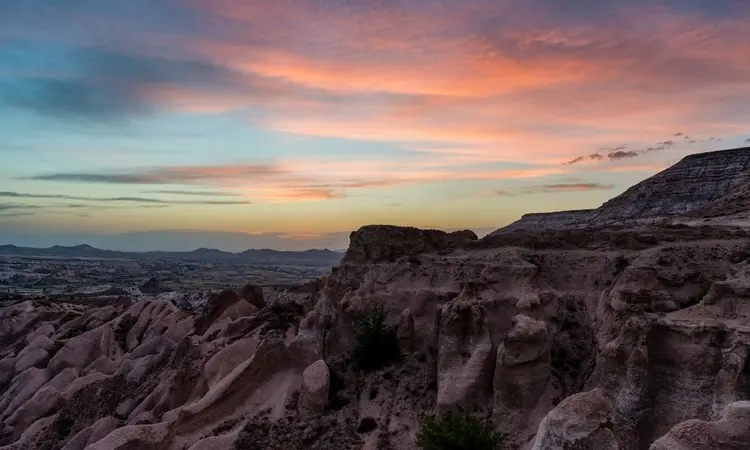
Red Valley turns a deep rust color in the evening light, which makes it a top choice for a sunset hike. Love Valley is the other sunset favorite, but there the draw is the shape of the chimneys; here it is the color of the rock.
Walkers come for the trails. Some come simply for the quiet.
Güllüdere (Rose) Valley, near Göreme
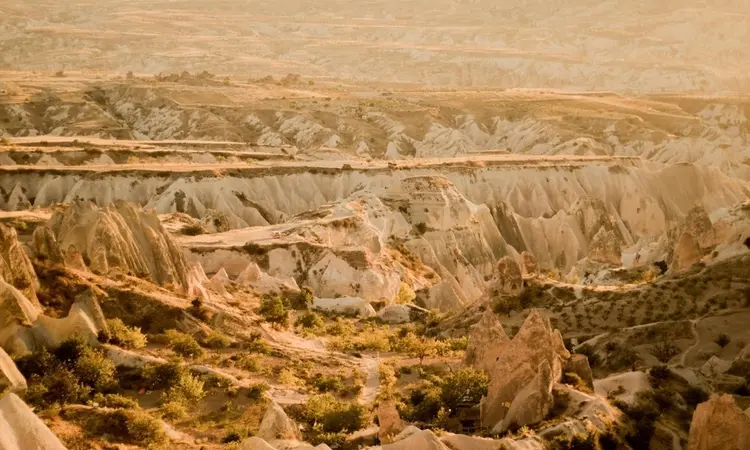
Güllüdere is known for its pink-toned rock and its rock-cut churches, and it is one of the first valleys many people think of for an easy, peaceful walk. Several churches hide along the path. Plan a little extra time for detours. Short strolls here have a way of turning into long ones.
Which Cappadocia valleys are best for hiking?
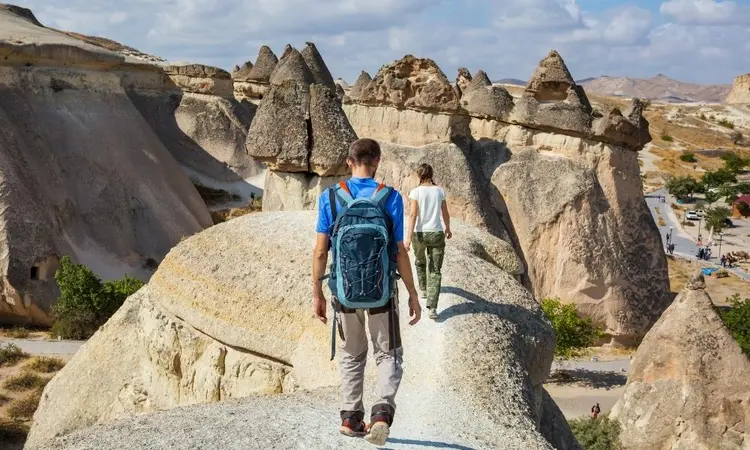
Several valleys have well-worn trails. The trekking route suggested by GoTürkiye, Türkiye’s official tourism portal, strings together Güllüdere, Kızılçukur and Bağlıdere (the local name for Love Valley), among others.
Ihlara Valley is a green gorge, roughly 14 km long and over 100 m deep in places, which follows the Melendiz River. There are shaded rest spots along the water and rock-cut churches in the walls. Exact figures vary a little by source, but the scale is obvious once you are down there. It lies in Aksaray province, about an hour or more from Göreme. Most visitors join a day tour or drive.
Pigeon Valley is among the most popular trails in the region, with churches and living spaces cut into the rock and, of course, its dovecotes. Red Valley shows off its rust-colored cliffs, with the best light at sunset, while Paşabağ offers fairy chimneys of many shapes and some photogenic corners. Zemi Valley is a calmer choice. It gets fewer visitors than the big names and suits anyone who wants the region’s quiet.
Truth is, whichever one you pick, the walking is where Cappadocia’s atmosphere comes through most strongly.
Which valley has the fairy chimneys?
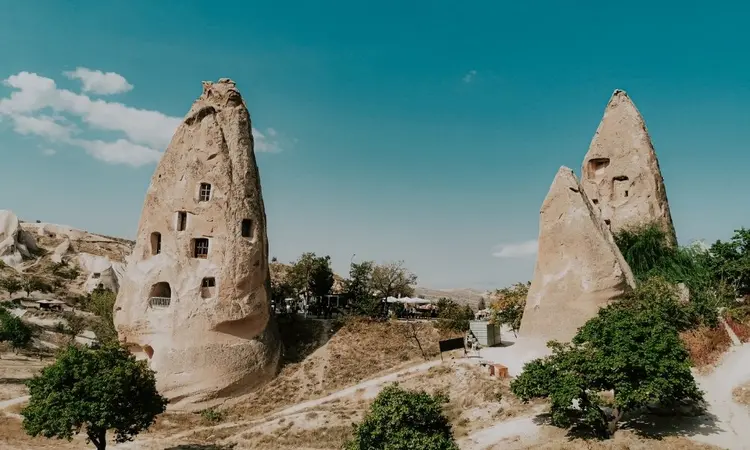
Fairy chimneys (peribacası in Turkish) are the signature shape of Cappadocia. They form when a hard cap of rock shields a column of softer tuff from erosion, leaving a cone with a “hat.” Three valleys are especially known for them. Paşabağ (Monks Valley) has some of the densest and most impressive collections. Devrent (Imagination) Valley has rocks that resemble animals, which can look like mythical creatures in low light. And Love Valley has chimneys of many sizes and shapes—its romantic name suits the sunsets.
Tips for visiting Cappadocia valleys
A few habits will make your time in the valleys easier.
- Route and shoes: pick your route before you set off and wear comfortable clothing. Shoes with good grip matter, since the tuff and dust can be slippery. Smooth-soled sneakers are a bad idea here.
- Water, a snack and sunscreen for longer walks.
- A camera, for the fairy chimneys, frescoes and dovecotes.
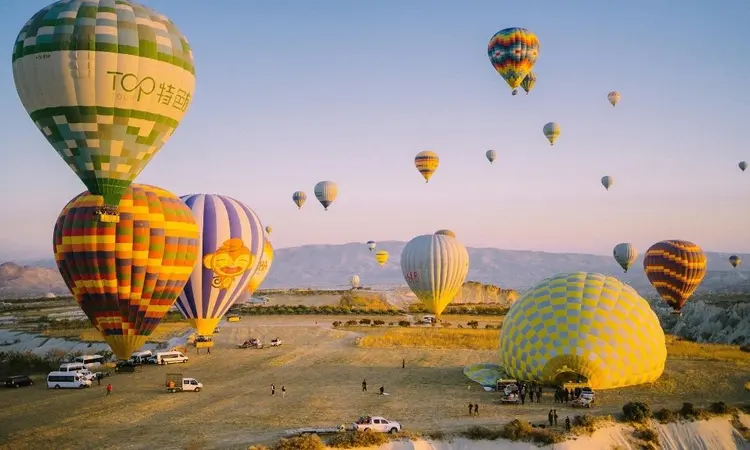
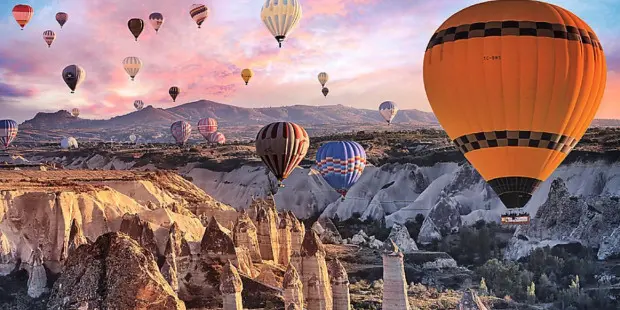
- Balloon flights: seeing the valleys from a hot air balloon is a popular way to take them in. Flights go up at sunrise and depend on the weather. No wind clearance, no flight, so build in a spare day.
- Dress for the season: hats and sunglasses in summer, warm layers and gloves in winter.
- Distances between valleys can be hard to cover on foot, so for several in one day a rental car or a hired driver saves a lot of time.
- Early mornings, when the light is soft and the trails are quiet.
Sources: Wikipedia on Göreme Historical National Park; Wikipedia on Ihlara Valley; GoTürkiye: Cappadocia routes.







Bir yanıt yazın