
How Fairy Chimneys Formed: 10 Facts About Cappadocia


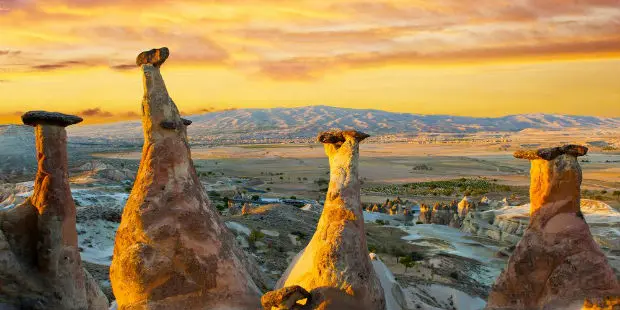
The fairy chimneys in Cappadocia look like a stage set, but no set designer was involved. The real story is ordinary geology working very slowly: volcanoes such as Erciyes, Hasan and Güllüdağ buried the region in ash and lava, and water and wind have been carving that deposit ever since, a job that has never stopped. Here are ten facts about how the chimneys formed and how people made them home.
1. A volcanic layer cake
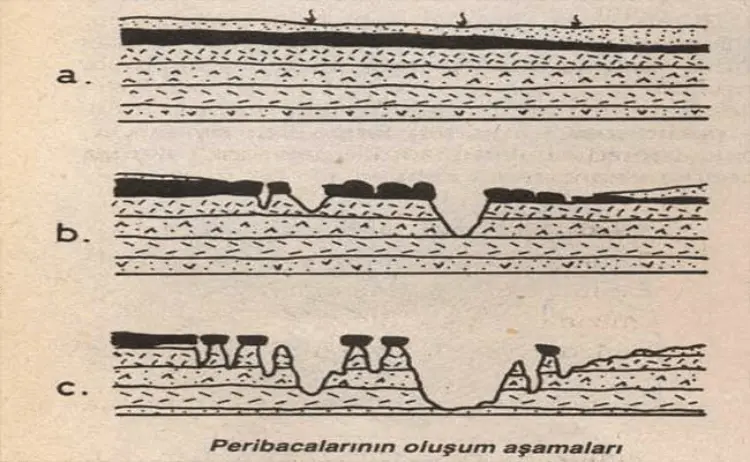
Eruptions spread ash and lava across the plateau, and each layer hardened before the next arrived. The result: soft rock below, harder rock above. Then the eruptions faded. Streams began cutting deep valleys through the layers, and strong winds shaped the walls into rolling, sloped forms.
2. Time does the sculpting
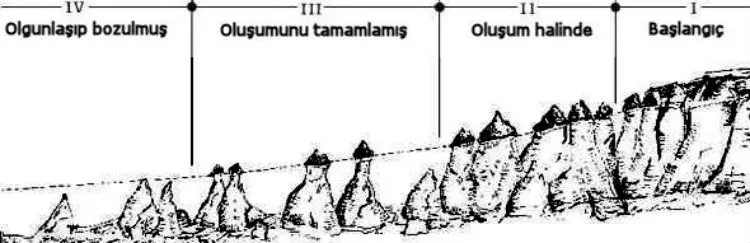
Over thousands of years, wind and water pulled the softer rock away piece by piece—except where a cap of harder stone sat on top, because there the rock beneath it was shielded and lasted longer.
Everything around the cap wore away. A column remained. No chisel, no plan, just patience.
3. People hollowed them out
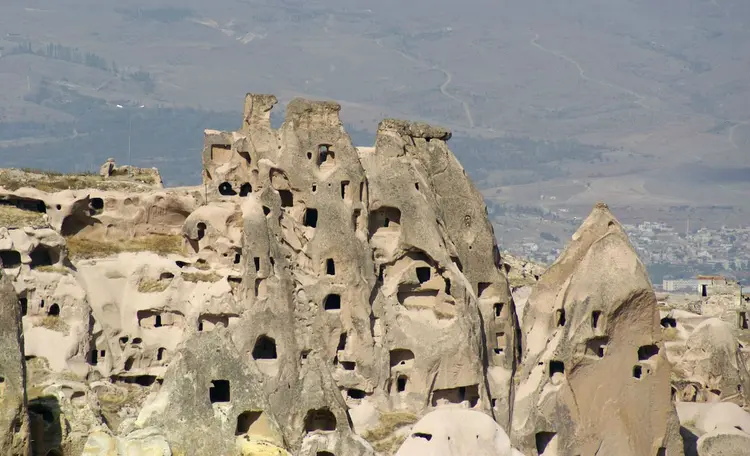
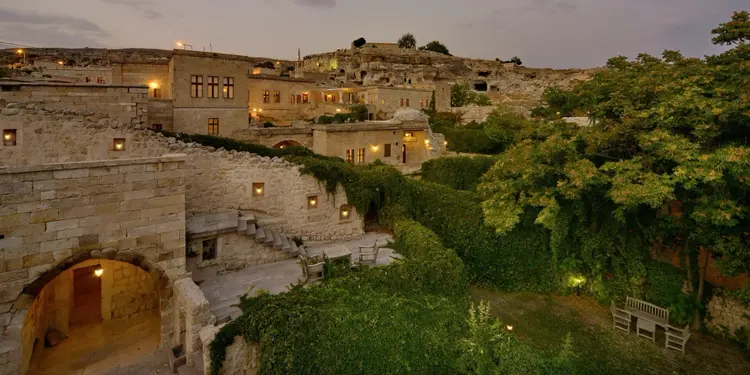
The chimneys were not just scenery. From at least the 4th century, hermits and monks cut cells into the rock, and later communities linked those cells together, room by room, into dwellings, chapels and underground refuges. Many rooms did triple duty: home, shelter and place of worship at once.
4. Soft tuff is easy to carve
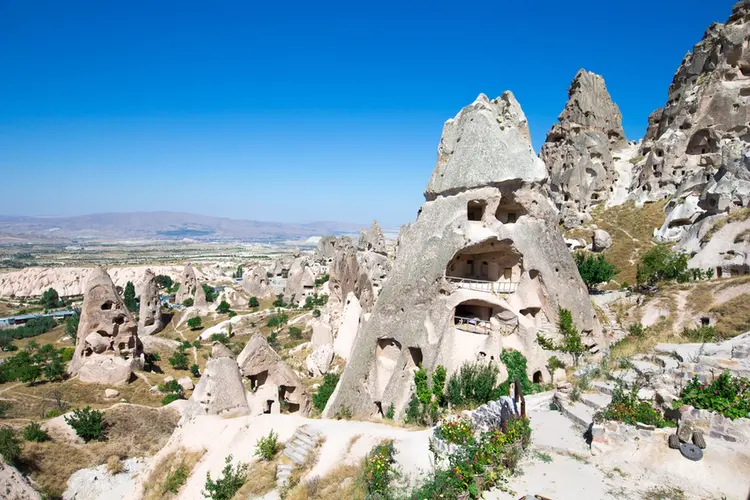
What is a chimney’s body made of? Tuff: compacted volcanic ash, soft enough to cut with simple tools. That made it easy to expand a room, add another one or carve a stairway up to the next floor—home improvement, Cappadocia style. Some chimneys hold several levels as a result.
5. Churches with painted walls
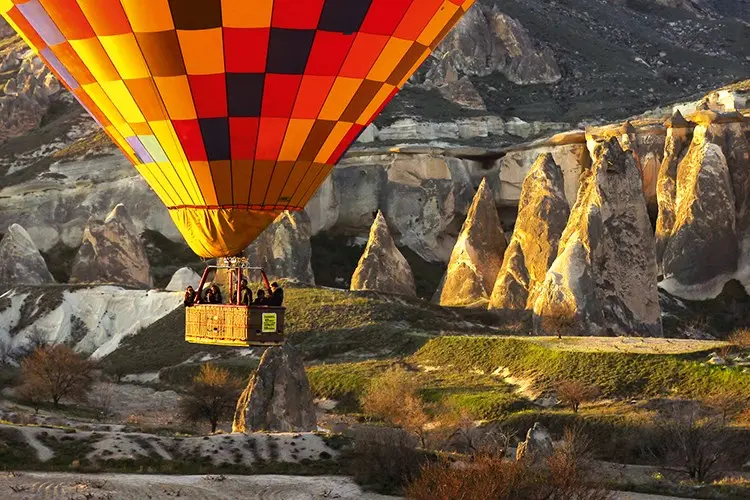
Christian communities that worshipped inside the rock painted its walls with frescoes (wall paintings) of religious scenes. Pinning down exact dates is tricky, but by the 9th century many Cappadocian churches were richly decorated. Göreme has the best-known examples.
6. The cap is what saves the chimney

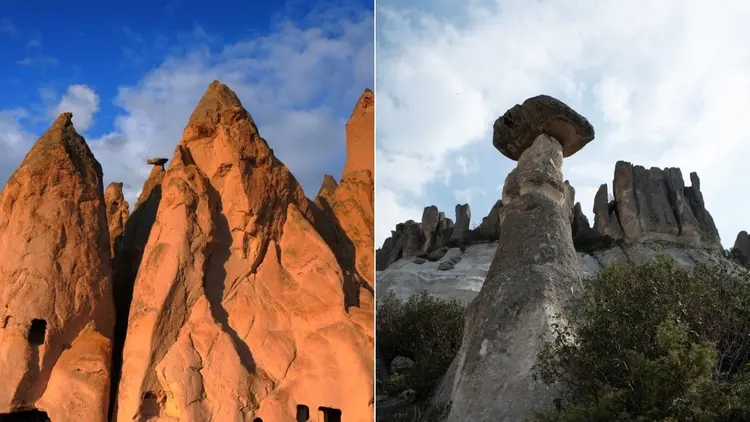
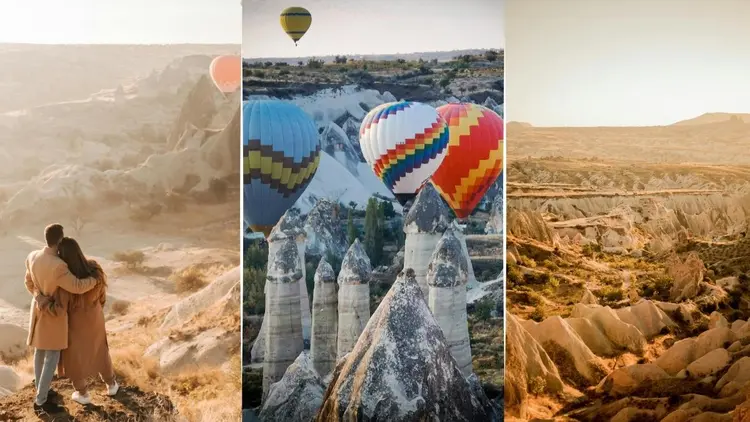
Picture a cone of soft rock wearing a hat of harder stone. That is a typical fairy chimney.
Here is the counterintuitive part: the soft cone survives because of the stone sitting on it. The cap is tougher than the cone below, so it shields the soft rock from rain and wind, and the column stays standing while everything around it slowly wears away.
7. Soft body, hard cap
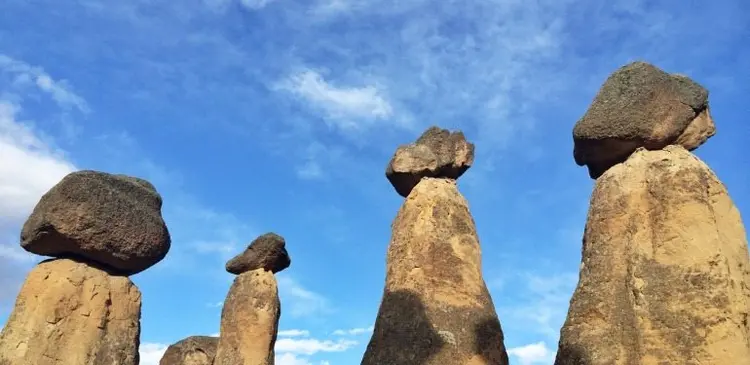
Two different materials meet here. The cone is usually made of tuff and similar volcanic deposits, while the cap is a harder rock such as ignimbrite or basalt. That contrast in hardness produces the shape. Most visitors spot it without trying: pale cone, darker cap and a clear line where one stops and the other begins.
8. A heavier cap protects better
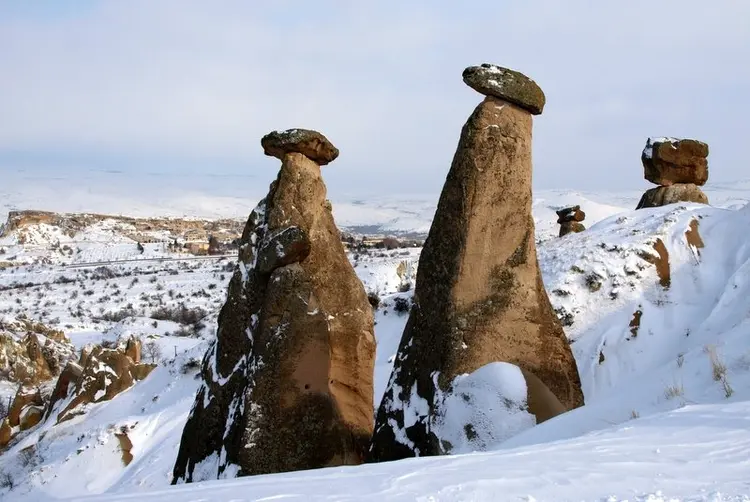
Size matters. The larger and tougher the cap, the better it protects the cone beneath it and the longer the chimney lasts. A thin cap offers less cover. The formation wears out sooner.
9. When the cap falls, the chimney follows
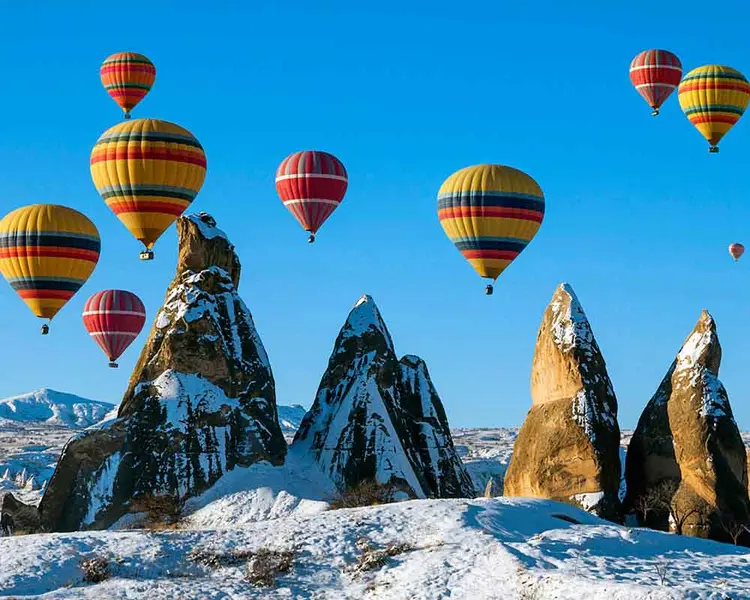
The cap does two jobs: it protects the tuff beneath it and limits how tall the chimney can grow.
But that protection has an end date. As the soft base erodes back, the cap is eventually undercut and falls, and the exposed column, with nothing overhead to keep off rain and wind, then erodes quickly. Beautiful, then, but temporary on a geological scale.
10. A World Heritage landscape
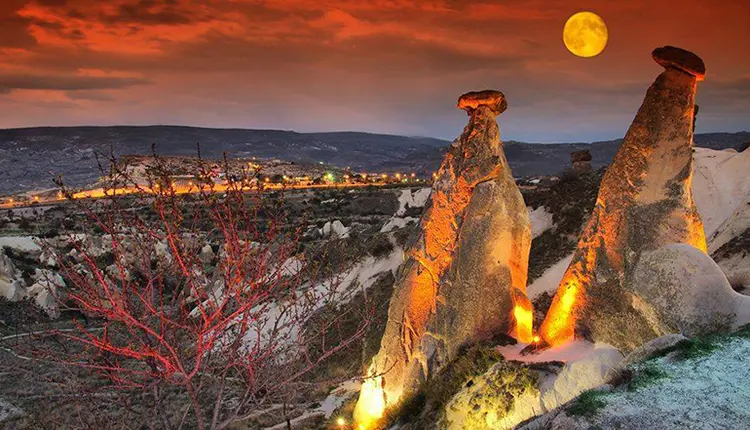
Fairy chimneys appear in other parts of the world, but nowhere are they as numerous as in Cappadocia, which UNESCO inscribed in 1985 as Göreme National Park and the Rock Sites of Cappadocia. One of the “wonders of the world”? That’s a popular description, not an official title—no recognized Seven Wonders list includes it.
Sources: Wikipedia on fairy chimneys; Wikipedia on Göreme Historical National Park; Republic of Türkiye Ministry of Culture and Tourism Göreme Open Air Museum page.



Bir yanıt yazın