
14 Places to See on the European Side of Istanbul


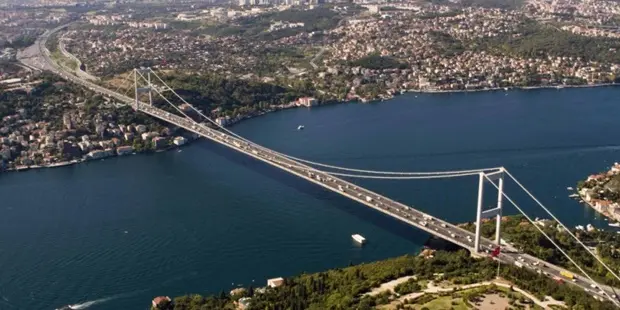
The European side of Istanbul holds most of the city’s famous sights, from Byzantine domes to Bosphorus-side promenades. This list follows a loose route through 14 stops, so the big names can be paired with a coffee stop, a bazaar detour or a long walk along the water. Comfortable shoes are not optional: most of these places are best covered on foot.
1. Sultanahmet Square and Around

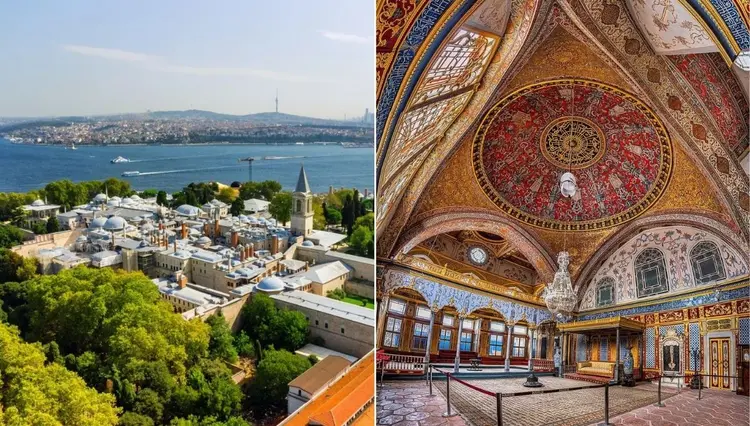
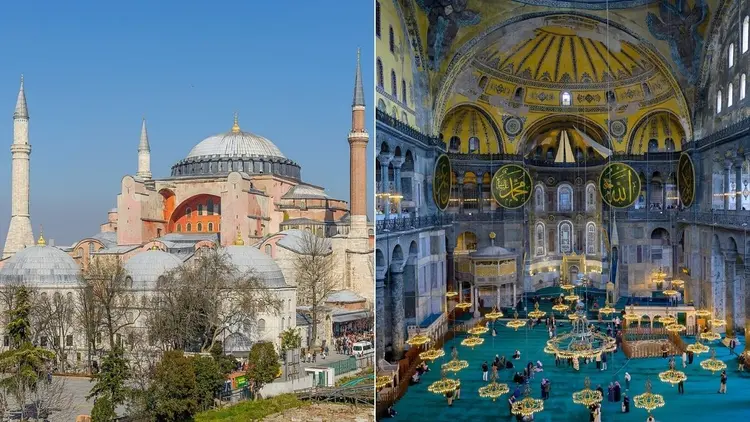
Sultanahmet Square sits on the old Hippodrome, where Byzantine crowds once watched chariot races, and the area has some 1,800 years of history behind it. Mosques, tombs and former madrasas still line the edges. Lunch comes first. The classic choice is one of the traditional köfte restaurants nearby (köfte are grilled meatballs), after which the route runs to Sultanahmet Mosque, known to visitors as the Blue Mosque, then on to Hagia Sophia and the Basilica Cistern.
Hagia Sophia has been a working mosque since 2020. It remains open to visitors, so dress modestly and expect prayer-time restrictions.
2. Beyazıt Square and the Bazaars

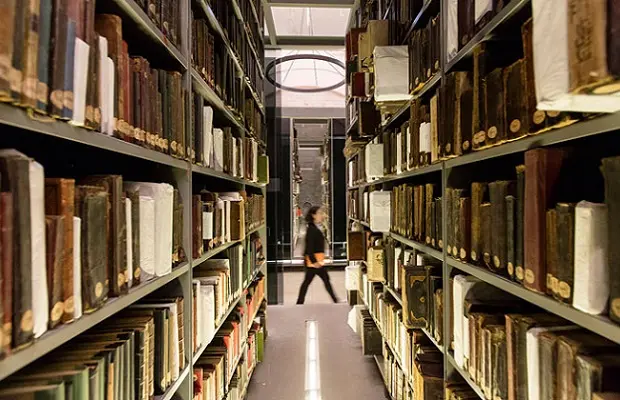
Beyazıt Square faces the gate of Istanbul University. A short walk away is the Old Book Bazaar (Sahaflar Çarşısı), a courtyard of secondhand and rare book dealers. The Grand Bazaar’s south-western entrance is right here too. Wandering in is easy. Wandering out, less so. The streets drift downhill toward the Spice Bazaar and Eminönü, and the simplest way to navigate is to follow the smell of cardamom and roasting coffee.
3. Eminönü and Sirkeci

Eminönü has been a trading hub for as long as the city has existed. First the Byzantines, then the Ottomans. The New Mosque (Yeni Camii), finished in 1663 and decorated with İznik tiles, anchors the district; the Spice Bazaar, for all its separate fame, actually belongs to the mosque’s complex. Spices or lunch first? Spices. Then do as locals do and eat a fish sandwich (balık ekmek) from the boats and stalls on the waterfront. Sirkeci Station, the old terminus of the Orient Express, is worth a look nearby, with the historic restaurants of Hocapaşa Street a short walk beyond.
4. Karaköy and Tophane

Karaköy is one of the busiest crossroads in Istanbul. The reasons are refreshingly practical: a tram line, a ferry pier across the water and quick links to Taksim and Eminönü. The French Passage and the cafés around it are among the most stylish corners, while Tophane next door, once the site of an Ottoman cannon foundry, has mosques, museums and fountains. Hookah (nargile) cafés are the old signature. In recent years, a wave of design-led coffee shops has joined them.
Sweet-toothed visitors should look for the old syrup-dessert shops, then climb the Kamondo Stairs toward Galata.
5. Galata and Taksim

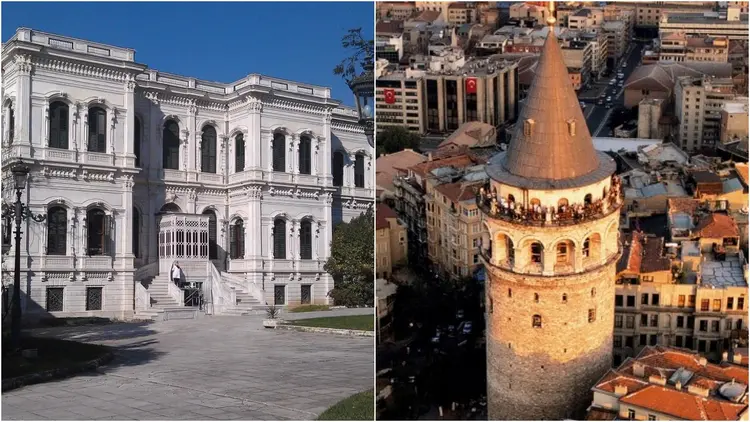
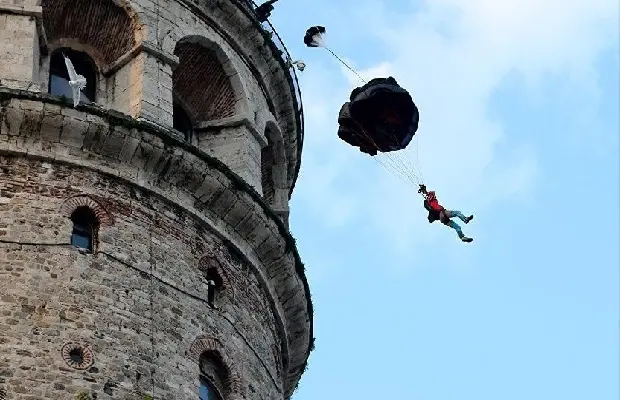
Galata Tower is one of the oldest towers in the world still standing in a major city, and it draws some of Istanbul’s biggest crowds. The top looks out over the Golden Horn and the Bosphorus. Tea at its foot is cheap. The wooden tables there make a good excuse to sit down. Walk the slope toward Tünel, browse the souvenir shops, then join İstiklal Avenue and follow the nostalgic tram line past Syrian Passage and the church of St. Anthony of Padua.
The walk ends at Taksim Square and the Republic Monument.
6. Cihangir and Çukurcuma

Cihangir has a long artistic reputation, and plenty of visitors use it as a base. Next door is Çukurcuma. Antiques are the draw here: chandeliers, plates and carpets from past centuries crowd the shop windows. Orhan Pamuk’s Museum of Innocence is here too—a small museum built around the novel of the same name. For a sit-down coffee, the cafés on Algeria Street (Cezayir Sokağı) are a good bet, and Asri Turşucusu, a long-running pickle shop (turşu) that has become a local institution, is worth finding.
7. Beşiktaş, the Bosphorus Shore and Ortaköy

Beşiktaş is a student-heavy district and a ferry hub, and its market street is worth a wander before you reach the shore. Walk north along the Bosphorus on a plane-tree-lined path that passes Çırağan Palace (now a hotel) and the entrance to Yıldız Park, stopping for stuffed mussels (midye) from the street vendors along the way. Ortaköy is small and always busy. Kumpir is the local ritual: a baked potato loaded with toppings, bought from the stalls on the waterfront street and eaten by the water. Photograph the Ortaköy Mosque before moving on.
8. Kuruçeşme, Arnavutköy, Bebek and Rumeli Hisarı

The shoreline walk from Kuruçeşme to Rumeli Hisarı is the Bosphorus at its most relaxed.
Arnavutköy comes first. Its waterfront has places to eat. Then Bebek, where seaside cafés look out on gulls and passing boats. On this stretch, the pace tends to slow without anyone deciding it should. The route ends at Rumeli Hisarı, a fortress built in 1452—a year before the conquest of Constantinople—whose walls give a high view over the strait.
9. Eyüp Sultan Mosque and Pierre Loti Hill

Begun in the 15th century, Eyüp Sultan Mosque is among the city’s most revered religious sites. In its courtyard stands a plane tree that is hundreds of years old. After the mosque, eat at one of Eyüp’s historic restaurants. Then comes the hill. At the top of Pierre Loti Hill, tea is served with a wide view of the Golden Horn.
10. Fatih, Yedikule and the Vefa Boza Shop

Fatih is one of the oldest districts of the city and the stage for some of its defining events. Start at Fatih Mosque and its complex, then see the tomb of Mehmed the Conqueror, the Hırka-i Şerif (Sacred Mantle) Mosque and the Women’s Bazaar and Horse Market. Hungry? Kebab Street in Fatih is within walking distance. Yedikule Fortress is a short ride away. It once served as a state prison. Whether it is open on a given day is harder to say, so check before you go. Finish with a glass of boza (a lightly fermented, malty drink) at Vefa Bozacısı, a shop with a long history.
11. Süleymaniye Mosque

Architect Mimar Sinan built the Süleymaniye Mosque for Suleiman the Magnificent in the 1550s, together with a madrasa, hospital, bathhouse, library and soup kitchen. It is a showcase of classical Ottoman architecture and of Sinan’s engineering. The complex is part of the UNESCO-listed Historic Areas of Istanbul. Getting there is easy. Inside, take it slowly.
12. Balat

No Istanbul trip feels complete without a walk through Balat. Jewish, Greek and Armenian communities once lived here, and traces of each are still visible in narrow streets lined with colorful old buildings that now hold small cafés. Coffee first. Then see the Greek Orthodox Patriarchate, the red-brick Phanar Greek Orthodox College (known as the Red School) and the houses of Kiremit Street. Contrary to a common claim, Balat is not a listed UNESCO component itself, though it sits on the same historic peninsula as the listed areas.
13. Nişantaşı
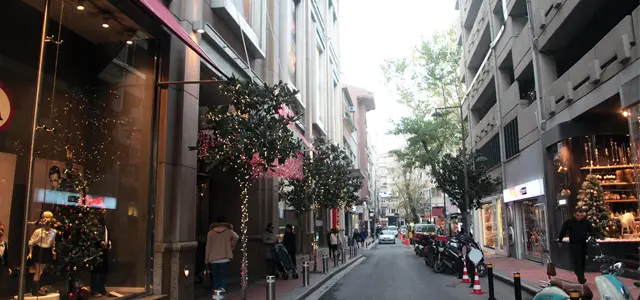
Few districts in Istanbul are as polished as Nişantaşı. International fashion stores, schools and elegant cafés fill its streets, and the weeks before New Year, when the lights go up, are an especially pleasant time to wander them. Teşvikiye Avenue leads to the Teşvikiye Mosque and the marker stones that gave the neighborhood its name.
Maçka Park is close by. In summer, locals stretch out on its grass.
14. Belgrad Forest and Atatürk Arboretum

When the city starts to feel crowded, the European side has an answer in the Belgrad Forest and the Atatürk Arboretum in Bahçeköy, where trees and fresh air take over from traffic and concrete. The arboretum covers about 296 hectares. Its range of plant species is large, and nobody expects you to name them all. Both suit calm nature walks and photography. Set them against Sultanahmet Square from the start of this list: there, some 1,800 years of history crowd around one old racetrack; here, 296 hectares hold mostly trees.
Sources: Republic of Türkiye Ministry of Culture and Tourism museums portal; Wikipedia on the UNESCO-listed Historic Areas of Istanbul; Wikipedia on the Atatürk Arboretum.


Bir yanıt yazın