
Cappadocia Travel Guide: Where to Stay, Go and Eat


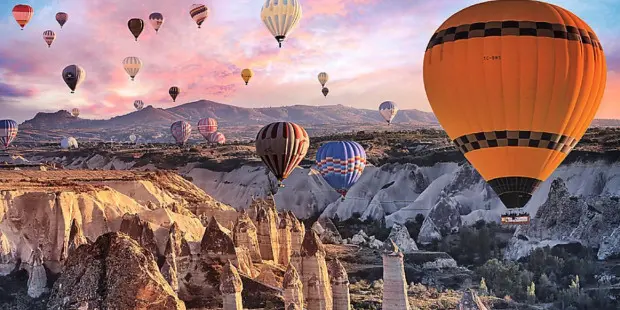
Between the volcanoes of Erciyes and Hasan, lava and ash shaped a landscape that earned Cappadocia a place on UNESCO’s World Heritage list in 1985. Any Cappadocia travel guide starts with the questions most first-timers ask: when to go, how to get there and around, where to stay, what to do and what to eat. The region is calmest outside peak season, and spring balances weather and crowds best.
Cappadocia travel guide: pick your season first
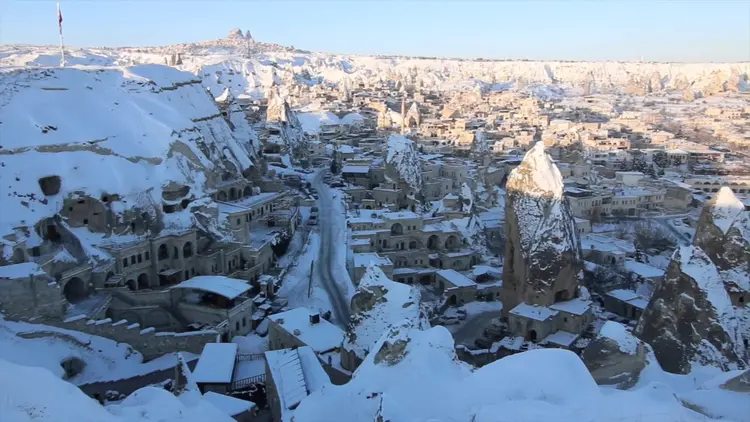
Timing comes first. Cappadocia sits on a high plateau, and winters are colder than many visitors expect—especially when it snows, which is exactly when renting a car or joining a guided tour makes getting around easier. Spring is kinder. It is the most comfortable time for walking, and most small businesses operate year-round, though some family-run properties slow down in the weeks after New Year.
How to get to Cappadocia
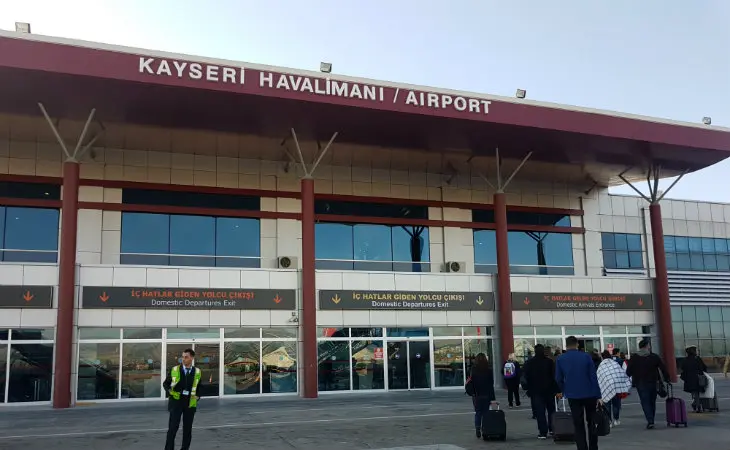
You can drive, take a long-distance bus or fly. Over long distances, flying usually makes the most sense, and bus and plane fares are often close anyway. Two airports serve the region. Nevşehir Kapadokya sits about 35 to 40 km from Göreme, while Kayseri Erkilet is roughly 70 to 75 km away—farther, but it tends to have more flights, so check both before booking.
Traveling off-season? Promotional fares are easier to find.
Getting around Cappadocia
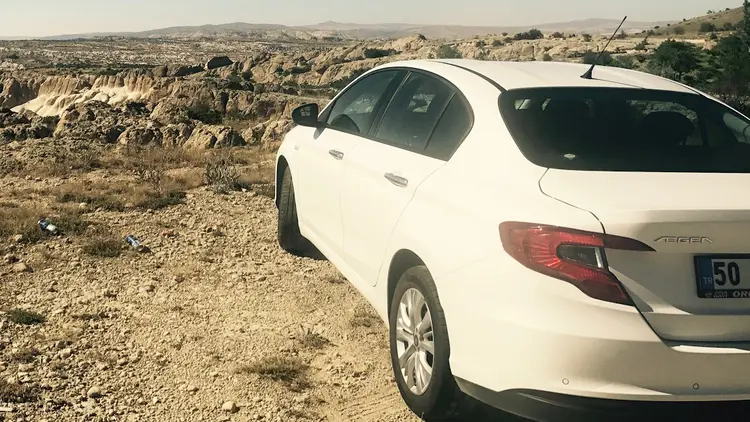
Distances add up here. The towns and sights are spread over a wide area, and the farthest are about an hour’s drive apart. Most visitors rent a car; agencies operate in every town. Don’t drive? ATVs and scooters are available, and an ATV does not require a license. The cheapest option is the dolmuş (a shared minibus), which runs between the main towns every 30 to 60 minutes, but services stop early in the evening, so late trips mean a taxi.
Taxi drivers in the region do not always use the meter, so agree on a price before getting in or ask your hotel to arrange the ride.
Where to stay in Cappadocia
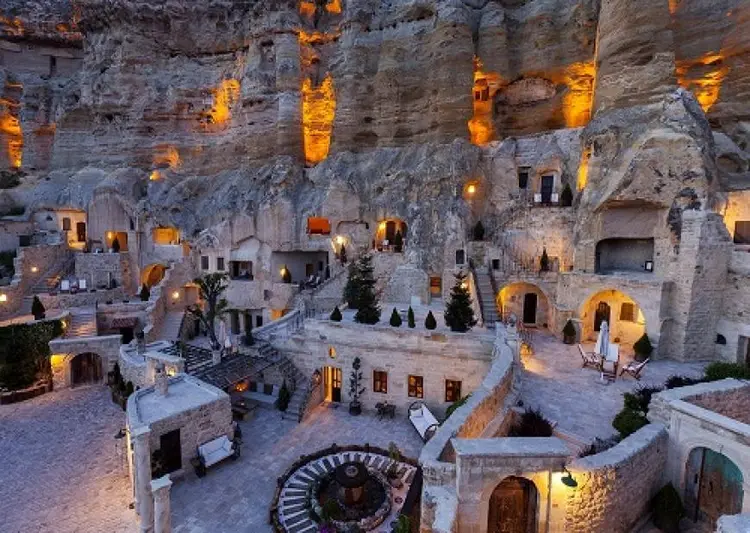
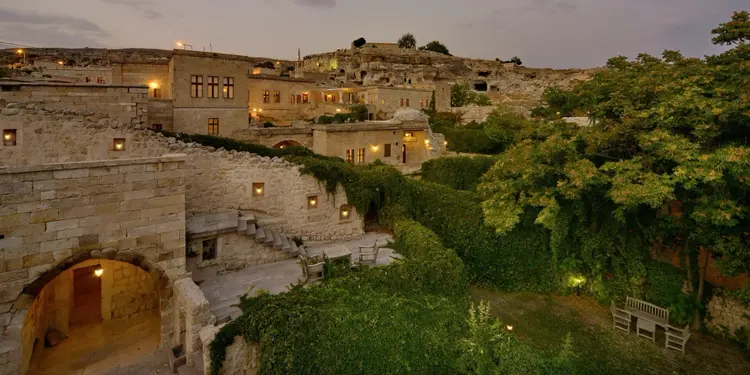
That depends on what you want. For a culture-focused trip, Göreme is the strongest choice: it sits among the sights, the open-air museum is within walking distance, and its bus station is the main hub from which dolmuş routes fan out. Avanos feels more like a working town. Ürgüp and Uçhisar are good for views and a romantic stay. Many hotels here are cave hotels, with rooms carved into the rock. Expect a different kind of night. Prices range widely from budget guesthouses to luxury suites, and most businesses are run with a personal touch, since tourism is the main local income.
What to see in Cappadocia
Two sights stand out. Derinkuyu Underground City is the best known of the region’s underground cities. Around eight levels are open to visitors, reaching roughly 50 to 60 m down, while the whole complex is thought to go to about 85 m. Built as a refuge, it could shelter thousands of people.
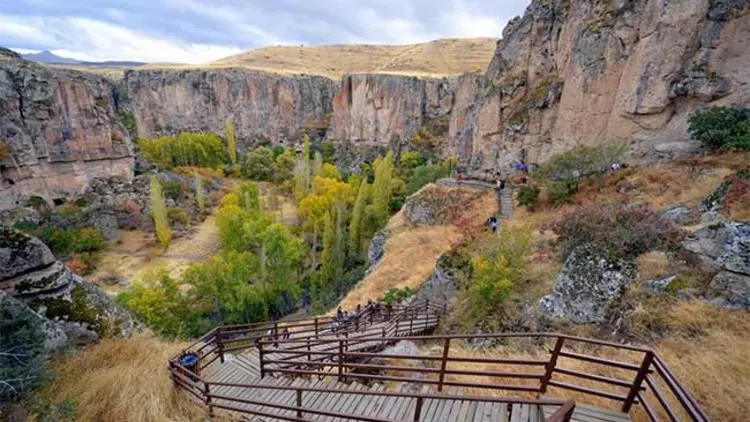
Ihlara Valley is a green gorge about 14 km long, with the Melendiz River at its center and rock-cut churches along the way.
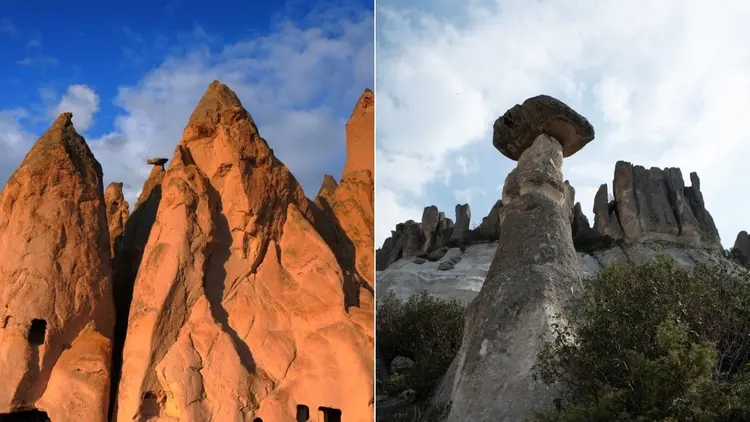
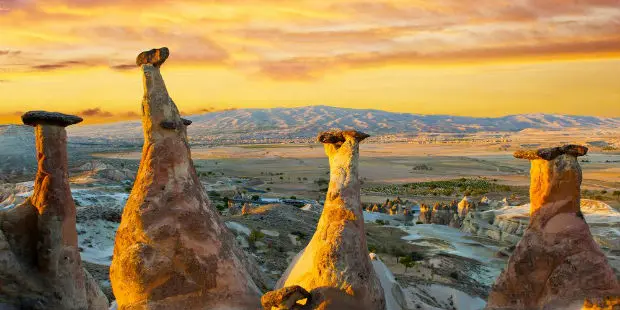
Day tours are a practical way to cover these, since a guide explains what you see and most hotels and town agencies sell them. Two standard options dominate. The Green Tour is the longer one, usually running from around 9 a.m. to 6 p.m., and typically covers a Göreme panorama, Derinkuyu, Ihlara Valley, Selime Monastery, Yaprakhisar and Pigeon Valley in Uçhisar. The Red Tour stays closer to the center and generally takes in Uçhisar Castle, Göreme Open-Air Museum, Love Valley, Çavuşin, Paşabağ (Monks Valley), Avanos pottery workshops, Devrent (Imagination) Valley and the Three Beauties fairy chimneys in Ürgüp, sometimes with a wine stop.
Visitors without a car often pick the Green Tour, because it reaches the far-flung sights.
ATV tours
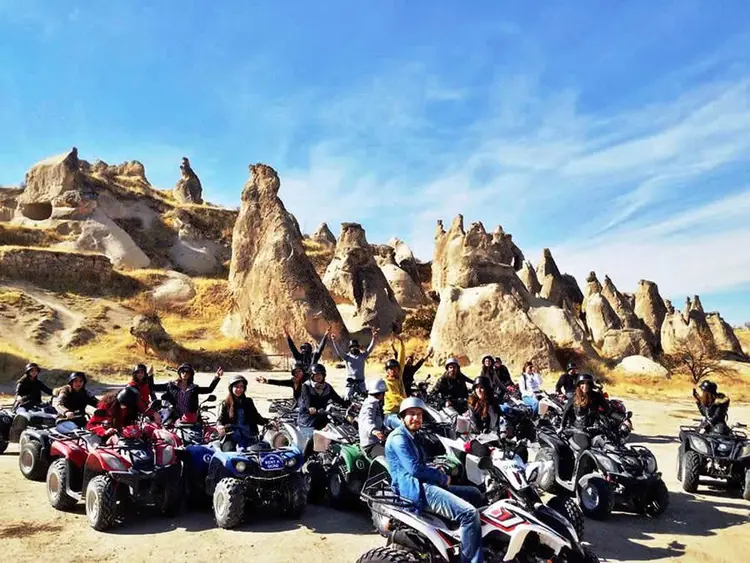
ATV safaris are one of the region’s most popular activities. Groups run from about 10 to 30 people, and sunset rides, which usually start around mid-afternoon, put you at a high point as the light fades. No license is needed. Lengths vary. Tours start at about two hours and extend to four hours, half a day or a full day, so before booking, ask what is included and how big the group will be.
Hot air balloons
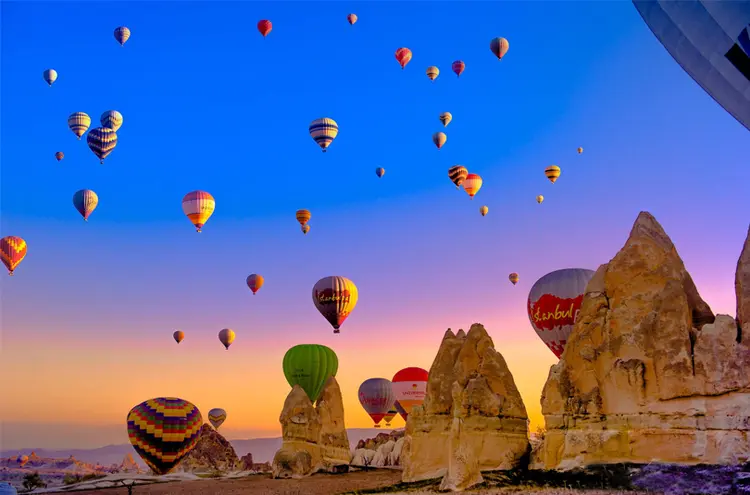
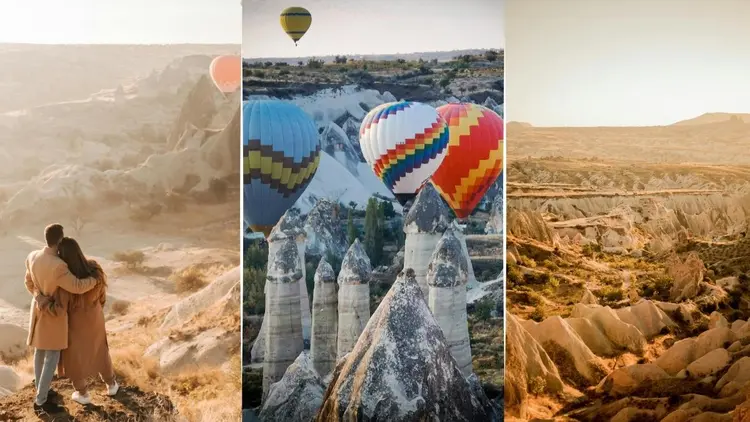
Balloons are the image most people have of Cappadocia, and they are also the priciest activity. Many operators quote in euros or dollars. For a standard one-hour flight, 2026 quotes range from around €80 (approx. $90) in low season to €300 (approx. $340) or more in peak months. Compare operators and confirm what is included.
On a tighter budget, watch the launch from the ground at dawn. That part is free.
A booked balloon flight is not a guaranteed one, whatever the brochure implies. Weather has the final say. Flights do not go up in strong wind, and safety rules have tightened in recent years, so in autumn and winter check the forecast and keep a spare day in your schedule.
Pottery in Avanos
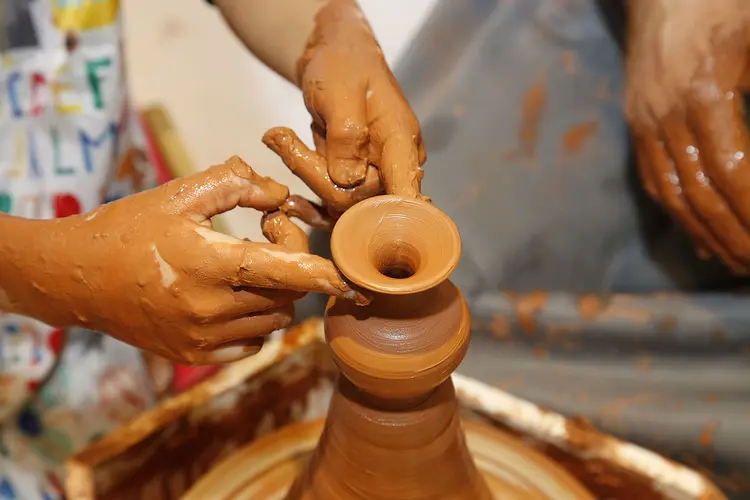
Avanos has been a pottery town for centuries. Workshops line its streets, and many of them are run by families who have passed the craft down from one generation to the next, while several let visitors sit at the wheel for free. Keep what you make? That usually costs a small fee. Not just pots, either: handmade crafts of all kinds are on sale here.
The Hair Museum
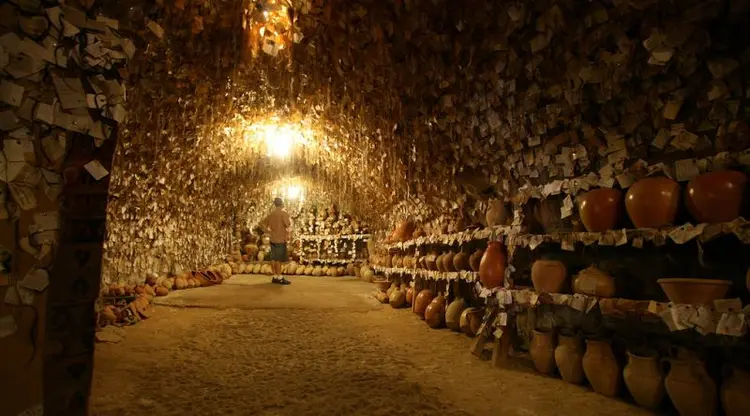
The Hair Museum at the Chez Galip pottery workshop is one of Avanos’s quirkiest stops. Its story goes back to 1979. That year, potter Galip Körükçü cut a lock of hair from a French visitor who had come to his shop and hung it on the wall. Oddly enough, other women visitors followed. The collection grew to tens of thousands of samples. Visitors leave a lock along with a name and contact details, and Körükçü has drawn 10 names a year to win a week’s holiday in Cappadocia. In 1998, the collection entered the Guinness Book of World Records. The current fee is hard to pin down; entry has been reported at about ₺50 (approx. $1), and photography is not allowed because personal details are displayed next to the hair.
Wine cellars
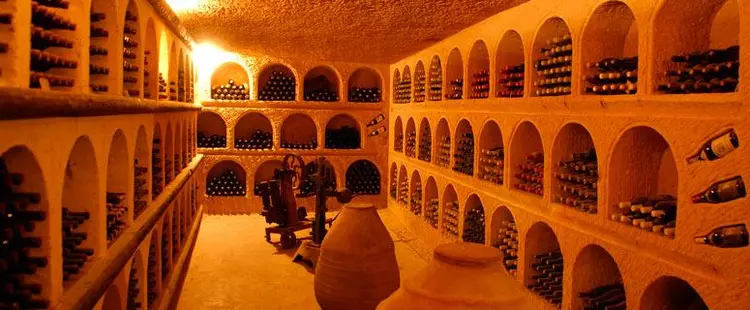
This is wine country, too. Cappadocia’s volcanic soil has a long winemaking tradition. In Ürgüp, Turasan is among the best-known wineries, with a tasting room and a shop, but hours and tasting options shift with the season, and that applies to cellar visits as well as tastings. Check ahead.
What to eat in Cappadocia
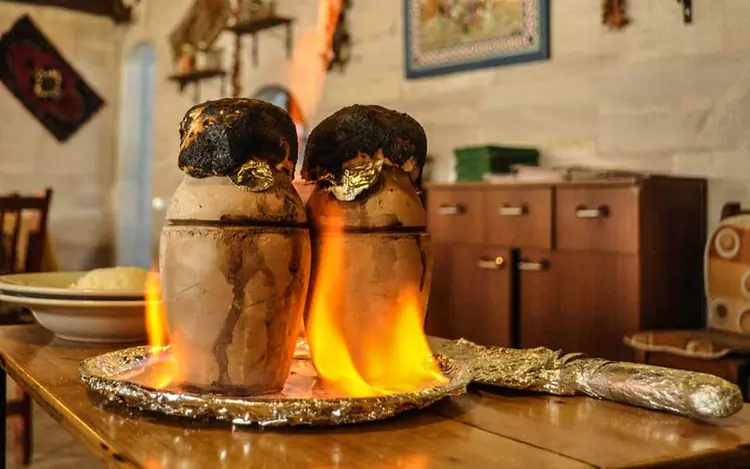
The signature dish is testi kebabı, a meat-and-vegetable stew sealed in a clay pot that is cracked open at the table. Here’s the catch: when demand is high, some restaurants rush it, and a rushed testi kebabı is a sad thing. The real version is cooked to order. So book ahead. In Göreme, Dibek Restaurant is known for preparing it by reservation, and Pumpkin Goreme Restaurant and Art Gallery is a family-run alternative with a set menu. Travelers coming from Kayseri can also try Develi’s cıvıklı, a local dish. Confirm current menus, prices and alcohol policies with the restaurant.
Keep exploring
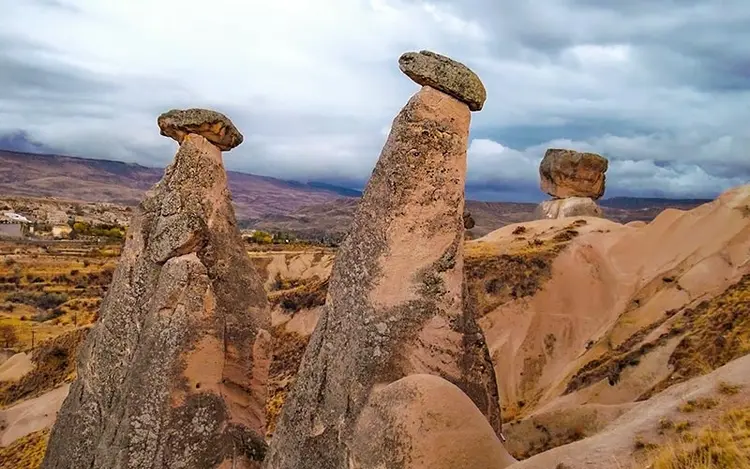
These are only starting points. Cappadocia rewards slow wandering, with friendly locals, helpful small businesses and a landscape that keeps changing with the light, which is reason enough to leave a little room in the schedule. Save space for the unplanned stop.
Sources: UNESCO World Heritage Centre: Göreme National Park and the Rock Sites of Cappadocia; Wikipedia on Derinkuyu; Daily Sabah on the Hair Museum.

Bir yanıt yazın