
Okinoshima: Japan’s Sacred Island Closed to Women


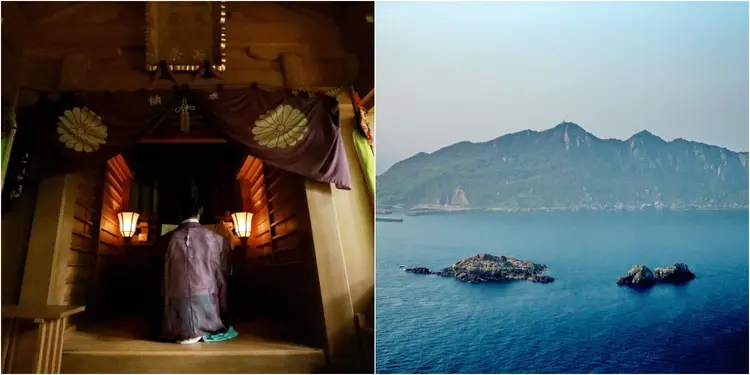
Off the coast of Kyushu, on the old sea route between Japan and the Korean Peninsula, sits a small forested island that almost nobody is allowed to visit: Okinoshima. It is a Shinto sacred site where women may not set foot, and where even the men who landed had to strip, wash in the sea and then keep quiet about everything they saw. Since 2017 it has also been a UNESCO World Heritage Site, which has only sharpened the debate over whether its oldest rule still belongs in the present.
1. A sacred stop for sailors off Munakata
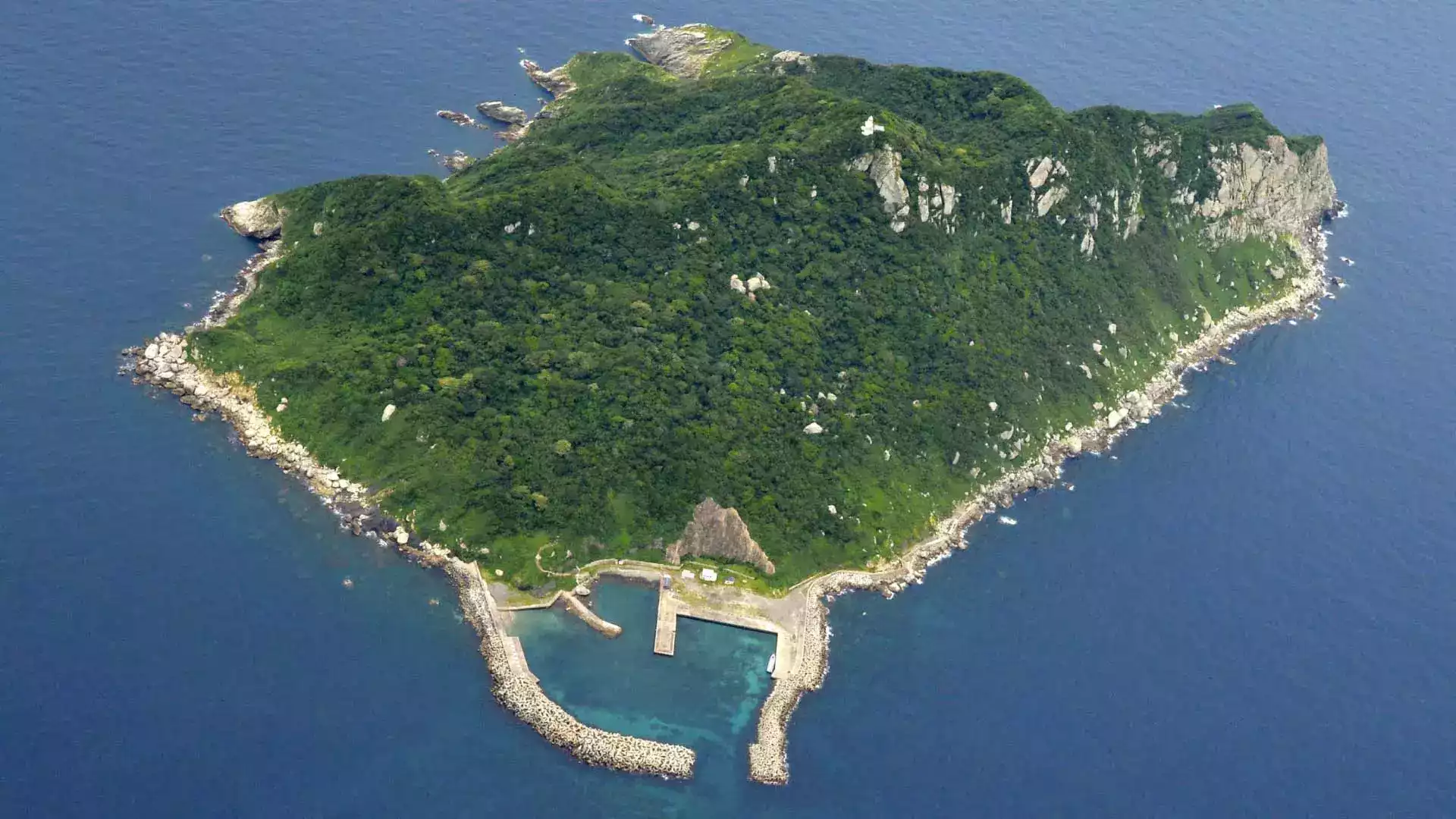
Okinoshima belongs to the city of Munakata in Fukuoka Prefecture, and its shrine, Okitsu-miya, is part of Munakata Taisha. Sailors knew it well.
From the 4th to the 9th century, amid busy exchange across East Asia, the island hosted large-scale rituals to pray for safe voyages between the Japanese archipelago, the Korean Peninsula and China, and the offerings left behind tell that story better than any chronicle. According to the official Okinoshima World Heritage site, about 80,000 objects have been recovered, all designated national treasures of Japan. The mix is remarkably international. There is a gold ring resembling those from the royal Silla tombs of Korea, gilt-bronze horse harnesses, iron ingots, fragments of a Tang-style three-colored vase and shards of Persian glass that probably traveled the Silk Road before reaching this rock in the sea.
The usual image of Okinoshima as a lonely, cut-off shrine misses the point. For five centuries, it was a crossroads.
2. UNESCO status in 2017 and a renewed debate
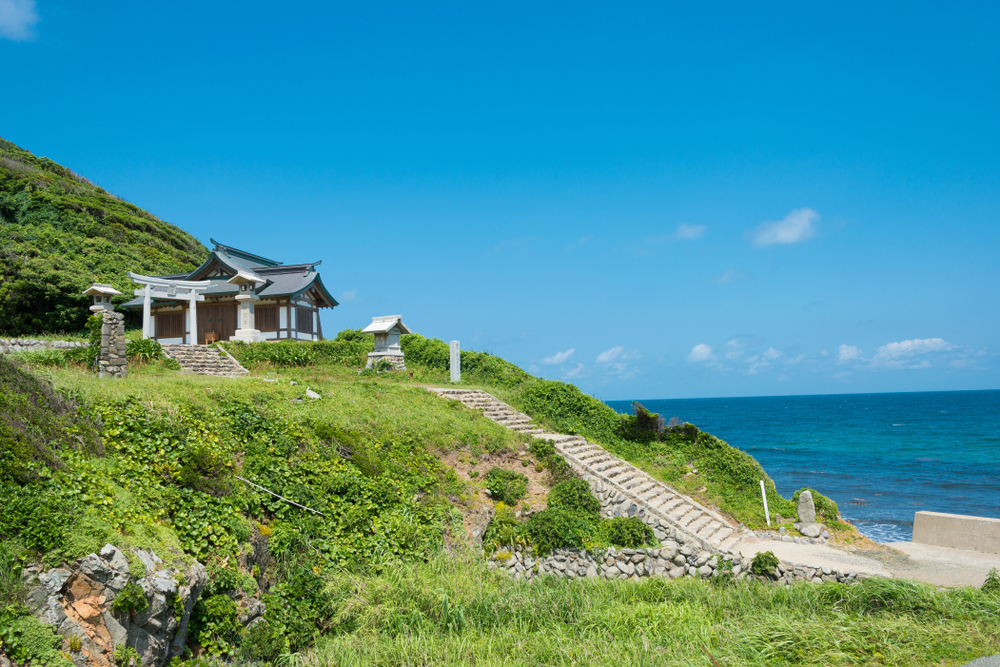
In July 2017, UNESCO added “Sacred Island of Okinoshima and Associated Sites in the Munakata Region” to the World Heritage List. The honor came with a spotlight. Women are not allowed on the island, a taboo known in Japanese as nyonin kinsei, and critics asked whether a site celebrated by a UN agency should still exclude half the population. Supporters reply that the rule is part of the living faith the listing protects.
Neither side has moved much.
3. Strict rules: sea purification and a vow of silence
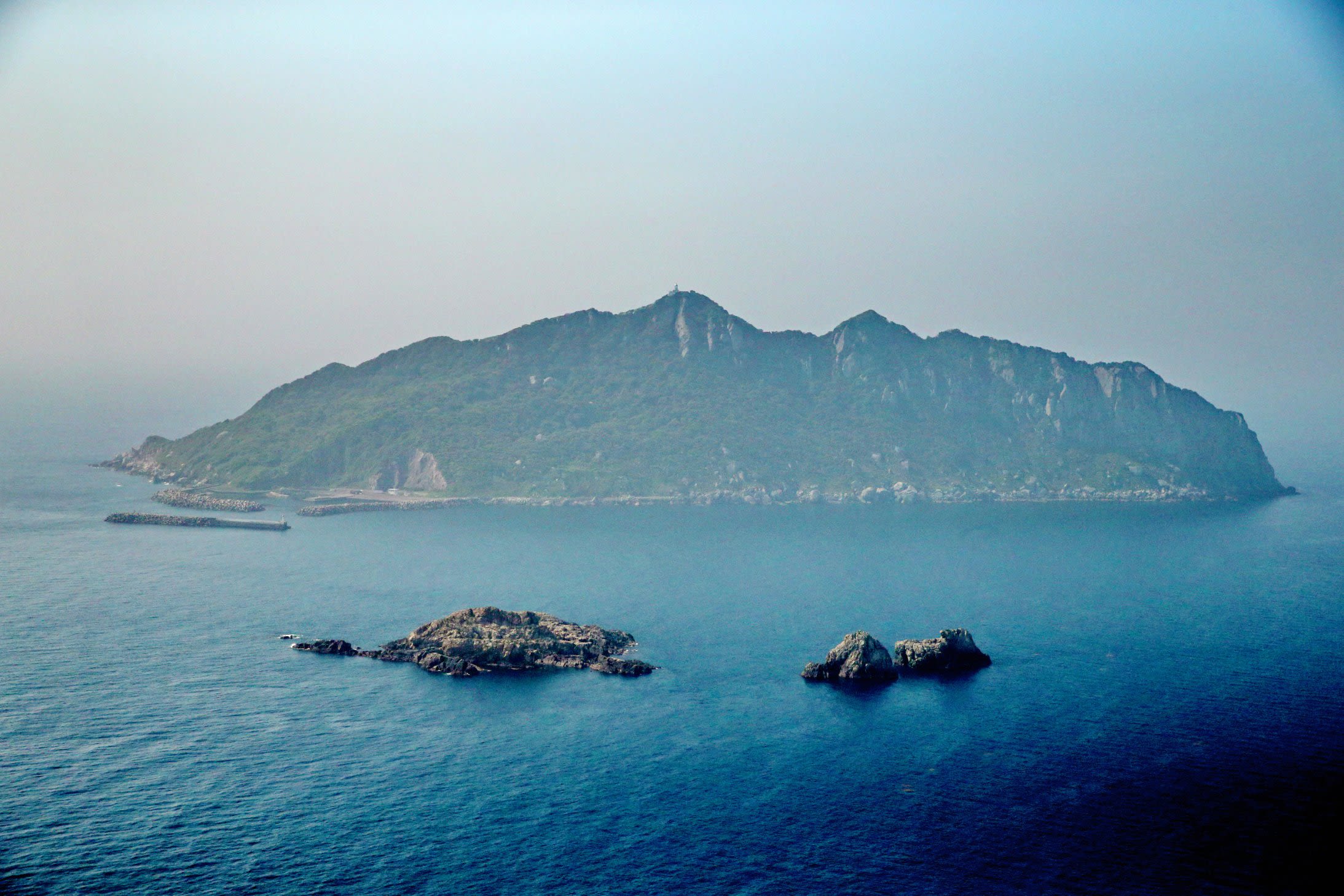
Landing on Okinoshima has never been casual. Before stepping ashore, everyone, including the priest on duty, must undress and immerse himself in the sea, a purification rite called misogi that is meant to cleanse body and mind alike. Then come two more taboos. What happens on the island stays there: visitors are expected not to talk about what they saw or heard, a custom so strong that some avoid even saying the island’s name. And nothing leaves.
Not a pebble, not a blade of grass.
Local tradition, as described by the official heritage site, links an Edo-period breach of that rule to divine punishment. Strict? Certainly. Effective, too: those taboos are a big reason the ancient ritual sites survived almost untouched.
4. From 200 men a year to almost no one
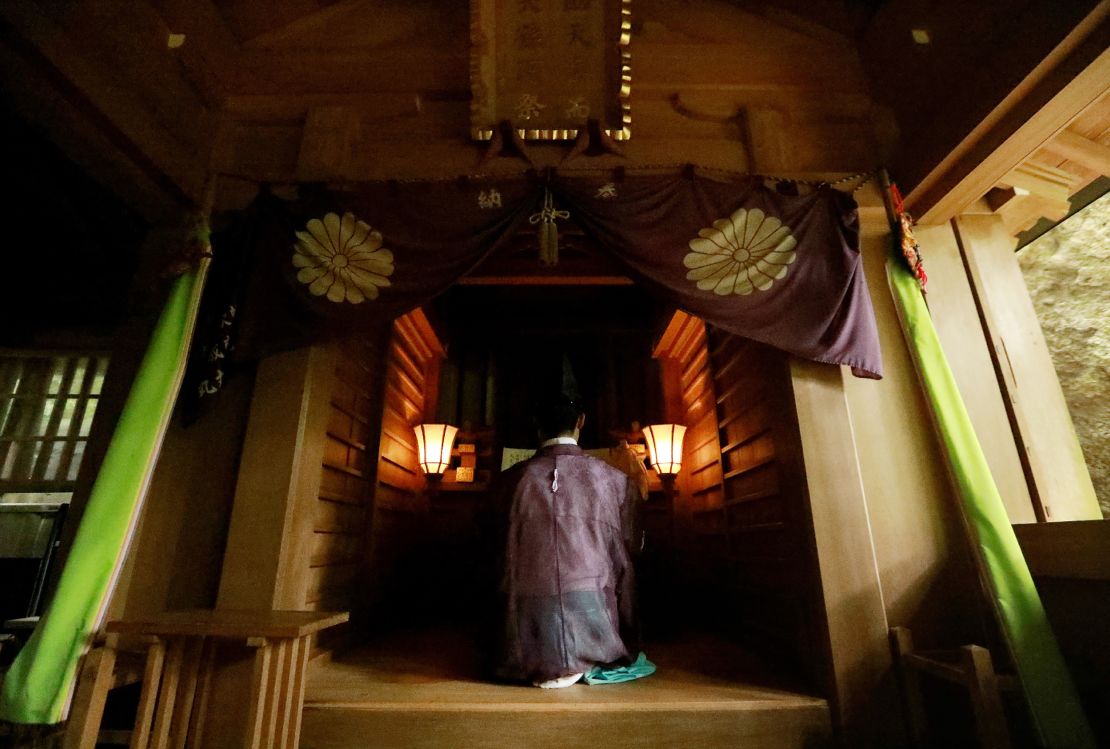
For decades, the island opened to outsiders once a year. On May 27, about 200 men landed for a ceremony tied to the anniversary of the 1905 Battle of Tsushima, said their prayers and left. After the UNESCO inscription, that annual landing was canceled.
The rules today are blunt. Okinoshima is private land owned by Munakata Taisha and closed to the public, nobody may disembark without the shrine’s permission, and landing without it counts as a criminal offense. The only regular human presence is a priest, posted in rotating shifts of about ten days, who performs a service every day. In the 4th century, the island drew offerings from across East Asia; now it receives one priest at a time, which says a lot about how far the idea of protection has gone.
Many people first hear of Okinoshima as “the island women can’t visit.” Only later does it sink in that, in practice, almost no men can visit it either. The tradition-versus-equality argument continues. Yet the mystery holds: a sacred island that, for nearly everyone, stays something seen only from a distance.
Sources: Okinoshima World Heritage (Fukuoka Prefecture): Ancient Rituals, Okinoshima World Heritage: Okitsu-miya, Wikipedia, CNN Travel









Bir yanıt yazın