
9 Facts About San Marino, the World’s Oldest Republic


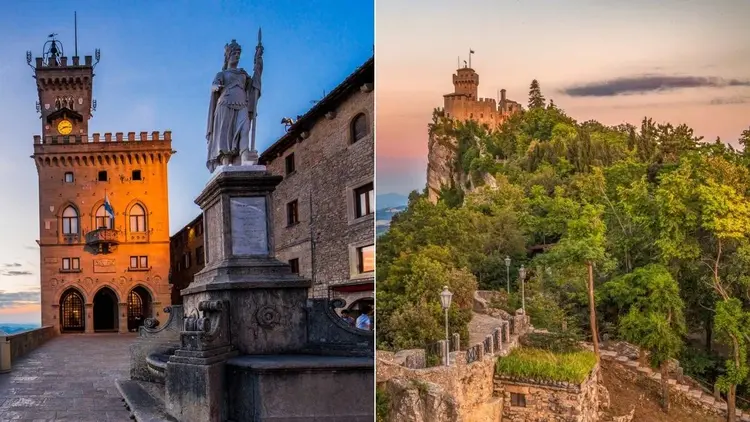
On a map of Italy, San Marino is barely a dot, yet it claims a founding date of 301 AD and the title of the world’s oldest surviving republic. Few places pack that much history into so little ground. These facts about San Marino explain how a hilltop state the size of a small city has outlasted empires, kingdoms and most of the countries around it.
1. You’ll need to zoom in to find it

San Marino covers about 61 km² (24 sq mi), which makes it the third-smallest country in Europe, after Vatican City and Monaco, and the fifth-smallest in the world. The whole country is roughly 13 km long, and at its center rises Mount Titano, a limestone ridge that the capital clings to. Small, but not simple. In a single afternoon you can move from the summit fortresses down to the valley farmland, wander narrow medieval lanes and end up in a square that looks staged for a period film. The historic center and Mount Titano were added to the UNESCO World Heritage List in 2008, so a good part of that walk happens inside a protected site.
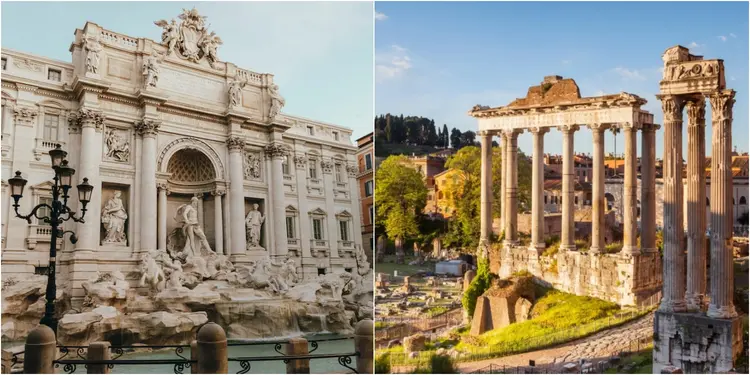
Still hungry for history? Rome is roughly a four-hour drive away.
2. More green than you’d expect

Beyond the fortress walls, the countryside is all olive trees, green valleys, old woodland and wildflowers in spring. Wildlife shares the space. Foxes, hares, hedgehogs and plenty of bird species live in the hills, which is good news for anyone who travels with binoculars. Wild boar roam here too, and while they look harmless from a distance, a startled boar is not an animal to argue with. On country walks, keep a respectful gap.
3. Four real seasons, rain included

The climate is humid subtropical with a continental edge. July highs average about 27°C (81°F), while January highs sit around 6°C (43°F), and winters on the mountain are colder than the Adriatic beaches below suggest. Snow is common in most winters, especially on the higher ground.
Rain falls throughout the year rather than in one wet season, with no truly dry month. Pack a light rain jacket. Whatever the date.
Spring and autumn tend to be the sweet spot, when the heat has eased, the hillsides change color and the trails are at their best for walking.
4. A tiny country with a busy economy

No heavy industry, no sprawling business districts. So how does San Marino pay its way?
Tourism, mostly. The sector contributes more than 22% of GDP, and around two million visitors came in 2014, most of them for a short stay. They come to get lost in the lanes, watch the sunset from the ridge and climb the old towers, and plenty of them leave with a camera roll full of the same postcard views. Banking is the other big earner, helped by a tax system that has long attracted businesses. Electronics and ceramics round out the main industries, while the farms in the valleys are known above all for wine and cheese.
5. The Sammarinese have deep roots here

Walk through the old town and it can feel like stepping into a living archive. According to the founding legend, the community took shape around a stonemason named Marinus in the early 4th century. Exactly how far back any one family goes is hard to say, but many have lived on this mountain for generations. Strike up a conversation in a café and the person across the table may well trace their family back centuries.
Not everyone is Sammarinese, of course. Out of roughly 34,000 residents in 2023, about 83% were San Marino citizens and about 14% were Italian citizens, which is no surprise given that Italy surrounds the country on every side. The vast majority of people are Catholic. Around 13,000 Sammarinese also live abroad, mainly in Italy, the United States, France and Argentina, so you may have a neighbor from San Marino without knowing it.
6. Solid public services for residents

History aside, San Marino draws attention for its quality of life. Healthcare here is often described as free for everyone, which isn’t quite right. It works as a universal system funded by contributions: employers pay for their staff, the self-employed pay their own share, and groups such as the unemployed and the elderly are treated without paying contributions. That coverage is for residents. Not visitors. If you’re planning a trip, take out good travel insurance before you go.
7. A hilltop capital straight out of a storybook

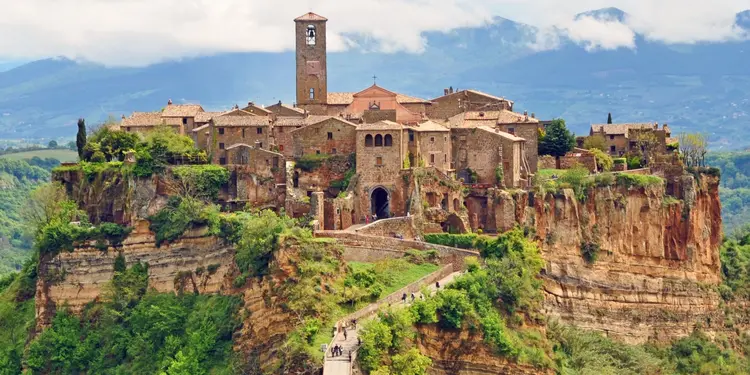
The City of San Marino sits on the slopes of Mount Titano, and the first view of its walls and towers from below feels a little like arriving inside a medieval painting. A few things worth doing once you’re up there:
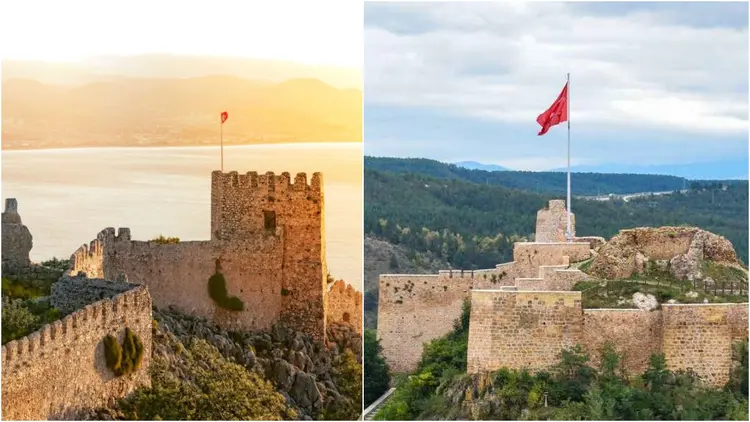
Climb Guaita Tower: the oldest of the three towers on Mount Titano and the country’s best-known symbol, with views that stretch across the countryside toward the Adriatic.
Wander the cobbled lanes, which twist like an open-air museum.
Ride the cable car: the Funivia di San Marino links Borgo Maggiore at the foot of the mountain with the capital, running every fifteen minutes and giving you the whole valley at once.
Go shopping. San Marino has no VAT in the Italian sense, only a single-stage tax on imported goods, which is why its souvenir shops and boutiques have a reputation for good prices.
The beach town of Rimini, on Italy’s Adriatic coast, is close by, so the two make an easy pairing for a summer trip.
8. One of the oldest parliaments in the world

San Marino’s assembly, the Grand and General Council, traces its roots to the early 13th century, when citizens elected a body known as the Council of the Sixty. The Statutes of 1600, among the oldest constitutional documents still in force anywhere, remain at the core of the legal framework. Today’s council works differently: its 60 members are elected every five years under a proportional system with a majority bonus, and the first modern election was held in 1906. Not everyone can stand. Candidates must be San Marino citizens and meet the age and eligibility rules of the electoral law, which bars certain people from running.
A 60-seat chamber for a country of 34,000 means representation here is unusually close to home.
9. Crossing into Italy is effortless

San Marino sits on the Adriatic side of north-central Italy, not far from Rimini, and the roads run straight across the border. No formal checks.
What it doesn’t have is an airport for passenger flights. The country’s only aviation facility is the small Torraccia Airfield, so most visitors fly into Federico Fellini Airport in Rimini, rebranded in 2018 as Rimini and San Marino International Airport.
And the best part? San Marino doesn’t stamp passports at the border, but the tourist office sells an officially cancelled souvenir stamp for your passport, a small proof that you made it to the world’s oldest republic.
Sources: Wikipedia: San Marino, Wikipedia: Grand and General Council, TheCollector: Here’s What to Know About the World’s Oldest Republic


Bir yanıt yazın