
8 Real Places That Look Like Middle-earth


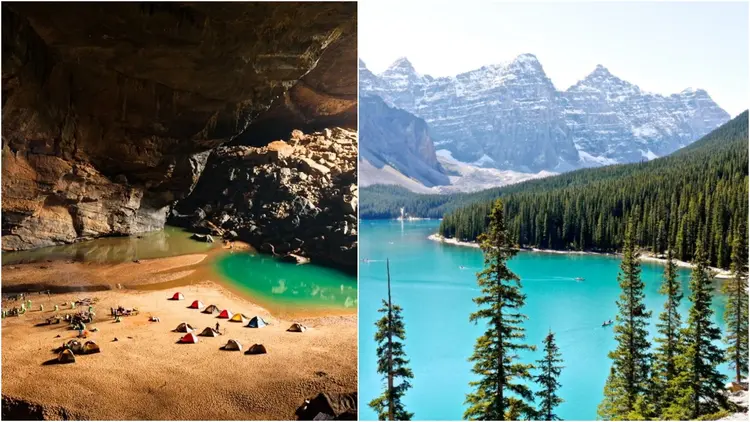
J. R. R. Tolkien built Middle-earth out of real hills, valleys and caves, and some of the landscapes he walked through, or that later stood in for his world on screen, still look the part. Misty peaks, old forests, giant caverns and waterfalls that seem to fall out of the clouds are all out there. These 8 places that look like Middle-earth are the closest you’ll get without a map drawn by an elf.
1. Lauterbrunnen Valley, Switzerland
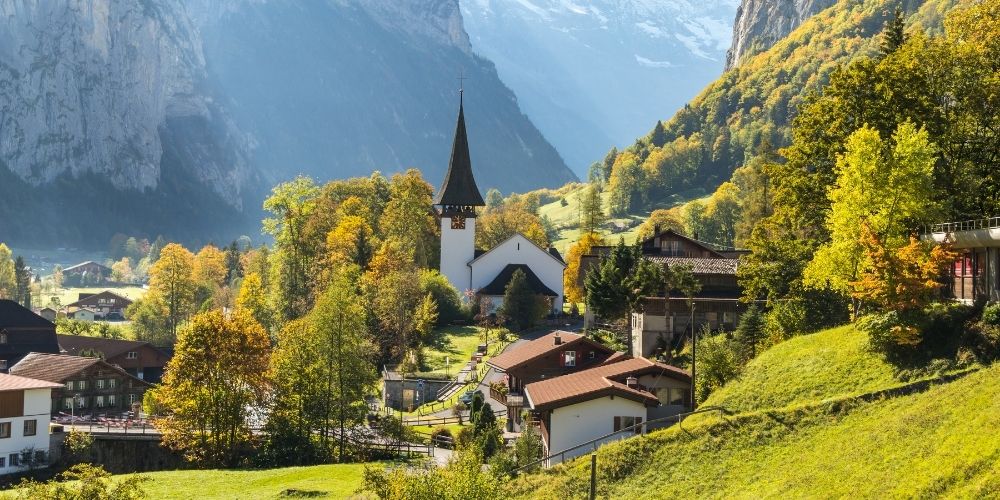
Deep in the Swiss Alps, the Lauterbrunnen Valley is the one Tolkien fans bring up first. Waterfalls spill off sheer rock walls. Meadows stay bright green, and clouds snag on the peaks above. The connection is real. In 1911, a young Tolkien hiked from Interlaken into this valley, and its landscape later became the visual model for his own sketches and watercolors of Rivendell, the hidden valley home of the elves. The tallest of the falls, Staubbach, drops about 297 m (974 ft), the highest free-falling waterfall in Switzerland.
2. Tongariro National Park, New Zealand
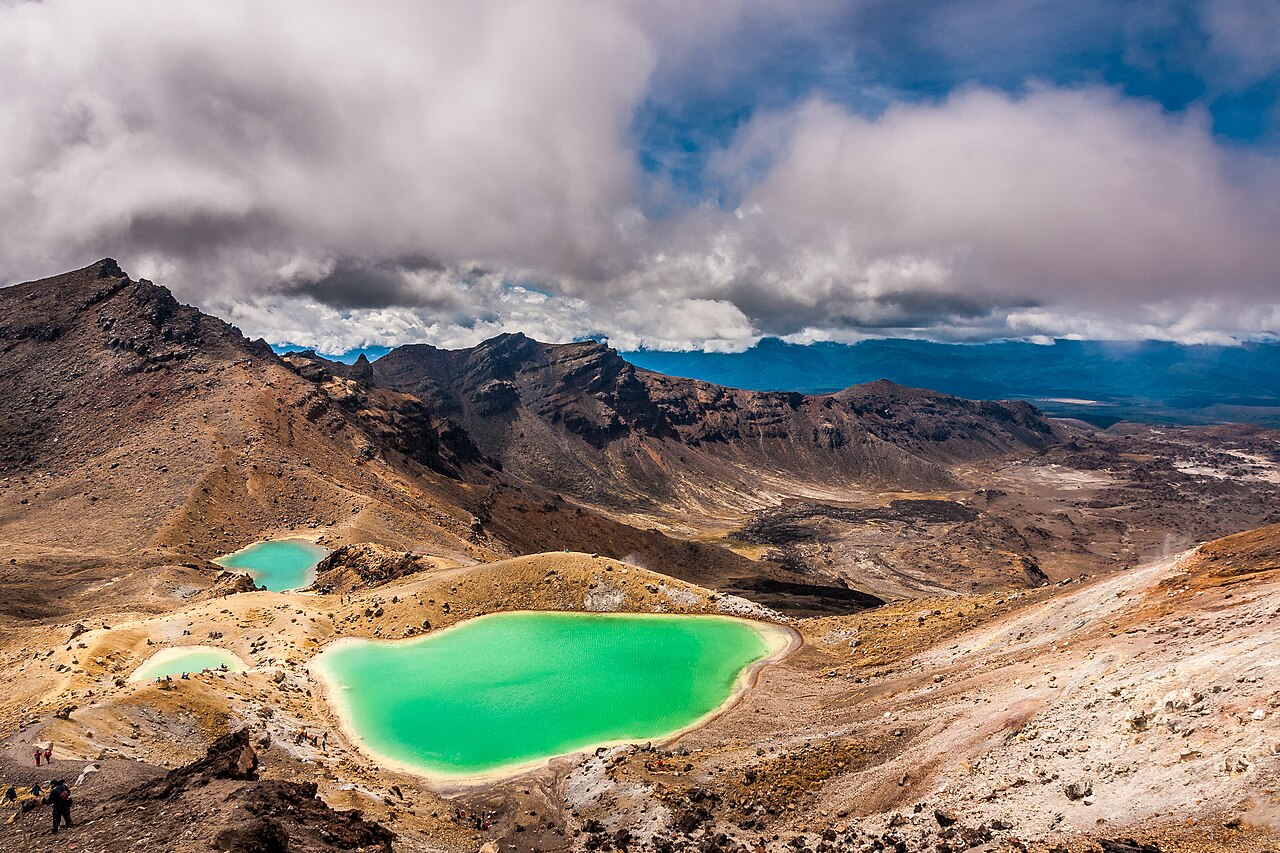
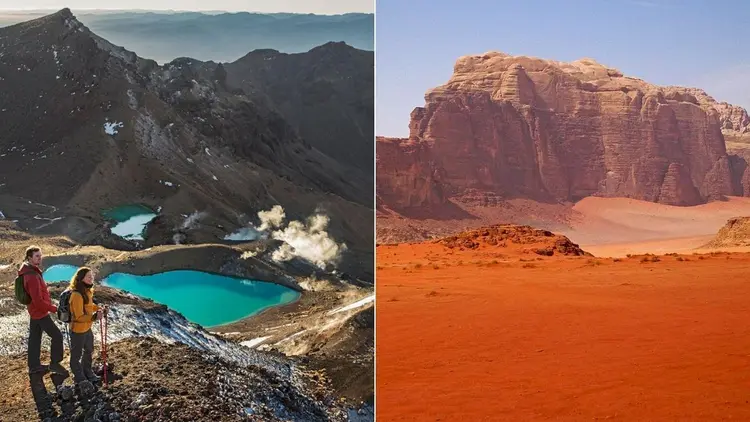
On New Zealand’s North Island, Tongariro National Park is all volcanoes, black lava fields and wind.
It’s harsh country, and it looks it. That’s exactly why Peter Jackson used it for Mordor in The Lord of the Rings films: Mount Ngauruhoe, the near-perfect cone inside the park, stood in for Mount Doom, and other parts of the park appear as the bleak lands around it. Walk here on a gray day. The mood takes care of itself.
3. Fiordland National Park, New Zealand
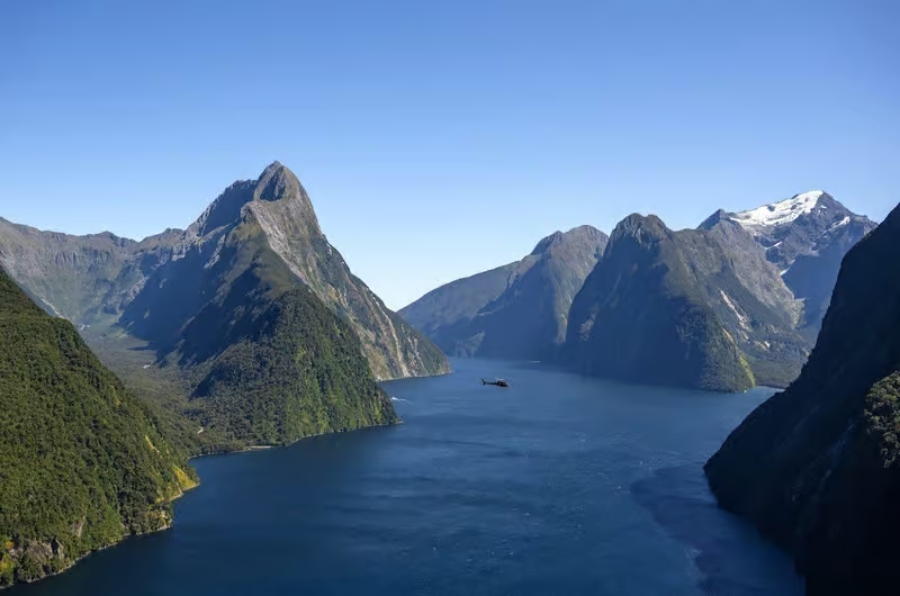
Fiordland, in the southwest corner of New Zealand’s South Island, has some of the most dramatic scenery on the planet: sharp peaks, dense rainforest and fiords that cut deep into the land.
Its wild, nearly untouched character is often compared to Middle-earth’s mysterious forests and mountains. Mist hangs in the valleys. The lakes are dark and deep. For nature photographers and hikers, it’s one of the most “fantasy” landscapes in the real world.
4. Cheddar Gorge, England
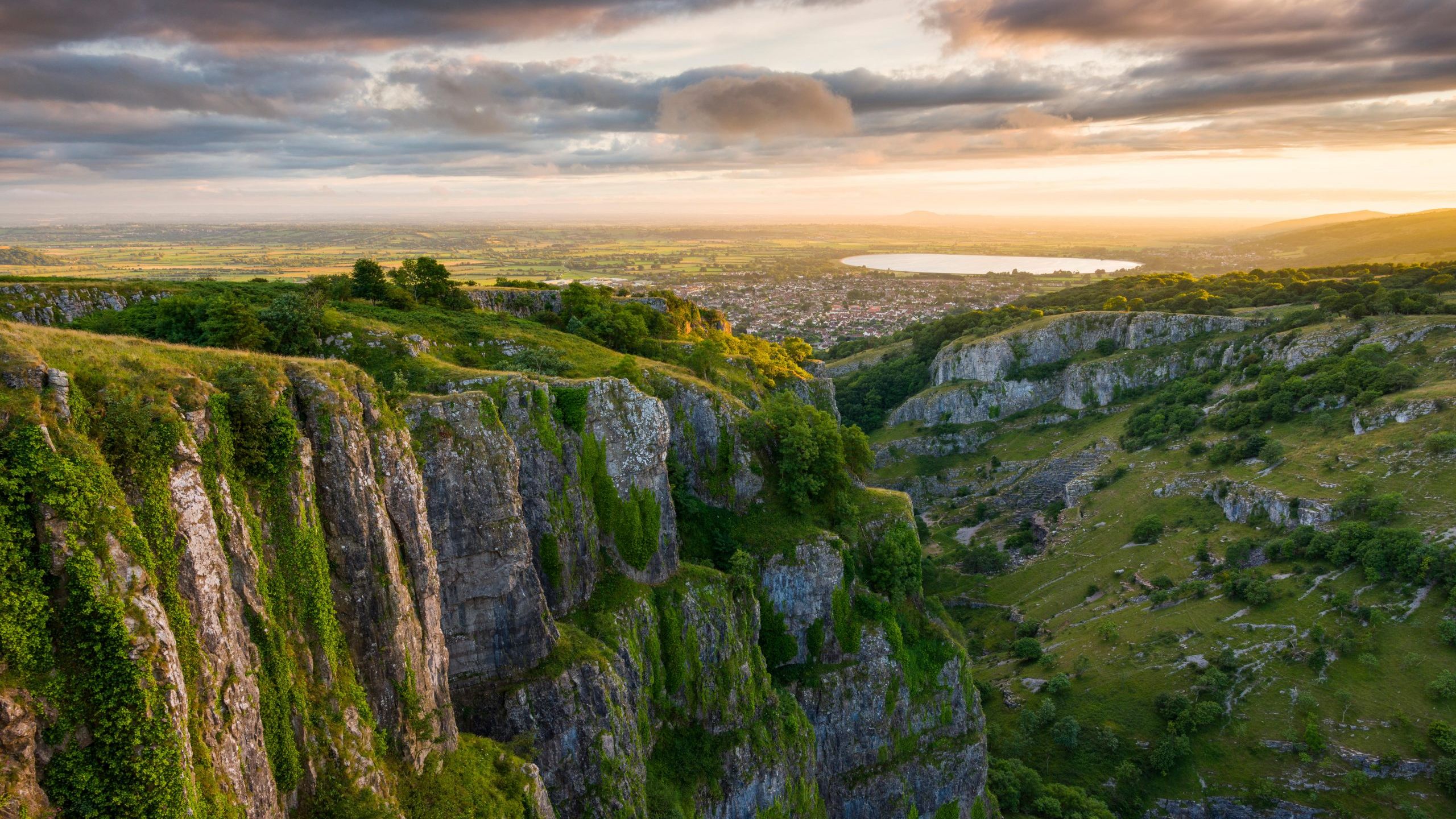
In Somerset, in southwest England, Cheddar Gorge is a limestone canyon up to 137 m (449 ft) deep, lined with cliffs and riddled with caves. Ordinary enough, seen from the road. Underground, it gets more interesting.
Tolkien himself named Gough’s Cave and Cox’s Cave here as the inspiration for the Glittering Caves of Helm’s Deep in The Two Towers, the shimmering caverns the dwarf Gimli can’t stop talking about. Gough’s Cave runs about 400 m into the rock, past large chambers full of stone formations.
5. Banff National Park, Canada
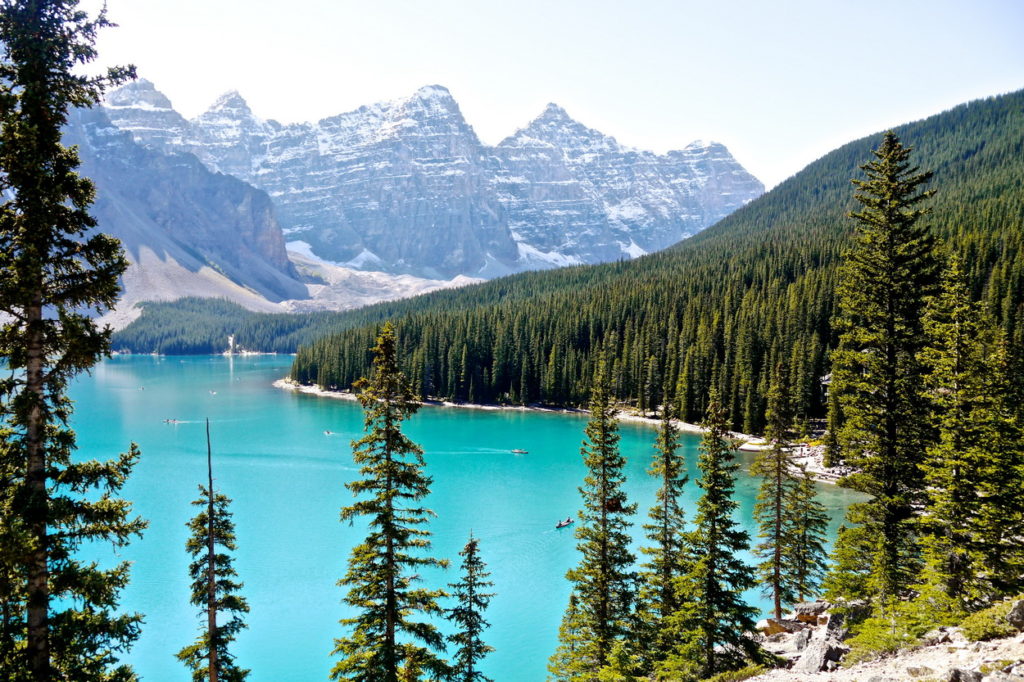
Founded in 1885 as Canada’s first national park, Banff sits in the Rocky Mountains of Alberta. Turquoise lakes, huge peaks, thick conifer forest.
It’s often compared to the enchanted woods of Tolkien’s world, Lothlórien in particular. That link is resemblance, not biography. Still, the lakes make a strong case: fine rock dust ground down by glaciers hangs in the water and turns it a startling blue. Stand on the shore. The landscape feels a little too perfect to be real.
6. Son Doong Cave, Vietnam
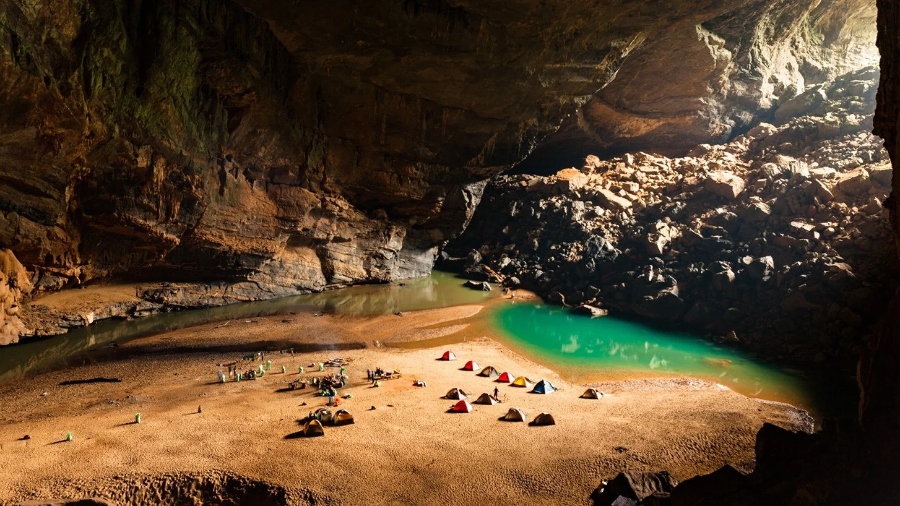
The largest known cave passage in the world by volume belongs to Son Doong, in Vietnam’s Phong Nha-Ke Bang National Park. The main passage runs over 5 km; for scale, Gough’s Cave at Cheddar runs about 400 m. It reaches about 200 m (656 ft) high. Where parts of the ceiling have collapsed, sunlight pours in and trees grow on the cave floor, so there’s a jungle underground, plus a fast-flowing river. It’s easy to imagine the vast dwarf halls of Tolkien’s stories here. The difference? This one is real, and it was only fully explored in 2009 and 2010. Remarkably late for something this big.
7. Wicklow Mountains, Ireland
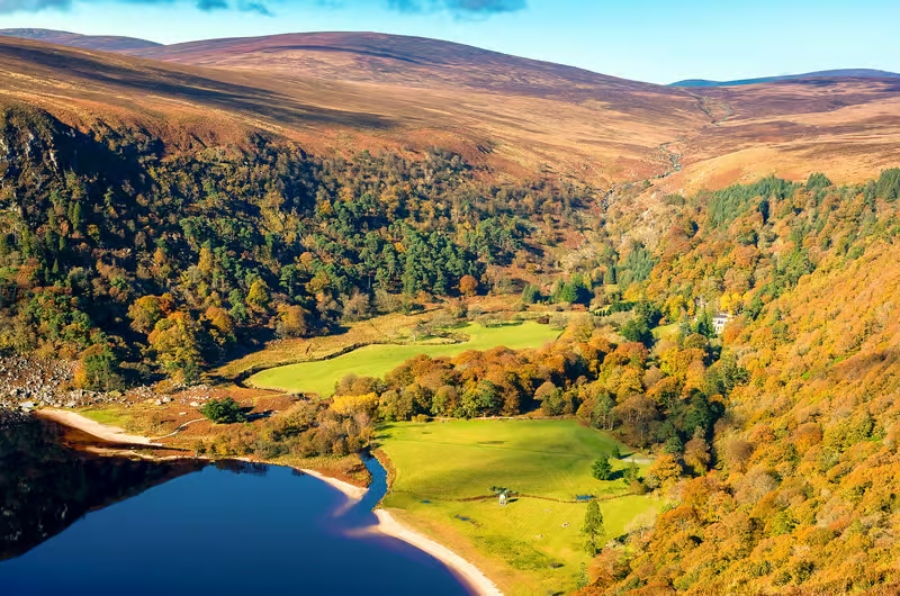
South of Dublin, the Wicklow Mountains are rolling green hills, misty ridges and thick woods, scattered with the stones of old monasteries. It looks like legend country. Many travelers say the region recalls the elven lands and ancient forests of Tolkien’s books. Hard to prove, easy to see. Glendalough Valley, with its still lakes and monastic ruins, has the quiet, timeless feel of Middle-earth’s more peaceful corners.
8. Swiss Alps
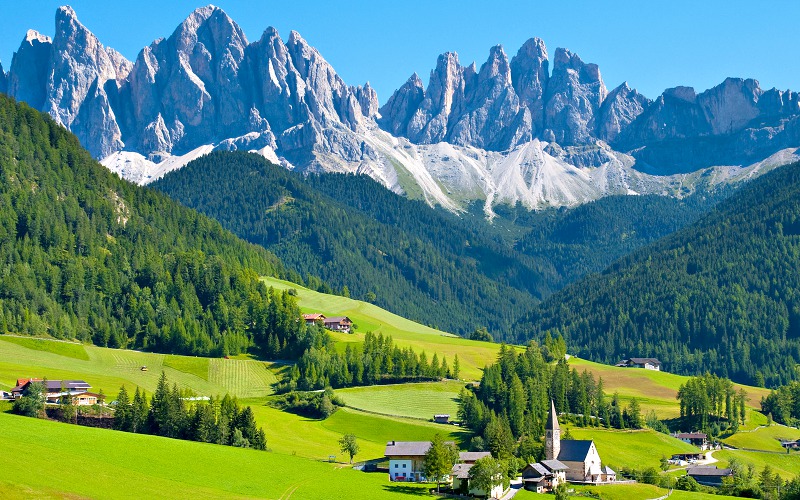
The list ends where it started.
Tolkien’s 1911 walking trip through the Swiss Alps left a lasting mark on him, and it’s widely seen as a key source for the great mountain scenes in his books. High summits, narrow passes and snowbound trails echo the Misty Mountains, a range whose character was partly inspired by those Swiss travels. Lauterbrunnen, back at number 1, was one stop on that same walk, so the valley and the summits above it fed the same imagination.
Sources: Wikipedia: Lauterbrunnen, Wikipedia: Cheddar Gorge, Wikipedia: Son Doong cave, Parks Canada: Banff National Park




Bir yanıt yazın