
10 UNESCO World Heritage Sites in Movies, From Dune to LOTR


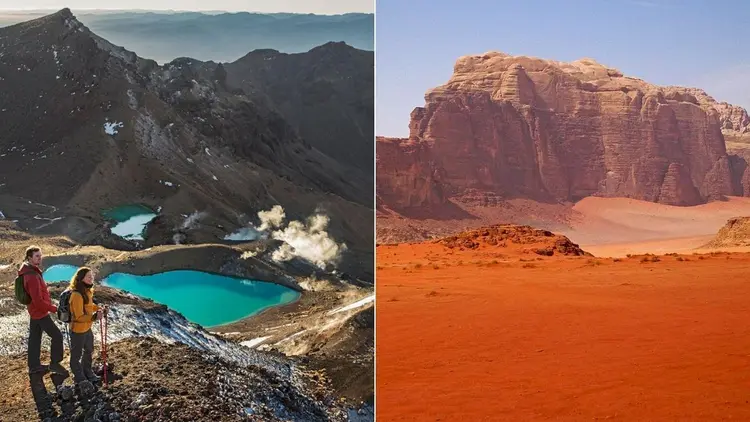
Some film scenes stay with you because of a line or a look, and others because of the place behind the actors: a desert horizon, a flamingo-pink lake, a medieval street at dusk. These 10 UNESCO World Heritage Sites in movies, from Out of Africa to Dune, are protected for their history and nature, yet millions of people first saw them on a screen. Here is where each one is, what was filmed there, and what a visitor finds today.
1. Kenya Lake System, Kenya: Out of Africa
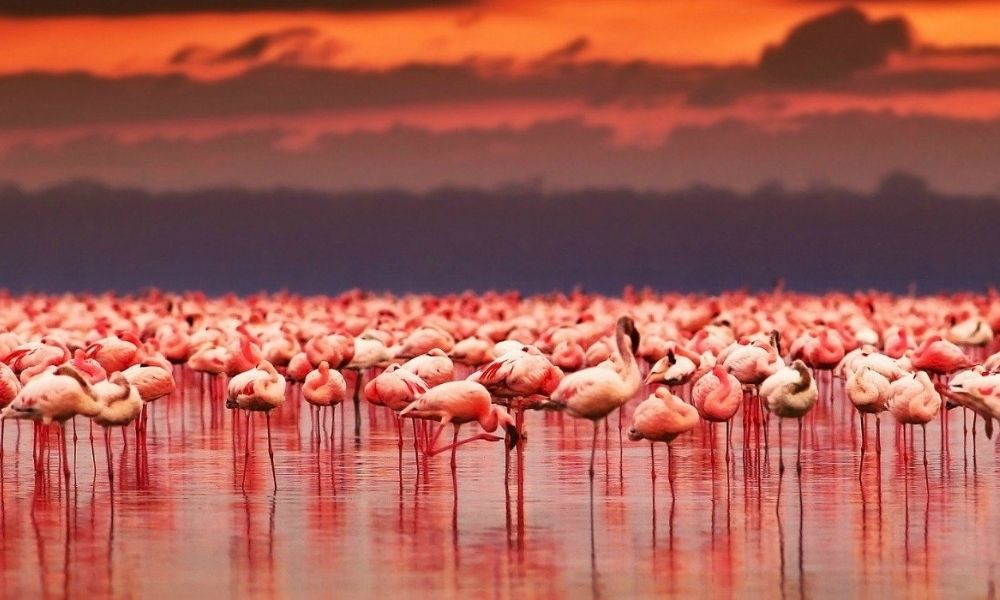
Sydney Pollack’s Out of Africa (1985) made Kenya’s wide horizons famous, and part of that scenery belongs to the Kenya Lake System in the Great Rift Valley. UNESCO listed it in 2011 for its three shallow alkaline lakes: Elementaita, Nakuru and Bogoria. The scene everyone remembers: Lake Nakuru. Robert Redford flies Meryl Streep in a Gipsy Moth biplane low over the water, and thousands of flamingos lift off beneath them.
The flamingos are still there. Watch the flocks along the shore, then take in the Rift Valley escarpment from above. Lodges around the lakes lean happily on the film’s colonial-era romance, so the Out of Africa mood is easy to find.
2. Tongariro National Park, New Zealand: The Lord of the Rings
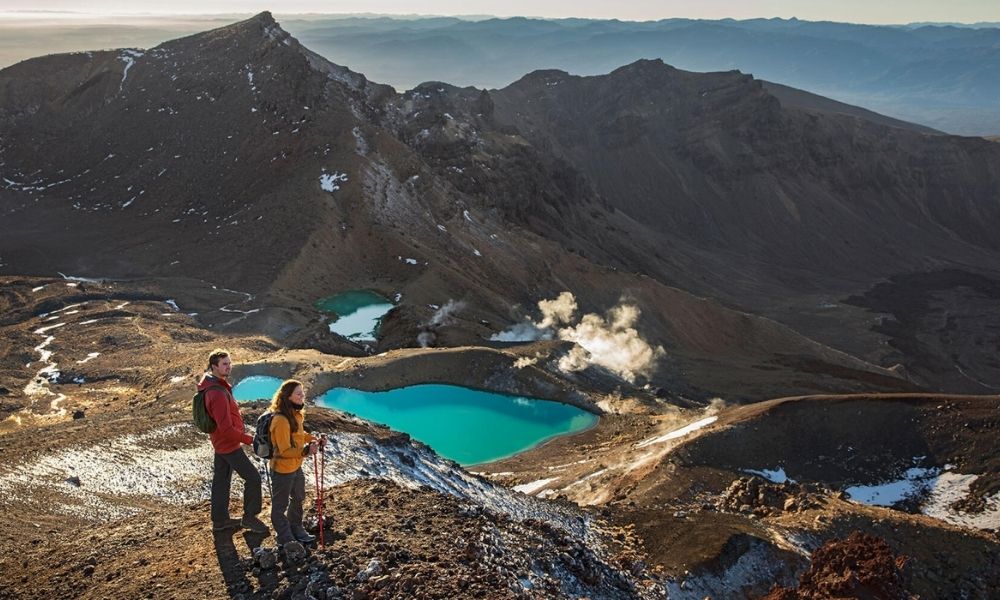
New Zealand’s scenery hardly needed help, but Peter Jackson’s Lord of the Rings trilogy turned the country into Middle-earth’s unofficial capital. The bleak, volcanic land of Mordor came largely from Tongariro National Park, with scenes shot on the slopes of Mount Ruapehu and its ski fields.
UNESCO listed the park for its nature in 1990 and added its cultural value in 1993, because the peaks are sacred to the local Māori. Mount Ngauruhoe played Mount Doom. Its summit, though, was never filmed, out of respect for that status. Gollum’s forbidden pool scene was shot at Tawhai Falls, near Whakapapa Village. For hikers, the Tongariro Alpine Crossing runs past steaming vents, old lava fields and crater lakes, and it’s often called one of the world’s best one-day walks. Winter (June to August) makes it a serious alpine trip, so most people aim for the southern summer, from December to February.
Check the crossing’s current booking rules first.
3. Historic Center of Rome, Italy: Roman Holiday
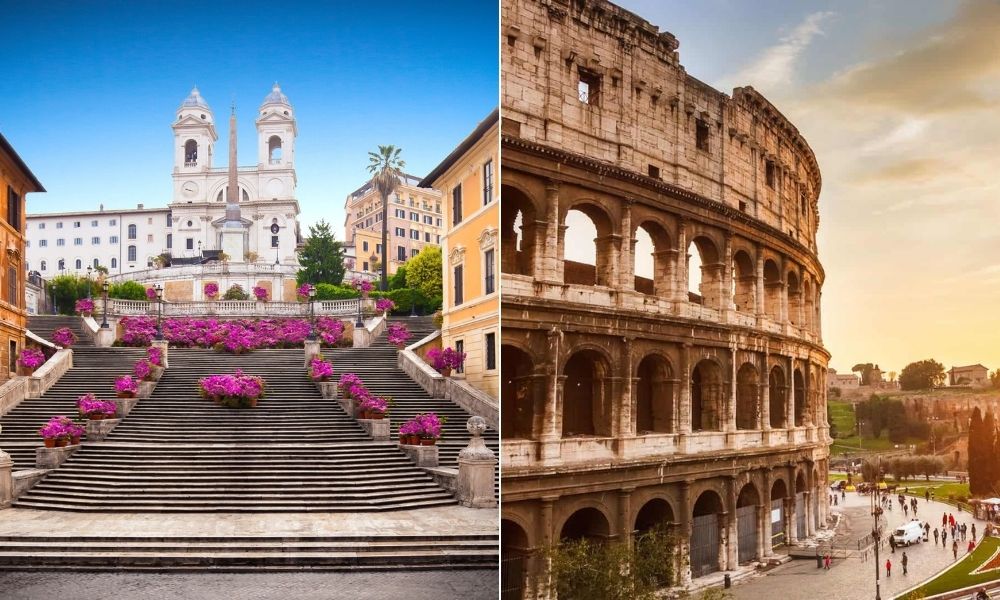
Audrey Hepburn’s grace and Gregory Peck’s charm made Roman Holiday (1953) more than a romance.
It’s a love letter to Rome. Princess Ann slips away from her royal duties and sees the city from the back of a Vespa, and the audience rides along: the Spanish Steps, the Trevi Fountain, the Colosseum and a string of side streets. All of them sit inside the Historic Center of Rome, which earned its World Heritage status in 1980. To recreate the film without elbowing through crowds, start early in the morning. Toss a coin into the Trevi Fountain, join one of the city’s Vespa tours, or just walk until the city wins you over.
4. Machu Picchu, Peru: The Motorcycle Diaries
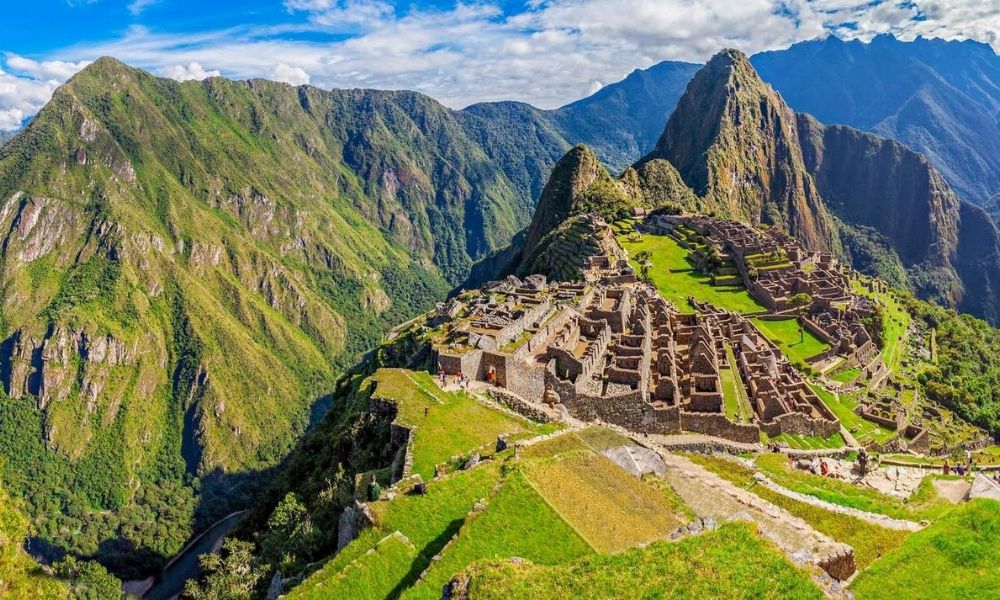
In The Motorcycle Diaries (2004), Gael García Bernal plays a young Che Guevara who finally reaches Machu Picchu, and the moment lands both visually and emotionally. UNESCO listed the Inca citadel in 1983, and it still greets visitors with the same drama.
The rules are stricter now. Walking the classic Inca Trail requires a permit booked in advance, and daily visitor numbers are capped to protect the site. Day trips by train from Cusco are possible. There’s no single right route, but for many visitors the trek remains the most rewarding way to arrive, and anyone after a quiet, almost meditative atmosphere will find it here.
5. Historic Center of Salzburg, Austria: The Sound of Music
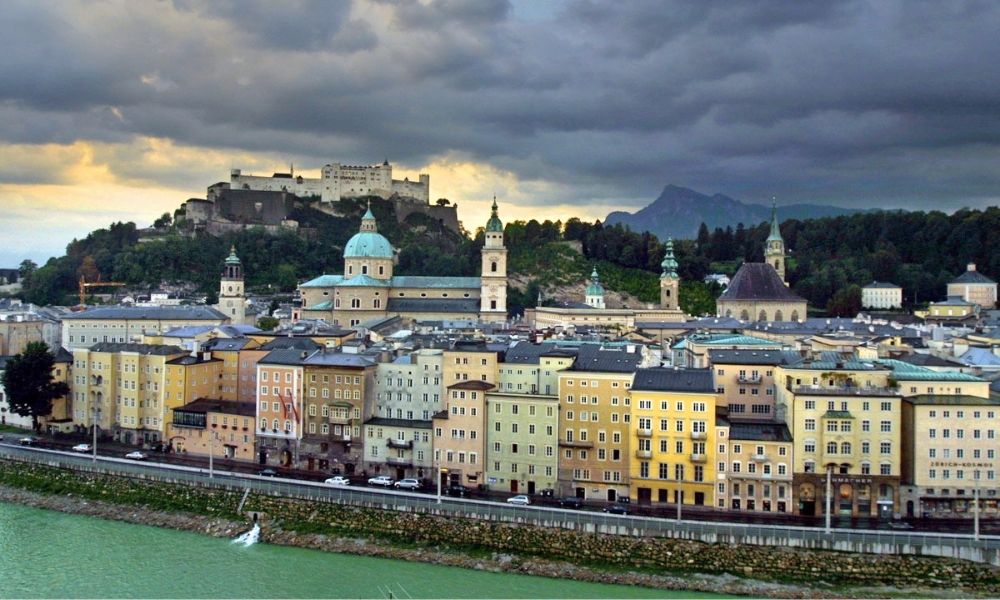
Julie Andrews spinning on a green mountaintop at the start of The Sound of Music (1965) is one of cinema’s most famous openings. Most people assume that hilltop is in Salzburg. It isn’t: the shot was filmed just over the border in Bavaria, Germany, but the rest of the von Trapp story leans heavily on Salzburg’s old town and surroundings.
Mirabell Palace Gardens, Nonnberg Abbey and Residenzplatz all appear in the film, and themed tours still visit them. But Salzburg is more than one musical. Mozart was born here. The historic center has been on the UNESCO list since 1996. Every summer the Salzburg Festival, where the real Trapp family singers once performed, runs from late July to the end of August. Whether you prefer singing in the Alps or sitting quietly through a classical concert, Salzburg covers both.
6. Medina of Marrakesh, Morocco: The Man Who Knew Too Much
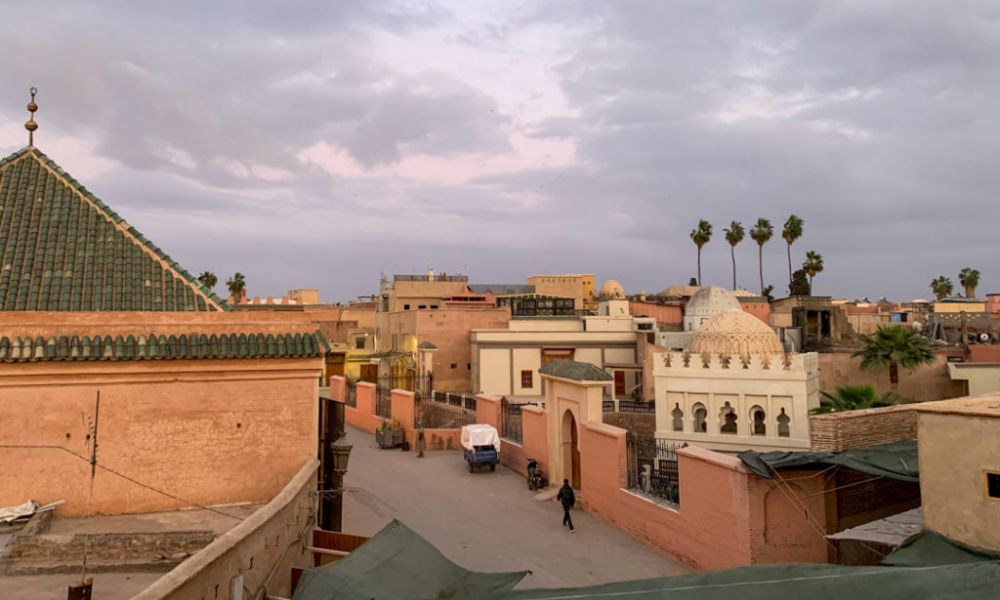
Remember the tangled, suspenseful scenes in Alfred Hitchcock’s The Man Who Knew Too Much (1956)? Many were shot in the old Medina of Marrakesh, on the UNESCO list since 1985, where a maze of narrow lanes and winding souks smells of saffron, mint, leather and, these days, scooter exhaust.
Then there’s Jemaa el-Fnaa square. With street performers, snake charmers and spice sellers on every side, it’s a show of its own. The La Mamounia hotel, another of the film’s locations, is famous both for its elegance and its place in movie history.
In summer, explore early in the morning or late in the afternoon, or the Marrakesh sun will do the exploring for you.
7. Hanseatic City of Lübeck, Germany: Nosferatu
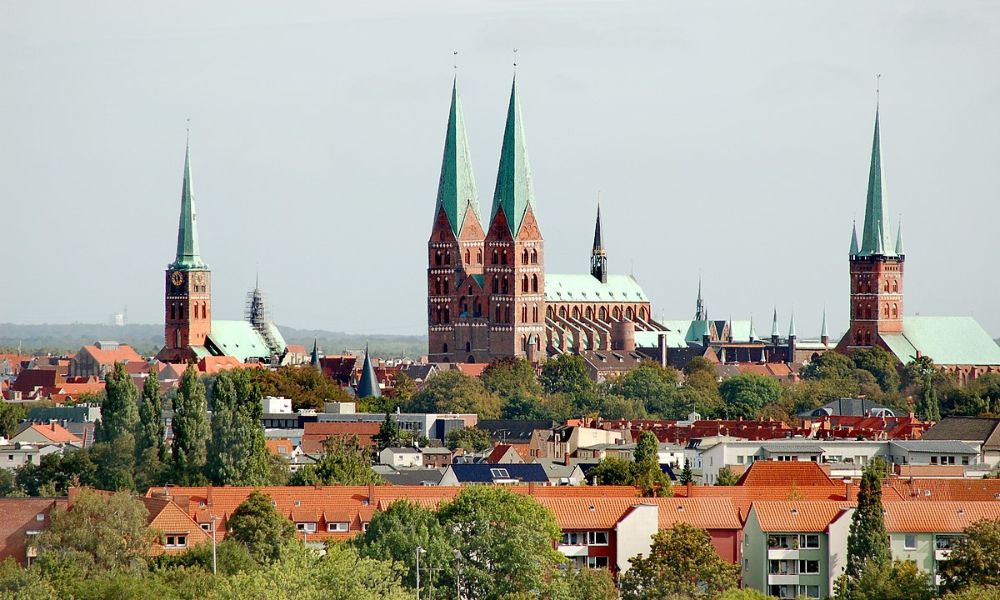
F.W. Murnau’s silent horror classic Nosferatu (1922) was partly filmed in Lübeck, on Germany’s Baltic coast, a city founded in 1143 that went on to lead the Hanseatic League, the medieval trading network of northern Europe. Its old town has been a World Heritage Site since 1987. Remarkably little has changed. The brick Gothic churches, narrow lanes and old salt warehouses (Salzspeicher) seen in the film are still there.
A local walking-tour guide quoted by National Geographic put it neatly: the streets look idyllic by day, then turn creepy once the light changes.
Film fans have another reason to come in November, when the Nordic Film Days Lübeck festival takes over the town.
8. Wadi Rum, Jordan: Dune
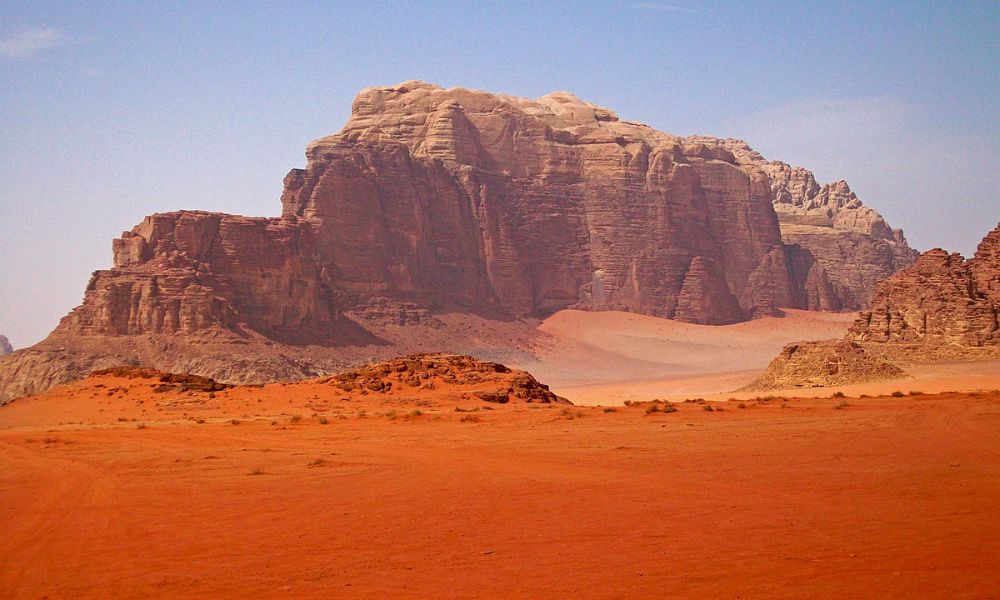
Another planet, or one of the most striking places on this one? Both, really. Jordan’s Wadi Rum has played host to Dune and The Martian, but it first won global fame with Lawrence of Arabia (1962), in which Peter O’Toole’s Lawrence crosses the desert with Auda Abu Tayi, played by Anthony Quinn. UNESCO lists it as a mixed site, for both its natural and cultural value.
The real T.E. Lawrence passed through this region during World War I. Today Bedouin hosts welcome visitors with traditional meals and nights in desert camps under the stars, and guided tours reach the best-known filming spots.
9. Angkor Archaeological Park, Cambodia: Lara Croft: Tomb Raider
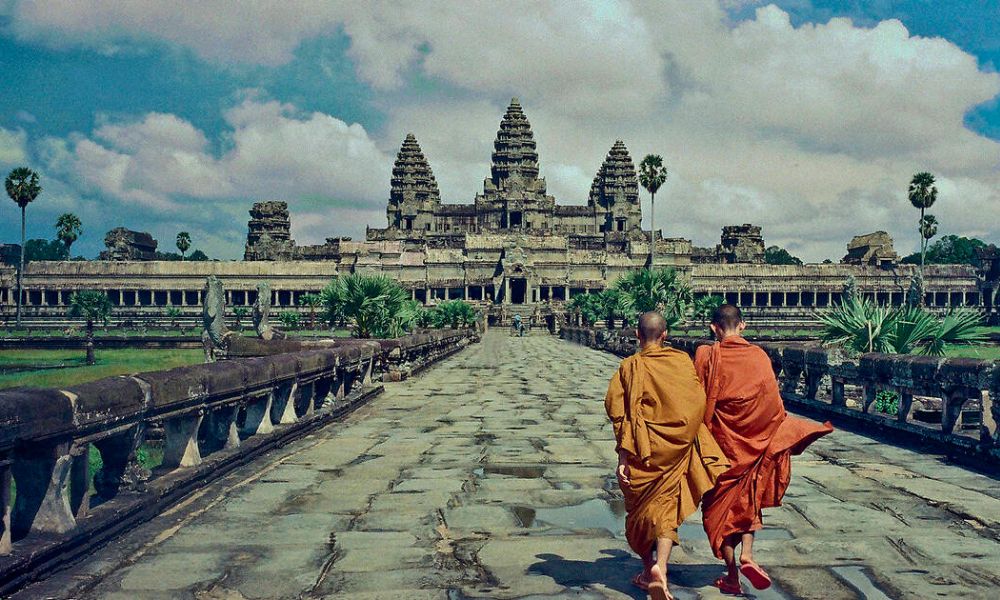
When Angelina Jolie’s Lara Croft ran through the root-choked ruins of Ta Prohm in Lara Croft: Tomb Raider (2001), plenty of viewers quietly added Cambodia to their travel list. The temple stands in the Angkor Archaeological Park, listed by UNESCO in 1992.
The park preserves the temples of the Khmer Empire, which ruled between the 9th and 15th centuries. Ta Prohm is one of the stars. Hundreds of other temples are spread across the site, though, and some are as thrilling as any action film. Where Ta Prohm feels wild and overgrown, nearby Angkor Wat is all symmetry and order, which makes visiting both on the same day a lesson in contrasts. Set out early, before the heat builds. A multi-day pass lets you reach the quieter temples that most day-trippers miss, and a cool drink at the Elephant Bar of the Raffles Grand Hotel d’Angkor in Siem Reap makes a classic finish.
10. Historic Center of Mexico City, Mexico: Spectre
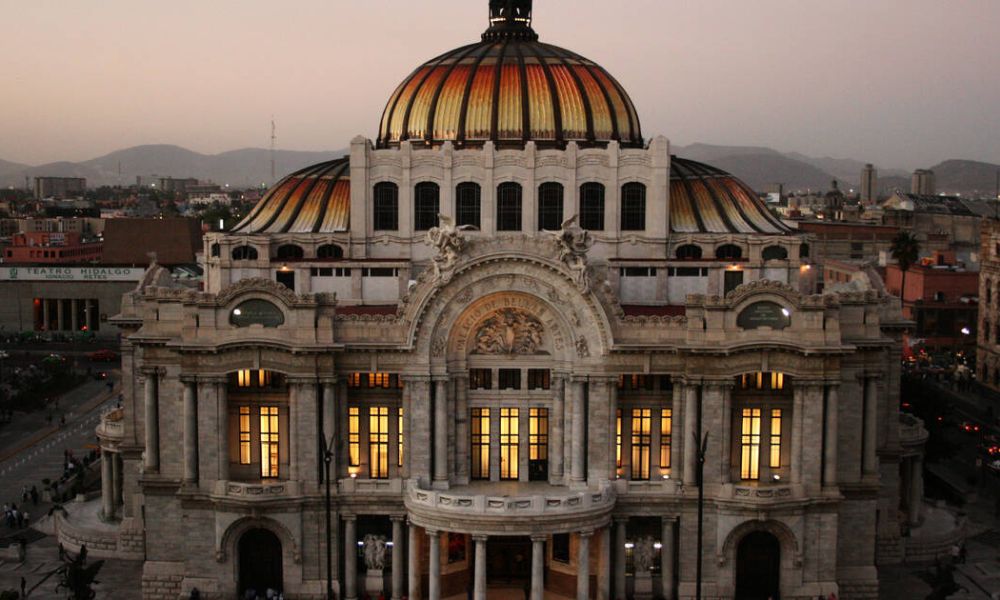
Spectre (2015) opens with Daniel Craig’s James Bond gliding through a Day of the Dead celebration in Mexico City, all giant skeleton costumes and dancing crowds. The sequence was filmed in and around the Zócalo, in the historic center that UNESCO listed in 1987.
The Zócalo, Room 327 of the Gran Hotel Ciudad de México and the Torre Latinoamericana skyscraper all feature in Bond’s chase. The twist? Mexico City had no Day of the Dead parade like the one in the film. In 2016, inspired by Spectre, the authorities launched a real one, and it has become an annual event that draws huge crowds. Every other site on this list was famous before the cameras arrived; here the order flipped, and the film came first.
Sources: National Geographic, Wikipedia: Tongariro National Park, Wikipedia: Spectre (2015 film)

Bir yanıt yazın