
10 Weird Travel Superstitions Around the World


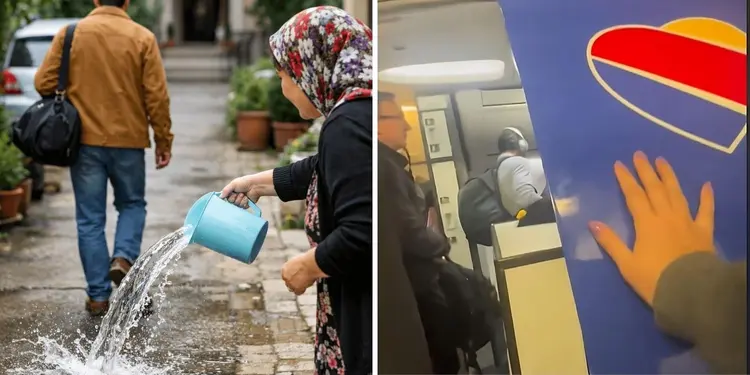
Passport, ticket, suitcase: the pre-trip check is the same everywhere. In some cultures, getting ready goes much further, with garlic tucked into the luggage, water splashed behind the traveler and a minute of silence before the door closes. Some of these travel superstitions keep bad luck away, some keep the trip smooth, and some are meant to bring the traveler home safely.
1. Packing garlic in the suitcase
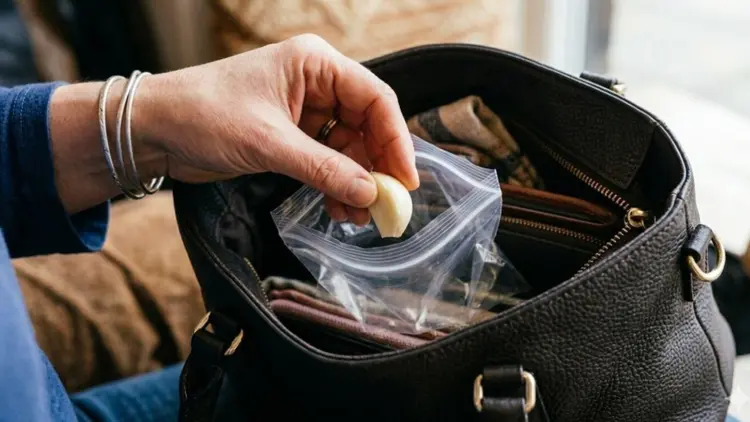
A single clove of garlic, packed in the suitcase. In Bosnia and Herzegovina, it is said to protect a traveler from bad luck and ill will, and garlic has long served as a protective charm in the region’s folk culture, closely tied to warding off the evil eye.
So no, it is not just for dinner. Treated as a small lucky charm, it is even said by some to help at border crossings, a claim that is much harder to vouch for.
2. Sitting quietly before leaving
Before a journey, many Slavic cultures keep an old custom of sitting in silence, and Ukraine is often named among them. Family members gather before departure and sit for about a minute. No one speaks. Folk explanations include stopping the spirit of the house from following the travelers, though the practical reading is just as convincing: a short pause lets everyone calm down, run through the luggage one last time and get their head into the trip.
3. Sitting on the suitcase
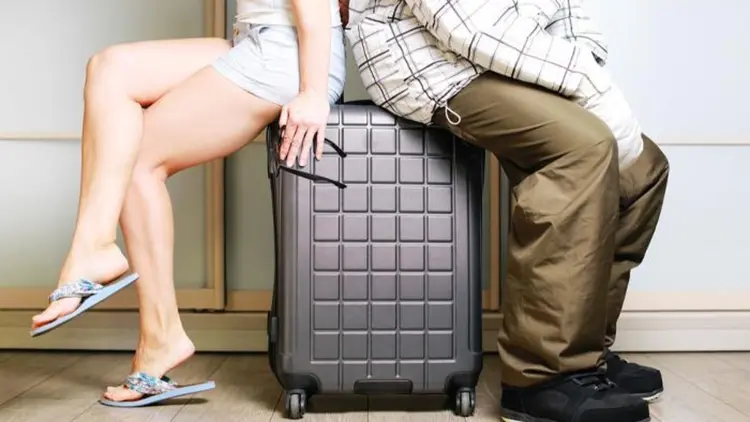
Russia has its own version. Sitting for a minute or two before setting off is believed to bring a safe journey, and the ritual is often described as perching on the packed suitcases or waiting quietly beside them. Truth is, those few minutes make sense today too: a last chance to check whether anything was forgotten.
Superstition and practical habit have blended over time.
4. Pouring water behind the traveler
In Türkiye, water is poured behind someone who is leaving so that the journey flows as easily as the water does, and the custom is not Turkish alone, with similar versions found in Serbia, the wider Balkans and parts of the Middle East. The symbolism, at least, is the same everywhere. Water stands for ease and a smooth path.
5. Carrying a frog in Japan
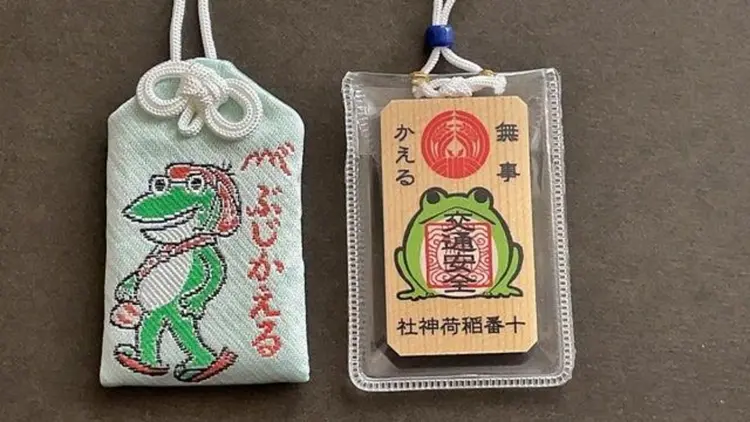
Japan’s entry may be the cutest. In Japanese, the word kaeru means both “frog” and “to return,” so frog figures and charms are linked with a safe trip and a safe return home, and WAttention lists a frog omamori made specifically for coming back. Travelers sometimes carry one for luck.
6. Skipping seat row 13 on a plane
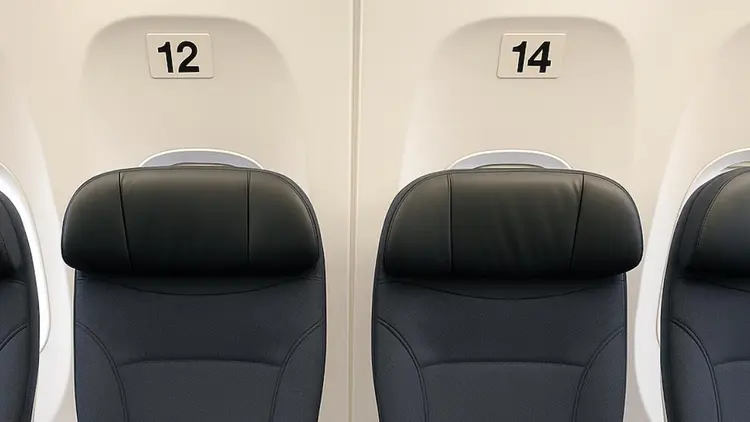
For some flyers, the seat number matters more than the departure time. Because 13 is considered unlucky in much of the Western world, some airlines skip row 13 entirely and jump straight from row 12 to 14, sparing anxious passengers a number they would rather avoid. Policies vary by airline and even by aircraft. Many passengers notice only when the numbering skips a beat halfway down the aisle.
7. Avoiding the number 17 in Italy
Italy fears a different number: 17. Written in Roman numerals it becomes XVII, and rearranging the letters gives VIXI, Latin for “I have lived,” which carries a sense of death. For that reason some airlines leave out row 17 as well as 13, and The Points Guy reports that Lufthansa skips row 17 because of that belief in countries such as Italy and Brazil.
Two superstitions, one aircraft: a curious bit of seat-map math.
8. Not sweeping after someone leaves
In Bulgaria, sweeping the floor right after a family member leaves on a trip is believed to bring bad luck, because the broom might sweep away the traveler’s good luck or even their way back. Good news for anyone who hates chores: the cleaning can wait. It is the mirror image of the water poured in item 4—the same old Balkan wish for an open road and a safe return, one custom helping the path along, the other leaving it untouched.
9. Touching the plane before boarding
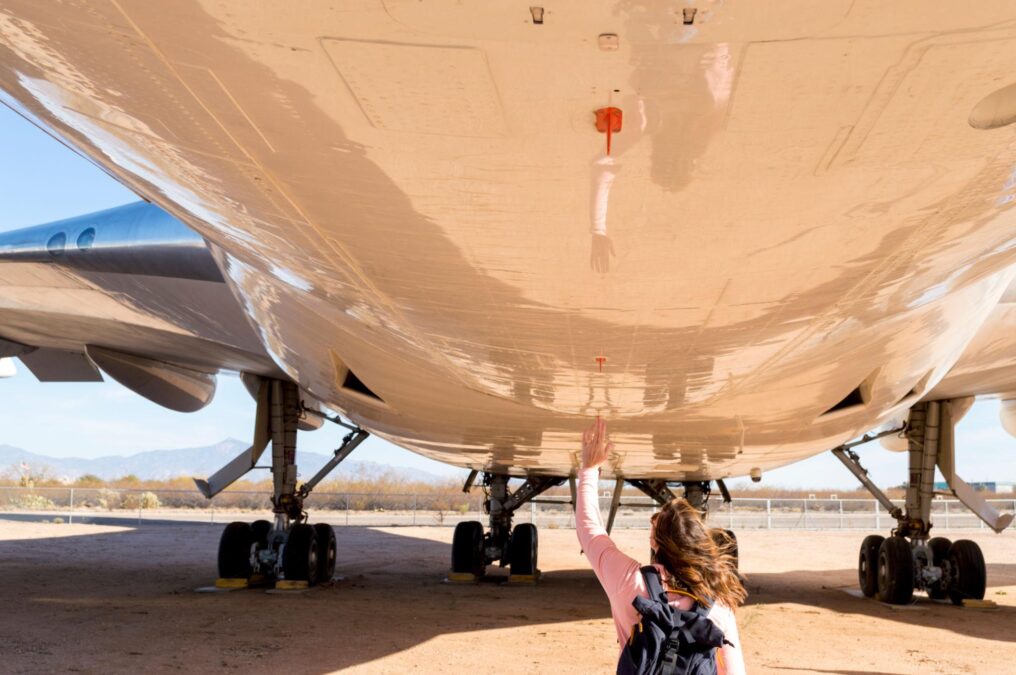
Some passengers pat the outside of the aircraft as they board.
Pointless? To an onlooker, maybe. For them, though, it is a personal ritual that nudges the flight toward a safe landing and helps nervous flyers feel grounded, much like other pre-flight habits such as carrying a lucky object or avoiding certain days to set off.
10. Avoiding Friday departures
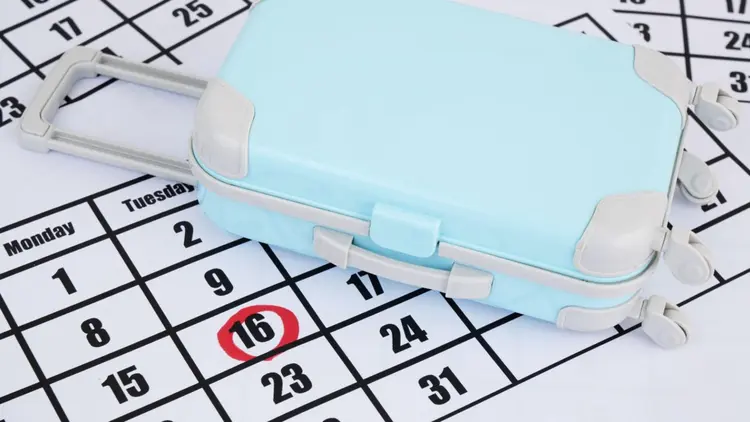
Friday has a poor reputation. The idea that it is unlucky has long lived in Western cultures, often linked to Christian tradition and to old sailors’ tales, so some people avoid starting an important trip that day. To be blunt, no scientific evidence shows a Friday departure is any riskier. The belief shapes how some people pick their dates anyway.
Sources: Mental Floss, Strange Travel Superstitions, WAttention, 5 Odd Omamori, The Points Guy, Why Airplanes Don’t Have a 13th Row

















Bir yanıt yazın