
12 Good Luck Traditions Around the World


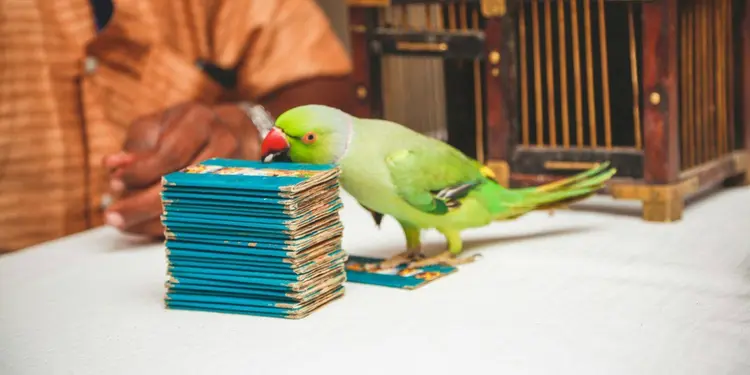
People have always liked pulling meaning out of a random object: a slip inside a cookie, a card picked by a bird, a paper drawn at a temple. Good luck traditions around the world turn that urge into small games and rituals, and many still live on as both tourist fun and everyday habit. The shared idea is simple: a chance pick can carry a little hope.
1. Fortune cookie
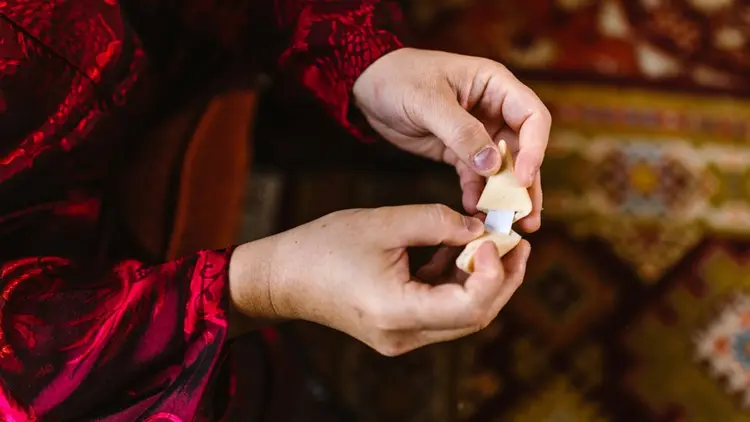
Most people assume fortune cookies are Chinese. They probably aren’t: the cookies are tied to Chinese restaurants in the United States, yet their roots most likely lie with Japanese immigrants in California. Crack one open. The slip inside usually holds a short piece of advice, a love message or a “lucky” line.
Few pocket-size fortune-telling objects in the world are as popular.
2. Wish rabbit (niyet tavşanı)

Souvenir shops and festivals in Türkiye often feature the wish rabbit, called niyet tavşanı. Visitors draw a random message from a drawer or box, sometimes a motivational one-liner, sometimes a small note about fate. The logic matches the fortune cookie. Pick blindly, then read the result as a sign.
3. Parrot fortune-telling (India)
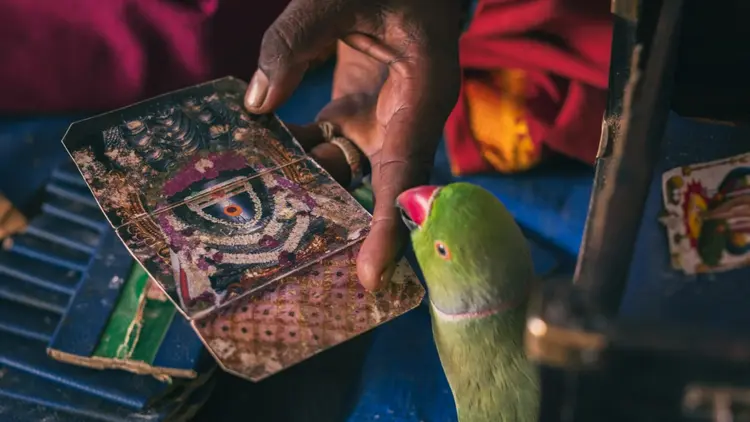
In India, a trained parrot picks one card from a deck, and the fortune-teller reads the future from whichever card the bird chooses. The bird decides. It is often named among the most iconic street fortune-telling traditions of South Asia.
4. Omikuji (Japan)
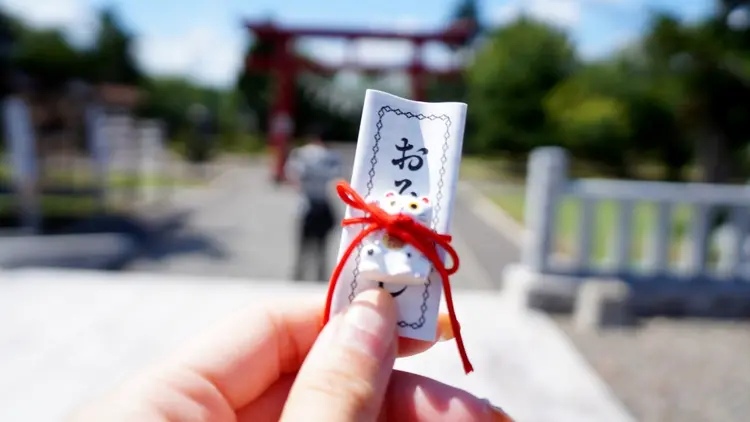
At Shinto shrines and Buddhist temples across Japan, visitors draw omikuji, paper fortunes that cover overall luck, love, health, work and travel. They usually cost about ¥100-200 (roughly $1). Results run from dai-kichi (excellent luck) all the way down to kyo (the worst), so yes, a shrine can hand out bad news. A bad fortune is tied to a designated spot in the grounds, often a string or rack, so the bad luck stays behind; a good one is normally taken home. That is why the racks at busy shrines tend to fill up with knotted paper.
5. Matryoshka messages
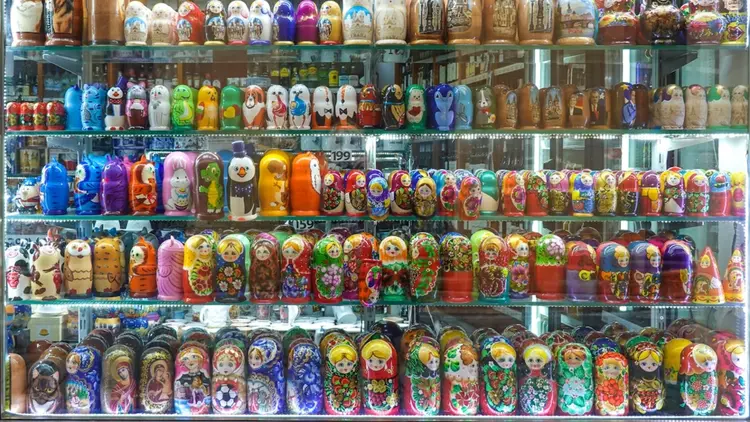
Some modern versions of Russian matryoshka dolls hide a small note or message inside each doll. A traditional fortune system? Not really. The layer-by-layer reveal makes it a playful modern take on luck and messages.
6. Budgie fortunes (Iran and Afghanistan)
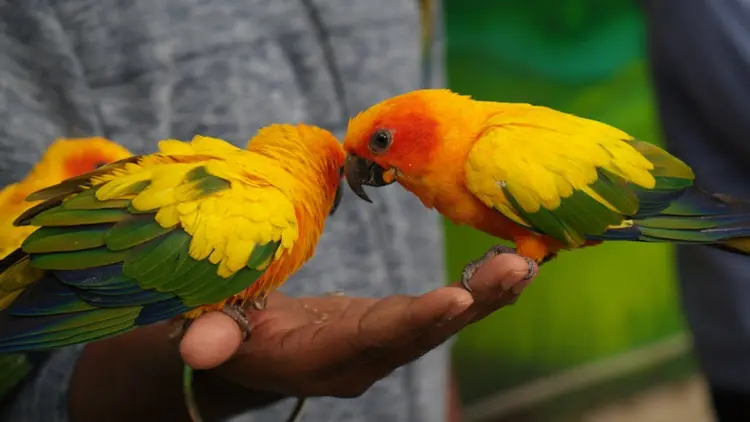
In some traditional street fortune-telling in Iran and Afghanistan, small birds such as budgies pick a card from a pile. The card carries a poem, a piece of advice or a short comment about the future. The practice itself is hard to date, but it is linked to old bazaar culture.
7. Vasilopita and king cake
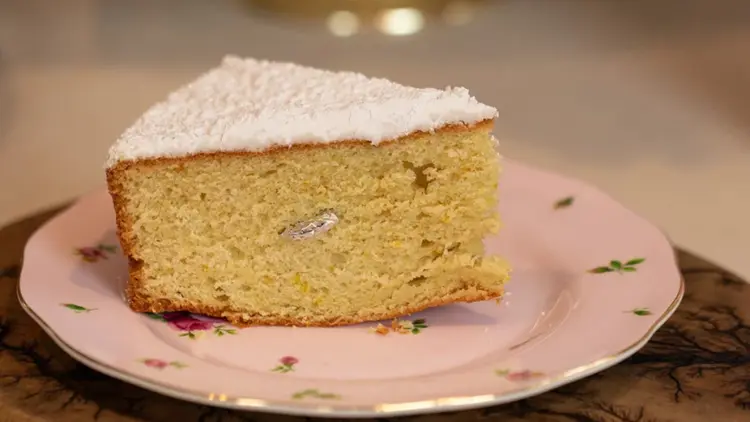
In Greece’s vasilopita and in France’s king cake (gâteau des rois), a coin or a small figure is baked into the cake. Whoever finds it in their slice is said to have good luck for the year.
Researchers have even linked the hidden-coin habit to the king cake’s hidden bean. Cousins, perhaps.
8. Wishbone pulling
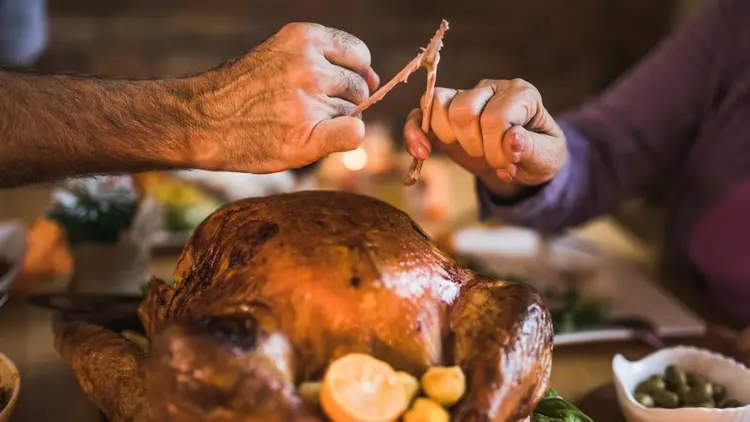
Two people each hold one end of a turkey or chicken wishbone and pull. Snap. The person left with the larger piece is supposed to get their wish.
A very similar game exists in Türkiye, where it is called lades.
9. Molybdomancy (Germany and Austria)
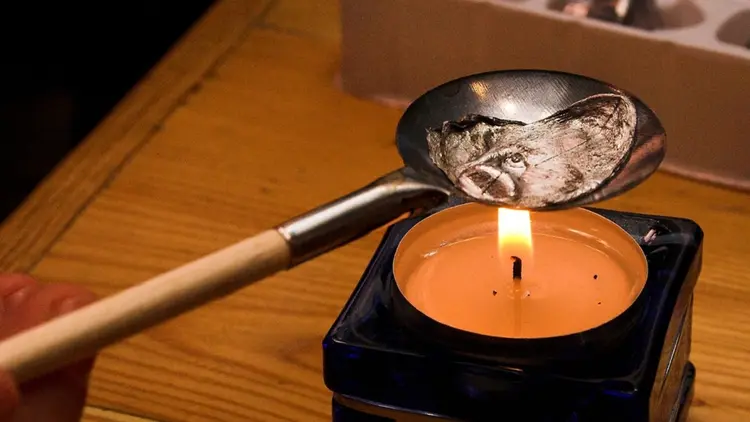
On New Year’s Eve in Germany and Austria, small pieces of metal are melted over a flame and poured into water, and the shape that hardens is read as a hint about the coming year. The classic version used lead (Bleigießen, “lead pouring”), but since EU restrictions in 2018 most kits use tin. Türkiye has a close counterpart in kurşun dökme.
10. Chinese fortune sticks (kau cim)
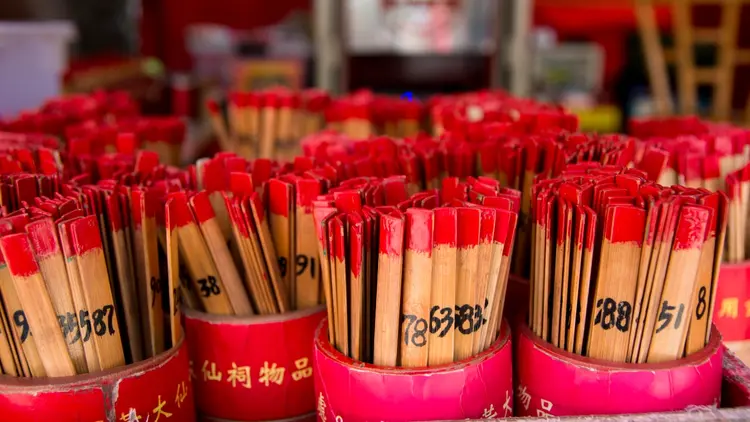
In kau cim, a person kneels, asks a question and shakes a canister of numbered sticks until one falls out. One stick, one number. That number matches one of 100 written oracles, read by a temple helper or the visitor. Omikuji hands over the answer on the paper itself; here the stick is only a pointer to a written text. It is especially common in temple culture in Hong Kong, where Wong Tai Sin Temple is the best-known place to try it, and in Taiwan.
11. Message mochi and wagashi
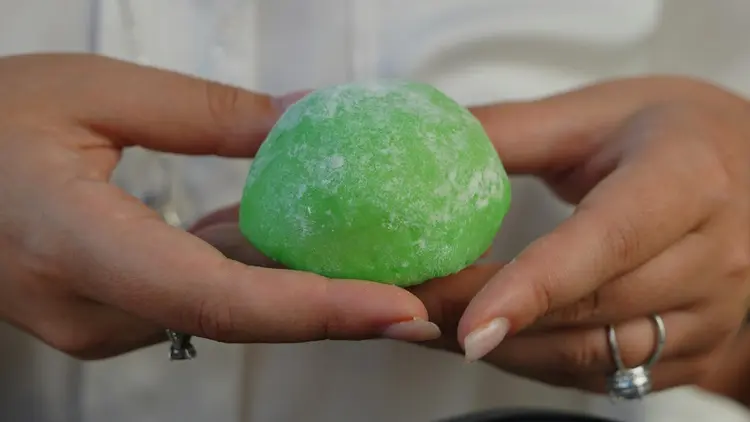
Here’s a sweeter version. Some special Japanese sweets come with a small wish note or message. They are far less common than fortune cookies. Gift and festival culture, though, likes the idea of pairing a treat with a little message.
12. Bacanje graha, the bean oracle (Balkans)

In Bosnia and Herzegovina and elsewhere in the Balkans, beans are thrown onto a surface and the fortune-teller reads the pattern they form. It is counted among the old folk divination customs still remembered in the region. Same principle as the parrot’s card, only with beans: chance sets the pattern, someone reads it.
Sources: Fortune cookie, Japan National Tourism Organization, Omikuji, Molybdomancy




















Bir yanıt yazın