
The 10 Scariest Hiking Trails in the World


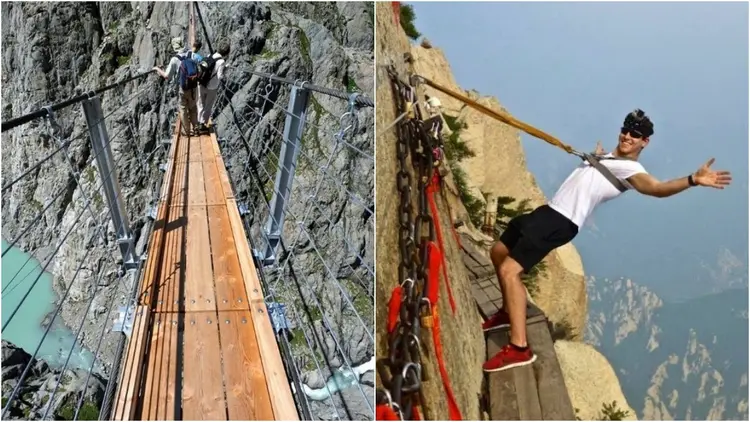
Most people hike to unwind: shady trees, birdsong, a gentle path. The scariest hiking trails in the world offer something else, from toxic gas and lava to cliff ledges barely wider than a foot. Here are 10 routes where the view comes with a serious dose of adrenaline, plus a few that are better admired from a distance.
1. Mount Ijen, East Java, Indonesia
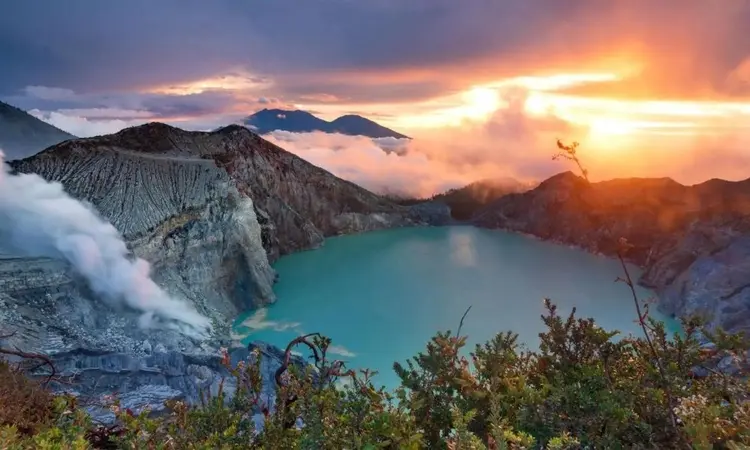
A turquoise lake fills the crater of Mount Ijen. Nobody should swim in it. Regarded as the largest highly acidic crater lake in the world, with a pH that has been measured below 0.5, it shares the crater with cracks that leak sulfur gas, which burns with electric-blue flames when it ignites at night. The bottom line is simple: the air is toxic. Gas masks are essential, and while the trail itself is not technically hard, a guide is strongly recommended.
2. Trift Glacier Trail, Gadmen, Switzerland
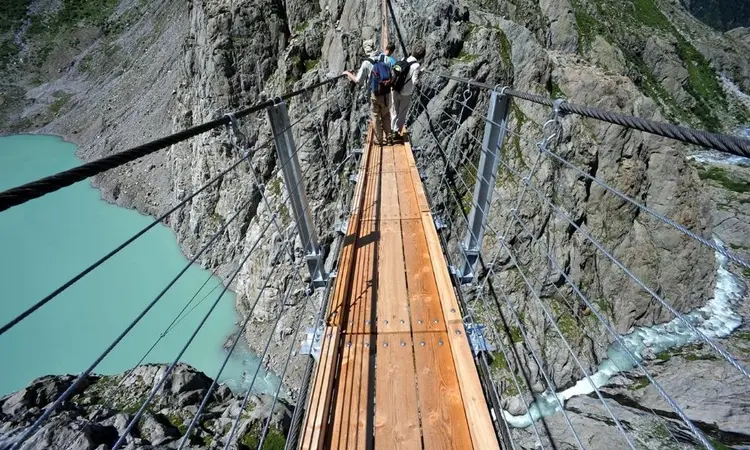
Anyone afraid of heights should skip the Trift Glacier in the Swiss Alps. Here, hikers cross a suspension bridge about 170 m (558 ft) long and 100 m (328 ft) high, strung across open air above a lake that formed as the glacier melted, with only cables and planks in between. Is it safe? It is solidly built. It does not always look it.
The walk takes around two hours after the cable car ride up, and the cable car runs only in the warmer months.
3. Mount Hua Trail, Huayin, China
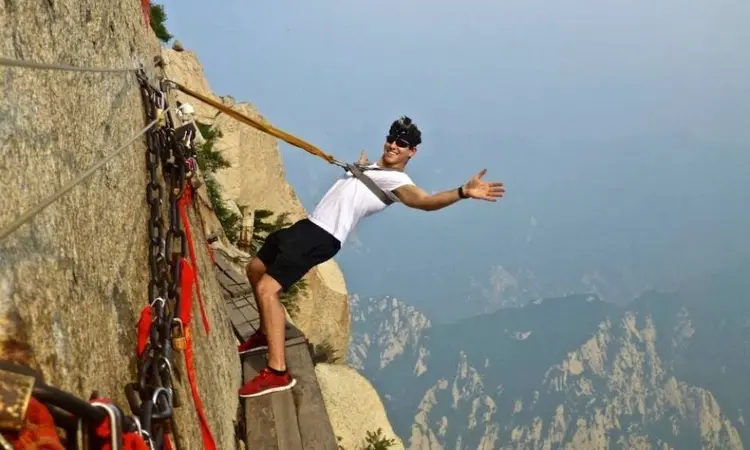
The plank walk on Mount Hua is regularly named among the most dangerous trails on Earth. It sits near the South Peak, about 2,154 m (7,070 ft) up. There are no railings. Walkers shuffle along wooden boards fastened to a cliff face, on planks not much wider than a foot, while a mandatory safety harness clipped to an iron chain is the only thing between them and the drop. Then comes the catch: the path dead-ends at a temple, so the same planks have to be crossed again on the way back. Few hikers think much about the return until they are standing at the end of a one-way ledge.
4. Doll’s Head Trail, Atlanta, Georgia

Constitution Lakes Park in Atlanta is a pleasant area of woods and water. Until the doll heads appear. Along this 4 km (2.5-mile) trail, dolls’ heads and other discarded objects are arranged as folk art by Joel Slaton, who began the displays in 2011, and visitors are welcome to add their own arrangements as long as they use only items found in the park.
Nothing here can hurt you. The effect is still deeply creepy.
5. Aokigahara Forest, Japan
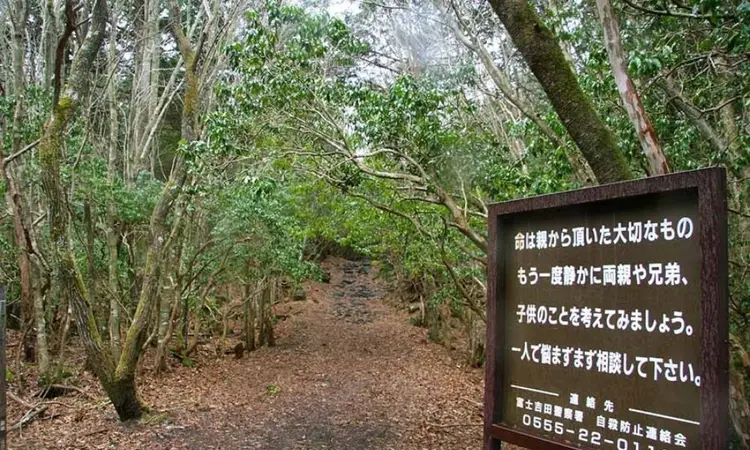
Aokigahara sits at the foot of Mount Fuji. It is a dense forest on old lava flows with a sad reputation as a place where people take their own lives, and signs along the trails encourage anyone in distress to seek help. The ground contains magnetic iron, which is said to interfere with compasses, phones and GPS, although how strongly is hard to pin down. Folklore calls the forest haunted. Visitors who go should treat the place with respect and stay on marked paths.
6. Angels Landing, Zion National Park, Utah
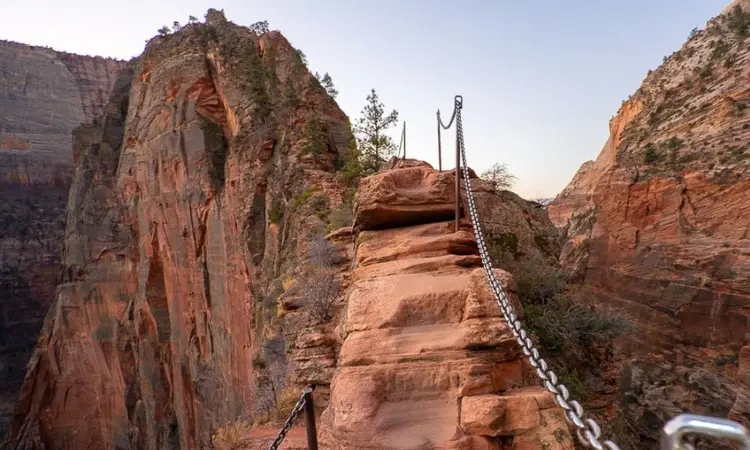
Angels Landing is one of the most popular hikes in Zion National Park. The surprising part: it is also among the deadliest, with at least 18 deaths reported as of 2025.
The final 800 m (half-mile) follows a narrow ridge with sheer drops on both sides, where chains bolted to the rock are the only support and, since 2022, a permit has been required for anyone continuing beyond Scout Lookout. Skip it if heights scare you.
7. Mount Nyiragongo, Virunga National Park, DR Congo
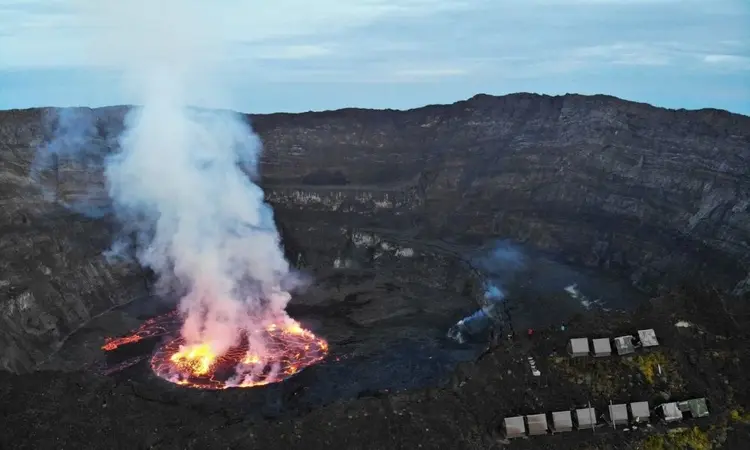
Nyiragongo is a notoriously dangerous active volcano. Its summit, at 3,470 m (11,385 ft), holds a lava lake inside a crater roughly 2 km wide. Eruptions every few decades have caused heavy damage in the nearby city of Goma, most recently in May 2021. The glowing lava is the draw. Its look changes daily. Access is another matter: armed conflict in the region has affected visits, so anyone considering the climb should check current government travel advice, and the situation on the ground, well before planning anything.
8. Darién Gap, Colombia-Panama Border
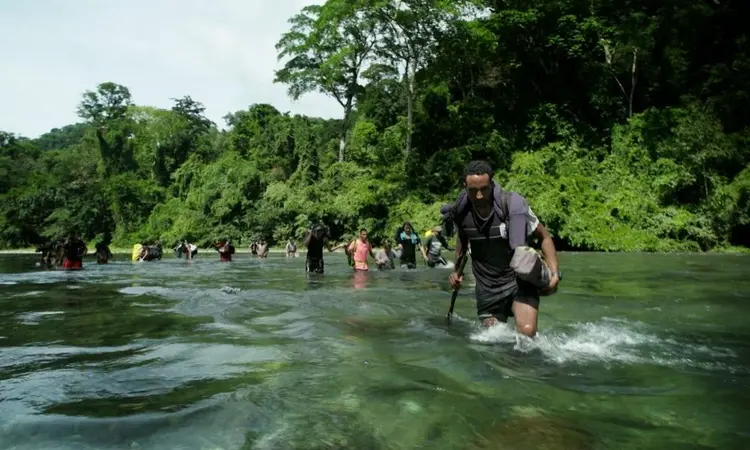
The Darién Gap is the only break in the Pan-American Highway: a roughly 106 km (66-mile) stretch of rainforest, swamp and mountain. Disease-carrying insects, venomous snakes, flash floods and criminal groups make it hazardous. There is no cell service. Emergency care is absent too.
Today it is better known as a migration route than as a hiking trail, with hundreds of thousands of people crossing it in recent years despite every one of the hazards listed above. For travelers, it is a place to read about. Not to hike.
9. Abuna Yemata Guh, East Tigray, Ethiopia
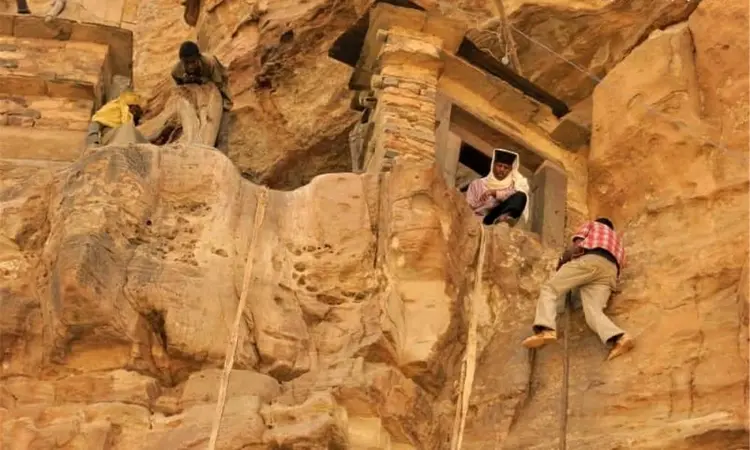
Ethiopia has many rock-hewn churches. Abuna Yemata Guh, at about 2,580 m (8,460 ft), is among the most spectacular. After a hike through the valley, visitors scramble up a cliff face using hand and footholds, with no safety gear, and then cross a natural stone bridge with a drop of about 250 m (820 ft) on either side. Shoes come off. The ground is holy, so climbers go barefoot, and local priests say no one has died on the climb. Check current security conditions in the region before going.
10. Caminito del Rey, Málaga, Spain
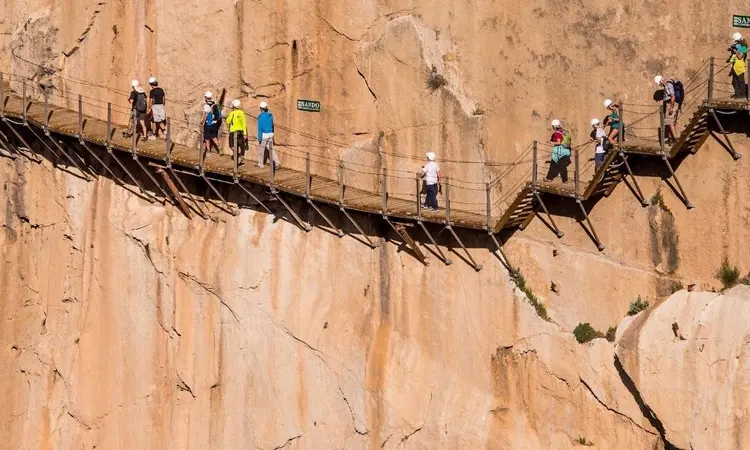
Caminito del Rey was once a narrow concrete ledge. It crumbled. Over the years, what was left became a stepping-stone route over a gorge, and five deaths in 1999 and 2000 led authorities to close it.
Then came the rebuild. A new wooden walkway with guardrails reopened on March 29, 2015, and its fearsome reputation is now largely out of date: the 2.9 km (1.8-mile) route still runs more than 100 m (328 ft) above the river, but it is a much safer outing than the ledge it replaced. Set it beside Mount Hua and the contrast is plain: both are cliff walks on planks, yet on Hua a harness is the only safeguard, while Caminito has guardrails the whole way. Tickets are sold on the official website and at the ticket office by the northern access.
Sources: Mental Floss, Caminito del Rey (official site), Wikipedia




Bir yanıt yazın