
10 Barbecue Traditions Around the World


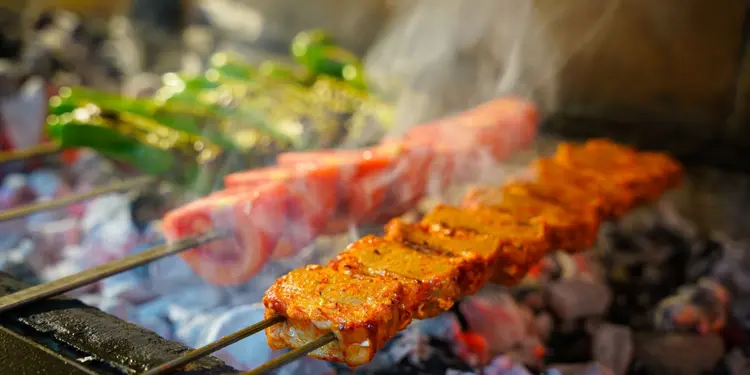
Barbecue traditions around the world share one idea, gathering around a fire, yet the methods, ingredients and even the meaning of the meal change from country to country. In some places it is a weekend pastime, in others a piece of national identity. Here is a tour from Japan to Argentina, South Africa and Jamaica.
1. Japan: the secret is the charcoal, not the flame
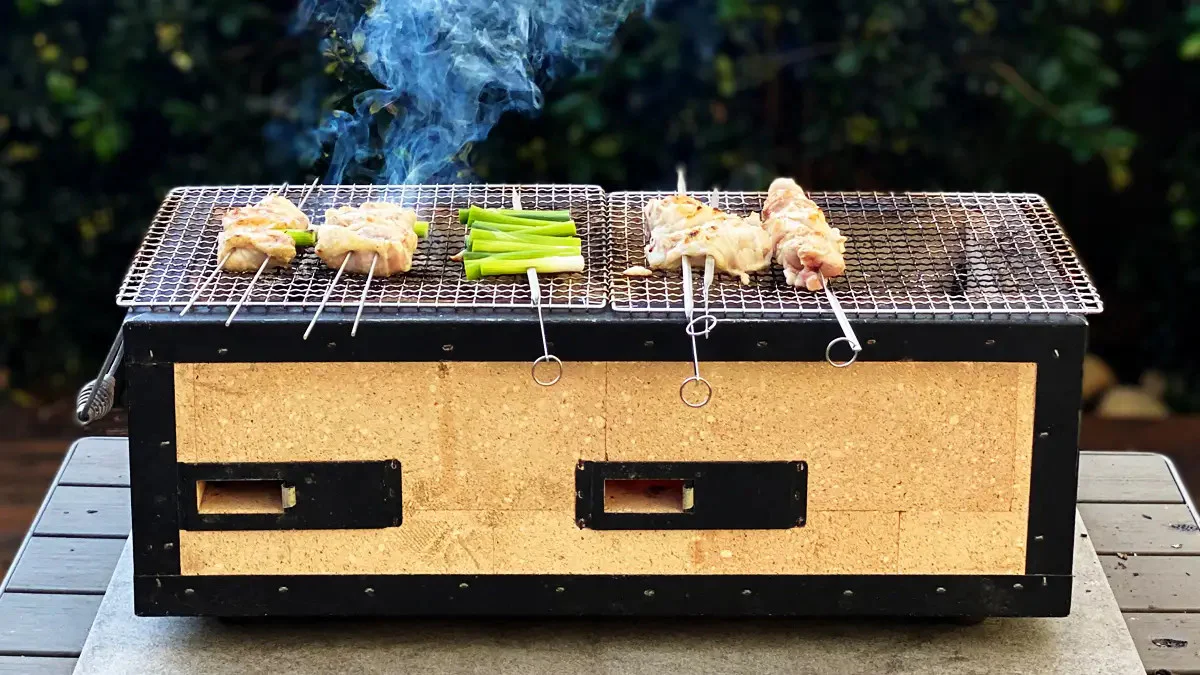
Japanese grilling runs on precision, not spectacle. In the styles known as hibachi and robatayaki, cooks aim for steady, controlled heat rather than a roaring flame, and many turn to binchotan, a white charcoal prized because it burns for hours without adding unpleasant flavors. The best-known dish? Yakitori, chicken skewers, followed by seafood, mushrooms and seasonal vegetables. Seasoning stays almost stubbornly simple. Usually it’s salt or a soy-based sauce, so the ingredient does the talking.
2. South Korea: the grill sits in the middle of the table
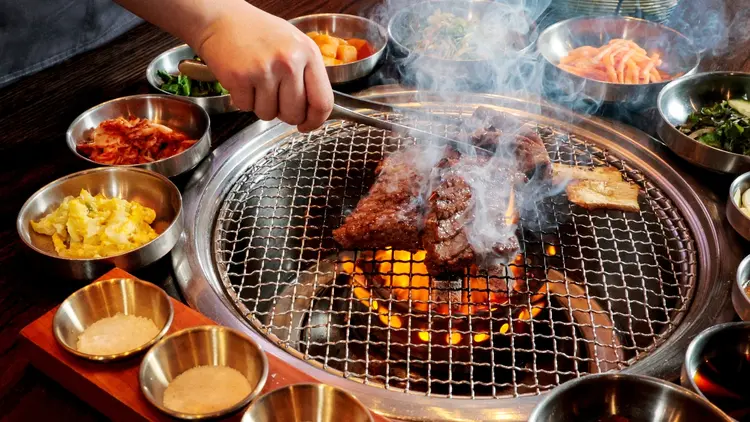
In South Korea, barbecue is as much a social event as a way of cooking.
In most restaurants the grill is built into the table, so the meat cooks in front of everyone. So what goes on it? Thinly sliced bulgogi, marinated galbi ribs and pork, mostly. Then come the sides. What sets Korean barbecue apart is banchan, a spread of small side dishes led by kimchi, and together with the grill they turn a meal into a long, shared experience.
3. China: spicy skewers rule the street
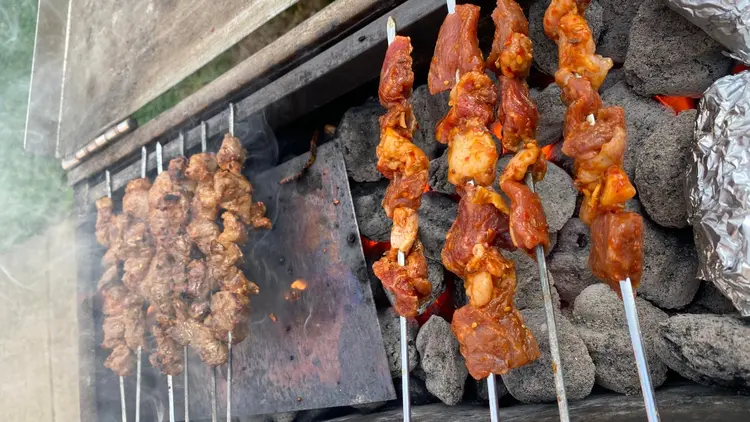
In northwestern China, grill smoke fills the streets each evening. The classic here is chuanr, lamb on skewers seasoned with cumin, chili flakes and sesame.
The south plays it sweeter. There the Cantonese favorite is char siu, pork glazed in a sweet, fragrant marinade, and although recipes change from one region to the next, Chinese barbecue as a whole shares a love of bold spices and a close bond with street food.
4. Indonesia: small skewers, big tradition
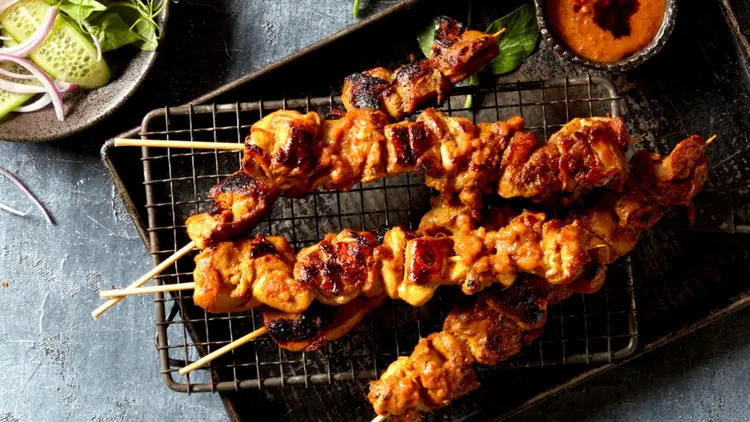
Indonesia’s famous satay looks modest. Don’t be fooled. Small pieces of meat, threaded on thin bamboo sticks, cook quickly over wood charcoal, and the real character comes not from the grill but from the thick peanut sauce served alongside.
The fillings vary. Chicken, beef, goat and even seafood all turn up on the sticks. From Indonesia the tradition stretches into Malaysia, and it has become one of Southeast Asia’s best-known street foods.
5. Türkiye: mangal is a long weekend ritual
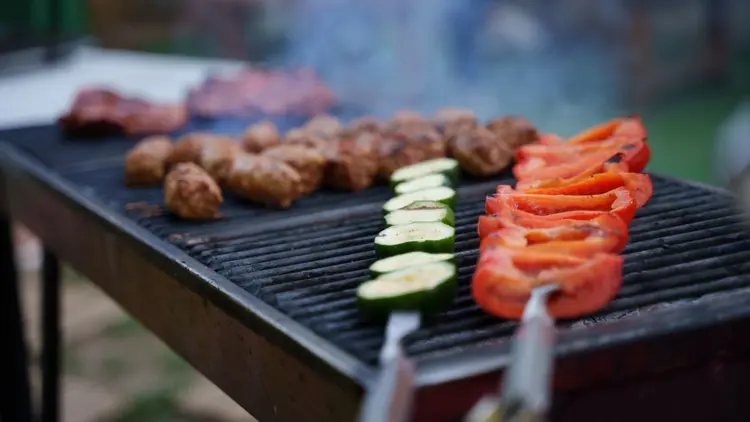
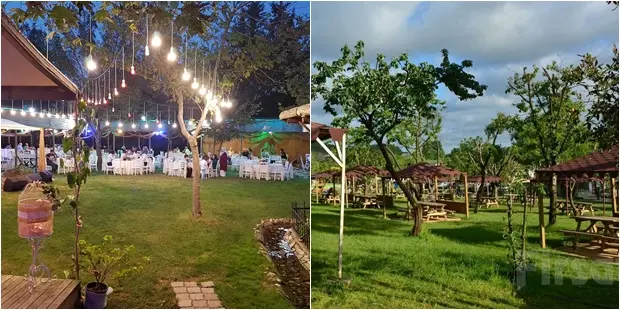
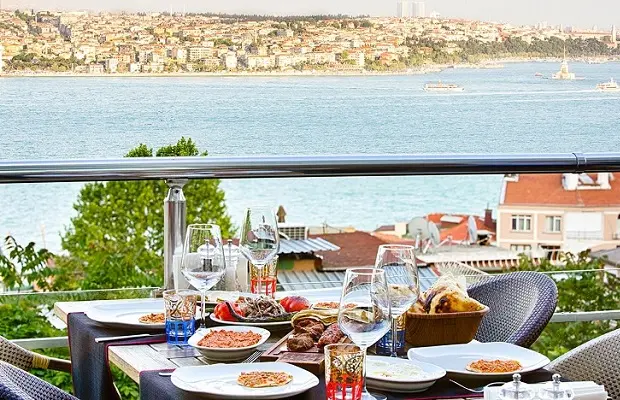
In Türkiye, mangal, the Turkish word for barbecue, means far more than a meal. It takes hours. Preparation at picnic spots, seafronts or in gardens, chats while the embers settle and plates arriving one after another are all part of it. Onto the grill goes everything from Adana kebab (spicy minced lamb) and şiş kebab (cubed meat on skewers) to chicken wings and köfte (grilled meatballs), with roasted peppers, tomatoes, salad and ayran, a salty yogurt drink, always close by. Truth is, the food isn’t really the point. The people around the same fire are.
6. Argentina: asado is practically a national tradition
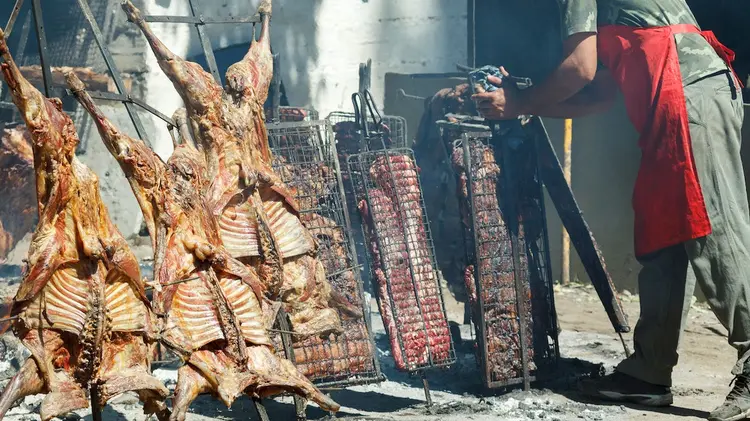
Ask for barbecue in Argentina and the answer is one word: asado. It is one of the main weekend gatherings, with large cuts of meat cooked slowly over wood or embers.
The person running the fire is called the asador. It’s a serious job.
Patience is the rule. Nobody rushes the meat, the seasoning stays simple, and when the cuts reach the table the classic companion on the side is chimichurri, a sauce of parsley, garlic, oregano and oil.
7. Brazil: the meat keeps coming
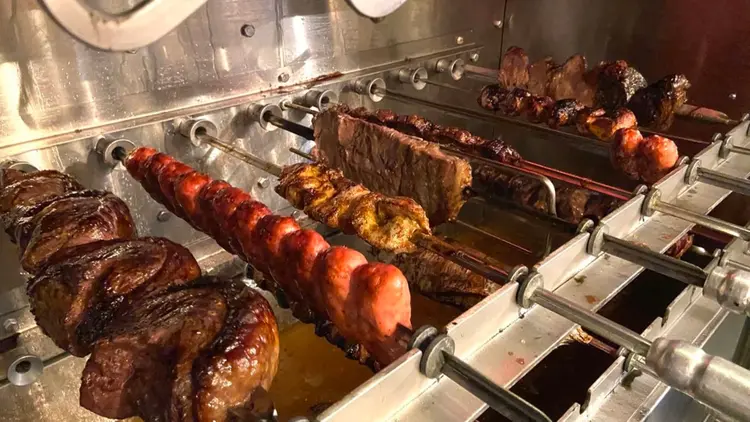
Brazil’s best-known barbecue tradition is churrasco. Big skewers of meat cook over charcoal, and servers carry them through the restaurant, slicing portions straight onto your plate as they pass, so the meal arrives as a steady stream rather than all at once.
The signature? Picanha, a cut of beef from the top of the rump.
In rodízio-style restaurants, the service doesn’t stop. Not until the guest says so.
8. South Africa: the braai is part of national identity
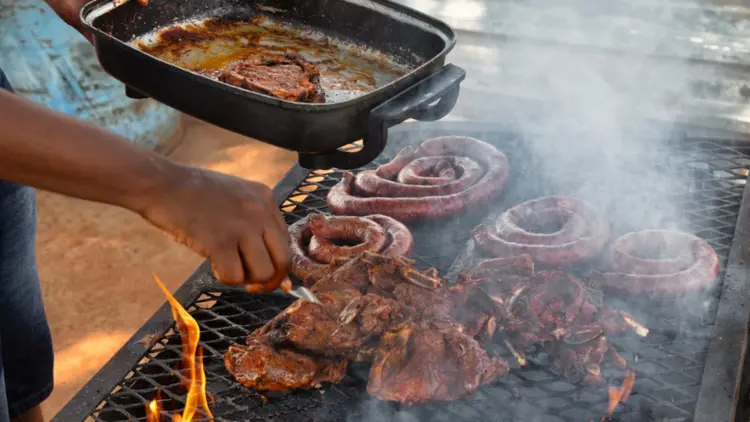
South Africans call barbecue a braai. It’s no ordinary cookout. For families and friends it is one of the main ways to get together, preferably over a wood fire, with sausages, steaks, lamb and local recipes all cooked on the same grill. Heritage Day on 24 September is even nicknamed National Braai Day, after a campaign to make the barbecue a unifying tradition across communities. One common mix-up, though: the nickname is informal. Officially, the holiday is still Heritage Day.
9. Jamaica: the spice blend that makes it unforgettable
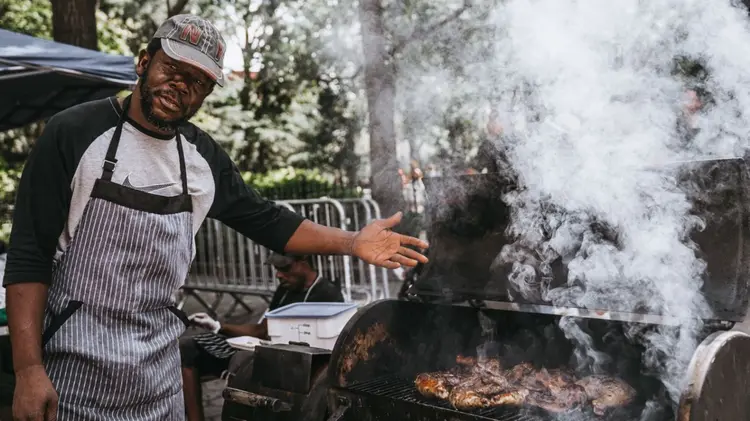
Jamaica’s famous jerk method takes barbecue somewhere else.
First comes the marinade. Chicken or pork sits, often for hours, in Scotch bonnet peppers, allspice (known locally as pimento), thyme, cinnamon and other seasonings, and then, traditionally, it goes over pimento wood, which adds a smoky depth. Heat meets smoke. That balance makes Jamaican barbecue one of the most distinctive in the world.
10. United States: among barbecue traditions, this one can take all day
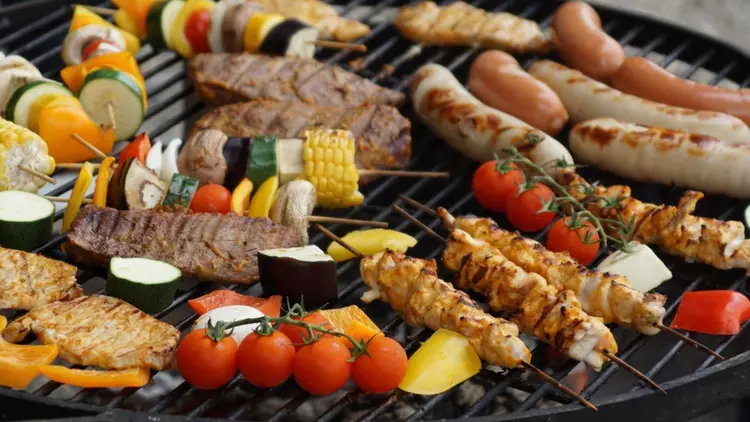
American barbecue runs on patience. Not high flames.
Texas, the Carolinas, Kansas City and Memphis each have their own methods. Brisket, pulled pork and ribs are smoked at low temperatures for hours; a Central Texas brisket can take 12 hours or more. Japan, by contrast, keeps the heat steady and the seasoning to salt or a soy-based sauce; Texas hands the job to low smoke and the clock. And because wood types, sauces and spice rubs all change from region to region, the argument over what counts as “real” barbecue never ends, with every region defending its own, and nobody seriously expects a truce.
Whether it is thin slices on a tabletop grill or a giant brisket smoked overnight, the point is the same: bringing people to one fire. That may be why, wherever you travel, barbecue is about much more than cooking.
Sources: Great British Chefs: Japanese barbecue types, South African Government: public holidays (Heritage Day), Tasting Table: Texas barbecue styles









Bir yanıt yazın