
12 Pizza Styles Around the World


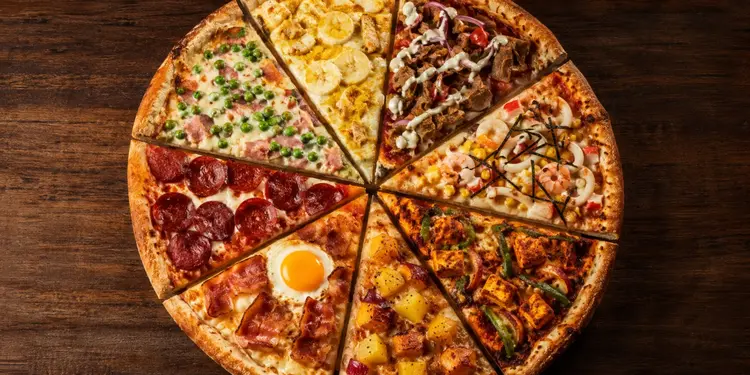
Say “pizza” and most people picture tomato sauce, mozzarella and Italy. Then the dish traveled, and every country it reached bent it toward its own taste—some by adding local ingredients, others by taking pizza somewhere unrecognizable. Here is pizza around the world, from classic to baffling.
1. Italy: where it all began
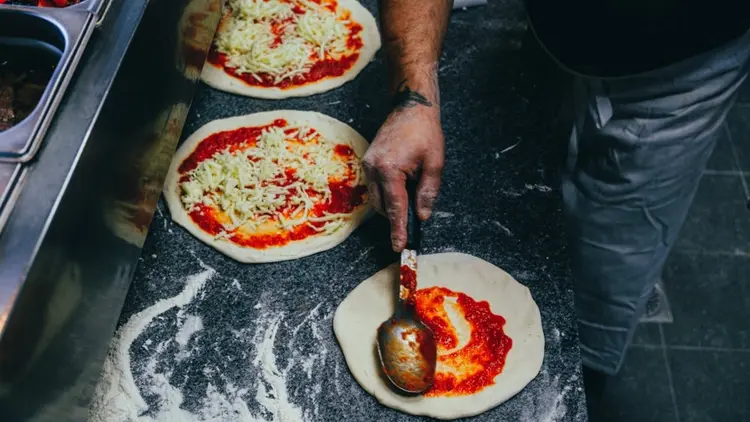
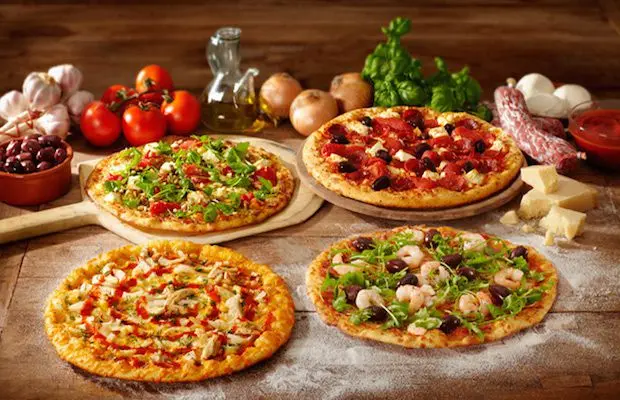
In pizza’s homeland, simplicity still rules. Neapolitan pizza means thin dough, tomato sauce and a few quality toppings, and the craft is taken seriously enough that UNESCO listed the art of the Neapolitan pizzaiuolo (pizza maker) as intangible cultural heritage in 2017.
Elsewhere, pizza got flashier over time. Italians, frankly, aren’t budging on the traditional recipes.
2. United States: the deep-dish revolution
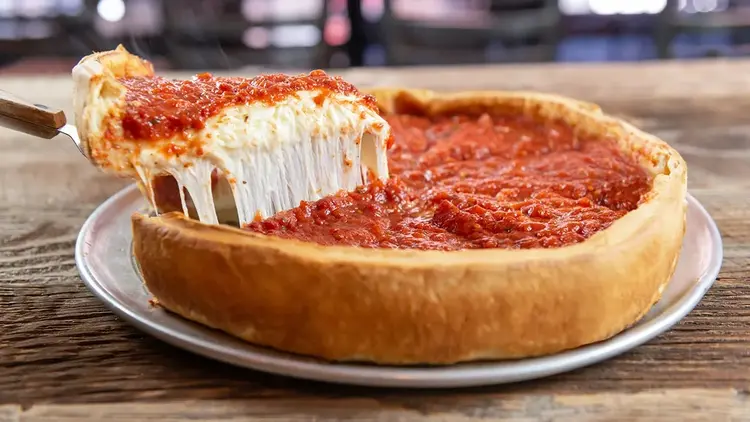
Pizza took on a new identity in the United States. Chicago’s deep dish looks more like pie. Its tall crust holds piles of toppings, and unlike the big, thin New York slice, the whole thing is dense enough to need a knife and fork.
3. Brazil: the green pea surprise
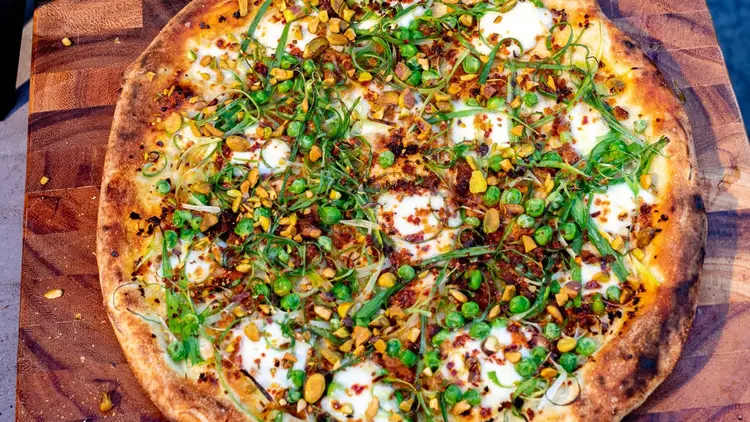
Brazil drifted far from the Italian original. Everyday choices include catupiry (a soft, creamy cheese), calabresa sausage and even sweet toppings.
Then there are green peas. Outsiders may wince at them on pizza, but locals like them.
4. Sweden: banana and curry
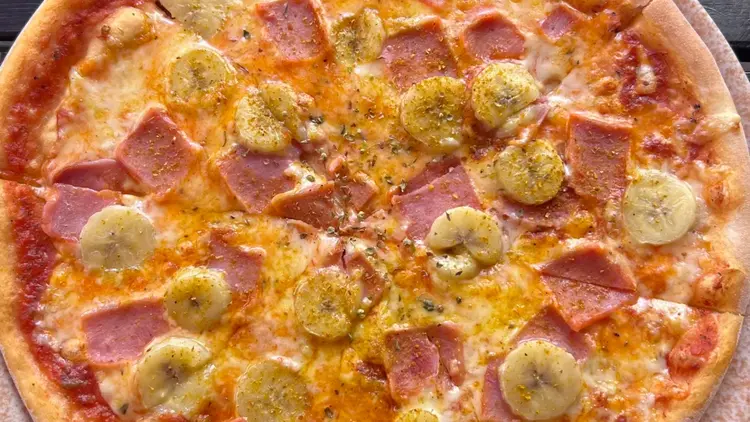
Sweden produced one of the most talked-about pizzas on earth. On the banana-curry pizza, banana slices meet curry powder, usually alongside ham and cheese, sometimes with chicken or pineapple. Extreme? From the outside, yes—but to Swedes it is simply a familiar flavor.
5. Germany: döner pizza
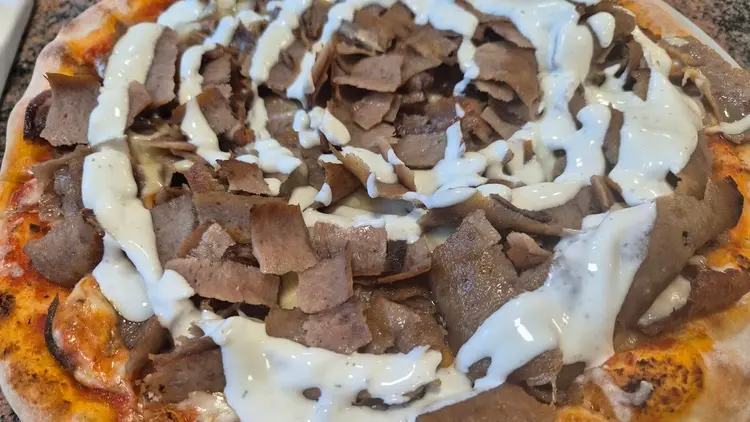
Thanks to Turkish immigrants, the döner kebab (spit-roasted meat) became one of Germany’s favorite street foods.
Who first put the two crowd-pleasers together is hard to pin down, but they were bound to meet. Döner pizza is the result. Döner meat, sauces and vegetables go on top of pizza dough, and in big cities it is easy to find.
6. Japan: seafood and mayo
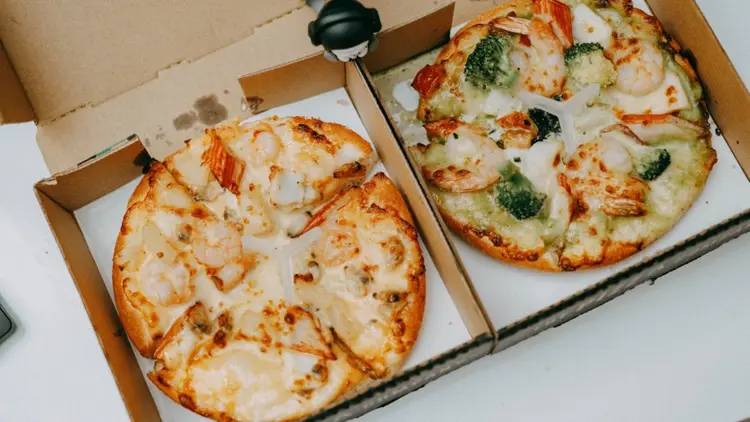
Japanese tastes shape pizza visibly. Squid, shrimp and corn are common toppings, and mayonnaise appears often, sometimes in the mayo-jaga style of mayonnaise, potato and bacon. Far from Italian tradition, the result sits close to local taste.
7. India: spice comes first
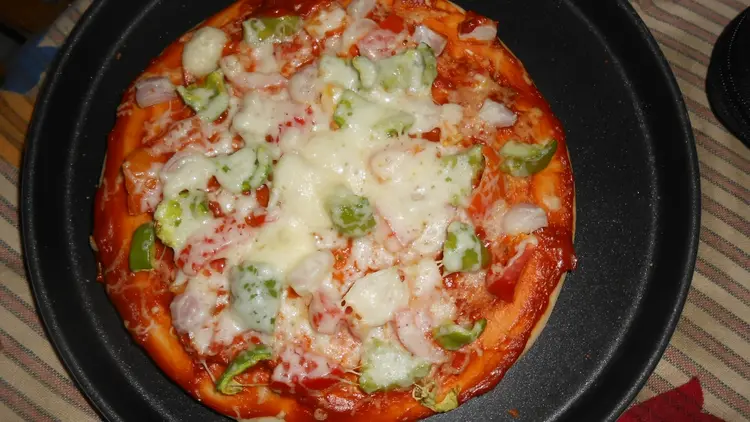
In India, pizza takes its cue from the country’s spice culture, so paneer (fresh Indian cheese), tandoori chicken, tikka sauces and spice blends all show up as regular toppings.
The result? Familiar and entirely new at once.
8. South Korea: sweet meets salty
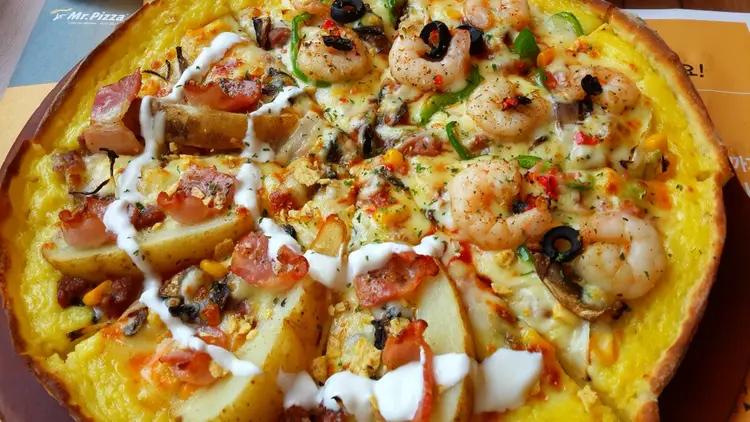
South Korean pizzas often carry unexpected toppings. Sweet potato is common. So are corn, shrimp and a range of sauces, and putting sweet and salty on the same pizza fits the way many Korean dishes already work.
9. Australia: breakfast on a crust
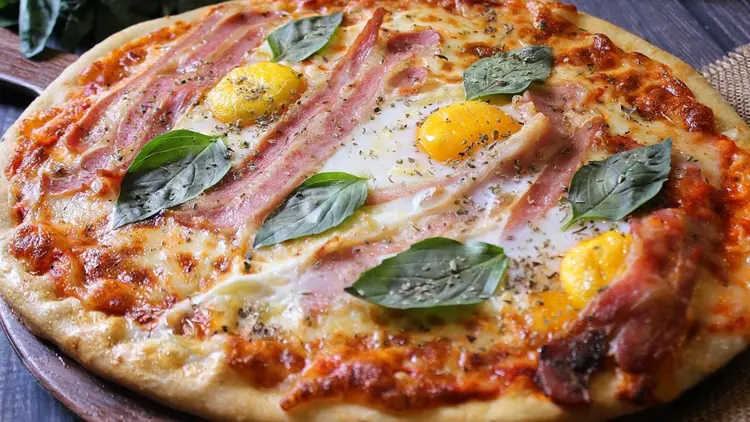
The “Aussie pizza” usually pairs ham or bacon with egg. Breakfast, basically. Borrowed from morning habits, the combination turns pizza into something that suits any hour of the day. Anyone who has ever eaten cold leftover pizza at dawn will see the logic.
10. Türkiye: sucuk and pastırma rise
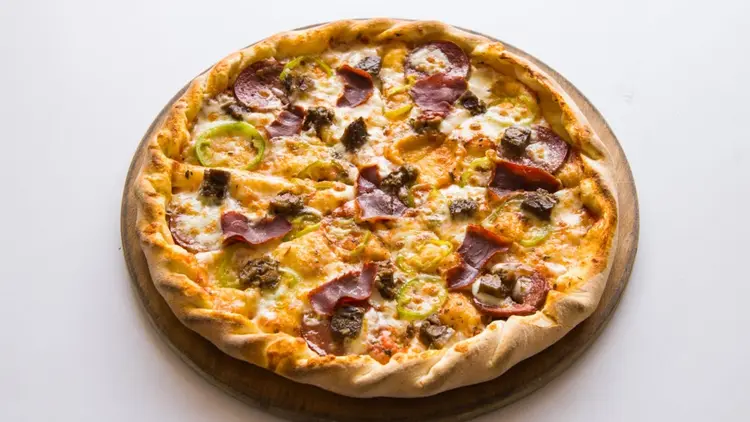
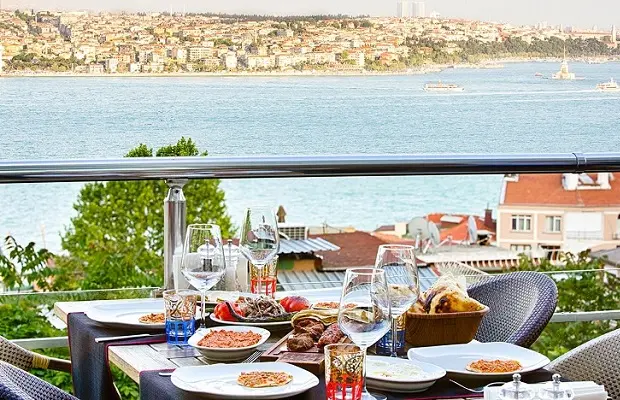
In Türkiye, pizza often gets reworked with local cured meats—sucuk (spicy beef sausage) and pastırma (spiced air-dried beef), sometimes with kaşar (a mild yellow cheese)—so the taste, while different from classic Italian pizza, still feels familiar. Gourmet pizzas are on the rise too. Lately, more of them are made with local ingredients.
11. Russia: fish-topped pizza
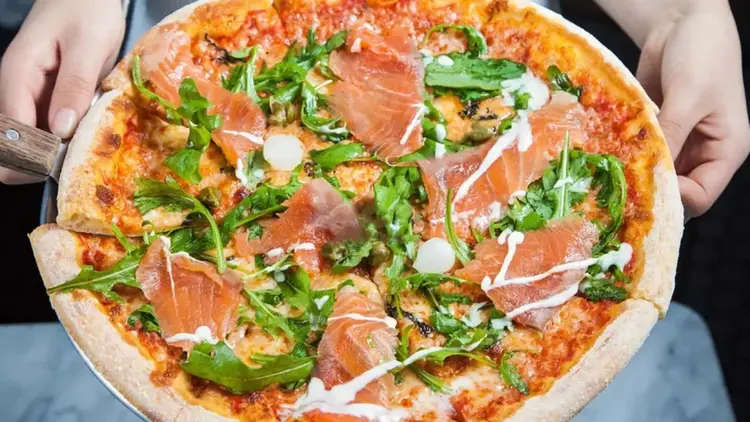
Some Russian pizzas lean on fish. The best known is the Mockba, topped with fish such as sardines, tuna or salmon, plus onions, and often served cold.
Where Japan reaches for squid and shrimp, the Mockba goes for the pantry: sardines, tuna or salmon. Larger cities add other local combinations to the menu.
12. Philippines: a sweet touch
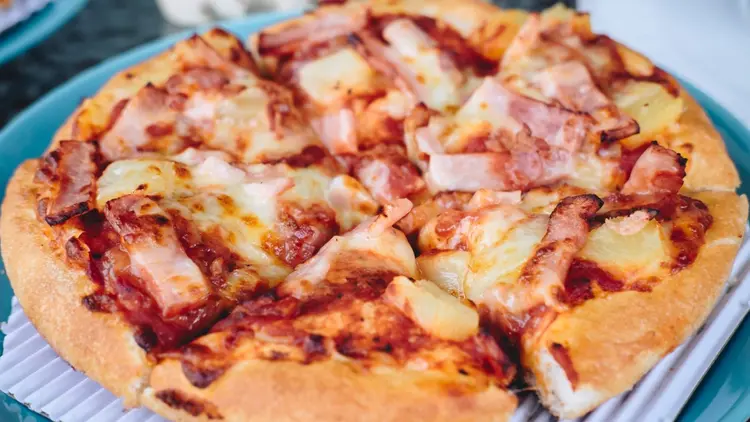
Whatever its reputation, pineapple is not the boldest sweet topping out there: in the Philippines, some pizza recipes go well beyond it. Sweetness leads. Influenced by local fast-food culture, a few versions pair sweet and savory toppings on the same dough.
Pizza is now one of the most global foods there is. Reach alone doesn’t explain its pull, though: every country stamps its own taste, ingredients and eating habits onto the Italian classic. Banana, peas, döner, sweet potato—it hardly matters. Wherever pizza goes, it changes a little and becomes part of that culture.
Sources: UNESCO, Art of the Neapolitan Pizzaiuolo, The Business Standard, Unusual pizza toppings around the world, Globalization Partners, World pizza toppings












Bir yanıt yazın