
Vacation Burnout: Why You Feel Worse After a Trip



A week away was supposed to leave you restored, yet you come home tired, restless and oddly flat—a letdown often called vacation burnout, or post-vacation blues, and one that is more common than the vacation photos suggest. So what lies behind it, and what helps?
1. What exactly is vacation burnout?

Vacation burnout is the physical and emotional tiredness that shows up during a trip or right after it. To be clear, it is not a medical diagnosis. Lyra Health notes that “post-vacation depression” is a misleading label, though the feelings behind it are real: instead of arriving home energized, some people feel restless, tense or just unmotivated.
Recovery varies. For some, the mood lifts within a few days; others need longer to get back into everyday life, especially after a demanding stretch at work or months of built-up stress.
A 2009 meta-analysis in the Journal of Occupational Health found that the health and well-being boost from a vacation is modest and tends to fade soon after people go back to work.
2. Why do you feel low after a trip?
The honest answer: much of it is contrast. On vacation there is no alarm clock, the scenery keeps changing and responsibilities shrink to choosing where to have dinner. Back home? The inbox, the meetings, the commute and the laundry, all waiting. Novelty plays a role too. New places and unfamiliar routines keep the mind busy and engaged, so when that stimulation drops away, ordinary tasks can feel duller than usual for a while.
3. You can get exhausted on the trip itself
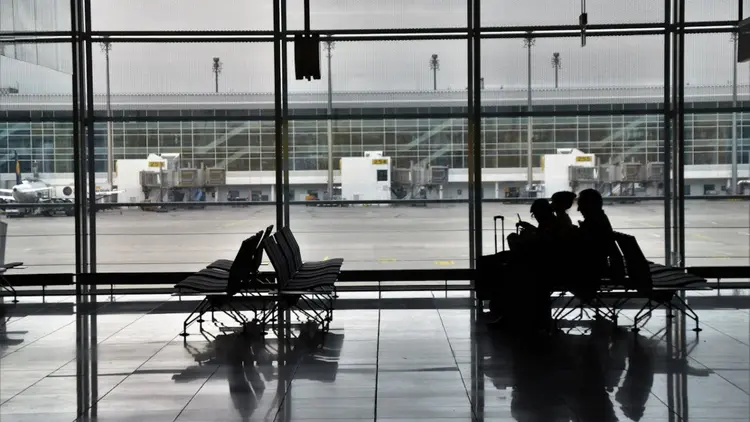
Vacation burnout doesn’t always wait for the flight home.
A schedule packed with tours, early starts and social plans can turn a vacation into one more thing to perform well—a to-do list with better weather. That gets tiring. Trips driven by a “see everything” mindset—dawn alarms, a constant race to the next stop—drain physical energy fast, and by the last day the rested feeling you were promised never arrives.
4. Common signs of vacation burnout
The signs vary from person to person. Still, a few come up again and again: you may not want to go back to work or your usual duties, struggle to concentrate, feel restless or keep daydreaming about the trip, with poor sleep, low motivation and irritability sometimes showing up as well. Many people also describe a general tiredness, a sense that everyday life has lost its meaning for a moment. Usually, these feelings pass within a few days. If they linger or become hard to manage, it is worth talking to a friend, a family member or a mental health professional.
5. Sometimes it is a useful clue

Contrary to how it feels, post-trip sadness is not always a bad sign. According to psychologists, it can reveal needs your normal routine leaves unmet. If you felt better because you were walking more, spending time outdoors, reading or seeing friends, the dip afterwards may show how little of that fits into an ordinary week. What is really missed? Maybe not just the trip, but the way of living you enjoyed while you were away.
6. Can you make the return easier?
Experts tend to agree on one point, and it’s refreshingly simple: build in a buffer. Get home at least a day before work starts. That leaves time to unpack, settle the house and fix your sleep schedule, and Lyra Health suggests setting aside even half a day to regroup—ideally with something enjoyable already on the calendar for the days that follow.
Or carry a few vacation habits into normal life: a morning walk, time outside or a couple of phone-free hours can stretch the benefits of the trip. Then there’s work itself, the sharpest edge of that trip-versus-home contrast. Easing in instead of tackling everything on day one helps, as does setting small goals for the first days back—advice a Loyola University psychiatrist gave in a KSL report.
7. Resting is more complicated than it looks
Vacation burnout looks like a contradiction: rest that leaves you tired. It is a very common experience, though, and a natural reaction to change and to pleasant experiences ending, so the useful question is not only how to recover, but what the trip showed you was missing at home.
Real rest, then, sometimes comes less from going far away than from bringing a few small, meaningful changes back with you.
Sources: Lyra Health: post-vacation blues, KSL: back-to-work blues, de Bloom et al. (2009), Journal of Occupational Health: Do we recover from vacation?




















Bir yanıt yazın