
9 Travel Safety Tips to Get Ready for the Unexpected


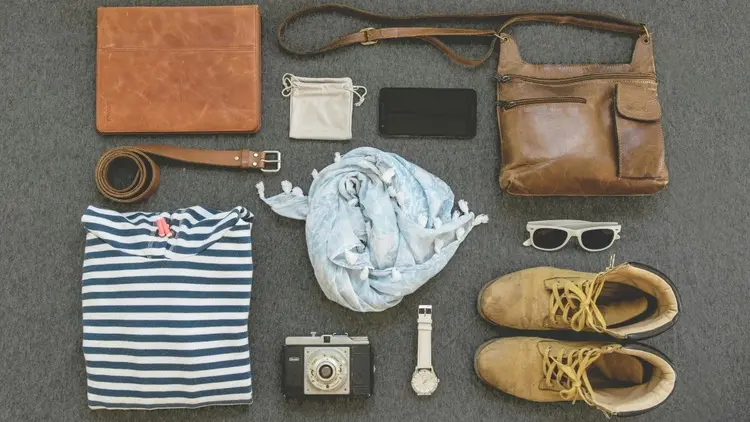
Not every trip looks like the polished version on social media. Lost luggage, pickpockets, a sudden illness, an airport meltdown. These nine travel safety tips help you stay ready for the surprises that tend to show up uninvited.
1. Protect yourself from theft
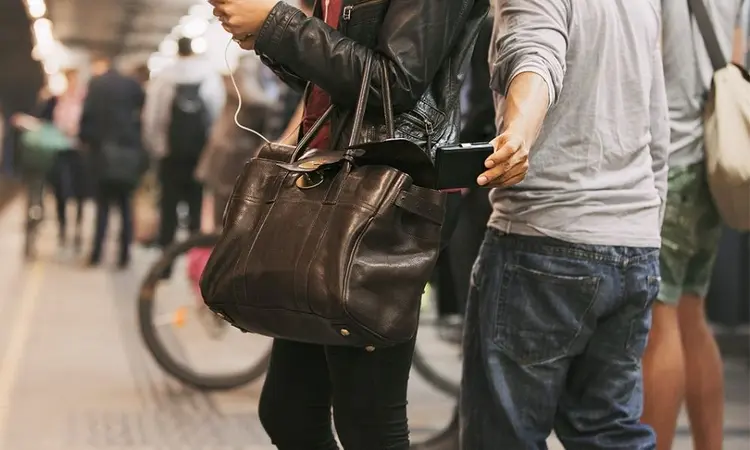
Pickpocketing is one of the most common travel annoyances, though a few simple habits make you a much harder target. Start with clothing. A jacket with inside or zippered pockets works like armor: keep valuables there, and leave your passport, spare cash and important documents in the hotel room safe whenever you do not actually need them on you.
Security, after all, is a choice.
2. Keep a plan B for emergencies

You do not need to pack a whole medicine cabinet, but a little preparation goes a long way. Two things matter:
Emergency kit: Any medication you take regularly, an epinephrine auto-injector such as an EpiPen if you have allergies, and a short note explaining what each medicine is for, all packed together in one easy-to-find spot.
Emergency contacts: Phone numbers for someone who may need to reach you, kept in your bag together with your key medical information. Small effort. Big payoff: a minor illness never gets to take over the trip.
3. Think about compression socks and movement

Sitting still for hours raises the chance of blood clots in the legs, known as deep vein thrombosis (DVT). Not everyone faces the same risk. The CDC Yellow Book says most travel-related clots happen in people who already have risk factors, such as age over 40, recent surgery, pregnancy or a history of clots, and that properly fitted compression stockings may help higher-risk travelers on long journeys. Some habits make sense for everyone, though: get up to walk and flex your calves in your seat, whether on a plane, bus or train. Got any of those risk factors? Ask your doctor before a long trip.
4. Research accessibility before you go

Not every destination works for everyone. Do the homework early. Before you book anything, contact the airline and the airport to arrange the assistance you need, and ask about elevators, ramps and step-free routes for every leg of the trip. Get written confirmation. Medical equipment needs one more check: its power requirements in each country you will visit.
5. Pack hand sanitizer

Let’s be honest: public transport is not famous for its hygiene. On trains, planes and buses, hands touch everything. Food and faces come next. When soap and water are out of reach, an alcohol-based sanitizer is the next best thing.
Then there is the water. Look into hygiene conditions in the country you are visiting: in some places tap water is not safe to drink, and bottled water is simply the safer bet.
6. Do not leave without travel insurance

“Is travel insurance really necessary?” For most trips abroad, yes. Your regular health insurance may not cover you overseas: the CDC notes that domestic plans may pay for care abroad only under specific circumstances, and that US Medicare generally does not cover medical costs outside the United States. Travel insurance can cover medical costs, trip cancellations and more. Read what each policy includes, and if bungee jumping or other extreme sports are on the plan, make sure they are covered too. Skimming the fine print is the classic mistake, and it tends to surface at the worst possible moment.
7. Get ready for airport security
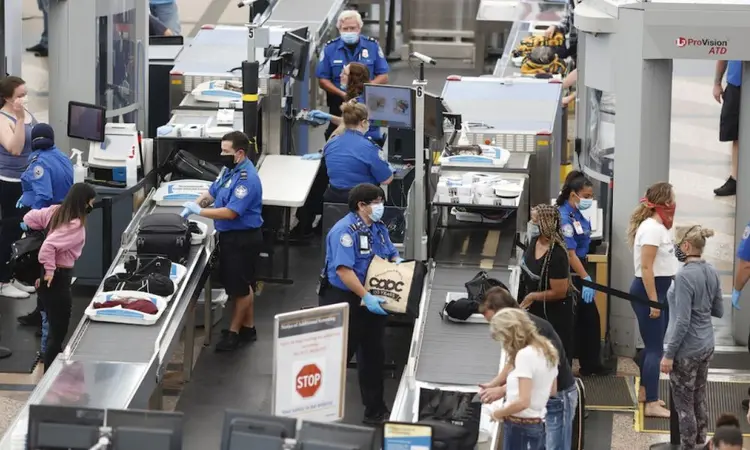
Security checks can be stressful. Keep medications in your carry-on, easy to reach, in their original packaging. Liquids in hand luggage are commonly limited to containers of 100 ml (3.4 oz), but essential medicines are usually an exception: UK government guidance, for example, allows larger liquid medicines with proof such as a doctor’s letter or a copy of the prescription. There is no single global rule here, though: requirements differ by country and even by airport, so check with yours in advance. A tidy bag helps too.
8. Be careful with public Wi-Fi
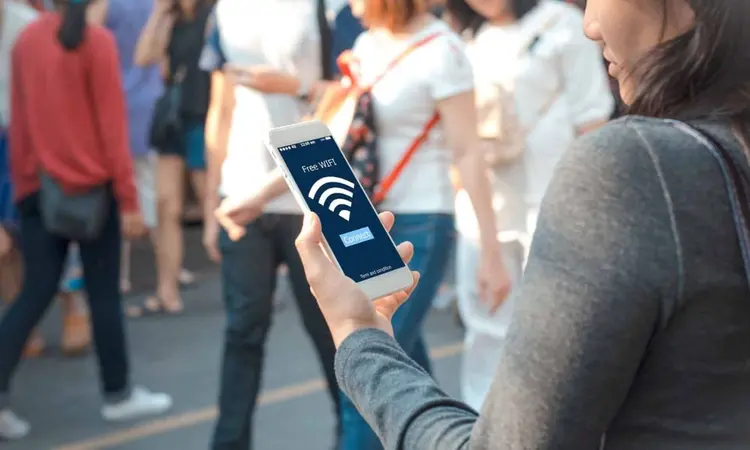
Free Wi-Fi sounds tempting. Open networks are where digital thieves look for easy targets. Still, the old “never touch public Wi-Fi” warning is outdated: the FTC says that most websites now encrypt your data, so a public network is usually fine for ordinary browsing; even so, check for the lock symbol, turn on two-factor authentication for important accounts and think twice before banking in a café. For anything sensitive, use mobile data. Before you leave home, talk to your carrier about international data settings.
9. Pack a smaller suitcase

A small bag brings big relief. A lightweight cabin bag that fits in the overhead bin saves your back and spares you the hassle of luggage claim. Nobody wants to start a holiday nursing a sore back from hauling an overstuffed suitcase up a staircase.
Sometimes a big bag is unavoidable. In that case, keep your valuables and essentials in your carry-on, within reach for the whole journey, so that a delayed suitcase sitting in some other airport does not become your next travel story.
Sources: CDC Yellow Book: travel and blood clots, GOV.UK: essential medicines in hand luggage, FTC: public Wi-Fi





















Bir yanıt yazın