
14 Things to Know About Bozcaada, Türkiye’s Wine Island


Bozcaada is Türkiye’s third-largest island. Sitting at the entrance of the Dardanelles in Çanakkale province, it is the only district in the country without a single village, and the whole island—vines, old Greek quarter and all—is a natural and historic protected site. Its name has changed several times: Kalydnai, Leukophrys, Tenedos.
1. Time moves slowly on an island Herodotus reputedly praised

Homer’s Iliad knows it as Tenedos. This is where the Greek fleet hid so the Trojans would think the war was over—the setting, in other words, of the Trojan Horse story. And the ancient city of Troy? It sits within sight of the island, which makes the legend feel less like myth and more like local gossip.
2. A history of many rulers

Location made it a prize. Guarding the entrance of the Dardanelles, the island fell to the Persians in 493 BC and to Alexander the Great in 334 BC, then passed to Pergamon and to Rome in 168 BC, before Byzantines, Genoese and Venetians took turns fighting over it. The Ottomans took it in 1455. In 1912 the Greek navy occupied it; the Treaty of Lausanne returned it to Türkiye in 1923.
3. Wine has been made here for millennia

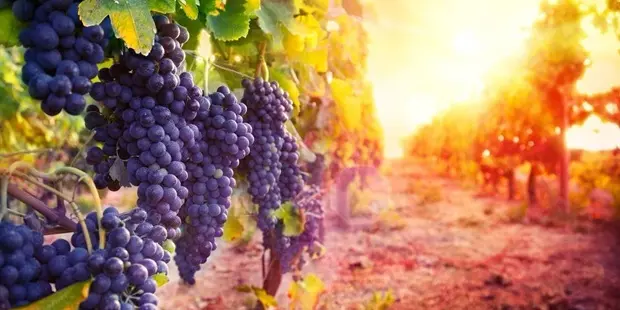
Island wine is no recent boutique trend, whatever the shiny labels suggest. Coins from the 5th century BC show grape clusters, and writers from Homer to Evliya Çelebi mention the island’s vines. The weather helps. Northerly winds keep humidity low, which suits grapes, and four local varieties are grown here—Kuntra and Karalahna for red, Çavuş and Vasilaki for white. Talay and Corvus are among the best-known wineries. On the way to the coves, stone vineyard houses are part of the scenery.
4. Seafood, wild greens and jam

Fishing is the island’s other traditional trade. Tavernas serve grilled octopus, kalamar dolma (stuffed squid) and sardines wrapped in vine leaves. Spring is wild-greens season, when nettles, cibes and radish tops go into salads, pies and olive-oil dishes. Sweet things too: poppy syrup, jam and liqueur are local specialties, and in Greek households tomato, fig and black mulberry jams traditionally arrive with coffee.
Not cheap, though. Prices run higher than on most of the Aegean coast.
5. Wander the island’s streets


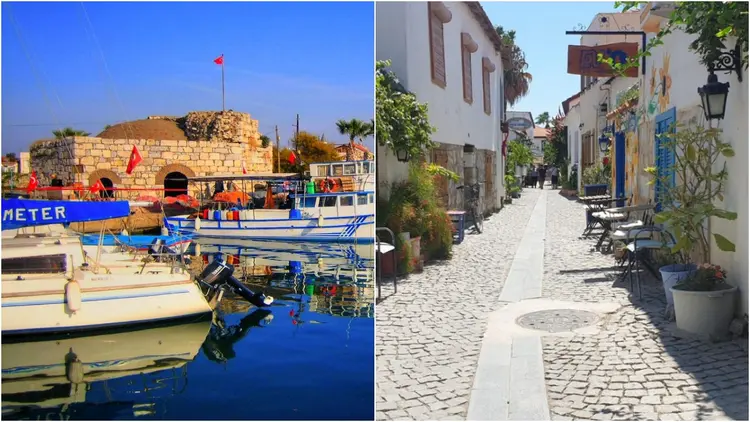
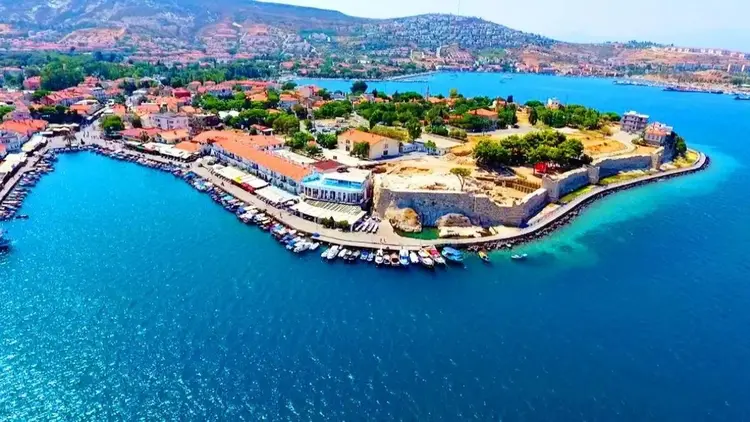
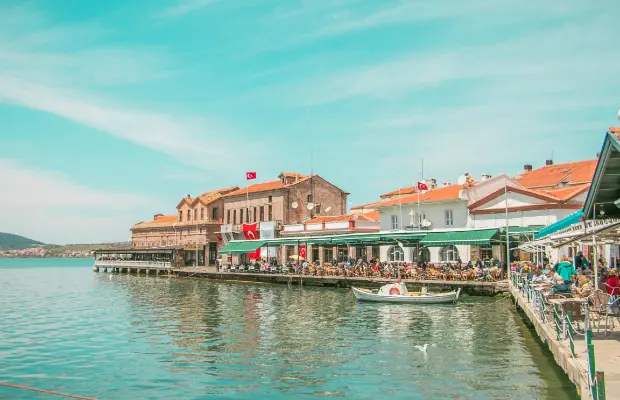
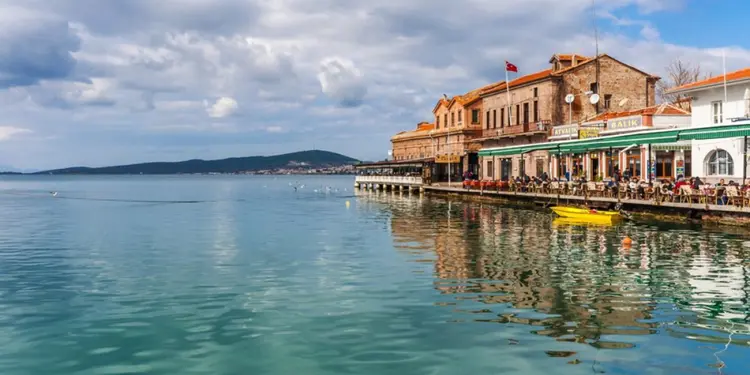
The island has one town, split in two. On one side sits the Turkish quarter; on the other, the Greek quarter, whose tidy houses and streets laid out at right angles make it the more photogenic of the pair.
Photographers can easily lose an afternoon in the side streets.
6. Bozcaada Castle

The fortress is the first thing seen from the approaching ferry, and few passengers resist photographing it before the boat docks. Phoenicians, Genoese and Venetians all used the site before the Ottomans rebuilt it. The exact building history is harder to pin down, since accounts differ, but the latest major rebuilding is usually dated to 1815. It is lit at night. Beyond the walls lies open sea.
7. Bozcaada Museum

It is a small museum, and that is part of the charm. Set in the town center, it tells the island’s story through objects, photographs and household items.
Allow an hour, then pair it with a walk through the old quarter.
8. Windmills at the island’s western tip

The same wind that keeps the vineyards dry also turns the turbines here. Out at the far western tip, the wind farm ranks among the best sunset spots in Türkiye, and just beyond it stands the Polente lighthouse. Getting there is the catch. The truth is, without a vehicle it is hard, so plan transport in advance.
9. Ayazma Beach

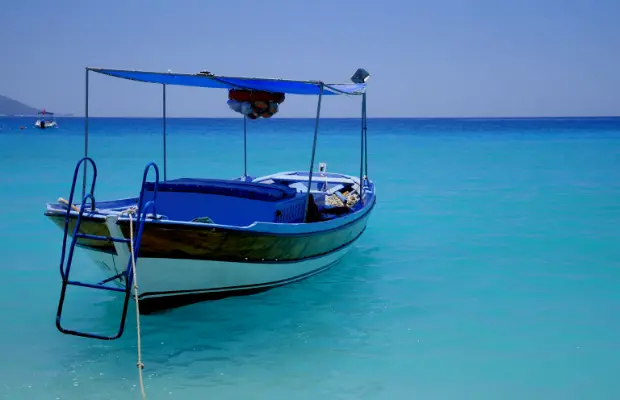
Fine golden sand and turquoise water make Ayazma the island’s most popular beach. Also its busiest. Sunbeds, umbrellas and water-sports rentals are usually available, and anyone after a calmer swim can head to nearby Habbele Cove instead.
10. Akvaryum (Aquarium) Cove

True to its name, this small cove has water clear enough to see fish and seabed from the surface. Where Ayazma sells sand, sunbeds and space, Akvaryum sells clarity.
Bring a mask and snorkel.
11. Beylik Cove

In 2015 a cargo ship ran aground here, and for a while its hanging ropes served as improvised swings. That ended in 2018. The ship was dismantled on site, with concerns about asbestos raised during the work. Minus the shipwreck drama, the cove itself is simply a quiet spot to swim.
12. Kitesurfing on a windy island
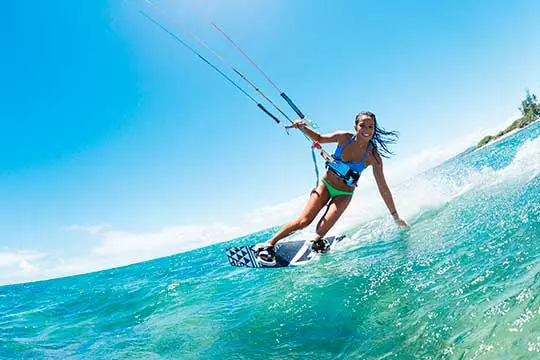
Wind is the draw. Steady breezes make Bozcaada a kitesurf destination, and Çayır Beach, home to a kitesurf school, runs about 7 km, at least 2 km of which suits the sport, with average wind speeds of 17 to 25 km/h and gusts up to about 35 km/h. Lessons typically last around three days.
13. The harvest festival

Each year in early September, the Bağbozumu (grape harvest) Festival runs for about three days. Concerts and competitions fill the program. It opens with symbolic harvests in local vineyards, where visitors can ride tractors out and pick grapes alongside the growers.
Bonus: the legend of Tenedos

According to myth, Tenes, son of King Kyknos, was falsely accused by his stepmother and set adrift in a chest that washed up on this island, where the locals made him king and renamed the place “Tenes’s island”: Tenedos. Then his father arrived to apologize. The reply came with an axe, as Tenes cut the ropes of his father’s ships. Greeks still say “the axe of Tenes” for cutting off a relationship for good.
Sources: Daily Sabah: Bozcaada, Türkiye’s third-largest island, Wikipedia: Bozcaada

Bir yanıt yazın