
10 Palaces in Turkey to Visit, from Istanbul to Ağrı


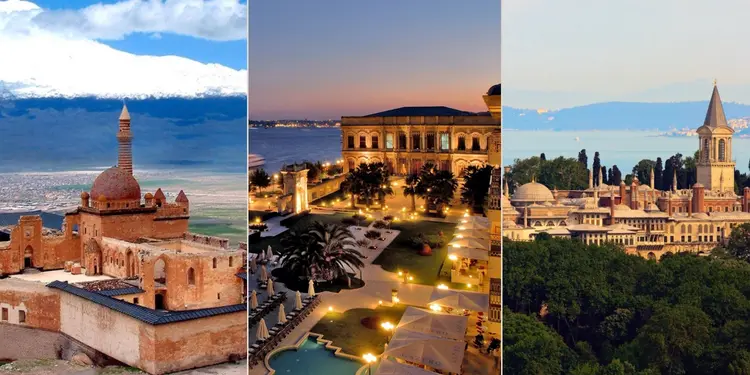
Ottoman sultans left their mark in stone across Türkiye, and nine of the ten palaces on this list sit in Istanbul, mostly along the Bosphorus. The tenth, İshak Pasha Palace, stands on a mountain road in the far east. Some are museums, one is a hotel and one is a university, so here is what each of these palaces in Turkey is today.
1. Dolmabahçe Palace: The Bosphorus showpiece
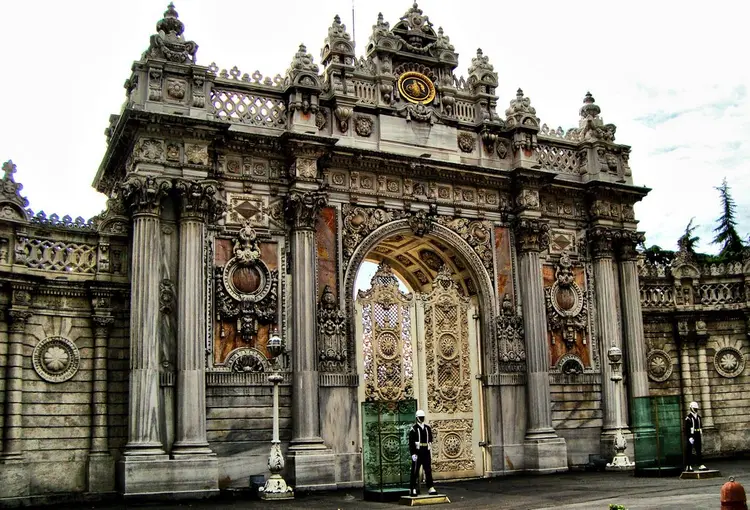
Sultan Abdülmecid I ordered Dolmabahçe in the 1840s, and it replaced Topkapı as the main imperial residence. Inside: 285 rooms, 46 halls and six hammams. Atatürk, the founder of the Turkish Republic, died here on 10 November 1938, and the clock in his room still shows 9:05. Today it is a museum. It usually closes on Mondays. One common mix-up: the Istanbul Museum Pass does not cover it. Run by the Directorate of National Palaces, it sells its own tickets on its own schedule, so check hours and tickets on the National Palaces website before you go.
2. Adile Sultan Palace: A princess, a poet, a school
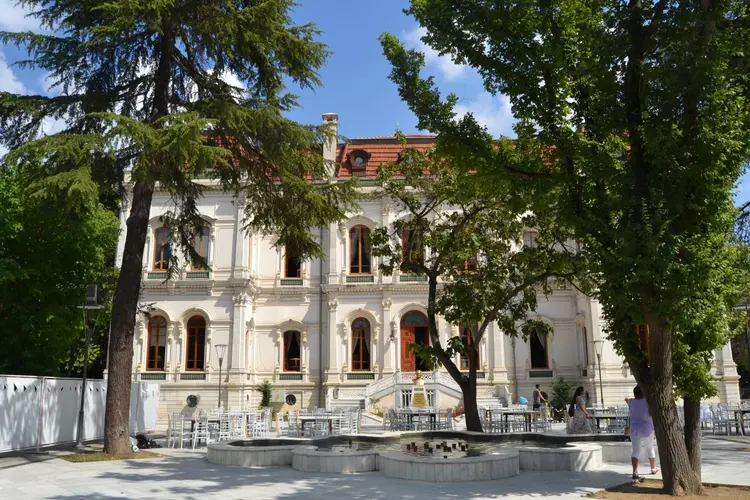
This summer palace sits in Kandilli, on the Asian shore in Üsküdar. Its namesake was no ordinary princess. Adile Sultan, daughter of Sultan Mahmud II, was an educated woman and a poet, and she donated the palace to the state so that it could be turned into a girls’ school, which opened in 1916. Then came 1986. A fire gutted the building that year; it has since been rebuilt as a cultural center.
3. Çırağan Palace: Now a luxury hotel
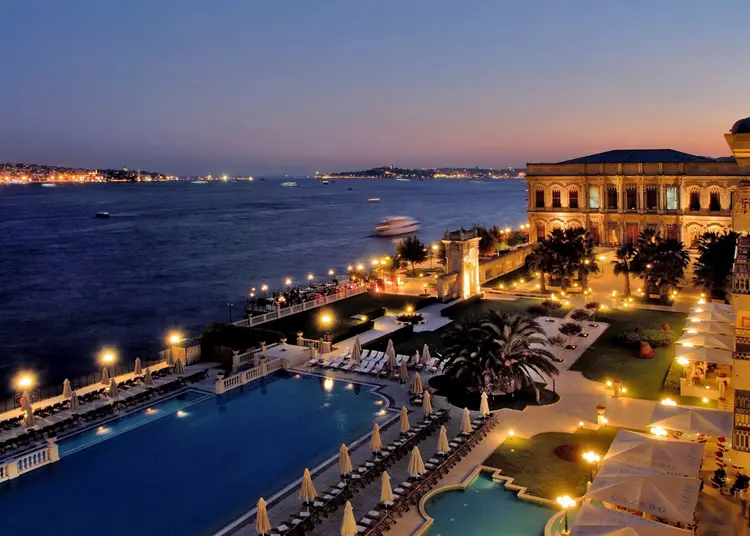
Sultan Abdülaziz built Çırağan between 1863 and 1871, in the Ottoman Baroque style, on the Beşiktaş waterfront, and it counts among the last palaces raised in the empire’s final decades. The palace now has guests, not visitors. For years it has operated as a luxury hotel, Çırağan Palace Kempinski. Not staying there? Fair enough. Its waterfront setting is still worth a look from the Bosphorus.
4. İbrahim Pasha Palace: Home of a grand vizier
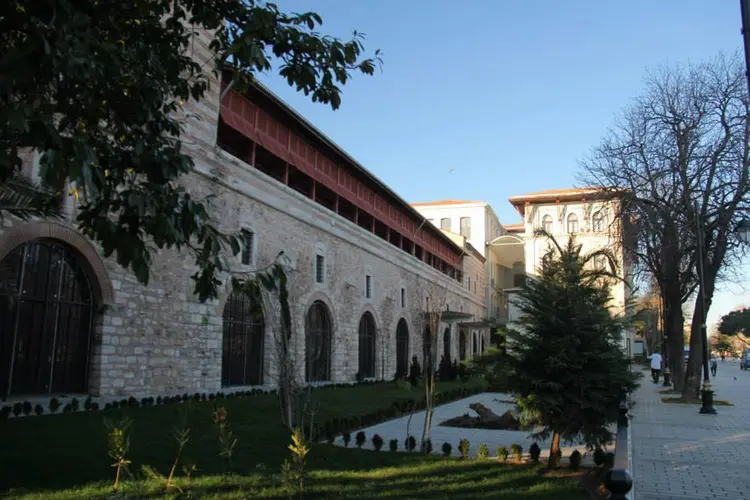
İbrahim Pasha Palace stands on Sultanahmet Square, once the Hippodrome, which is why it was long called the Hippodrome Palace. The name comes from its owner. Pargalı İbrahim Pasha was grand vizier to Suleiman the Magnificent, and also his son-in-law.
It is one of the finest examples of Ottoman civil architecture. Its résumé is long. Over the centuries it served as barracks and a prison, among many other roles, before taking on its current job of housing the Museum of Turkish and Islamic Arts.
5. Yıldız Palace: A hillside complex of pavilions
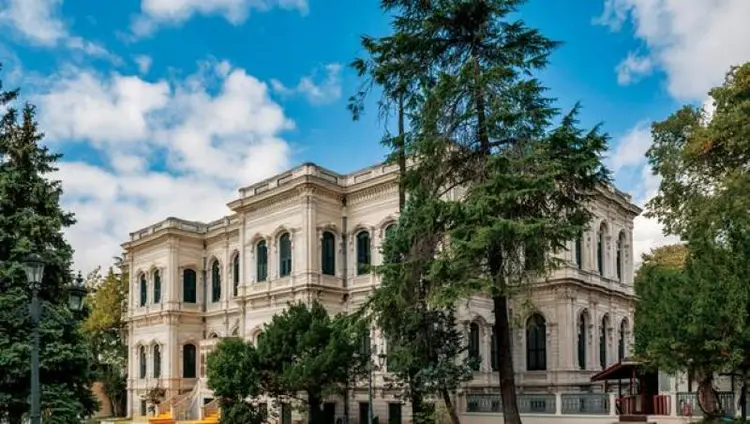
Yıldız is not one building. It is a complex of pavilions spread across a large park in Beşiktaş. Selim III had the first buildings made for his mother, Mihrişah Sultan, and much later, from 1889 to 1909, Abdülhamid II lived and governed here, among the pavilions and gardens of the same park. Since 2015 the complex has been on UNESCO’s Tentative List. And it is open. Visitors can explore the gardens, the buildings and a library with a large archive.
6. İshak Pasha Palace: One of the palaces in Turkey’s far east
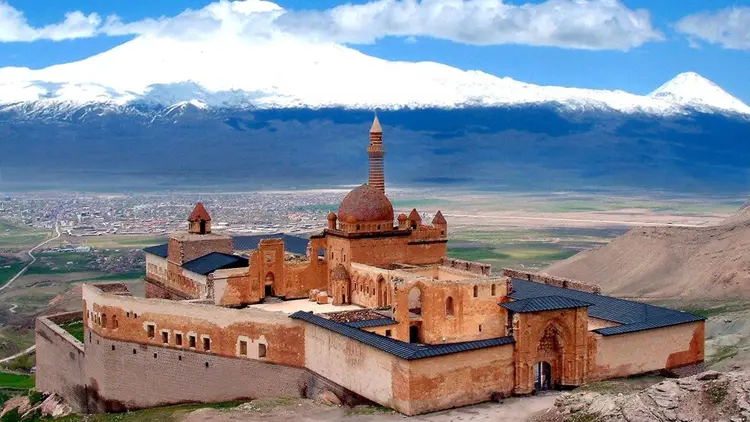
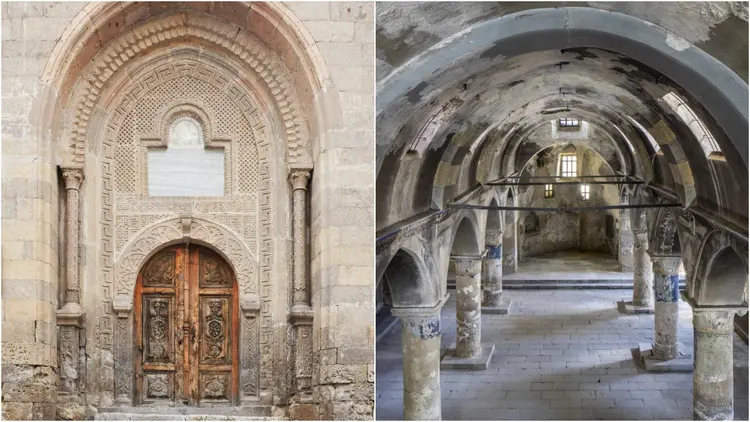
This is the only palace here outside Istanbul. İshak Pasha Palace sits in Doğubeyazıt in Ağrı Province, near the Iranian border and Mount Ararat, and construction is believed to have started in 1685 and finished about 99 years later. It is the most important Ottoman work in Ağrı. The heating is a story of its own. The palace is often said to have had the world’s first palace central heating system. A genuine first? That is hard to prove, so treat it as a good story rather than a settled record. About 115 rooms survive.
Before going, check current ticket rules on the Ministry of Culture and Tourism’s museum site.
7. Feriye Palaces: A string of pavilions on the water
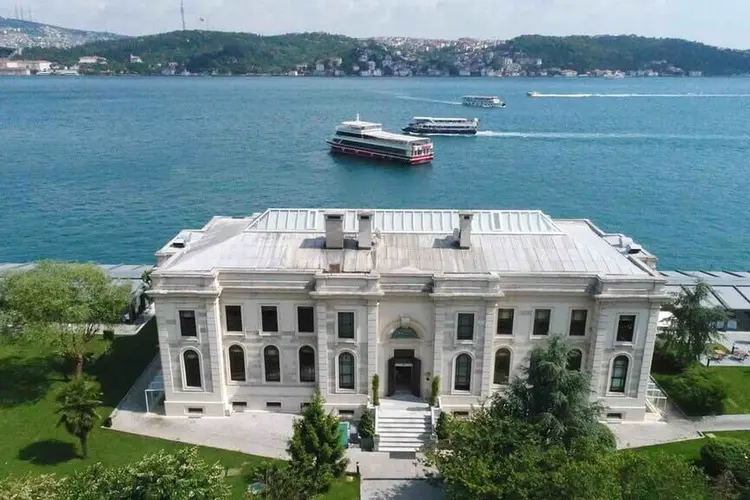
Feriye is not a single building but a row of palaces between Beşiktaş and Ortaköy, built under Sultan Abdülaziz in 1871 as auxiliary quarters for members of the dynasty, strung along the shore. From a passing ferry, they are easy to take for just another row of grand waterfront buildings. Their builder ended up a resident. Deposed in 1876, Abdülaziz lived in them for a short time. Members of the Ottoman family stayed on until 3 March 1924, when the caliphate was abolished. Educational institutions took over later.
8. Topkapı Palace: Four centuries of sultans
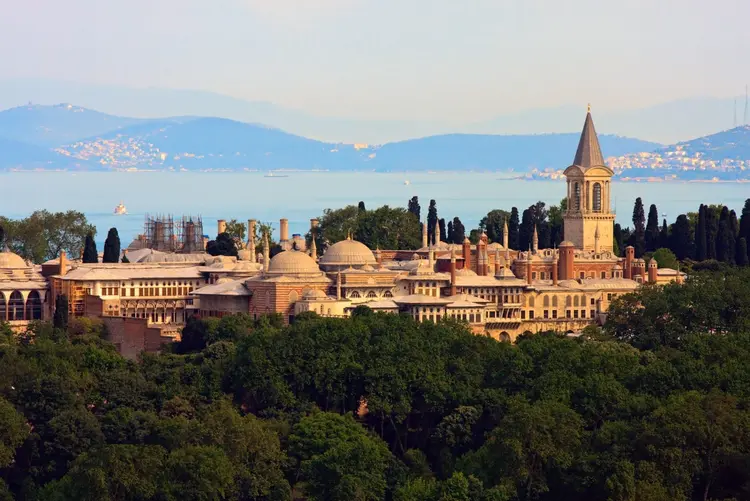
Sultan Mehmed II, Mehmed the Conqueror, ordered the palace after the conquest of Constantinople, and the main buildings were completed around 1478. Then it ran an empire. For roughly four centuries Topkapı was both the sultans’ residence and the seat of government, until Dolmabahçe, the first palace on this list, took over as the main residence. Today it ranks among the world’s great palace museums: a sprawl of pavilions, courtyards and gardens, plus the Harem. A practical note, though. Ticketing and Museum Pass rules for the Harem and Hagia Irene have changed in recent years, so confirm them on the National Palaces website first.
9. Beylerbeyi Palace: A summer residence with sea motifs
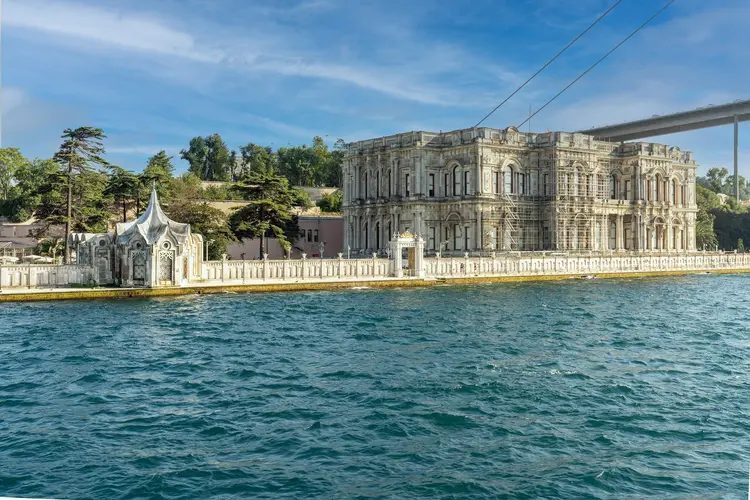
Sultan Abdülaziz commissioned Beylerbeyi from the architect Sarkis Balyan, and it went up between 1863 and 1865 on the Asian shore of the Bosphorus as a summer residence. Topkapı was built to run an empire; Beylerbeyi was built for summers by the water. The sultan loved the sea. It shows. Sailing and sea motifs run through the interior, and the garden itself runs down to the water.
The palace is normally closed on Mondays, so check hours ahead of a visit.
10. Çifte Saraylar: The Twin Palaces of two princesses
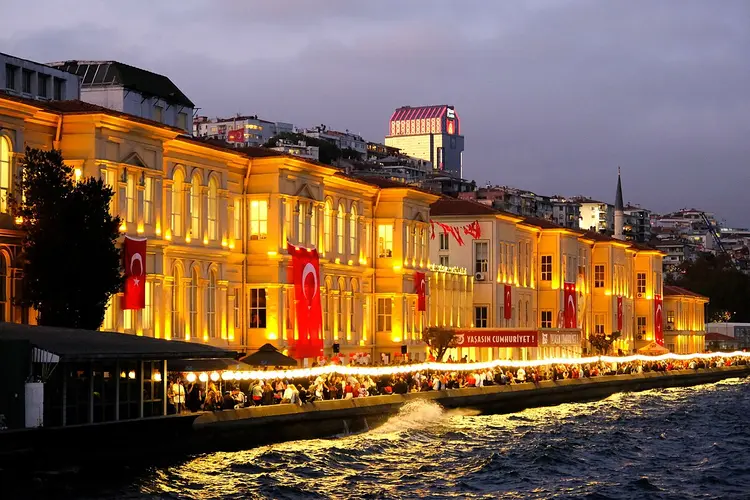
Two princesses, two palaces. Sultan Abdülmecid built the Twin Palaces from 1856 to 1859 for his daughters Cemile Sultan and Münire Sultan, with Garabet Amira Balyan as architect, and the pair still stand side by side on the shore in the Fındıklı neighborhood. Today they belong to Mimar Sinan Fine Arts University. The truth is, access is limited. The easiest view is from the waterfront.
Sources: Wikipedia, Ottoman palaces in Istanbul, Directorate of National Palaces, UNESCO World Heritage Centre, Yıldız Palace Complex

Bir yanıt yazın