
12 Waterfalls in Turkey Worth Planning a Trip Around


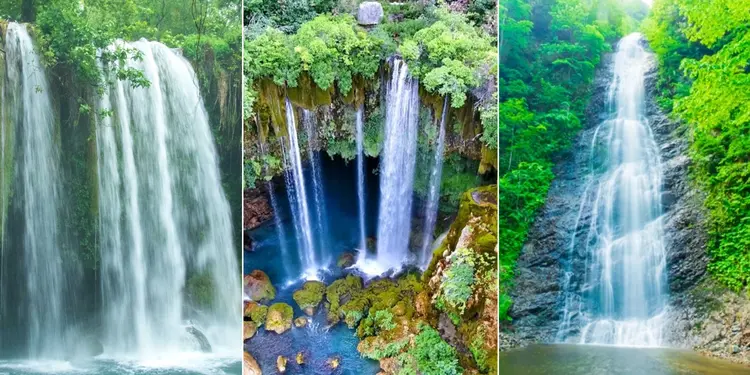
Skip Niagara: some of the best waterfalls in Turkey tumble through pine forest, limestone gorges and alpine pastures a few hours from the coast. This list runs from a cascade that pours into the Mediterranean to a rock ring in the Black Sea mountains that water has carved into a natural picture frame. Heights below are the commonly quoted figures, and they vary a little by source.
1. Düden Waterfalls, Antalya: Water Meets Birdsong
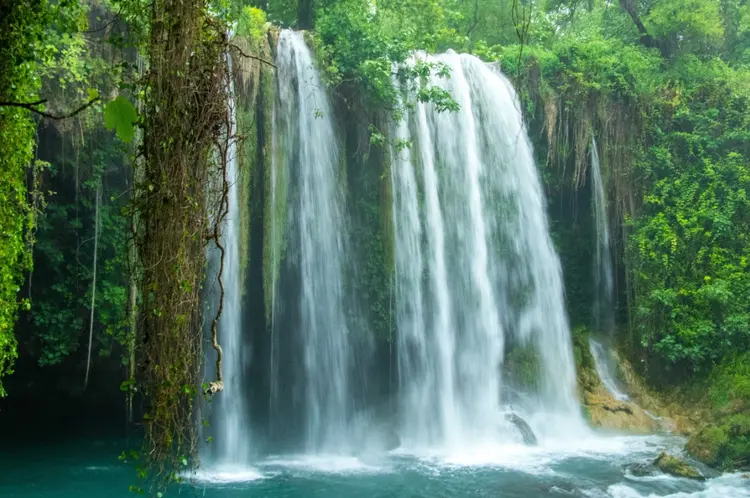
The Düden River surfaces from underground springs and pours over a ledge in Kepez, roughly 10 km north of central Antalya. Downstream, the same river drops about 40 m from a cliff straight into the Mediterranean, which makes Düden one of the few places where a river waterfall can be seen from a boat. The park around the upper falls is shady, and bird-watchers know it well. Timing matters, though. Flow depends on the season and on how much water is diverted upstream, so spring is the safer bet.
2. Güzeldere Waterfall, Düzce: A Tall Ribbon in a Nature Park
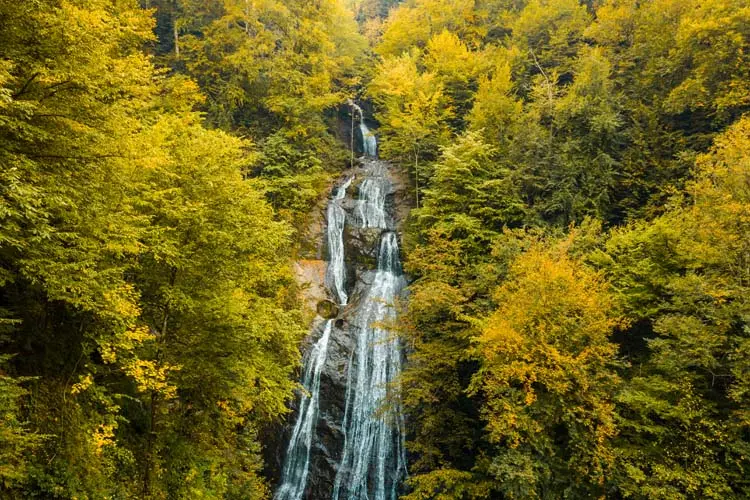
Güzeldere sits in the Gölyaka district of Düzce, between Istanbul and Ankara, and falls from a rock face quoted at 120 to 135 m, depending on who is measuring. That puts it among the tallest drops in the country. Its feeder stream, the Bıçkı, winds through a nature park with forest paths, picnic areas and rest stops. Spring and autumn are the usual picks.
3. Manavgat Waterfall, Antalya: Wide Rather Than Tall
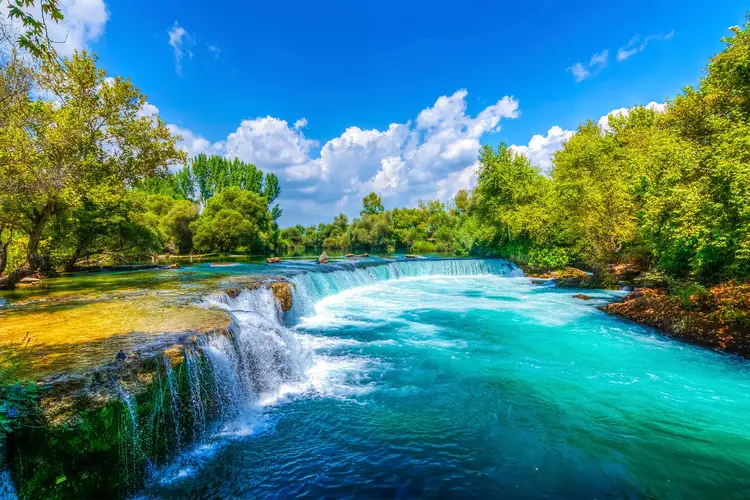
About 3 km north of the town of Manavgat, the river spills over a ledge only 3 to 4 m high, yet spread across such a broad front that the roar carries well beyond the viewing area. Güzeldere, at number 2, drops more than 30 times as far; Manavgat answers with width. Honestly, this is the easy one: no hiking, plenty of shaded picnic spots and a short drive from the resort strip.
Arrive early. Tour buses from the Antalya coast stop here.
4. Yerköprü Waterfall, Konya: Travertine and a Turquoise River
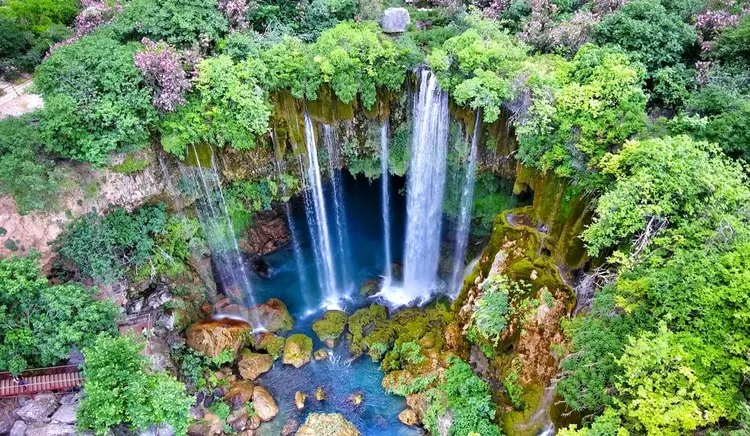
In the Hadim district, about 110 km south of Konya, a tributary of the Göksu River drops roughly 20 m from a travertine shelf and carries on toward the Mediterranean. Here the Göksu also picks up spring water from nearby sources. The best month? Local guides say June, when oleander and other flowering trees frame the falls.
5. Bulut Waterfall, Rize: Cascades Above the Clouds
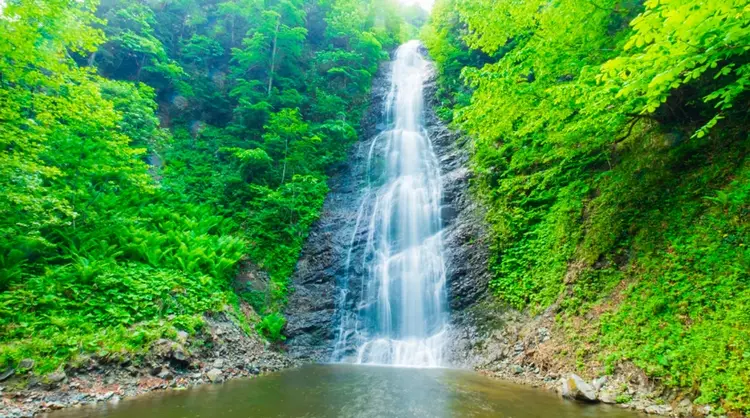
Bulut means “cloud,” and the name fits: this fall hangs high in the Kaçkar Mountains near Ayder, in the Çamlıhemşin district of Rize, and descends in several tiers.
Some local sources put its total drop at around 250 m, though nobody has measured it officially. Getting there takes a trail of about 2 km. Walk it, or join a horse-riding tour.
6. Ilıca Waterfall, Kastamonu: A Natural Swimming Pool
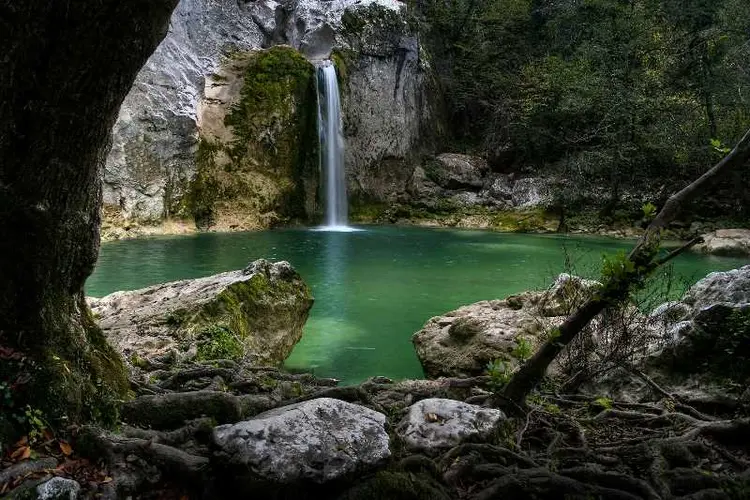
Near Ilıca village, about 12 km from the Pınarbaşı district, a stream falls roughly 10 to 15 m into a natural pool ringed by dense greenery. The pool is the draw. In summer it doubles as a swimming spot, in a setting that feels more like a hidden grotto than a roadside stop. Because the fall sits inside the Horma Canyon area, combining the two makes a good half-day.
7. Kapuzbaşı Waterfalls, Kayseri: Seven Tiers Straight from the Rock
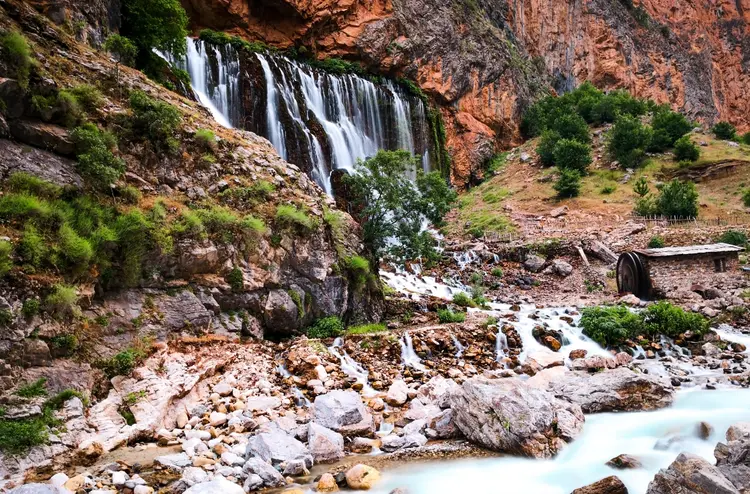
Here the water does not arrive by river: it bursts out of cracks in the rock itself, fed by snowmelt from the Aladağlar range, and flows down seven tiers toward the Zamantı River. Quoted heights run from 60 to 76 m. Turkish tourism material often bills it as the world’s second-highest waterfall by flow height. Take that with a pinch of salt: the ranking rests on promotional copy, not an independent measurement.
It lies on the edge of Yahyalı district. As trekking areas go, it is one of the region’s best known, with two separate approaches.
8. Muradiye Waterfall, Van: Frozen in Winter, Flowered in Spring
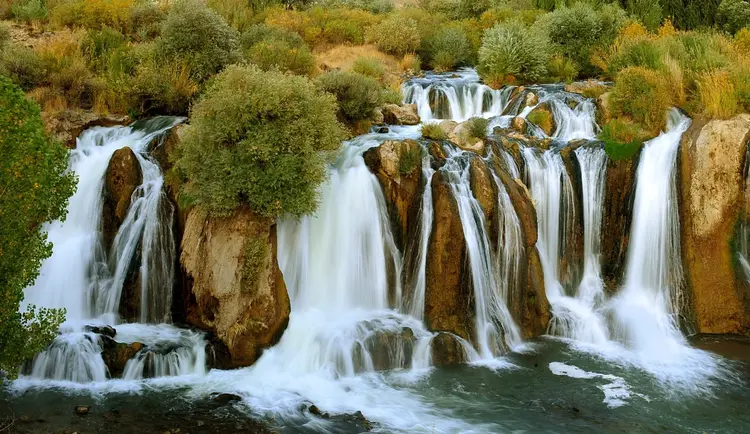
Named after the Ottoman sultan Murad IV, this 18 m waterfall sits on the Bendimahi Stream, which is fed by the slopes of Mount Tendürek in Van Province. Few Turkish waterfalls change as much by season. In spring, wildflowers fill the banks around the pool, while a hard winter freezes the cascade into columns of ice. Van lies in the far east of the country, which makes the fall an easy pairing with a trip to Lake Van.
9. Delikli Kaya Waterfall, Artvin: The Forest’s Ring
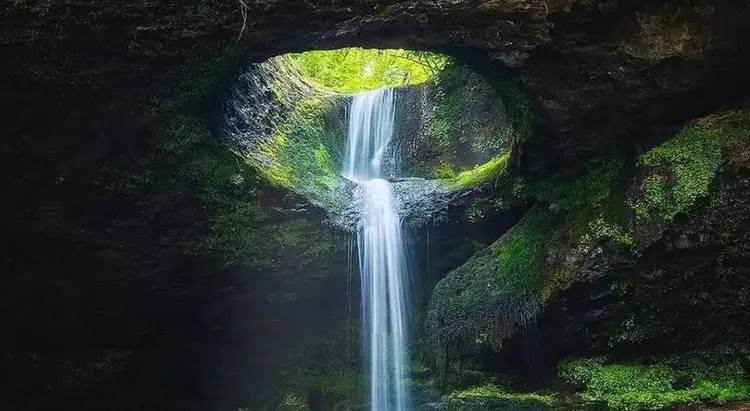
At Başköy village in the Murgul district, a stream pours through a round hole about 4 m across in the middle of a rock, a drop of around 7 m. The odd part is how it got that way: water has worn the limestone and clay into a ring over time. Hence the local name: “the forest’s ring.”
Small by height, rare by shape. And the setting is as green as the Black Sea gets.
10. Tomara Waterfall, Gümüşhane: Forty Springs, One Festival
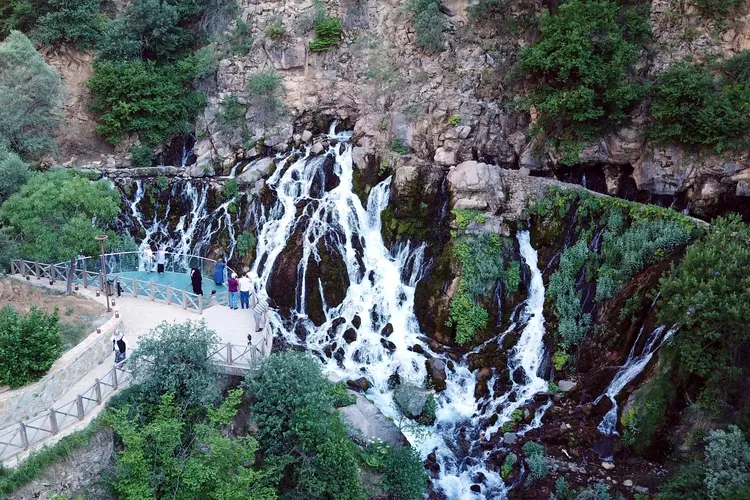
Tomara, in the Şiran district, is fed by roughly 40 springs and falls in two stages, reported at between 15 and 25 m in total. Every year, normally in the first week of July, the area holds a culture and tourism festival with concerts, folk dancing and cycling races. Outside festival days it goes quiet. That is the better time for photographs.
11. Tatlıca Waterfalls, Sinop: 28 Cascades on One Stream
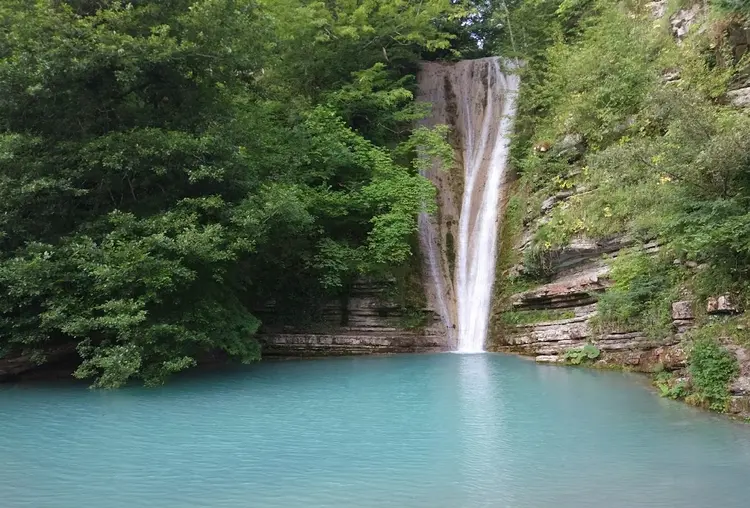
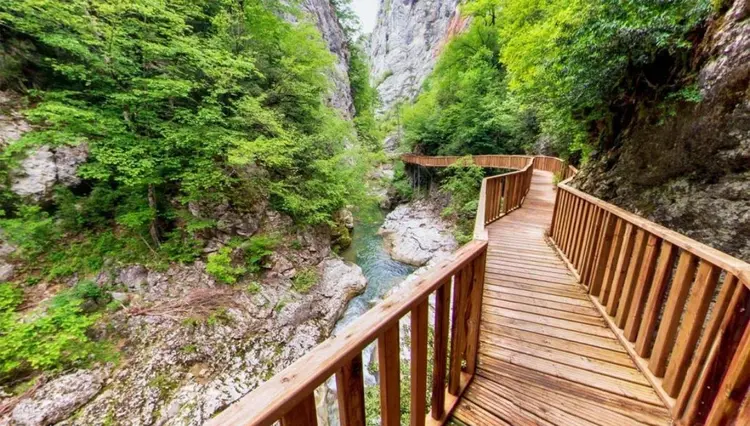
The Erfelek Tatlıca Waterfalls are a staircase of 28 small falls on Karasu Creek, set in a hanging valley about 17 km from the town of Erfelek and 42 km from Sinop. Low volume, steep gradient: that is why the creek breaks into so many tiers. Alongside run a wooden walkway and trails, with room for easy trekking and some climbing. Sinop is Black Sea country at its calmest. The drive in is part of the trip.
12. Mençuna Waterfall, Artvin: Worth the Hairpin Bends
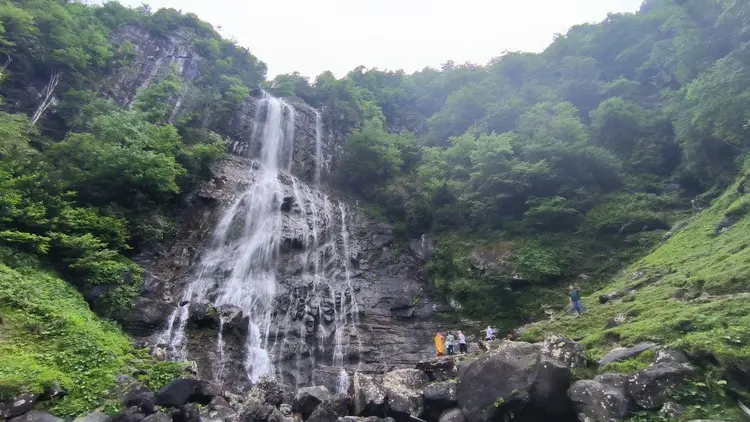
In the Arhavi district, the Mençuna drops about 92 m, a figure repeated across most sources, though a few put it closer to 90.
The road up is steep and winding. Its bends will test any driver’s patience. The reward is a view of one of the highest falls on the Black Sea coast, and the walk in leaves plenty of time to take it in. Trips like this tend to be remembered for the road almost as much as for the water.
Sources: Tatlıca Waterfalls (Wikipedia), Muradiye Falls (Go Türkiye), Yerköprü Waterfall (Wikipedia)


Bir yanıt yazın