
14 Reasons to Visit Kuzguncuk Istanbul Neighborhood


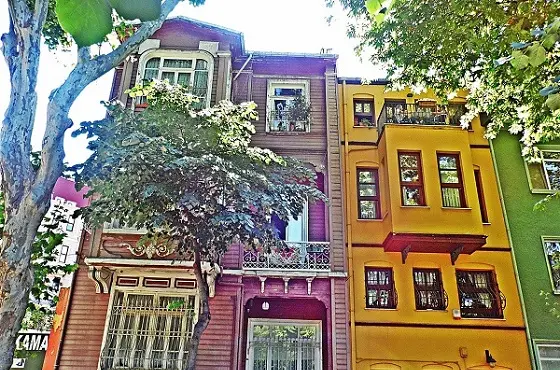
Right on the Bosphorus shore, under enormous plane trees and tangles of flowers, there is a corner of Istanbul that still feels like a village: Kuzguncuk. It has resisted the malls and the glass towers that swallowed so much of the city. That stubbornness is the draw. A single afternoon in the tiny Kuzguncuk Istanbul neighborhood on the Asian side is usually enough to see why people keep coming back.
1. The Kuzguncuk Istanbul neighborhood: one of the city’s most untouched, most mysterious corners
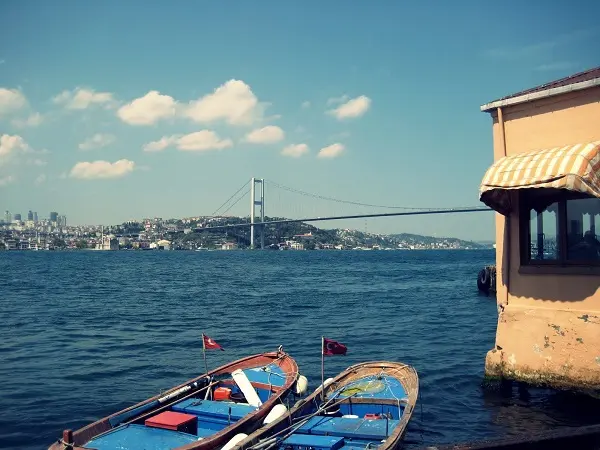
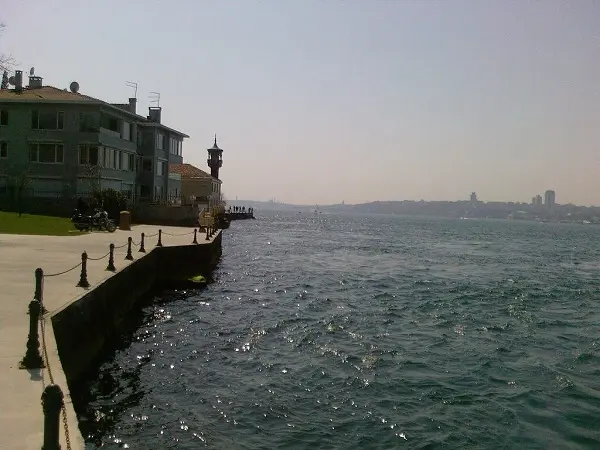
Kuzguncuk slopes down from the hills of Üsküdar to the Asian shore of the Bosphorus, and somehow it has held on to its character while the skyline all around it changed, tower by tower. No high-rises, no shopping centers. Just a tiny, green pocket where the water meets the hillside. You can walk down from Üsküdar along the coast or drift down from Nakkaştepe. Either way, come downhill. The views open up as you go.
2. Its old name meant “Golden Tile”
One story traces Kuzguncuk’s old Byzantine name, Hrisokeramos—”Golden Tile”—to a church with a gilded roof that was built under Emperor Justin II, back in the 6th century. A second theory says the name is a corruption of “Kosinitza,” an earlier name for the settlement. The Ottoman traveler Evliya Çelebi offered a third: a local holy man named Kuzgun Baba, said to have settled here during the reign of Mehmed the Conqueror. Honestly, nobody can say for sure, and no single version has won out. It suits a place this mysterious.
3. It was the last stop before the Holy Land
Kuzguncuk was Istanbul’s first Jewish settlement on the Asian side, recorded as a Jewish village as far back as the 17th century, though no one knows exactly when the first families arrived. European Jews are said to have regarded it as the last stop before the Holy Land. Not everyone got further. Those who couldn’t complete the journey, for one reason or another, were content to settle and be buried here instead.
4. Call to prayer, church bells and cantors’ chants all mingle here
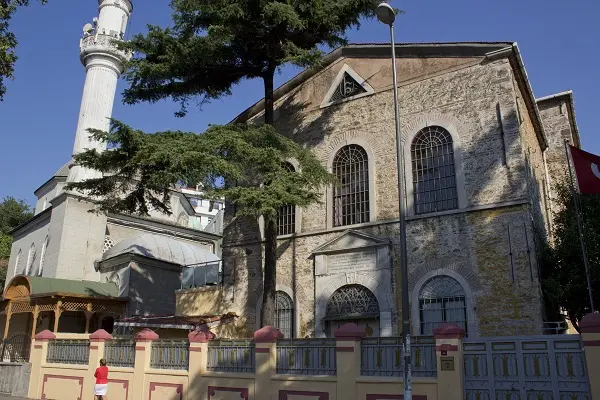
Three faiths meet in Kuzguncuk. An Armenian church, a Greek Orthodox church, a mosque and a synagogue all stand within a few steps of one another. The synagogue is Beth Yaakov. It sits right where İcadiye Avenue begins, and the Turkish Jewish Community’s page on the building (in Turkish) dates its construction to 1878. Side by side, they have become a quiet symbol of coexistence. Locals point out that when there was no land left to build the mosque on, it was the church next door that gave up part of its own courtyard for it.
5. Nearly every street looks like a film set
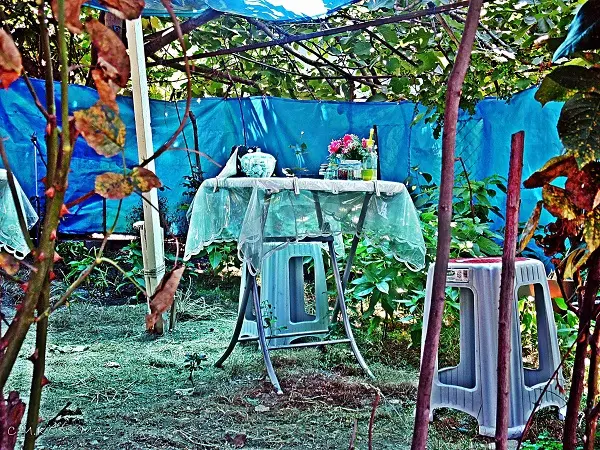
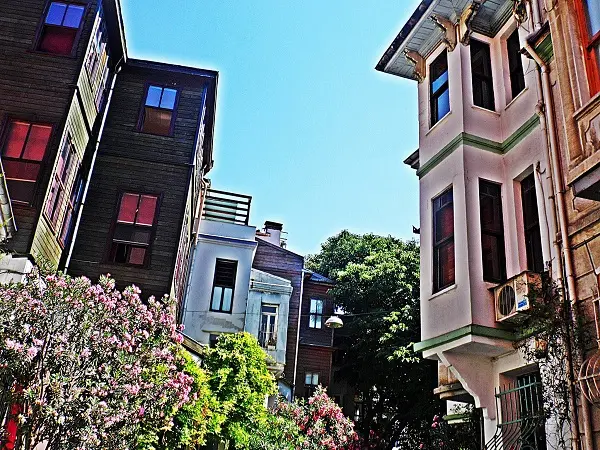
Kuzguncuk sits near the Anatolian-side approach to the Bosphorus Bridge, and turning off onto almost any side street drops you straight into a scene of weathered wooden houses, narrow lanes and gardens that spill over their fences. These aren’t show gardens. They’re lived-in, full of fruit trees, roses and the odd kitten chasing chickens. Small wonder so many Turkish films and TV series have shot here over the years. The streets do half the production design.
Walk slowly enough, and someone’s grandmother will wave at you from her garden chair.
6. Giant plane trees shade the whole neighborhood
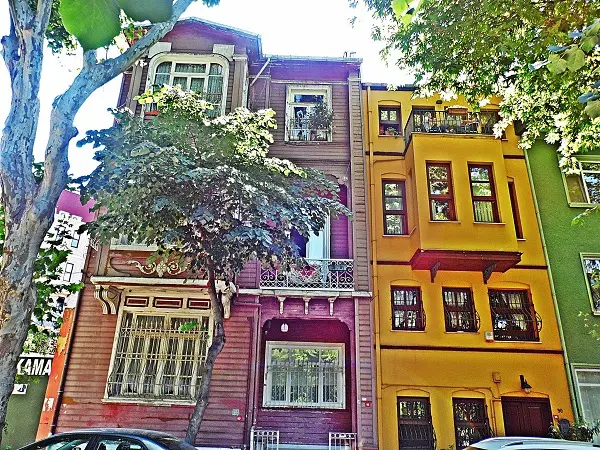
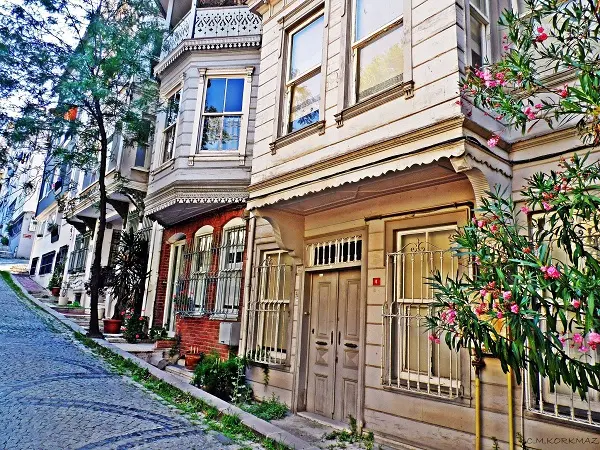
Near the water, the houses change. Older stone houses with bay windows line up next to wooden mansions painted in every color, and massive plane trees stand in front of many of them. The shade is cool and restful. Looking back uphill from the shore, you’ll see the steep lanes and stairways you just came down—and if you know your Turkish poetry, you might recall Ahmet Haşim’s line about climbing those steps slowly, step by step.
7. Restoration here sticks close to the original
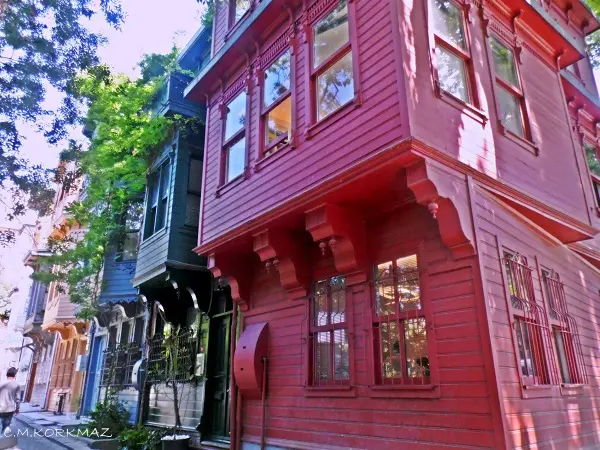
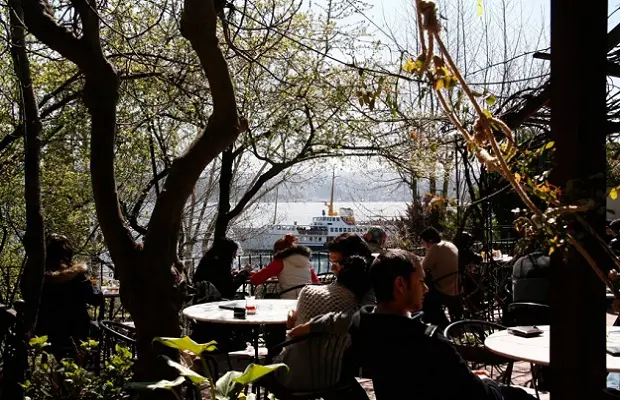
Many of Kuzguncuk’s old houses have been carefully restored rather than rebuilt from scratch: stone ground floors, wooden upper floors, two or three stories, fresh paint and flower boxes out front. Don’t picture a polished heritage theme park, though. Below them, small tea gardens and cafés. Neighbors sit there over backgammon, newspapers and glasses of tea.
8. Local shopkeepers are still hanging on
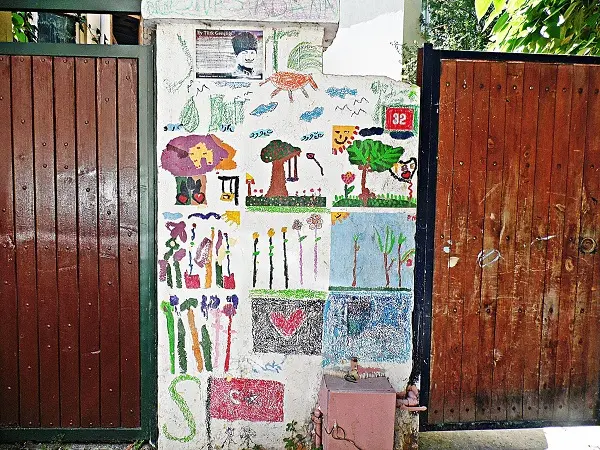
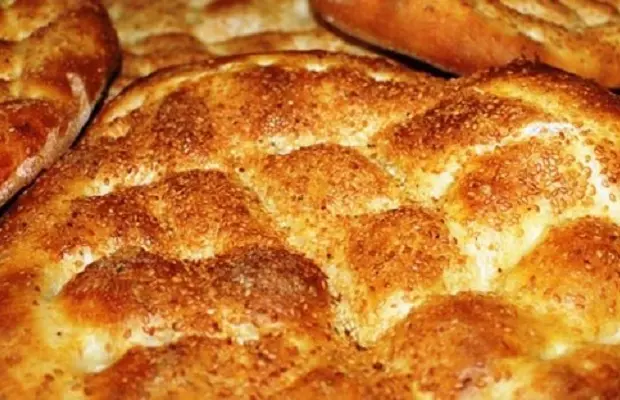
Here’s the thing: chain stores and big supermarkets have largely stayed out. Instead you’ll find tiny, brightly painted grocers and corner shops. Sit for a minute outside one. The shopkeeper will likely greet you, maybe even wave you over for tea, and if you then wander past the local bakery, the smell of fresh bread and simit (a sesame-crusted bread ring) will do the rest of the convincing.
9. Friendship and loyalty run deep here
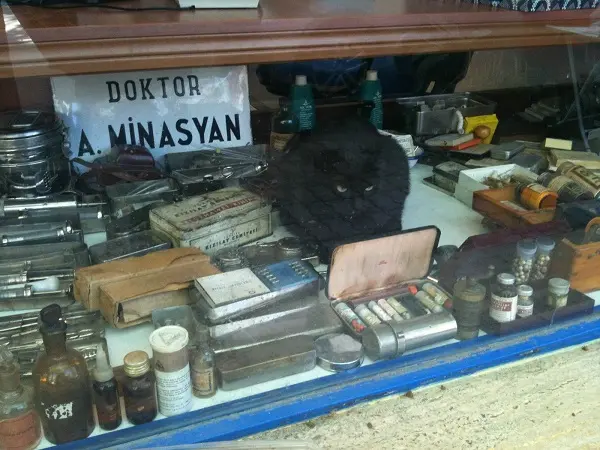
Christians, Jews and Muslims have shared this neighborhood for generations in relative harmony, even as migration has thinned out the non-Muslim population in recent decades. The older residents—the shopkeepers and neighbors with their distinctive local accent—still hold on tightly to the place. For years, Kuzguncuk had only one doctor: Dr. Ohannes Minasyan. He has long since passed away. Still, a pharmacy on İcadiye Avenue has reportedly kept some of his old syringes and medicine boxes in its window as a tribute.
10. Celebrities have called it home for generations
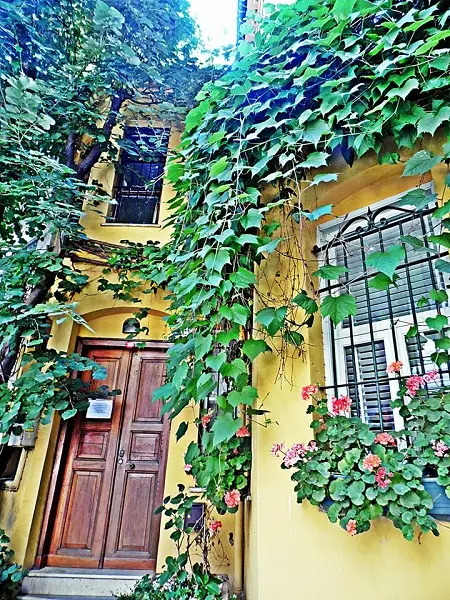
Wealthy old Istanbul families once kept mansions and waterfront villas in Kuzguncuk. As a young military cadet, Mustafa Kemal Atatürk reportedly spent weekends here for seven years, at the home of his friend Ali Fuat Cebesoy. Writers and actors lived here too. The poets Can Yücel and Oktay Rifat called it home, as did novelist Rıfat Ilgaz and writer Sevim Burak, along with playwright Güngör Dilmen and actors Uğur Yücel and Hülya Koçyiğit. Its streets have also doubled as sets for beloved Turkish TV series, including Perihan Abla and Ekmek Teknesi.
11. Even literature can’t resist Kuzguncuk
Novelist Buket Uzuner set part of Kumral Ada, Mavi Tuna in old Kuzguncuk—still one of its best-loved literary portraits. Other writers followed. Gülsüm Cengiz wrote about growing up here in Boğazdaki Mutlu Çocuk – Kuzguncuk, and Nedret Ebcim’s Üç Dinin ve Ünlülerin Buluştuğu Semt Kuzguncuk gathers the neighborhood’s history alongside interviews with people who grew up there.
12. No Bosphorus neighborhood is complete without its plane-tree square
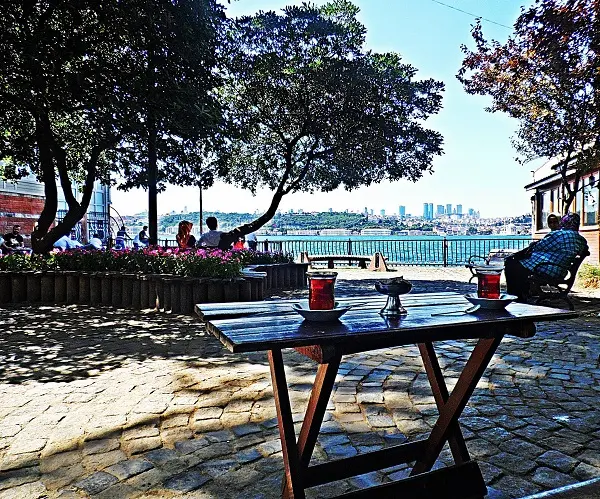
Follow İcadiye Avenue down to Paşalimanı Avenue, cross toward the water, and a small square opens up between the shoreline houses: Çınaraltı, hemmed in by the sea on one side and leafy plane trees on the other. An old bakery sits beside it. Hot tea, warm simit. Rather cool down? There’s an ice cream shop on the opposite corner too.
Visitors who came for the history tend to linger uphill on İcadiye Avenue, around the synagogue and the churches. Those who came for the water end up right here, and most people who stay the whole afternoon do both.
13. The trip ends with a wave across the water
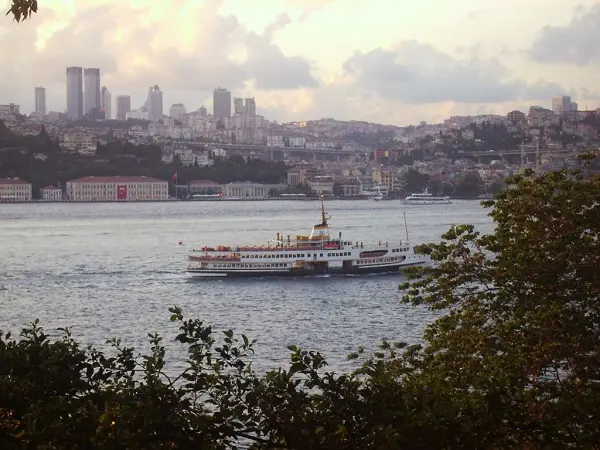
Sip your tea by the water. Wave off a passing seagull or two, then look across the Bosphorus toward Çırağan Palace and Dolmabahçe Palace on the European side.
Don’t linger too long, though. Beylerbeyi, Çengelköy, Kandilli and plenty of other Bosphorus neighborhoods are waiting just up the shore.
14. Bonus verse: a poem called “Kuzguncuk”
The great Turkish poet Nazım Hikmet wrote a poem simply titled “Kuzguncuk.” It’s wistful and image-heavy: a boarding house, a neighbor’s daughter named Raşel and a view of the water that the speaker can never quite hold onto. The tie was personal. His aunt, Sâre Hanım, was born and raised in Kuzguncuk, which is part of why the poet returned to it in his work. (The video below sets a related piece, İncesaz’s song “Balat,” which doubled as the theme for the TV series Ekmek Teknesi, itself partly filmed in Kuzguncuk.)
So that’s Kuzguncuk—part Bosphorus village, part open-air film set, and one of the few Istanbul neighborhoods that still feels the way old postcards promised it would.
Sources: Wikipedia, Kuzguncuk; Turkish Wikipedia, Kuzguncuk; Turkish Jewish Community, Kuzguncuk Bet Yaakov Synagogue (in Turkish).


Bir yanıt yazın